Nylon Machined Parts: The Backbone of High-Performance Plastic Enclosures and Positioning Components
Nylon machined parts boast excellent wear resistance and low friction, making them ideal for mechanical components like gears and bushings in automotive and industrial equipment.
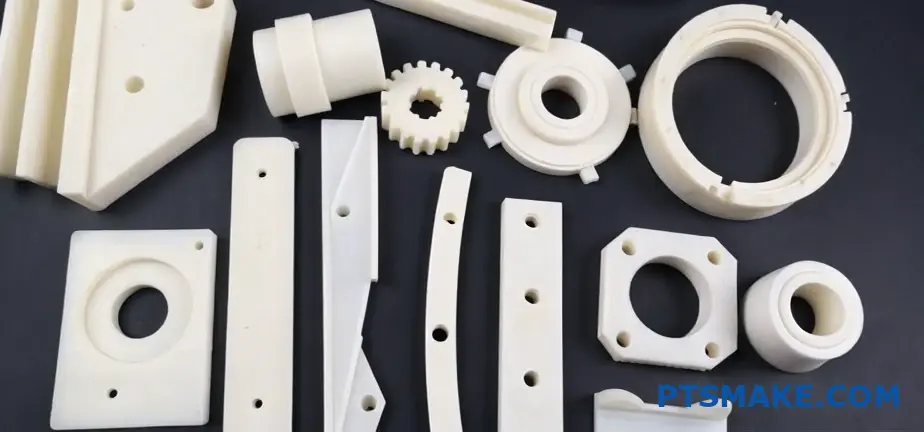 # Nylon Machined Parts: The Backbone of
Table of Contents
- What Are Nylon Machined Parts?
- The Critical Role of Plastic Enclosures & Plastic Positioning Components
- Core Advantages of Nylon Machined Parts for Enclosures & Positioning
- Nylon Machined Parts vs. Other Materials: A Comparative Breakdown
- Key Applications of Nylon Machined Plastic Enclosures & Positioning Parts
- How to Choose the Right Nylon Machined Parts for Your Project
- Conclusion
H2: What Are Nylon Machined Parts?
H2: The Critical Role of Plastic Enclosures & Plastic Positioning Components
H3: Why Plastic Enclosures Matter
- Shielding against physical damage (impacts, scratches, or vibration).
- Preventing exposure to dust, moisture, and corrosive substances.
- Insulating against electrical currents (critical for electronics).
H3: The Importance of Precision Plastic Positioning Components
- A misaligned spacer in a car’s door mechanism can lead to jamming.
- A poorly fitting bushing in a medical device can compromise accuracy.
H2: Core Advantages of Nylon Machined Parts for Enclosures & Positioning
H3: Exceptional Mechanical Strength & Durability
H3: Superior Chemical Resistance
- A nylon machined enclosure in a factory can withstand exposure to industrial oils without warping.
- A nylon positioning bushing in a car’s engine bay won’t corrode from coolant or fuel.
H3: Lightweight Design for Enhanced Portability
H3: Cost-Effectiveness at Scale
- No mold fees (injection molding requires expensive tooling, which only makes sense for 100,000+ units).
- Fast turnaround: Machining can start within days of design approval, unlike mold production (which takes weeks).
- Reduced waste: Nylon stock is efficiently shaped, with minimal scrap compared to other machining materials.
H3: Excellent Machinability for Tight Tolerances
- Plastic enclosures: Custom cutouts for buttons, screens, or ports must align perfectly with internal components.
- Plastic positioning components: Even a 0.005-inch deviation can cause misalignment in high-precision systems (e.g., robotics).
H2: Nylon Machined Parts vs. Other Materials: A Comparative Breakdown
H3: Nylon vs. Metals (Aluminum, Steel)
| Feature | Nylon Machined Parts | Aluminum/Steel |
|---|---|---|
| Weight | Lightweight (1.14 g/cm³) – ideal for portability | Heavy (Al: 2.7 g/cm³; Steel: 7.8 g/cm³) |
| Corrosion Resistance | Naturally resistant to oils, moisture, and chemicals | Prone to rust (steel) or oxidation (aluminum) – requires coatings |
| Electrical Insulation | Excellent insulator (critical for electronics enclosures) | Conductive – requires additional insulation |
| Cost | Lower material and machining costs (no coating needed) | Higher material costs + tooling/coating expenses |
| Machinability | Easy to machine; minimal tool wear | Harder on tools; slower machining times |
| Best For | Lightweight, corrosion-resistant, insulated enclosures/positioning parts | Heavy-load, high-temperature applications (e.g., engine blocks) |
H3: Nylon vs. Other Plastics (ABS, POM)
| Feature | Nylon Machined Parts | ABS | POM (Acetal) |
|---|---|---|---|
| Mechanical Strength | High tensile/impact strength; resistant to wear | Low impact strength (brittle at low temps) | Good strength but less impact resistance than nylon |
| Chemical Resistance | Resists oils, solvents, and mild acids | Degrades in oils/solvents | Resists oils but not strong acids |
| Fatigue Resistance | Excellent (handles repeated stress) | Poor (prone to cracking over time) | Good but less than nylon |
| Machinability | Smooth machining; tight tolerances easy to achieve | Tends to melt during machining (requires cooling) | Machinable but prone to chip buildup |
| Best For | High-stress, chemical-exposed enclosures/positioning parts | Low-stress, cosmetic parts (e.g., toy enclosures) | Low-friction parts (e.g., gears) but not heavy-load |
H2: Key Applications of Nylon Machined Plastic Enclosures & Positioning Parts
H3: Electronics Industry
- Plastic Enclosures: Custom casings for circuit boards, sensors, IoT devices, and industrial controllers. Nylon’s insulation protects against short circuits, while its lightweight design makes devices portable.
- Plastic Positioning Components: Spacers for circuit boards, guides for cables, and mounting brackets for components. Machined nylon ensures perfect alignment, reducing the risk of overheating or electrical failure.
H3: Automotive Sector
- Plastic Enclosures: Protective casings for sensors (e.g., ABS sensors) and electrical components in the engine bay. Nylon’s chemical resistance withstands oil, coolant, and high temperatures.
- Plastic Positioning Components: Bushings for door hinges, spacers for interior panels, and guides for seat adjusters. Nylon’s low friction reduces wear, extending component life.
H3: Medical Devices
- Plastic Enclosures: Sterilizable casings for diagnostic tools (e.g., blood glucose monitors) and surgical equipment. Nylon resists autoclave temperatures and harsh cleaning chemicals.
- Plastic Positioning Components: Precision brackets for endoscopes and spacers for medical pumps. Tight tolerances ensure these critical devices operate accurately.
H3: Industrial Automation
- Plastic Enclosures: Dust- and moisture-resistant casings for PLCs (programmable logic controllers) and sensors on factory floors.
- Plastic Positioning Components: Guides for conveyor belts, bushings for robotic arms, and spacers for assembly line tools. Nylon’s durability handles constant use in harsh industrial environments.
H2: How to Choose the Right Nylon Machined Parts for Your Project
-
Application Environment:
- If exposed to high temperatures (e.g., engine bays), choose a heat-stabilized nylon grade (e.g., PA 66).
- If chemical resistance is critical (e.g., medical devices), opt for nylon with added modifiers (e.g., PA 6 with glass fiber reinforcement).
-
Precision Requirements:
- For plastic positioning components (e.g., robotics), specify tolerances of ±0.001–±0.003 inches.
- For plastic enclosures, focus on cutout alignment (ensure dimensions match internal components exactly).
-
Volume:
- Nylon machining is ideal for 10–10,000 units. For higher volumes, consider combining machining with injection molding (e.g., use machined parts for prototyping, then switch to molding for mass production).
-
Design Complexity:
- Machining excels at complex shapes (e.g., enclosures with internal ribs or positioning parts with threaded holes). Work with a manufacturer that uses 5-axis CNC machines for maximum flexibility.
H2: Conclusion

Dongguan Sanlixin Plastic Technology Co.,Ltd
Shenzhen Sanlixin Technology Co., Ltd. and Dongguan Sanlixin Plastic Technology Co., Ltd. is a manufacturer integrating precision plastic mold design, mold opening, single (double) color injection molding, IML injection molding processing, producing various single (double) color, IML process high-end appearance decorative structural parts, two-color buttons, USB dust plugs, panels and other plastic products, providing customers with fast, excellent, Midea all-round service, the company has 15 years of experience in precision plastic mold design, processing and production, with a variety of advanced machine injection molding equipment with excellent quality and fast service to win the trust and strong support of our customers.
ABS Parts: The Backbone of Modern Plastic Enclosures and Components
Best Humidifiers 2025: Why Plastic Housings & Components Define Top-Tier Performance