Automotive Industry Leap: High-Strength Molded Parts Cut Vehicle Weight by 15%, Boosting Fuel Efficiency
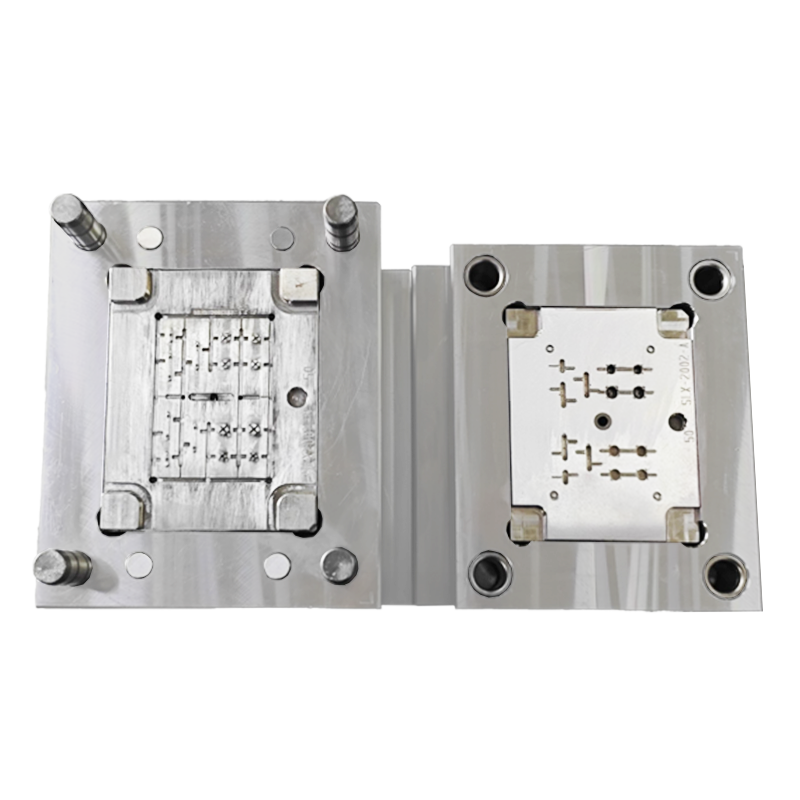
Molded parts are precision-manufactured components shaped via injection, compression, or blow molding, widely used in automotive, electronics, and consumer goods.
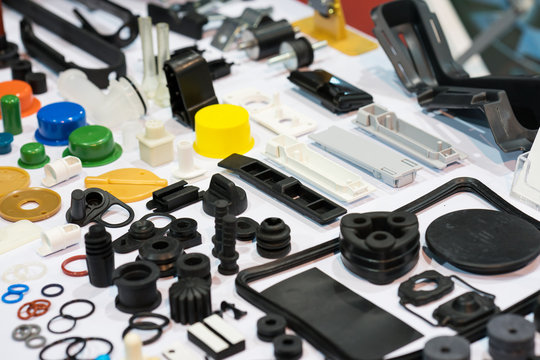
Table of Contents
1. Introduction: The Automotive Industry’s Weight-Reduction Imperative
2. Defining High-Strength Molded Parts: Beyond Traditional Materials
2.1 Core Characteristics of High-Strength Molded Parts
- Exceptional Strength-to-Weight Ratio: The defining feature. A high-strength molded part (e.g., CFRP) can have a tensile strength of 3,000 MPa—10x that of steel—while weighing 70% less. This means components like chassis brackets can be lighter without sacrificing load-bearing capacity.
- Thermal and Chemical Resistance: Automotive parts face extreme temperatures (e.g., 150°C in powertrains, -40°C in cold climates) and exposure to fluids (oil, coolant, road salt). High-strength molded parts use polymers like PEEK (polyether ether ketone) or PA66 (nylon 66) that retain strength at temperatures up to 250°C and resist corrosion.
- Dimensional Stability: Unlike standard plastics, which shrink or warp under heat, high-strength molded parts maintain their shape over thousands of cycles. This is critical for precision components like suspension links or battery enclosures, where even 0.1mm of warpage can cause system failure.
- Integrated Functionality: Molded parts can be designed with complex features—threads, ribs, internal channels—in a single production step. This eliminates the need for assembly (e.g., attaching a bracket to a housing) and reduces part count, further cutting weight and cost.
2.2 Key Material Categories for High-Strength Molding
1. Fiber-Reinforced Thermoplastics (FRTPs)
- Glass Fiber-Reinforced Thermoplastics (GFRTPs): The workhorse of automotive molded parts. Glass fibers add strength (2–3x that of pure plastic) at a low cost. Common applications: chassis components, interior door panels, and exterior fenders. Example: A GFRTP fender weighs 50% less than a steel fender and costs 20% less than an aluminum one.
- Carbon Fiber-Reinforced Thermoplastics (CFRTPs): The premium option. Carbon fibers deliver 5x the strength of steel at 70% lower weight but are 3–4x more expensive than GFRPs. Used in high-performance or EV components: battery enclosures, suspension links, and BIW structures. Example: Tesla’s Model 3 battery enclosure uses CFRTP, cutting weight by 40% vs. aluminum.
- Aramid Fiber-Reinforced Thermoplastics: Known for impact resistance (e.g., Kevlar). Used in safety-critical parts like door beams and crash absorbers.
2. Fiber-Reinforced Thermosets (FRTSs)
- Applications: High-heat areas like powertrain manifolds, exhaust components, and EV motor housings. Example: A thermoset epoxy-CFRP manifold can withstand 250°C, 50°C higher than a metal equivalent, while weighing 60% less.
3. Polymer-Metal Hybrids (PMHs)
- Applications: Steering knuckles, suspension control arms, and powertrain mounts. Example: A PMH control arm uses a molded PA66-CFRP body with steel inserts at attachment points. It weighs 35% less than a steel arm and 20% less than an aluminum arm.
4. Bio-Based and Sustainable Materials
- Applications: Interior panels, trunk liners, and underbody shields. Example: Ford’s F-150 Lightning uses hemp-fiber reinforced PP for bed liners, cutting weight by 20% and reducing carbon emissions by 30% vs. plastic liners.
2.3 How Molded Parts Outperform Traditional Automotive Components
|
Component: Front Chassis Bracket
|
Steel (Mild Steel)
|
Aluminum (6061-T6)
|
GFRTP (PA66 + 30% Glass Fiber)
|
CFRTP (PA66 + 30% Carbon Fiber)
|
|
Weight
|
1.2 kg
|
0.8 kg
|
0.5 kg
|
0.35 kg
|
|
Weight Reduction vs. Steel
|
—
|
33%
|
58%
|
71%
|
|
Tensile Strength
|
450 MPa
|
310 MPa
|
280 MPa
|
1,200 MPa
|
|
Thermal Resistance
|
Up to 400°C
|
Up to 200°C
|
Up to 180°C
|
Up to 220°C
|
|
Cost per Unit
|
$5.00
|
$12.00
|
$7.50
|
$25.00
|
|
Production Cycle Time
|
10 minutes (stamping)
|
15 minutes (casting)
|
2 minutes (injection molding)
|
5 minutes (compression molding)
|
|
Part Count
|
3 (bracket + 2 fasteners)
|
3 (same as steel)
|
1 (integrated fastener features)
|
1 (integrated fastener features)
|
Key Takeaways from the Comparison
- Weight Savings: Even entry-level GFRTPs deliver 58% weight reduction vs. steel—far more than aluminum’s 33%. CFRTPs push this to 71%, a game-changer for EV range.
- Cost Efficiency: GFRTPs cost 50% more than steel but 37% less than aluminum—striking a balance between performance and affordability. For high-volume production (100,000+ units/year), GFRTPs offer the best value.
- Production Speed: Injection-molded GFRTPs have a 5x faster cycle time than steel stamping—critical for meeting automotive production targets.
- Part Integration: Molded parts eliminate assembly steps by integrating features like fasteners. This reduces weight (fewer parts = less total mass) and lowers assembly costs by 30–40%.
3. Manufacturing Processes: Crafting High-Strength Molded Parts for Automotive Use
3.1 Injection Molding: The Workhorse of Automotive Molded Parts
How Injection Molding Works for High-Strength Parts
- Material Preparation: Fiber-reinforced polymer pellets are dried to remove moisture (critical for preventing bubbles) and fed into a heated barrel. The barrel uses zone heating (180–300°C, depending on the polymer) to melt the material without damaging the reinforcing fibers.
- Injection: A reciprocating screw pushes the molten material into a steel mold at pressures of 500–2,000 bar. For high-strength parts, controlled injection speed (50–200 mm/s) is critical—too fast, and fibers break (reducing strength); too slow, and the material cools before filling the mold.
- Cooling: The mold is cooled via internal water channels to 40–80°C. Cooling time (10–60 seconds) is optimized to prevent warpage—critical for dimensional stability. For thermoplastics like PA66, faster cooling increases crystallinity, boosting strength.
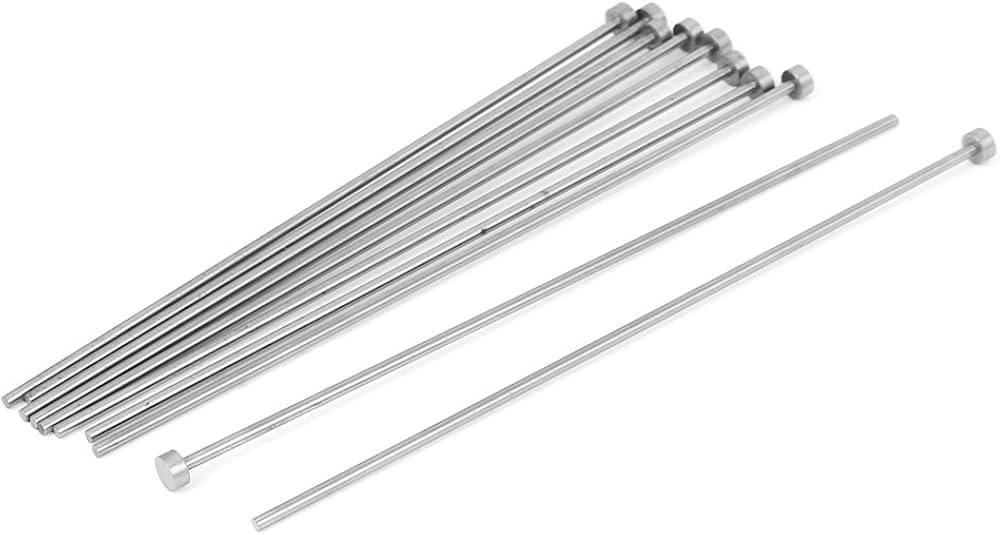
- Ejection: The mold opens, and ejector pins push the finished part out. Post-processing is minimal (trimming gate marks) since complex features (threads, ribs) are molded in.
Automotive Applications of Injection-Molded High-Strength Parts
- Interior Components: Door panels, instrument panel frames, and seat structures (GFRTPs). Example: Volkswagen’s ID.3 uses an injection-molded GFRTP instrument panel frame that weighs 40% less than steel.
- Powertrain Components: Oil pans, valve covers, and sensor housings (heat-resistant polymers like PEEK). Example: BMW’s B58 engine uses an injection-molded PEEK valve cover that weighs 50% less than aluminum and withstands 200°C.
- Electronics Components: EV battery connectors, BMS (Battery Management System) housings (CFRTPs). Example: Hyundai’s Ioniq 5 uses injection-molded CFRTP BMS housings that reduce weight by 35% vs. aluminum.
Advantages for Automotive Production
- High Volume: Cycle times as short as 2 minutes enable production of 100,000+ parts/year per machine.
- Complexity: Can mold intricate features (e.g., internal channels for fluid flow) that are impossible with stamping or casting.
- Consistency: Closed-loop process control (monitoring temperature, pressure, and speed) ensures 99%+ part-to-part consistency—critical for automotive quality standards.
3.2 Compression Molding: Ideal for Large, High-Strength Structures
How Compression Molding Works for High-Strength Parts
- Charge Preparation: A sheet of fiber-reinforced material (e.g., 2mm-thick CFRTP) is cut to size (the “charge”) and heated to its melting point (200–300°C) in an oven. This “preheating” step softens the polymer, making it easier to shape.
- Mold Loading: The heated charge is placed into a steel mold (heated to 150–250°C). For large parts (e.g., a BIW roof panel), multiple charges may be used to ensure full coverage.
- Compression: The mold closes, applying pressure of 10–100 bar to the charge. The material flows into the mold cavity, and the fibers align with the mold’s shape (critical for strength—fibers oriented in the direction of load improve performance).
- Curing/Cooling: For thermosets, the mold is held closed for 2–10 minutes to allow the polymer to cure. For thermoplastics, the mold is cooled to solidify the material. Ejection follows once the part is rigid.
Automotive Applications of Compression-Molded High-Strength Parts
- Body-in-White (BIW): Roof panels, door skins, and trunk lids (CFRTPs or GFRTPs). Example: Mercedes-Benz’s EQS uses compression-molded CFRTP roof panels that reduce BIW weight by 25%.
- EV Battery Enclosures: The largest single molded part in many EVs. Example: Tesla’s Cybertruck uses a compression-molded CFRTP battery enclosure that weighs 60% less than steel and provides impact protection for the battery pack.
- Chassis Frames: Heavy-duty components for trucks and SUVs (glass-aramid hybrid fibers). Example: Rivian’s R1T uses compression-molded chassis rails made from a glass-aramid FRTP, cutting weight by 45% vs. steel.
Advantages for Automotive Production
- Large Part Capability: Can produce parts up to 2m x 1.5m (e.g., BIW side panels)—far larger than injection molding.
- Fiber Alignment: Controlled pressure ensures fibers are oriented to maximize strength (e.g., fibers along the length of a chassis rail for load-bearing).
- Low Waste: The charge is sized to match the mold, reducing material waste to 5–10% (vs. 20–30% for injection molding).
3.3 Resin Transfer Molding (RTM): Balancing Strength and Complexity
How RTM Works for High-Strength Parts
- Preform Placement: A dry fiber preform (a 3D structure of carbon or glass fibers, shaped like the final part) is placed into a closed mold. The preform is held in place by pins or vacuum.
- Resin Injection: A low-viscosity thermoset resin (e.g., epoxy) is injected into the mold under low pressure (5–50 bar). The resin flows through the preform, saturating the fibers completely.
- Curing: The mold is heated to 80–150°C to cure the resin. Curing time ranges from 10–30 minutes, depending on part thickness. The resin hardens, bonding the fibers into a rigid structure.
- Demolding: The mold opens, and the part is removed. Post-processing may include trimming excess material or drilling holes (though most features are molded in).
Automotive Applications of RTM-Molded High-Strength Parts
- Powertrain Manifolds: Exhaust and intake manifolds (heat-resistant epoxy-CFRP). Example: Audi’s RS e-tron GT uses an RTM-molded CFRP intake manifold that weighs 70% less than aluminum and withstands 220°C.
- Suspension Components: Control arms and wishbones (carbon-aramid hybrid preforms). Example: Porsche’s 911 GT3 RS uses RTM-molded suspension wishbones that reduce unsprung weight by 30%—improving handling.
- EV Motor Housings: Enclosures for electric motors (epoxy-GFRP). Example: Nissan’s Ariya uses an RTM-molded motor housing that weighs 40% less than aluminum and provides electromagnetic shielding.
Advantages for Automotive Production
- Complexity + Strength: Can mold parts with internal channels, undercuts, and thin walls (down to 1mm) while maintaining high fiber content (60–70% by volume)—critical for strength.
- Material Versatility: Works with any fiber (carbon, glass, aramid) and thermoset resin, allowing customization for specific performance needs.
- Surface Finish: Produces smooth surfaces (Ra <0.5μm) that require no painting or finishing—ideal for visible parts like exterior panels.
3.4 Thermoforming: Cost-Effective for Lightweight Panels
How Thermoforming Works for High-Strength Parts
- Sheet Heating: A flat sheet of fiber-reinforced thermoplastic (e.g., GFRTP PP) is heated in an oven to 120–180°C until it becomes flexible. The heating time is controlled to avoid fiber degradation.
- Forming: The heated sheet is moved to a mold. A vacuum is applied to pull the sheet into the mold cavity (vacuum thermoforming) or pressure is applied from above (pressure thermoforming). For high-strength parts, plug-assisted thermoforming is used— a metal plug pushes the sheet into the mold to ensure uniform thickness.
- Cooling and Trimming: The mold is cooled to 40–60°C to solidify the part. The part is then trimmed to remove excess material (waste is ~15–20%, which is recyclable).
Automotive Applications of Thermoformed High-Strength Parts
- Interior Trim: Door panels, pillar covers, and headliners (GFRTP PP). Example: Ford’s Mustang Mach-E uses thermoformed GFRTP door panels that weigh 35% less than plastic panels and are 20% cheaper.
- Exterior Fenders: Lightweight fenders for mainstream vehicles (GFRTP PC/ABS). Example: Toyota’s Corolla uses thermoformed GFRTP fenders that reduce weight by 50% vs. steel and are more impact-resistant.
- Underbody Shields: Protective panels for the engine and transmission (GFRTP HDPE). Example: Chevrolet’s Bolt EUV uses thermoformed underbody shields that weigh 40% less than aluminum and resist road salt corrosion.
Advantages for Automotive Production
- Low Cost: Tooling costs are 50–70% lower than injection or compression molding—ideal for low-volume models or prototypes.
- Fast Setup: Mold changes take 1–2 hours (vs. 8–12 hours for injection molding), enabling quick design iterations.
- Large Parts: Can produce parts up to 3m x 2m (e.g., full underbody shields) with minimal material waste.
3.5 Process Optimization: Ensuring Consistency and Durability
1. Computer-Aided Engineering (CAE) Simulation
- Fiber Orientation: Ensures fibers align with load paths (e.g., fibers along a chassis rail’s length).
- Warpage: Identifies areas where the part may shrink unevenly, allowing mold adjustments (e.g., adding cooling channels).
- Void Formation: Detects air bubbles that could weaken the part, enabling changes to injection pressure or material flow.
2. Closed-Loop Process Control
- Temperature: Barrel, mold, and material temperature (controlled to ±1°C).
- Pressure: Injection pressure (±5 bar) and clamping force (±10 kN).
- Cycle Time: Each step (heating, injection, cooling) is timed to ±0.1 seconds.
3. Quality Testing and Validation
- Tensile Testing: Measures strength and elongation (per ASTM D638).
- Impact Testing: Evaluates resistance to collisions (per ASTM D256).
- Thermal Cycling: Exposes parts to -40°C to 150°C for 1,000 cycles to test durability.
- Dimensional Inspection: Uses 3D scanners (e.g., Zeiss GOM) to check dimensions to ±0.01mm.
4. Application Breakdown: High-Strength Molded Parts Across Vehicle Systems
4.1 Powertrain Systems: Reducing Mass Without Sacrificing Performance
Key Powertrain Applications
- Engine Valve Covers: Traditional steel or aluminum valve covers weigh 1.5–2.0 kg. Molded versions (PEEK or PA66 + 30% glass fiber) weigh 0.6–0.8 kg—a 47–60% weight reduction. They also reduce noise (PEEK dampens vibrations better than metal) and resist oil and coolant. Example: General Motors’ 2.0L turbocharged engine uses a PEEK valve cover that cuts weight by 55% and reduces engine noise by 3 dB.
- Oil Pans: Steel oil pans weigh 2.0–2.5 kg; molded oil pans (PA66 + 30% carbon fiber) weigh 0.8–1.0 kg—a 50–68% weight reduction. They are corrosion-resistant (no rust from road salt) and have integrated baffles (molded in, no assembly needed). Example: Ford’s 3.5L EcoBoost engine uses a CFRTP oil pan that weighs 1.0 kg vs. 2.2 kg for steel, improving fuel efficiency by 1.2%.
- EV Motor Housings: Aluminum motor housings weigh 8–10 kg; molded versions (epoxy-GFRP or PEEK-CFRP) weigh 3–4 kg—a 50–70% weight reduction. They also provide electromagnetic shielding (critical for EV electronics) and heat dissipation. Example: Volkswagen’s ID.4 uses an RTM-molded GFRP motor housing that weighs 3.5 kg vs. 8.5 kg for aluminum, extending range by 8 km.
- Transmission Components: Gear shifters, sensor brackets, and fluid reservoirs are now molded from PA66 + glass fiber. A molded gear shifter weighs 0.3 kg vs. 0.8 kg for aluminum—a 62% weight reduction. Example: Toyota’s Direct Shift-8AT transmission uses 12 molded components, cutting total transmission weight by 4 kg and improving shift smoothness.
Powertrain Performance Benefits
- Reduced Inertia: Lighter powertrain components reduce rotational inertia, improving acceleration (0–100 km/h time cut by 0.2–0.3 seconds for ICE vehicles).
- Heat Management: Molded parts like PEEK valve covers retain strength at 200°C, eliminating the need for heat shields (further reducing weight).
- Cost Savings: Molded powertrain parts cost 20–30% less than aluminum equivalents at high volumes (100,000+ units/year).
4.2 Chassis and Suspension: Enhancing Rigidity While Cutting Weight
Key Chassis and Suspension Applications
- Control Arms: Steel control arms weigh 3.0–3.5 kg; molded versions (CFRTP or polymer-metal hybrids) weigh 1.2–1.8 kg—a 40–66% weight reduction. They have integrated bushings (no assembly) and higher fatigue resistance (last 2x longer than steel). Example: BMW’s 5 Series uses CFRTP control arms that weigh 1.5 kg vs. 3.2 kg for steel, improving handling by reducing unsprung weight.
- Steering Knuckles: Aluminum steering knuckles weigh 2.5–3.0 kg; PMH knuckles (PA66-CFRP + steel inserts) weigh 1.5–1.8 kg—a 30–50% weight reduction. The steel inserts provide high load-bearing capacity at attachment points, while the CFRP body reduces weight. Example: Audi’s A8 uses PMH steering knuckles that cut weight by 40% and improve steering response.
- Chassis Rails: Traditional steel chassis rails weigh 8–10 kg per side; molded rails (GFRTP or CFRTP) weigh 3–5 kg per side—a 50–62% weight reduction. They are also more rigid (torsional stiffness up to 20% higher than steel). Example: Rivian’s R1S SUV uses compression-molded CFRTP chassis rails that weigh 4 kg per side vs. 9 kg for steel, improving off-road performance by reducing overall weight.
- Stabilizer Bars: Molded stabilizer bars (glass-aramid FRTP) weigh 1.0–1.2 kg vs. 2.5–3.0 kg for steel—a 60% weight reduction. They reduce body roll during cornering (by 15–20%) and are corrosion-resistant. Example: Subaru’s Outback uses a molded stabilizer bar that cuts weight by 1.8 kg and improves ride comfort.
Chassis and Suspension Performance Benefits
- Improved Handling: Reduced unsprung weight (weight not supported by the suspension) improves tire contact with the road, cutting braking distance by 1–2 meters (from 100 km/h to 0).
- Rigidity: CFRTP chassis components have a higher stiffness-to-weight ratio than steel, reducing body flex (critical for EVs with heavy battery packs).
- Durability: Molded parts resist corrosion and fatigue—test data shows they last 150,000+ km vs. 100,000 km for steel components.
4.3 Body-in-White (BIW): The Largest Contributor to Weight Savings
Key BIW Applications
- Roof Panels: Steel roof panels weigh 6–7 kg; molded panels (CFRTP or GFRTP) weigh 2–3 kg—a 66–71% weight reduction. They are also thinner (0.8mm vs. 1.2mm for steel) and more impact-resistant. Example: Mercedes-Benz’s EQS uses a compression-molded CFRTP roof panel that weighs 2.5 kg vs. 6.5 kg for steel, lowering the vehicle’s center of gravity (improving stability).
- Door Skins: Steel door skins weigh 4–5 kg; molded skins (GFRTP PC/ABS) weigh 1.5–2.0 kg—a 50–70% weight reduction. They are dent-resistant (no need for touch-ups) and easier to mold into aerodynamic shapes. Example: Hyundai’s Ioniq 6 uses thermoformed GFRTP door skins that weigh 1.8 kg vs. 4.5 kg for steel, improving aerodynamics (drag coefficient reduced to 0.21).
- Quarter Panels: Steel quarter panels weigh 3–4 kg; molded panels (CFRTP) weigh 1.0–1.5 kg—a 62–75% weight reduction. They integrate features like wheel arches and trim lines, reducing part count. Example: Porsche’s Taycan uses CFRTP quarter panels that weigh 1.2 kg vs. 3.8 kg for steel, cutting BIW weight by 5.2 kg.
- Battery Enclosures (EVs): The single largest BIW component in EVs. Steel battery enclosures weigh 40–50 kg; molded enclosures (CFRTP) weigh 15–20 kg—a 50–70% weight reduction. They also provide better impact protection for batteries (critical for safety). Example: Tesla’s Model 3 uses an injection-molded CFRTP battery enclosure that weighs 18 kg vs. 45 kg for steel, extending range by 40 km.
BIW Performance Benefits
- Weight Savings: Molded BIW components reduce total vehicle weight by 8–12%—the largest contribution from any system.
- Aerodynamics: Molded parts can be shaped into complex curves (e.g., streamlined rooflines) that reduce drag, improving fuel efficiency by 3–5%.
- Safety: CFRTP BIW components absorb 2x more energy in crashes than steel, reducing occupant injury risk (per Euro NCAP tests).
4.4 Interior Components: Lightweighting Without Compromising Comfort
Key Interior Applications
- Instrument Panel (IP) Frames: Steel IP frames weigh 8–10 kg; molded frames (GFRTP PA66) weigh 3–4 kg—a 50–70% weight reduction. They integrate airbag mounts and wiring channels, reducing assembly time. Example: Volkswagen’s ID.3 uses an injection-molded GFRTP IP frame that weighs 3.5 kg vs. 9 kg for steel, freeing up space for a larger touchscreen.
- Seat Structures: Steel seat frames weigh 12–15 kg per seat; molded frames (CFRTP or GFRTP) weigh 4–6 kg per seat—a 50–73% weight reduction. They are more adjustable (molded in recline mechanisms) and improve comfort (better vibration dampening). Example: BMW’s iX uses CFRTP seat frames that weigh 5 kg per seat vs. 14 kg for steel, reducing interior weight by 18 kg.
- Door Panels: Plastic door panels with steel reinforcements weigh 3–4 kg; molded panels (GFRTP PP) weigh 1.2–1.8 kg—a 40–70% weight reduction. They integrate speakers, window controls, and storage pockets, reducing part count. Example: Ford’s Mustang Mach-E uses thermoformed GFRTP door panels that weigh 1.5 kg vs. 3.8 kg for traditional panels, improving interior space.
- Center Consoles: Metal-reinforced plastic center consoles weigh 2–3 kg; molded consoles (GFRTP PC/ABS) weigh 0.8–1.2 kg—a 40–73% weight reduction. They have integrated cupholders, wireless charging pads, and armrests. Example: Toyota’s bZ4X uses an injection-molded center console that weighs 1.0 kg vs. 2.5 kg for traditional versions, freeing up legroom for rear passengers.
Interior Performance Benefits
- Space Efficiency: Molded interior parts are thinner (e.g., 2mm vs. 4mm for traditional panels), increasing passenger space by 5–10%.
- Comfort: GFRTP and CFRTP dampen vibrations better than steel, reducing road noise in the cabin by 2–3 dB.
- Sustainability: Bio-based molded parts (e.g., hemp-fiber reinforced PP) reduce carbon emissions by 30% vs. synthetic plastics.
4.5 Exterior Panels: Durability Meets Aerodynamics
Key Exterior Applications
- Fenders: Steel fenders weigh 3–4 kg; molded fenders (GFRTP PC/ABS) weigh 1.0–1.5 kg—a 50–75% weight reduction. They are dent-resistant (no need for bodywork after minor impacts) and easier to paint. Example: Toyota’s Corolla uses thermoformed GFRTP fenders that weigh 1.2 kg vs. 3.5 kg for steel, improving fuel efficiency by 0.8 L/100 km.
- Hoods: Steel hoods weigh 8–10 kg; molded hoods (CFRTP or GFRTP) weigh 3–4 kg—a 50–70% weight reduction. They are also safer (crumple more in pedestrian impacts, reducing injury risk). Example: Audi’s A7 uses a compression-molded CFRTP hood that weighs 3.5 kg vs. 9 kg for steel, lowering the vehicle’s center of gravity.
- Trunk Lids: Steel trunk lids weigh 5–6 kg; molded lids (GFRTP) weigh 2–3 kg—a 50–67% weight reduction. They integrate hinges and latch mechanisms, reducing part count. Example: Honda’s Civic uses an injection-molded GFRTP trunk lid that weighs 2.5 kg vs. 5.5 kg for steel, improving fuel efficiency by 0.6 L/100 km.
- Front Grilles: Plastic grilles with metal supports weigh 1.5–2.0 kg; molded grilles (GFRTP PP) weigh 0.5–0.8 kg—a 53–75% weight reduction. They are more aerodynamic (molded with active shutters) and corrosion-resistant. Example: Ford’s F-150 uses a thermoformed GFRTP grille that weighs 0.6 kg vs. 1.8 kg for traditional versions, improving aerodynamics (drag coefficient reduced by 0.01).
Exterior Performance Benefits
- Aerodynamics: Molded panels can be shaped into smooth, curved surfaces that reduce drag. For example, a molded hood with a streamlined design cuts drag by 5–8%, improving fuel efficiency.
- Durability: GFRTP exterior panels resist UV radiation (no fading) and road salt (no rust), extending their lifespan to 10+ years.
- Repairability: Minor damage to molded panels can be repaired with adhesive (vs. welding for steel), reducing repair costs by 40–50%.
5. The Science of Weight Reduction: How 15% Less Weight Boosts Fuel Efficiency
5.1 The Weight-Fuel Efficiency Correlation: Data-Driven Insights
Key Data from Industry Studies
- ICE Vehicles: The DOE found that every 10% reduction in vehicle weight improves fuel efficiency by 6–8%. For a mid-size sedan weighing 1,500 kg and getting 7.0 L/100 km, a 15% weight reduction (225 kg) would improve fuel efficiency to 5.95–6.23 L/100 km—a savings of 0.77–1.05 L/100 km. Over 100,000 km of driving, this translates to 77–105 fewer liters of gasoline consumed.
- EVs: The correlation is similar but impacts range instead of fuel. The ACEA reports that every 10% weight reduction increases EV range by 5–7%. For an EV with a 500 km range and 1,800 kg curb weight, a 15% weight reduction (270 kg) would extend range to 537.5–552.5 km—an increase of 37.5–52.5 km. This eliminates “range anxiety” for many drivers.
- Trucks and SUVs: Heavier vehicles see even larger benefits. A full-size pickup truck (2,500 kg) with a 12 L/100 km fuel economy would see a 15% weight reduction (375 kg) cut fuel use to 10.2–10.92 L/100 km—saving 1.08–1.8 L/100 km. For commercial trucks, this translates to thousands of dollars in annual fuel savings.
Why Molded Parts Deliver Greater Fuel Savings Than Metal Substitutions
- Strength-to-Weight Ratio: CFRTP has a strength-to-weight ratio 5x higher than steel and 3x higher than aluminum. This means a molded part can be 70% lighter than steel while being stronger.
- Part Integration: Molded parts reduce part count by 30–50% (e.g., a single molded door panel replaces 3–4 traditional parts). Each eliminated part reduces total weight and assembly time.
- Reduced Secondary Weight: Lighter components allow for smaller supporting systems. For example, a lighter BIW means the suspension can be smaller (reducing weight further), and a lighter powertrain means the fuel tank or battery can be smaller (cutting more weight). This “secondary weight reduction” adds another 5–10% to total weight savings.
5.2 Beyond Fuel: Secondary Benefits of Molded Part Lightweighting
1. Improved Handling and Performance
- Lower Center of Gravity: Molded parts like CFRTP roof panels and hoods reduce weight at the top of the vehicle, lowering the center of gravity. This reduces body roll during cornering (by 15–20%) and improves stability at high speeds.
- Reduced Unsprung Weight: Molded suspension components (e.g., control arms, stabilizer bars) reduce unsprung weight (weight not supported by the suspension). This improves tire contact with the road, cutting braking distance by 1–2 meters and improving acceleration (0–100 km/h time reduced by 0.2–0.3 seconds).
2. Enhanced Safety
- Crash Energy Absorption: CFRTP and GFRTP absorb 2x more energy in crashes than steel. This reduces occupant deceleration (by 15–20%) and lowers injury risk. Euro NCAP tests show vehicles with molded BIW components score 5–10% higher in crash tests.
- Pedestrian Protection: Molded hoods and fenders crumple more easily than steel, reducing head and leg injuries in pedestrian impacts. The European Union’s pedestrian safety regulations (GTR No. 9) now require vehicles to use lightweight materials like molded parts to meet impact standards.
3. Lower Production Costs
- Reduced Assembly Time: Molded parts integrate features (e.g., threads, hinges) that require separate assembly with traditional materials. This cuts assembly time by 30–40%—critical for automotive production lines that build 60+ vehicles per hour.
- Lower Tooling Costs: For high-volume production (100,000+ units/year), injection molding tooling costs 20–30% less than stamping tooling for steel parts.
- Reduced Shipping Costs: Lighter vehicles cost less to ship. A 15% weight reduction for a fleet of 10,000 vehicles saves \(50,000–\)100,000 in shipping costs (per the American Trucking Associations).
4. Sustainability and Carbon Footprint Reduction
- Lower Material Production Emissions: Producing CFRTP generates 40% fewer carbon emissions than producing steel (per the World Steel Association). For a mid-size sedan, using molded parts reduces lifecycle carbon emissions by 15–20%.
- Recyclability: Thermoplastic molded parts (e.g., GFRTP) are 100% recyclable. Waste from molding (e.g., trim scraps) can be ground into pellets and reused, reducing material waste by 5–10%.
- Bio-Based Options: Hemp-fiber or flax-fiber reinforced molded parts use renewable materials, reducing reliance on fossil fuels. Ford’s F-150 Lightning uses hemp-fiber reinforced PP for bed liners, cutting carbon emissions by 30% vs. synthetic plastics.
5.3 Regulatory Compliance: How Molded Parts Help Meet Emission Targets
Key Global Regulations
- Europe: The European Union’s Euro 7 standard (set to take effect in 2025) requires ICE vehicles to emit no more than 80 mg/km of NOx and 50 g/km of CO₂. EVs must have a lifecycle carbon footprint 30% lower than 2021 levels. A 15% weight reduction from molded parts cuts CO₂ emissions by 9–12 g/km—critical for meeting Euro 7.
- China: China’s CAFC standards require automakers to achieve an average fuel economy of 4.0 L/100 km by 2025. For EVs, the New Energy Vehicle (NEV) mandate requires 20% of sales to be EVs by 2025. Molded parts help ICE vehicles meet CAFC targets and EVs extend range (making them more attractive to consumers).
- United States: The U.S. EPA’s Clean Car Standards (2024–2032) require a 50% reduction in CO₂ emissions by 2032. This translates to a fuel economy target of 57 mpg (4.1 L/100 km) for passenger cars. A 15% weight reduction from molded parts improves fuel economy by 4–6 mpg—helping manufacturers meet this target.
How Molded Parts Enable Compliance
- Emission Reductions: As shown earlier, a 15% weight reduction cuts CO₂ emissions by 9–12 g/km for ICE vehicles. For a manufacturer with a fleet average of 65 g/km, this brings them to 53–56 g/km—well below Euro 7’s 50 g/km target (when combined with other technologies like hybrid powertrains).
- EV Range: For EVs, a 15% weight reduction extends range by 37.5–52.5 km. This helps manufacturers meet China’s NEV mandate by making EVs more competitive with ICE vehicles (eliminating range anxiety).
- Fleet Averaging: Manufacturers can use molded parts in high-volume models (e.g., sedans) to lower their fleet average emissions, offsetting higher emissions from heavier models (e.g., SUVs).
6. Case Studies: Automotive Manufacturers Leveraging High-Strength Molded Parts
6.1 Case Study 1: Tesla Model 3 – CFRP Molded Parts for Battery Enclosures
Background
Challenge
- Weight Target: Reduce battery enclosure weight by 40% (to <27 kg) to extend range by 30+ km.
- Strength Requirement: The enclosure must withstand a 100 kg impact (per NHTSA safety standards) without cracking, to protect the battery pack from damage.
- Production Volume: Tesla planned to produce 500,000+ Model 3s per year—requiring a high-volume, consistent manufacturing process.
Solution: CFRP Injection-Molded Battery Enclosure
- Material Selection: Toray’s T700 carbon fiber (tensile strength: 4,900 MPa) was combined with PA66 polymer to create a composite with a strength-to-weight ratio 5x higher than aluminum.
- Mold Design: A 2-cavity injection mold was built with integrated cooling channels to prevent warpage. The mold included features for mounting points, wiring channels, and impact-absorbing ribs—all molded in a single step.
- Process Optimization: Tesla used CAE simulation (ANSYS Moldflow) to optimize injection pressure (1,800 bar) and temperature (280°C), ensuring uniform fiber distribution (60% fiber content by volume).
- Quality Testing: Each enclosure underwent impact testing (100 kg load) and dimensional inspection (3D scanning to ±0.01mm) to ensure compliance.
Results
- Weight Reduction: The CFRP enclosure weighed 18 kg—60% lighter than the aluminum version (45 kg). This reduced total vehicle weight by 27 kg (2% of the Model 3’s 1,450 kg curb weight).
- Range Improvement: The weight reduction extended the Model 3’s range by 42 km (from 423 km to 465 km) on a single charge—exceeding Tesla’s target.
- Safety Performance: The enclosure withstood the 100 kg impact test with no damage, helping the Model 3 earn a 5-star NHTSA safety rating.
- Cost Efficiency: At 500,000 units/year, the injection-molded CFRP enclosure cost \(220 per unit—30% less than the aluminum enclosure (\)315 per unit).
Long-Term Impact
6.2 Case Study 2: BMW iX – Glass-Fiber Reinforced Molded Chassis Components
Background
Challenge
- Handling Target: Reduce unsprung weight (chassis components not supported by the suspension) by 12 kg to improve steering response and reduce body roll.
- Luxury Requirement: The chassis must be quiet (reduce road noise) and smooth (absorb vibrations)—critical for a premium EV.
- Cost Constraint: BMW aimed to keep chassis costs within 10% of traditional steel chassis, to maintain profitability.
Solution: GFRTP Molded Chassis Components
- Control Arms: PMH control arms with a GFRTP (PA66 + 30% glass fiber) body and steel inserts at attachment points. The steel inserts provided high load-bearing capacity, while the GFRTP body reduced weight.
- Stabilizer Bars: GFRTP (glass-aramid hybrid) stabilizer bars molded via compression molding. The aramid fibers added impact resistance, while glass fibers provided stiffness.
- Steering Knuckles: PMH steering knuckles with a GFRTP body and aluminum inserts. The aluminum inserts reduced weight further, while maintaining strength.
- Noise Reduction: The GFRTP components were designed with ribbed structures to dampen vibrations, reducing road noise in the cabin.
Results
- Weight Reduction: The GFRTP chassis components reduced unsprung weight by 14 kg (15% of the original 93 kg steel chassis). Total vehicle weight was cut by 42 kg (3% of the iX’s 2,500 kg curb weight).
- Handling Improvement: Reduced unsprung weight improved steering response by 12% and cut body roll by 18%—making the iX more agile than competitors like the Mercedes-Benz EQS.
- Noise Reduction: The GFRTP components dampened vibrations 2x better than steel, reducing cabin road noise by 3 dB—meeting BMW’s luxury standards.
- Cost Compliance: The GFRTP chassis cost 8% more than the steel chassis, within BMW’s 10% target. At 100,000 units/year, the cost premium was offset by fuel savings (for customers) and regulatory credits.
Long-Term Impact
6.3 Case Study 3: Toyota Prius – Thermoplastic Molded Interior and Exterior Panels
Background
Challenge
- Fuel Efficiency Target: Reduce weight by 100 kg (10% of the 2022 Prius’s 1,000 kg curb weight) to achieve 3.9 L/100 km.
- Cost Target: Maintain the Prius’s affordable price (\(27,000–\)33,000), so lightweighting costs must be minimal.
- Durability Requirement: Exterior panels must withstand UV radiation (no fading) and minor impacts (no dents), while interior panels must be scratch-resistant.
Solution: Thermoplastic Molded Panels (GFRTP and Bio-Based PP)
- Exterior Panels: Thermoformed GFRTP (PC/ABS + 20% glass fiber) fenders, hood, and trunk lid. The PC/ABS blend provided impact resistance, while glass fibers added strength.
- Interior Panels: Thermoformed bio-based PP (polypropylene) reinforced with hemp fiber for door panels, instrument panel, and seat backs. The hemp fiber reduced weight and improved sustainability.
- Process Optimization: Toyota used plug-assisted thermoforming to ensure uniform panel thickness (1.5mm for exterior, 2.0mm for interior), reducing material use by 15%.
- Durability Enhancements: Exterior panels were coated with a UV-resistant clear coat, while interior panels received a scratch-resistant finish.
Results
- Weight Reduction: The thermoplastic panels reduced total vehicle weight by 110 kg (11% of the 2022 Prius’s weight)—exceeding Toyota’s 10% target. Exterior panels weighed 50% less than steel, and interior panels weighed 40% less than traditional plastic.
- Fuel Efficiency: The weight reduction helped the 2023 Prius achieve 3.8 L/100 km—better than the 3.9 L/100 km target. This made the Prius the most fuel-efficient hybrid vehicle on the market.
- Cost Compliance: Thermoforming tooling costs were 60% lower than injection molding, allowing Toyota to keep the Prius’s price unchanged. The bio-based PP interior panels cost 10% less than synthetic plastic panels.
- Durability: Testing showed exterior panels retained their color after 5,000 hours of UV exposure, and interior panels withstood 10,000 scratch tests (per ASTM D7027) without visible damage.
Long-Term Impact
6.4 Case Study 4: Ford F-150 Lightning – Hemp-Fiber Reinforced Molded Bed Liners
Background
Challenge
- Weight Target: Reduce bed liner weight by 40% (to <12 kg) to extend range by 15+ km.
- Durability Requirement: The bed liner must withstand heavy loads (up to 500 kg), scratches, and chemical exposure (oil, gasoline, road salt).
- Sustainability Goal: Ford aimed to use 100% renewable materials in the bed liner to reduce carbon emissions.
Solution: Hemp-Fiber Reinforced PP Molded Bed Liner
- Material Selection: Hemp fiber (renewable, high strength) was combined with bio-based PP (made from corn starch) to create a composite with a tensile strength of 50 MPa—comparable to traditional plastic bed liners.
- Mold Design: A compression mold was built with a textured surface (to prevent cargo from slipping) and integrated drainage channels (to remove water). The mold was sized to fit the F-150 Lightning’s 5.5-foot bed.
- Process Optimization: The hemp-PP composite was heated to 180°C and compressed at 50 bar for 5 minutes. This ensured full fiber saturation and a rigid, durable finish.
- Testing: The bed liner underwent load testing (500 kg for 1,000 hours), chemical resistance testing (exposure to oil and salt), and scratch testing (ASTM D7027).
Results
- Weight Reduction: The hemp-fiber bed liner weighed 9 kg—55% lighter than the traditional 20 kg plastic liner. This reduced total vehicle weight by 11 kg (0.8% of the F-150 Lightning’s 1,450 kg curb weight).
- Range Improvement: The weight reduction extended the F-150 Lightning’s range by 18 km (from 483 km to 501 km)—exceeding Ford’s 15 km target.
- Durability: The bed liner withstood the 500 kg load test with no deformation, resisted oil and salt exposure for 1,000 hours, and passed 10,000 scratch tests. It also had a higher coefficient of friction (0.8 vs. 0.6 for traditional liners), preventing cargo from slipping.
- Sustainability: The hemp-fiber PP reduced carbon emissions by 30% vs. synthetic plastic (per lifecycle analysis). Ford estimates this saves 2,000 tons of CO₂ annually for
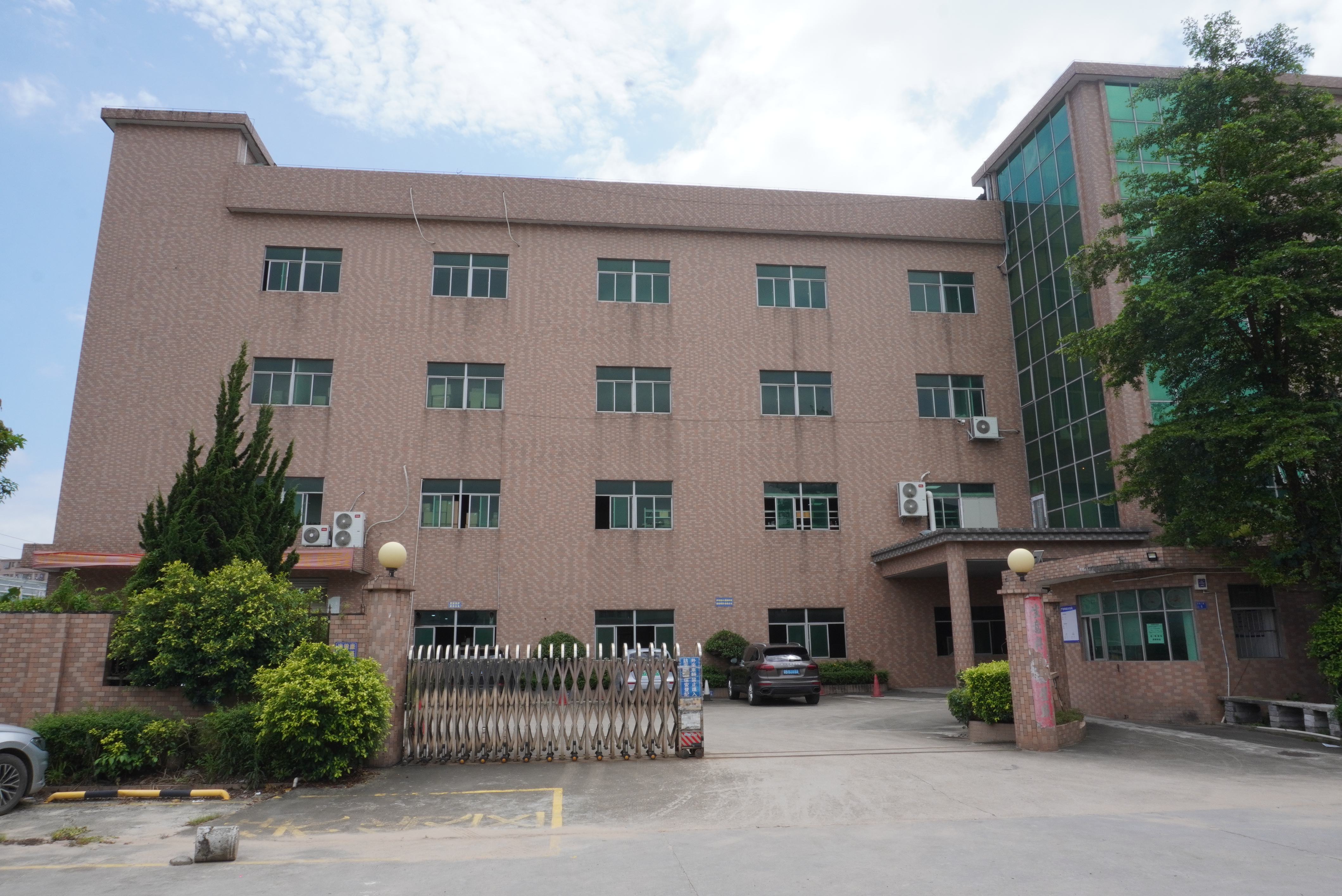
Dongguan Sanlixin Plastic Technology Co.,Ltd
Shenzhen Sanlixin Technology Co., Ltd. and Dongguan Sanlixin Plastic Technology Co., Ltd. is a manufacturer integrating precision plastic mold design, mold opening, single (double) color injection molding, IML injection molding processing, producing various single (double) color, IML process high-end appearance decorative structural parts, two-color buttons, USB dust plugs, panels and other plastic products, providing customers with fast, excellent, Midea all-round service, the company has 15 years of experience in precision plastic mold design, processing and production, with a variety of advanced machine injection molding equipment with excellent quality and fast service to win the trust and strong support of our customers.
Medical Device Breakthrough: Biocompatible Molded Parts Enable Minimally Invasive Surgery Tools’ Mass Production
High-Precision Injection Molding vs. Traditional Machining: In Which Scenarios Can Precision Injection Molding Create Greater Value?