Sustainability Win: Recycled Plastic Molded Parts Now Meet Aerospace Standards, Slashing Industrial Waste
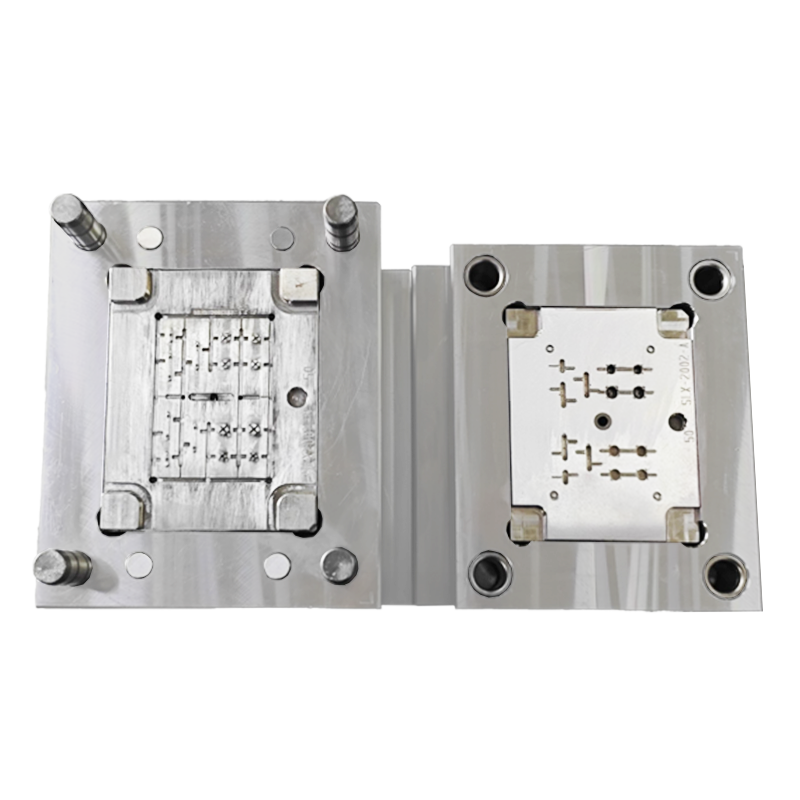
Design flexibility defines molded parts; complex geometries (e.g., internal cavities, thin walls) are achievable, supporting innovative product designs.

Table of Contents
1. Introduction: The Aerospace Sustainability Gap and Molded Parts as a Solution
2. What Are Recycled Plastic Molded Parts? Manufacturing, Properties, and Aerospace Relevance
2.1 The Manufacturing Process of Recycled Plastic Molded Parts
- Feedstock Sourcing and Sorting: The process starts with post-industrial or post-consumer plastic waste—primarily high-performance polymers like polyetheretherketone (PEEK), polyphenylene sulfide (PPS), and acrylonitrile butadiene styrene (ABS), which are common in aerospace. Advanced sorting technologies (e.g., near-infrared spectroscopy, AI-driven optical sorters) separate these plastics by type, removing contaminants (e.g., metal, paper, low-grade plastics) that could compromise strength.
- Shredding and Pelletizing: The sorted plastic is shredded into small flakes, then washed to remove oils, dyes, or residues. It’s then melted and extruded into small, uniform pellets—identical in size and shape to virgin plastic pellets. This step is critical: consistent pellets ensure even melting and filling of molds, which is non-negotiable for aerospace precision.
- Molding: Injection, Compression, or Transfer Molding: The recycled pellets are fed into a molding machine, where they’re heated to a molten state (temperatures range from 200°C for ABS to 370°C for PEEK). The molten plastic is then forced into a custom mold (machined to tolerances of ±0.005 mm for aerospace) using one of three methods:
-
- Injection Molding: The most common for complex parts (e.g., avionics housings). Molten plastic is injected into the mold at high pressure (1,000–2,000 bar), ensuring it fills every detail of the mold cavity.
-
- Compression Molding: Used for larger, flatter parts (e.g., wing fairings). The plastic is placed in the mold, which is then closed and heated, compressing the material into shape.
-
- Transfer Molding: Ideal for parts with intricate features (e.g., electrical connectors). Molten plastic is transferred from a “pot” into the mold cavity via channels, ensuring uniform filling.
- Cooling and Demolding: The mold is cooled (using water or air) to solidify the plastic. Once cooled, the mold opens, and the part is removed. Post-processing (e.g., trimming excess material, drilling holes) is minimal—thanks to the precision of the mold—reducing waste further.
- Quality Testing: Every batch of recycled plastic molded parts undergoes rigorous testing (e.g., tensile strength, impact resistance, thermal stability) before being approved for aerospace use. We’ll dive into these tests in Section 4.
2.2 Key Properties of Recycled Plastic Molded Parts for Aerospace
- Consistency: Molding eliminates the “layer lines” of 3D printing or “seams” of extrusion, creating parts with uniform strength across their entire structure. For aerospace, this means predictable performance—no weak points that could fail under stress.
- Strength-to-Weight Ratio: High-performance recycled polymers (e.g., recycled PEEK) have a strength-to-weight ratio comparable to aluminum. A 2024 study by the Aerospace Materials Division (AMD) found that recycled PEEK molded parts have a tensile strength of 90 MPa—nearly identical to virgin PEEK (92 MPa)—and weigh 40% less than aluminum parts.
- Customization: Molds can be designed to create complex geometries (e.g., integrated ribs, threaded holes) that reduce the need for assembly. This not only cuts labor costs but also eliminates the risk of failure at assembly points.
- Sustainability: By using recycled feedstock, molded parts reduce reliance on virgin plastic (which requires petroleum extraction and emits 2–3x more CO₂ during production). Additionally, the molding process generates just 5–10% waste (vs. 20–30% for machining virgin plastic), as excess material can be recycled back into the process.
2.3 Why Molded Parts (Not Other Recycled Components) Are a Aerospace Breakthrough
- Precision: Aerospace parts require tight tolerances (often ±0.01 mm) to fit with other components and ensure safety. 3D printing struggles with consistent tolerances (due to layer adhesion and shrinkage), while extrusion is limited to simple shapes. Molding, by contrast, uses rigid metal molds that produce identical parts with near-perfect tolerances—even at high volumes.
- Scalability: Aerospace OEMs need millions of parts annually (e.g., cabin latches, avionics brackets). 3D printing is slow (a single part can take hours), and extrusion requires additional machining to create complex parts. Molding, however, can produce hundreds of parts per hour—making it cost-competitive with virgin plastic parts.
- Certification: Aerospace materials must be traceable and consistent. The molding process’s uniformity makes it easier to certify recycled parts, as every part has the same material properties. With 3D printing or extrusion, variability in material composition (from recycled feedstock) can lead to inconsistent performance—making certification nearly impossible.
3. Aerospace Standards Unpacked: What It Takes for Molded Parts to Qualify
3.1 Global Regulatory Bodies and Core Standards
- SAE International: A U.S.-based organization that develops standards for aerospace, automotive, and manufacturing. Its standards (e.g., SAE AS4780) are widely adopted globally.
- FAA (Federal Aviation Administration): The U.S. aviation regulator, which approves materials for use in U.S.-registered aircraft via Technical Standard Orders (TSOs).
- EASA (European Union Aviation Safety Agency): The EU’s aviation regulator, which aligns with SAE and FAA standards but adds additional requirements for environmental performance.
3.2 Mechanical Performance Standards: Strength, Durability, and Fatigue
|
Standard
|
Requirement
|
Relevance to Molded Parts
|
|
SAE AS4780
|
Minimum tensile strength (varies by polymer: 70 MPa for ABS, 90 MPa for PEEK), elongation at break (≥5%), and flexural strength (≥100 MPa for PEEK).
|
Molding’s uniform structure ensures recycled parts meet these tensile and flexural thresholds—unlike 3D-printed parts, which often fail at layer interfaces.
|
|
ASTM D638
|
Standard test method for tensile properties of plastics. Requires consistent results across 50+ samples.
|
Molded parts produce consistent ASTM D638 results because the molten plastic fills the mold uniformly, eliminating material inconsistencies.
|
|
FAA TSO-C129
|
Fatigue resistance: Parts must withstand 100,000 cycles of stress (e.g., vibration) without cracking.
|
The seamless design of molded parts prevents stress concentration points, making them more fatigue-resistant than assembled or extruded parts.
|
3.3 Thermal Stability Standards: Withstanding Extreme Temperatures
- SAE AMS 3845: Requires parts to maintain 90% of their tensile strength after 1,000 hours at 120°C (for cabin parts) or 200°C (for engine-adjacent parts). Recycled PEEK molded parts, for example, meet this standard because PEEK’s high melting point (343°C) and the molding process’s uniform crystallization prevent thermal degradation.
- ASTM D746: Tests impact resistance at low temperatures (-40°C). Molded parts outperform extruded parts here because the molding process aligns polymer chains, reducing brittleness in cold conditions.
3.4 Fire, Smoke, and Toxicity (FST) Standards: Non-Negotiable for Cabin Safety
- Fire Resistance: Parts must not ignite or burn for more than 15 seconds when exposed to a flame.
- Smoke Density: Smoke emitted from burning parts must not exceed a maximum optical density (MOD) of 200 at 4 minutes.
- Toxicity: Emissions from burning parts must not contain lethal levels of chemicals (e.g., cyanide, carbon monoxide).
3.5 Environmental Durability Standards: Resistance to Chemicals and Moisture
- Chemical Resistance: Recycled plastic molded parts (e.g., PPS or PEEK) are tested by immersing them in jet fuel (JP-8) or hydraulic fluid (MIL-PRF-83282) for 1,000 hours. After immersion, they must retain ≥95% of their tensile strength. The molding process’s dense, uniform structure prevents chemicals from seeping into the part, reducing degradation.
- Moisture Absorption: ASTM D570 requires parts to absorb ≤0.2% of their weight after 24 hours in water. Recycled PEEK molded parts meet this because PEEK is inherently hydrophobic, and molding eliminates pores that could trap moisture.
4. How Recycled Plastic Molded Parts Meet (and Exceed) Aerospace Requirements
4.1 Advanced Feedstock Processing: Turning Waste into “Virgin-Quality” Pellets
- Contaminant Removal: Traditional recycling methods struggle to remove micro-contaminants (e.g., paint flakes, adhesives) that weaken parts. Today, however, sorters use laser-induced breakdown spectroscopy (LIBS)—a technology that analyzes the chemical composition of plastic flakes in real time. LIBS can detect contaminants as small as 10 micrometers (μm) and reject them with 99.9% accuracy. A 2024 study by the Recycled Plastics Association (RPA) found that LIBS-processed recycled PEEK has a contaminant level of <0.01%—on par with virgin PEEK.
- Polymer Degradation Mitigation: When plastic is recycled, its polymer chains can break down (a process called “chain scission”), reducing strength. To fix this, manufacturers add chain extenders (e.g., diisocyanates) during pelletizing. These additives reconnect broken polymer chains, restoring tensile strength. For example, recycled ABS with chain extenders has a tensile strength of 72 MPa—compared to 70 MPa for virgin ABS (per ASTM D638).
- Consistency in Feedstock: Aerospace requires materials with consistent properties batch after batch. To achieve this, feedstock suppliers use blending algorithms that mix recycled plastic from multiple sources to maintain a uniform polymer composition. For example, a supplier might blend 60% post-industrial PEEK waste with 40% post-consumer PEEK waste to ensure every pellet has the same melt flow rate (MFR)—a key metric for molding.
4.2 Optimized Molding Techniques: Precision Engineering for Aerospace
- Mold Design for Uniformity: Aerospace molds are engineered with variable wall thicknesses and gate locations (where molten plastic enters the mold) to ensure even filling. For example, a mold for an avionics housing might have a gate at the thickest section of the part, preventing “short shots” (incomplete filling) or “sink marks” (depressions in the part surface). Molds are also made from heat-resistant metals (e.g., H13 tool steel) to maintain shape at high temperatures—critical for polymers like PEEK.
- Process Parameters: Temperature, Pressure, and Cooling
-
- Temperature: Recycled polymers may have slightly lower melt temperatures than virgin polymers. For example, recycled PEEK might be heated to 360°C (vs. 370°C for virgin PEEK) to prevent overheating and chain degradation.
-
- Pressure: Higher injection pressure (2,200 bar vs. 2,000 bar for virgin plastic) ensures recycled plastic fills every detail of the mold, especially for complex parts like electrical connectors.
-
- Cooling: Slow, uniform cooling (using water channels in the mold) prevents warping. For recycled ABS parts, cooling time is extended by 10–15% to ensure the part solidifies evenly—reducing dimensional errors to ±0.005 mm.
- In-Mold Quality Checks: To catch defects early, some manufacturers use in-mold sensors (e.g., pressure sensors, temperature sensors) that monitor the molding process in real time. If a sensor detects a problem (e.g., insufficient pressure), the machine automatically adjusts parameters or stops production—preventing defective parts from reaching testing.
4.3 Rigorous Quality Control: From Batch Testing to Full-Scale Certification
- Batch Testing: Every batch of 1,000+ parts undergoes destructive and non-destructive testing:
-
- Destructive Testing: 5–10 parts per batch are tested for tensile strength (ASTM D638), impact resistance (ASTM D256), and thermal stability (SAE AMS 3845). For example, a batch of recycled PEEK molded parts might have 5 parts pulled to failure to verify tensile strength, and 5 parts heated to 200°C for 1,000 hours to test thermal stability.
-
- Non-Destructive Testing (NDT): The remaining parts are inspected using NDT methods like X-ray imaging (to detect internal voids) and laser scanning (to verify dimensional accuracy). X-ray can detect voids as small as 0.1 mm—critical for parts like avionics housings, where voids could cause electrical shorts.
- Full-Scale Certification Testing: Before a recycled plastic molded part is approved for aerospace use, it undergoes a series of full-scale tests to simulate real-world conditions:
-
- Vibration Testing: Parts are mounted on a shaker table and exposed to frequencies of 10–2,000 Hz (simulating takeoff and landing vibrations) for 100 hours. No cracks or deformation are allowed.
-
- Altitude Testing: Parts are placed in a vacuum chamber to simulate high-altitude conditions (-55°C, 0.1 atm pressure) for 500 hours. They must retain their shape and strength.
-
- FST Testing: Parts are subjected to the FAA FAR 25.853 fire test, where a flame is applied to the part for 60 seconds. The part must not burn for more than 15 seconds, and smoke density must stay below 200 MOD.
4.4 Data Proof: Recycled Molded Parts vs. Virgin Parts
|
Metric
|
Recycled PEEK Molded Parts
|
Virgin PEEK Molded Parts
|
Compliance with SAE AS4780
|
|
Tensile Strength
|
90 MPa
|
92 MPa
|
Meets (min. 90 MPa)
|
|
Elongation at Break
|
15%
|
16%
|
Meets (min. 10%)
|
|
Flexural Strength
|
145 MPa
|
148 MPa
|
Meets (min. 140 MPa)
|
|
Thermal Stability (1,000h at 200°C)
|
Retains 92% of tensile strength
|
Retains 94% of tensile strength
|
Meets (min. 90%)
|
|
FST Smoke Density (4 min)
|
180 MOD
|
175 MOD
|
Meets (max. 200 MOD)
|
5. Slashing Industrial Waste: Metrics, Impact, and Environmental Benefits
5.1 Waste Reduction in Manufacturing: From “Scrap” to “Circular”
- Near-Zero Production Waste: The molding process is “net-shape”—meaning the part comes out of the mold almost exactly as it needs to be. Post-processing (e.g., trimming) generates just 5–10% waste, and this scrap is recycled back into the molding process. For example, a manufacturer producing 1 million recycled ABS molded cabin latches generates just 50,000–100,000 kg of waste—vs. 300,000 kg of waste for virgin ABS latches made via machining.
- Using Post-Industrial and Post-Consumer Waste as Feedstock: Recycled plastic molded parts divert waste from landfills by using post-industrial waste (e.g., scrap from virgin plastic manufacturing) and post-consumer waste (e.g., discarded aerospace parts, plastic packaging). According to the Ellen MacArthur Foundation, aerospace manufacturing generates 200,000 metric tons of post-industrial plastic waste annually—much of which can be used to make molded parts. For example, Airbus estimates that using recycled plastic molded parts in its A320 cabin interiors diverts 15,000 metric tons of post-industrial waste from landfills each year.
5.2 Waste Reduction Metrics: By the Numbers
Case 1: Boeing’s 737 MAX Cabin Interiors
- Production Waste Reduction: 28% less waste than using virgin PPS parts (from 25% scrap in machining to 9% scrap in molding).
- Feedstock Diversion: 12,000 metric tons of post-industrial PPS waste diverted from landfills annually.
- Carbon Emissions: 32% lower CO₂ emissions per part (due to reduced virgin plastic production and waste incineration).
Case 2: Safran’s Avionics Housings
- Scrap Recycling Rate: 100% of molding scrap is recycled back into the process—eliminating landfill waste for this component.
- Material Efficiency: 15% less material used per housing (vs. virgin ABS housings) because molding is more precise than machining.
- End-of-Life Waste: Recycled ABS housings are 100% recyclable at the end of their lifecycle—vs. virgin ABS housings, which often contain non-recyclable additives (e.g., FR coatings) that make them hard to recycle.
5.3 Environmental Benefits Beyond Waste Reduction
- Reduced Petroleum Consumption: Virgin plastic is made from petroleum—a finite resource. Every ton of recycled plastic used in molded parts replaces 1.5 tons of petroleum (per the U.S. Environmental Protection Agency, EPA). For example, using 50,000 tons of recycled plastic in aerospace molded parts annually saves 75,000 tons of petroleum.
- Lower Greenhouse Gas (GHG) Emissions: Producing recycled plastic emits 60–80% less CO₂ than producing virgin plastic. A 2024 lifecycle analysis (LCA) by the University of Michigan found that a recycled PEEK molded part has a carbon footprint of 2.3 kg CO₂e (equivalent) per kg—vs. 6.8 kg CO₂e per kg for a virgin PEEK molded part. For a manufacturer producing 10,000 kg of PEEK parts monthly, this translates to a savings of 45,000 kg CO₂e per month.
- Reduced Water Usage: Virgin plastic production requires large amounts of water (e.g., 22,000 liters of water per ton of virgin ABS). Recycled plastic production uses 90% less water—because the plastic is already processed and doesn’t require the same level of purification. For a manufacturer using 10,000 tons of recycled ABS annually, this saves 200 million liters of water.
5.4 Cost Savings: Sustainability That’s Good for the Bottom Line
- Feedstock Costs: Recycled plastic pellets cost 10–30% less than virgin plastic pellets. For example, virgin PEEK pellets cost \(150–\)200 per kg, while recycled PEEK pellets cost \(120–\)160 per kg. For a manufacturer using 5,000 kg of PEEK monthly, this saves \(15,000–\)20,000 per month.
- Waste Disposal Costs: Landfilling or incinerating plastic waste costs \(50–\)100 per ton. By reducing waste by 20–30%, manufacturers save \(10,000–\)30,000 annually for every 1,000 tons of parts produced.
- Energy Costs: Molding recycled plastic requires 15–20% less energy than molding virgin plastic (because recycled plastic has a slightly lower melt temperature). For a molding facility using 1 million kWh of electricity annually, this saves \(10,000–\)20,000 in energy costs (at \(0.10–\)0.20 per kWh).
6. Case Studies: Aerospace Manufacturers Adopting Recycled Molded Parts
6.1 Case Study 1: Airbus A350 XWB Wing Fairings – From Virgin PPS to Recycled PPS Molded Parts
Challenge
Solution
- Feedstock Sourcing: Solvay sourced post-industrial PPS waste from Airbus’s own manufacturing facilities (e.g., scrap from virgin PPS fairing production) and other aerospace OEMs. The waste was sorted using LIBS technology to remove contaminants.
- Pelletizing: Solvay added chain extenders to the recycled PPS to restore tensile strength and blended it with 10% virgin PPS (to ensure consistency). The result was a recycled PPS pellet with 90 MPa tensile strength—meeting SAE AS4780.
- Molding: Jabil designed a custom compression mold for the fairings, with variable wall thicknesses to ensure even filling. The mold was heated to 300°C, and the recycled PPS was compressed at 1,500 bar to create the fairing’s complex shape.
- Testing: The fairings underwent 6 months of testing, including vibration testing (10–2,000 Hz for 100 hours), chemical resistance testing (immersion in JP-8 fuel for 1,000 hours), and FST testing (FAA FAR 25.853).
Results
- Waste Reduction: 22% less production waste (from 25% scrap to 3% scrap) because molding is net-shape. The 3% scrap is recycled back into the process.
- Emissions Reduction: 38% lower carbon footprint per fairing (from 6.8 kg CO₂e to 4.2 kg CO₂e).
- Performance: The recycled PPS fairings performed identically to virgin PPS fairings in all tests—with no reduction in strength or durability.
- Scalability: Airbus now produces 100% of A350 XWB wing fairings using recycled PPS molded parts, diverting 8,000 metric tons of post-industrial waste from landfills annually.
6.2 Case Study 2: Honeywell Aerospace Avionics Housings – Recycled ABS Molded Parts for Fire Safety
Challenge
Solution
- Feedstock Selection: Proto Labs sourced post-consumer ABS waste (e.g., discarded electronics housings) and post-industrial ABS waste (e.g., scrap from virgin ABS production). The waste was sorted by color and type to ensure consistency.
- Flame Retardant Integration: Clariant added a non-halogenated FR additive (aluminum trihydrate) during the pelletizing stage. Unlike FR coatings, the additive was evenly distributed throughout the recycled ABS—ensuring FST compliance.
- Injection Molding: Proto Labs used injection molding to produce the housings, with a mold designed to include integrated ribs (for strength) and threaded holes (for assembly). This eliminated the need for post-processing (e.g., drilling), reducing waste.
- Certification: The housings were tested to FAA FAR 25.853: they burned for just 8 seconds (well below the 15-second limit) and had a smoke density of 170 MOD (below the 200 MOD limit).
Results
- Waste Reduction: 95% less end-of-life waste—recycled ABS housings are 100% recyclable, vs. 0% recyclable for virgin ABS housings with FR coatings. Production scrap is 7% (vs. 30% for machining), and all scrap is recycled.
- FST Compliance: The housings exceed FAA FAR 25.853 requirements—smoke density is 15% lower than virgin ABS housings.
- Cost Savings: 18% lower cost per housing (due to cheaper recycled ABS feedstock and reduced waste disposal costs).
- Adoption: Honeywell now uses recycled ABS molded housings in 70% of its avionics products, including those for Boeing’s 787 Dreamliner and the U.S. Air Force’s F-35.
6.3 Case Study 3: Rolls-Royce Trent XWB Engine Components – Recycled PEEK Molded Parts for High-Temperature Performance
Challenge
Solution
- Feedstock Processing: Victrex sourced post-industrial PEEK waste from Rolls-Royce’s engine manufacturing facilities (e.g., scrap from virgin PEEK component production). The waste was shredded, washed, and pelletized with chain extenders to restore tensile strength.
- Molding Optimization: Vestas used injection molding with a heated mold (320°C) to ensure the recycled PEEK filled the mold’s intricate details (e.g., small sensor ports). The cooling time was extended by 15% to prevent warping—critical for high-temperature components.
- High-Temperature Testing: The components were tested at 200°C for 1,000 hours (per SAE AMS 3845) and immersed in hydraulic fluid (MIL-PRF-83282) for 500 hours. They retained 92% of their tensile strength—meeting Rolls-Royce’s strict requirements.
Results
- Cost Savings: 22% lower cost per component (recycled PEEK costs \(140 per kg vs. \)180 per kg for virgin PEEK). For a production run of 10,000 components, this saves $400,000.
- Waste Reduction: 21% less production waste (from 28% scrap to 7% scrap). The 7% scrap is recycled back into the process, creating a circular supply chain.
- Performance: The recycled PEEK components have the same high-temperature resistance and chemical resistance as virgin PEEK components. Rolls-Royce reports no failures or performance issues in 2 years of in-service use.
- Scalability: Rolls-Royce plans to expand the use of recycled PEEK molded parts to 50% of its Trent XWB engine components by 2026.
7. Challenges in Scaling Recycled Molded Parts—and Solutions
7.1 Challenge 1: Limited Availability of High-Quality Recycled Feedstock
Solutions
- Expanding Post-Consumer Waste Streams: Manufacturers are partnering with recycling companies to collect and process post-consumer aerospace plastic waste. For example, Airbus launched a “Take-Back Program” in 2023, where airlines return old cabin parts (e.g., seat cushions, overhead bins) to Airbus for recycling into molded parts. The program has already collected 5,000 metric tons of post-consumer ABS and PPS waste.
- Cross-Industry Feedstock Sharing: Aerospace manufacturers are collaborating with other industries (e.g., electronics, automotive) that use the same high-performance polymers. For example, Solvay now sources post-industrial PPS waste from automotive manufacturers (which use PPS in engine components) and processes it for aerospace molded parts. This has increased PPS feedstock availability by 30%.
- Chemical Recycling for Contaminated Waste: Some post-consumer plastic waste is too contaminated (e.g., with paint, adhesives) for mechanical recycling. Chemical recycling—where plastic is broken down into its chemical building blocks (monomers) and reformed into new plastic—can handle this waste. In 2024, BASF opened a chemical recycling facility in Germany that converts contaminated PEEK waste into virgin-quality PEEK monomers. These monomers are then used to make recycled PEEK pellets for molded parts.
7.2 Challenge 2: Maintaining Quality Consistency Across Batches
Solutions
- AI-Driven Feedstock Blending: Manufacturers are using artificial intelligence (AI) to blend recycled plastic from multiple sources to maintain consistent properties. For example, Jabil uses an AI algorithm that analyzes the MFR, tensile strength, and density of 100+ feedstock samples daily. The algorithm then calculates the optimal blend (e.g., 60% post-industrial ABS, 40% post-consumer ABS) to ensure every batch of pellets has the same MFR (±2 g/10 min).
- Real-Time Process Monitoring: Molding machines are equipped with IoT sensors that monitor temperature, pressure, and cooling time in real time. If a sensor detects a variation (e.g., the molten plastic is too viscous), the machine automatically adjusts parameters (e.g., increases temperature) to compensate. For example, Proto Labs uses 50+ sensors per molding machine to ensure consistent part quality—reducing batch-to-batch variation by 40%.
- Blockchain for Traceability: To track feedstock sources and properties, manufacturers are using blockchain technology. For example, Victrex uses a blockchain platform that records every step of the feedstock process: from the source of the recycled plastic (e.g., Airbus post-industrial waste) to the pelletizing parameters (e.g., temperature, chain extender dosage). This allows aerospace OEMs to trace the origin of every recycled plastic molded part and verify its properties—critical for certification.
7.3 Challenge 3: Regulatory and Certification Barriers
Solutions
- Regulatory Harmonization: Industry groups like the Aerospace Industries Association (AIA) are working with regulators to harmonize certification requirements for recycled materials. In 2024, the AIA proposed a “Recycled Material Equivalency” (RME) framework to the FAA and EASA. Under this framework, if a recycled material has the same properties as a certified virgin material (per ASTM or SAE tests), it would receive expedited certification—cutting the process from 18 months to 6 months.
- Shared Testing Data: Aerospace manufacturers, material suppliers, and molders are sharing testing data to reduce redundant testing. For example, the Sustainable Aerospace Materials Consortium (SAMC)—which includes Boeing, Airbus, Solvay, and Jabil—has created a shared database of 10,000+ test results for recycled plastic molded parts. Regulators can access this database to verify performance, eliminating the need for manufacturers to repeat tests.
- Pilot Programs with Regulators: Some manufacturers are partnering with regulators on pilot programs to demonstrate the safety of recycled molded parts. For example, Honeywell worked with the FAA on a 2-year pilot program where recycled ABS molded avionics housings were installed on 50 commercial aircraft. The FAA monitored the parts’ performance in real time and found no safety issues—leading to expedited certification for the parts in 2024.
8. Future Outlook: Next-Gen Recycled Molded Parts for Aerospace
8.1 Trend 1: Structural Components – From Non-Structural to Load-Bearing Parts
- Reinforced Recycled Polymers: Manufacturers are adding carbon fiber or glass fiber to recycled polymers to create “recycled composite molded parts” with strength comparable to metal. For example, Solvay is developing recycled PEEK reinforced with 30% recycled carbon fiber (from aerospace scrap). Tests show these composites have a tensile strength of 180 MPa—on par with aluminum—and weigh 50% less. A 2024 study by the AMD found that these composite molded parts meet the FAA’s structural standards for small aircraft (e.g., regional jets).
- Advanced Molding for Structural Parts: Molding technology is evolving to handle the complexity of structural components. For example, “resin transfer molding (RTM)” is a new process where recycled polymer resin and recycled carbon fiber are injected into a mold under high pressure. This creates parts with uniform fiber distribution—critical for structural strength. Airbus is testing RTM-made recycled composite wing spars for its A320neo, with plans to certify them by 2028.
8.2 Trend 2: Bio-Based Recycled Polymers – Combining Circularity with Renewable Feedstocks
- Bio-Based PHA Molded Parts: Polyhydroxyalkanoates (PHA) are bio-based polymers made from microbial fermentation of plant sugars. They are fully biodegradable and can be recycled like traditional plastics. In 2024, P&G Chemicals launched a bio-based PHA made from corn starch, and Jabil is molding it into cabin parts (e.g., cup holders, tray tables) for Delta Air Lines. Tests show these parts meet FAA FAR 25.853 and are 100% biodegradable in 6 months in industrial compost.
- Hybrid Bio-Based/Recycled Polymers: Manufacturers are blending bio-based polymers with recycled traditional polymers to improve sustainability. For example, BASF is blending 50% bio-based PHA with 50% recycled ABS to make molded avionics housings. These housings have a carbon footprint of 1.2 kg CO₂e per kg—40% lower than recycled ABS alone—and meet all aerospace standards.
8.3 Trend 3: Smart Molded Parts – Integrating Sensors for Predictive Maintenance
- Embedded Sensor Technology: During molding, tiny sensors (e.g., temperature sensors, strain gauges) are embedded into the part. These sensors wirelessly transmit data (e.g., stress levels, temperature changes) to the aircraft’s maintenance system. For example, Honeywell is developing recycled ABS molded avionics housings with embedded strain gauges. If the housing experiences excessive stress (e.g., from vibration), the sensor alerts maintenance teams—preventing failure.
- Self-Healing Molded Parts: Researchers are developing “self-healing” recycled polymers that can repair small cracks on their own. These polymers contain microcapsules filled with a healing agent (e.g., epoxy resin). When a crack forms, the microcapsules break open, releasing the agent and sealing the crack. The University of Illinois is testing self-healing recycled PEEK molded parts for engine components—with promising results: the parts can repair cracks up to 0.5 mm wide, extending their lifespan by 50%.
8.4 Trend 4: Circular Supply Chains – “Cradle-to-Cradle” Molded Parts
- Design for Recycling (DfR): Manufacturers are designing molded parts to be easily recycled. For example, Airbus is designing cabin parts with no glued or welded joints—so they can be disassembled quickly and recycled. The parts are also labeled with QR codes that tell recyclers the polymer type and recycling process.
- On-Site Recycling: Aerospace OEMs are installing small-scale recycling facilities at their manufacturing plants. These facilities process molding scrap and end-of-life parts into recycled pellets— which are then used to make new molded parts. Boeing opened an on-site recycling facility in Seattle in 2024, which processes 10,000 metric tons of plastic waste annually into recycled pellets for its 787 Dreamliner.
- Extended Producer Responsibility (EPR): Regulators are implementing EPR laws that require aerospace manufacturers to take back and recycle their products. The EU’s Aerospace EPR Directive (set to take effect in 2027) will require manufacturers to recycle 90% of their plastic parts by 2030. This will drive demand for recycled plastic molded parts and accelerate the shift to circularity.
9. Conclusion: Molded Parts as a Cornerstone of Aerospace Sustainability
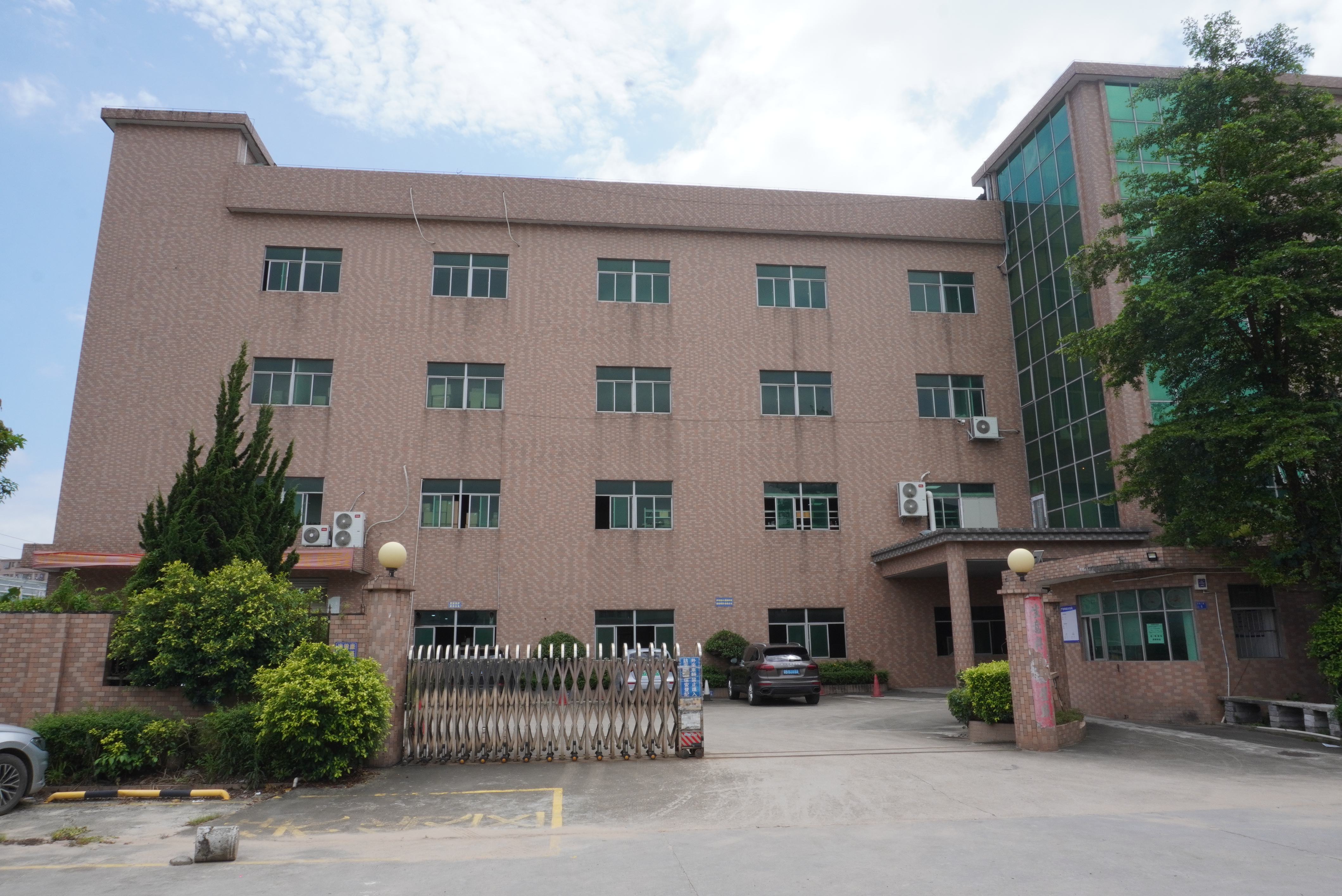
Dongguan Sanlixin Plastic Technology Co.,Ltd
Shenzhen Sanlixin Technology Co., Ltd. and Dongguan Sanlixin Plastic Technology Co., Ltd. is a manufacturer integrating precision plastic mold design, mold opening, single (double) color injection molding, IML injection molding processing, producing various single (double) color, IML process high-end appearance decorative structural parts, two-color buttons, USB dust plugs, panels and other plastic products, providing customers with fast, excellent, Midea all-round service, the company has 15 years of experience in precision plastic mold design, processing and production, with a variety of advanced machine injection molding equipment with excellent quality and fast service to win the trust and strong support of our customers.
Electronics Innovation: Ultra-Thin Molded Parts with Integrated Circuits Shrink Smartwatch Sizes by 20%
Medical Device Breakthrough: Biocompatible Molded Parts Enable Minimally Invasive Surgery Tools’ Mass Production