Medical Device Breakthrough: Biocompatible Molded Parts Enable Minimally Invasive Surgery Tools’ Mass Production
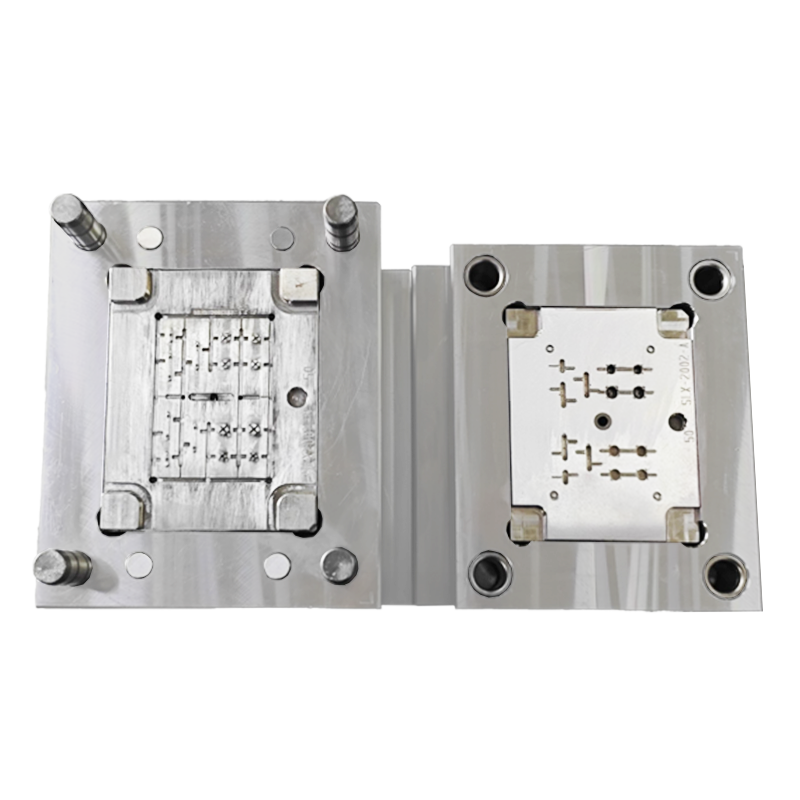
Molded parts can be made from diverse materials—plastics, rubbers, or composites—tailored to meet strength, flexibility, or heat-resistance needs.

Table of Contents
- Introduction: The Growing Demand for MIS Tools and the Mass Production Bottleneck
- Core Advantages of Biocompatible Molded Parts in MIS Tools
2.1 Uncompromised Biocompatibility: Meeting Strict Medical Standards
2.2 High Precision and Consistency: Critical for MIS Tool Functionality
2.3 Cost Efficiency: Driving Mass Production Viability
2.4 Material Versatility: Adapting to Diverse MIS Tool Requirements - Technical Insights into Biocompatible Molded Part Manufacturing
3.1 Key Manufacturing Processes: Injection Molding as the Primary Method
3.2 Material Selection: Balancing Biocompatibility, Durability, and Performance
3.3 Quality Control and Compliance: Ensuring Safety and Reliability - Application Case Studies: MIS Tools Transformed by Biocompatible Molded Parts
4.1 Laparoscopic Instruments: Molded Jaws and Shafts for Enhanced Precision
4.2 Endovascular Catheters: Molded Tips and Lumens for Smooth Navigation
4.3 Arthroscopic Tools: Molded Inserts for Reduced Tissue Trauma - Industry Impact: How Biocompatible Molded Parts Are Reshaping MIS Tool Production
5.1 Shortening Time-to-Market: From Prototype to Mass Production
5.2 Expanding Access to MIS: Lowering Costs for Healthcare Providers
5.3 Driving Innovation: Enabling Complex MIS Tool Designs - Future Trends: The Next Frontier for Biocompatible Molded Parts in MIS
6.1 Integration with Smart Technologies: Molded Parts with Sensing Capabilities
6.2 Biodegradable Molded Parts: Reducing Post-Surgery Waste
6.3 Advanced Molding Techniques: 3D Printing and Hybrid Manufacturing - Conclusion: Biocompatible Molded Parts as the Cornerstone of MIS Advancement
1. Introduction: The Growing Demand for MIS Tools and the Mass Production Bottleneck
- High Costs: CNC machining of small, complex parts (e.g., catheter lumens, laparoscopic jaw mechanisms) requires specialized equipment and skilled labor, driving up per-unit costs.
- Inconsistency: Manual assembly and precision machining of micro-components often lead to variations in part dimensions, which can compromise the safety and functionality of MIS tools (e.g., a misaligned catheter tip may damage blood vessels).
- Slow Production Cycles: Machining and assembling parts one at a time cannot keep pace with the global demand for MIS tools, especially in regions with expanding healthcare infrastructure.
2. Core Advantages of Biocompatible Molded Parts in MIS Tools
2.1 Uncompromised Biocompatibility: Meeting Strict Medical Standards
- ISO 10993: The International Organization for Standardization (ISO) standard that evaluates the biological safety of medical devices, covering tests for cytotoxicity, sensitization, irritation, and hemocompatibility (compatibility with blood).
- USP Class VI: The United States Pharmacopeia (USP) classification for plastics used in medical devices, requiring rigorous testing for acute systemic toxicity, intracutaneous reactivity, and implantation safety.
2.2 High Precision and Consistency: Critical for MIS Tool Functionality
- Mold Design: Molds for MIS components are engineered using computer-aided design (CAD) and computer-aided manufacturing (CAM) tools, with tolerances as tight as ±0.001 inches (25 microns). Once the mold is finalized, every part produced from it is identical in shape, size, and surface finish.
- Reduced Human Error: Unlike manual assembly or CNC machining (which relies on operator skill), molding is an automated process. This eliminates variations caused by human intervention, ensuring that the 100th part is as precise as the first.
- Complex Geometry Capability: Molding can produce parts with intricate features—such as micro-lumens (tiny channels in catheters), undercuts (recessed areas), and thin walls (as thin as 0.005 inches)—that are difficult or impossible to achieve with machining. For example, a molded endoscope component with a integrated light guide and fluid channel can be produced in one step, whereas machining would require multiple steps and increase the risk of misalignment.
2.3 Cost Efficiency: Driving Mass Production Viability
- Material Efficiency: Molding is an “additive” process (it uses only the material needed to fill the mold), reducing waste by up to 70% compared to CNC machining. For expensive medical-grade materials (e.g., PEEK, which can cost $100 per pound), this waste reduction translates to significant cost savings.
- High Production Volume: Injection molding machines can produce hundreds or thousands of parts per hour, depending on the mold size. For example, a single mold for laparoscopic grasper jaws can produce 500 parts per hour—far faster than CNC machining (which might produce 10 parts per hour for the same component).
- Lower Labor Costs: Molding is highly automated, requiring only a few operators to monitor machines and perform quality checks. This reduces labor costs by 30–50% compared to manual assembly or machining.
2.4 Material Versatility: Adapting to Diverse MIS Tool Requirements
- Laparoscopic graspers need high strength and rigidity to manipulate tissue.
- Catheters need flexibility and kink resistance to navigate blood vessels.
- Arthroscopic shavers need wear resistance to cut through bone and cartilage.
- PEEK (Polyether Ether Ketone): A high-performance polymer with strength comparable to metal, excellent biocompatibility, and resistance to high temperatures (ideal for sterilization). PEEK is often used for laparoscopic jaws and arthroscopic tool shafts.
- PTFE (Polytetrafluoroethylene, or Teflon): A low-friction, chemical-resistant material that is biocompatible and non-stick. PTFE is used for catheter lumens to ensure smooth fluid flow and reduce tissue adhesion.
- Silicone: A flexible, elastic material that is soft on tissues and resistant to degradation. Silicone is used for catheter tips, balloon catheters, and laparoscopic sealants.
- Medical-Grade Polypropylene: A lightweight, cost-effective material with good chemical resistance. It is used for MIS tool housings and connectors.
- Bioabsorbable Polymers (e.g., PLA, PGA): Polymers that break down naturally in the body over time. They are used for temporary MIS components, such as sutures or stents, eliminating the need for a second surgery to remove the device.
3. Technical Insights into Biocompatible Molded Part Manufacturing
3.1 Key Manufacturing Processes: Injection Molding as the Primary Method
- Material Preparation: Medical-grade resin (in pellet form) is dried to remove moisture (moisture can cause defects like bubbles or voids in the final part). For hygroscopic materials (e.g., PEEK), this step is critical and often involves vacuum drying at high temperatures (120–150°C) for several hours.
- Melting and Injection: The dried resin is fed into an injection molding machine’s hopper, where it is heated to a molten state (temperatures range from 180°C for polypropylene to 400°C for PEEK). The molten resin is then injected into a precision mold under high pressure (5,000–30,000 psi) to fill every detail of the mold cavity.
- Cooling: The mold is cooled using water or oil to solidify the molten resin. The cooling time is carefully controlled to prevent warping or shrinkage—critical for parts with tight tolerances (e.g., catheter lumens).
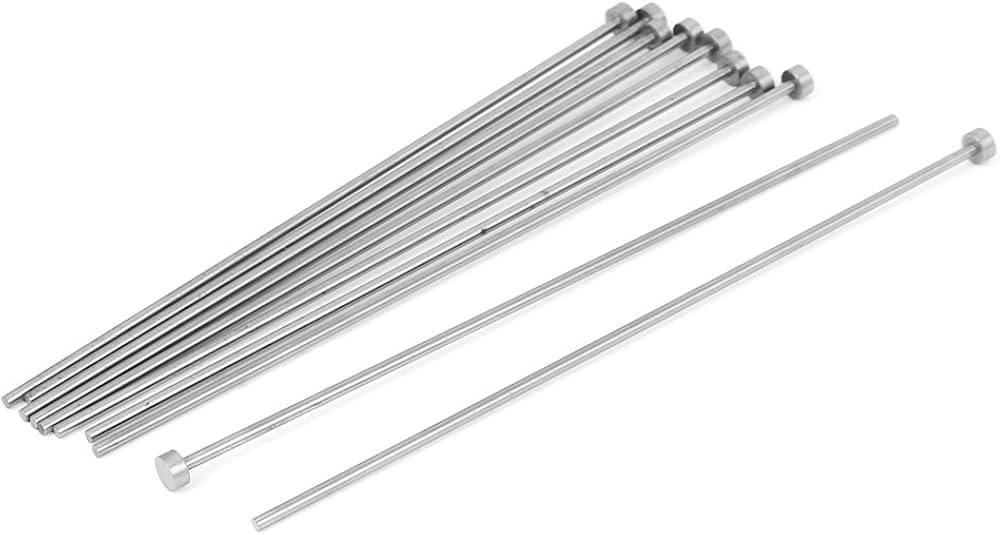
- Ejection: Once the part is solidified, the mold opens, and ejector pins push the part out of the cavity. For delicate parts (e.g., thin-walled catheter tips), robotic arms may be used to avoid damage.
- Trimming and Finishing: Any excess material (e.g., “flash” from the mold’s parting line) is trimmed away. For parts that require a ultra-smooth surface (e.g., catheter tips), additional finishing steps (e.g., polishing or laser ablation) may be performed.
- Sterilization: The finished parts are sterilized using methods compatible with the material, such as ethylene oxide (EtO) gas, gamma radiation, or autoclaving (high heat and pressure). This step ensures that the parts are free of bacteria and ready for integration into MIS tools.
3.2 Material Selection: Balancing Biocompatibility, Durability, and Performance
- Biocompatibility First: No matter how strong or flexible a material is, it cannot be used in MIS tools if it is not biocompatible. Manufacturers work closely with material suppliers to source resins that have already undergone biocompatibility testing and have regulatory approvals. For example, a resin used in a catheter that contacts blood must be tested for hemocompatibility (to ensure it does not cause blood clots or hemolysis).
- Mechanical and Thermal Properties: The material must withstand the conditions of the MIS procedure and sterilization. For example:
- Laparoscopic tools used in high-temperature environments (e.g., during electrosurgery) need materials with high heat resistance (e.g., PEEK, which can withstand temperatures up to 250°C).
- Catheters that are inserted into blood vessels need materials with good flexibility and kink resistance (e.g., silicone or thermoplastic elastomers, TPEs).
- Arthroscopic shavers that cut through bone need materials with high wear resistance (e.g., reinforced PEEK or ceramic-filled polymers).
- Processability: The material must be easy to mold into the required shape. For example, materials with high melt flow rates (e.g., medical-grade polypropylene) are easier to inject into small, complex mold cavities (e.g., micro-lumens in catheters) than materials with low melt flow rates.
3.3 Quality Control and Compliance: Ensuring Safety and Reliability
- In-Process Quality Control (IPQC): This occurs during the molding process to catch defects early. Key IPQC checks include:
- Dimensional Inspection: Using tools like coordinate measuring machines (CMMs) or optical comparators to verify that parts meet the required tolerances. For example, a catheter lumen with a specified diameter of 0.01 inches is measured to ensure it is not too large (which could cause fluid leakage) or too small (which could restrict flow).
- Visual Inspection: Checking for surface defects like bubbles, cracks, or flash. Automated vision systems are often used for this, as they can inspect hundreds of parts per minute with greater accuracy than human operators.
- Material Consistency Checks: Using Fourier-transform infrared (FTIR) spectroscopy to verify that the resin used is the correct medical-grade material (and not a cheaper, non-compliant substitute).
- Post-Production Quality Control (PPQC): This occurs after the parts are molded, trimmed, and sterilized. Key PPQC checks include:
- Biocompatibility Testing: Random samples of parts are tested for cytotoxicity, sensitization, and other biological risks (per ISO 10993). For example, a sample of molded laparoscopic jaws may be implanted in a laboratory animal to check for inflammation.
- Mechanical Testing: Parts are tested for strength, flexibility, and wear resistance. For example, a molded catheter shaft may be bent repeatedly to ensure it does not kink or break.
- Sterility Testing: Samples are tested to ensure that sterilization was effective (e.g., using bacterial culture tests to check for contamination).
- Documentation and Traceability: Regulatory bodies require full traceability of every part—meaning manufacturers must document:
- The batch number of the resin used.
- The date and time of molding.
- The operator and machine used.
- The results of all QC checks.
4. Application Case Studies: MIS Tools Transformed by Biocompatible Molded Parts
4.1 Laparoscopic Instruments: Molded Jaws and Shafts for Enhanced Precision
- Misalignment: Machining the jaws and shaft separately and then assembling them often led to misalignment, causing the jaws to close unevenly. This could result in tissue slippage during surgery, prolonging the procedure.
- High Cost: Machining the complex geometry of the jaws (e.g., serrated edges for gripping tissue) required multiple setups, increasing per-unit costs.
- Integrated Design: Molded jaws and shafts can be produced as a single, integrated part (or with minimal assembly), eliminating misalignment. For example, a molded laparoscopic grasper jaw is designed with the shaft in one piece, ensuring that the jaws close evenly every time.
- Complex Geometry: Molding can produce the serrated edges of the jaws with micron-level precision, ensuring a secure grip on tissue. Unlike machining, which can leave rough edges, molding creates a smooth, consistent surface that reduces tissue trauma.
- Cost Savings: A leading medical device manufacturer, Medtronic, reported that switching to molded jaws for its laparoscopic graspers reduced per-unit costs by 45% and increased production volume by 300%. This allowed Medtronic to expand access to its laparoscopic tools in emerging markets, where cost is a major barrier to adoption.
4.2 Endovascular Catheters: Molded Tips and Lumens for Smooth Navigation
-
Case Study: Boston Scientific’s Synergy™ Stent Delivery Catheter: Boston Scientific, a leading manufacturer of cardiovascular devices, was struggling to mass-produce its Synergy™ catheter, which delivers a bioabsorbable stent to treat coronary artery disease. The catheter required a ultra-smooth tip (to navigate delicate coronary arteries) and a lumen with a precise diameter (to ensure the stent fits snugly during delivery).Using traditional extrusion and grinding, Boston Scientific faced two challenges:
- The grinding process left micro-abrasions on the tip, increasing the risk of vessel damage.
- The lumen diameter varied by up to 5%, leading to stents that were either too loose (risking dislodgment) or too tight (risking damage to the stent).
To solve this, Boston Scientific switched to injection molding for the catheter tip and lumen. The molded tip had a smooth, uniform surface (no micro-abrasions) and the lumen diameter varied by less than 1%—well within the required tolerance. Additionally, the molding process allowed Boston Scientific to produce 500 catheters per day, compared to 100 per day with traditional methods.The result? The Synergy™ catheter received FDA approval in 2019 and has since been used in over 500,000 procedures worldwide. Boston Scientific reports that the use of molded parts reduced production costs by 50% and eliminated 90% of the defects that occurred with traditional manufacturing.
4.3 Arthroscopic Tools: Molded Inserts for Reduced Tissue Trauma
- Tissue Trauma: Metal inserts are rigid and can cause damage to healthy tissue if the surgeon makes a slight mistake.
- Weight: Metal inserts add weight to the tool, making it harder for surgeons to maneuver with precision.
- Reduced Trauma: Molded inserts are more flexible than metal, conforming to the shape of the joint and reducing the risk of damaging healthy tissue. For example, a molded arthroscopic shaver insert with a flexible blade can remove damaged cartilage without scraping the surrounding healthy tissue.
- Lightweight: PEEK is 70% lighter than stainless steel, making the tool easier to handle. In a survey of orthopedic surgeons conducted by Johnson & Johnson (a manufacturer of arthroscopic tools), 85% of surgeons reported that tools with molded inserts were easier to maneuver than those with metal inserts.
- Cost-Effective: Molded inserts are cheaper to produce than machined metal inserts. Johnson & Johnson reported that switching to molded inserts for its arthroscopic punches reduced per-unit costs by 40% and allowed for mass production of replaceable inserts—making the tools more affordable for hospitals.
5. Industry Impact: How Biocompatible Molded Parts Are Reshaping MIS Tool Production
5.1 Shortening Time-to-Market: From Prototype to Mass Production
- Rapid Prototyping: With advanced mold design software (e.g., SolidWorks, AutoCAD), manufacturers can create a mold design in days, not weeks. Additionally, 3D printing (used to create prototype molds) allows for quick iterations—if a prototype part needs modification, the mold can be reprinted in 24–48 hours.
- Faster Production Scaling: Once the prototype is approved, the same mold design can be used to create a production mold. Unlike machining, which requires reconfiguring equipment for mass production, molding machines can start producing parts within days of receiving the production mold.
5.2 Expanding Access to MIS: Lowering Costs for Healthcare Providers
- Lower Per-Unit Costs: As discussed earlier, molded parts reduce per-unit costs by 40–60% compared to traditional manufacturing. This translates to lower overall tool costs—for example, a set of laparoscopic instruments with molded parts costs approximately $500, compared to $1,200 for a set with machined parts.
- Disposable vs. Reusable Tools: Molded parts are cheap enough to enable the production of disposable MIS tools. Reusable tools require expensive sterilization and maintenance (e.g., a reusable laparoscopic grasper may cost $1,000 and need to be sterilized 50 times, adding $500 in sterilization costs). Disposable tools with molded parts, by contrast, cost $20–$50 per use and eliminate the need for sterilization.
5.3 Driving Innovation: Enabling Complex MIS Tool Designs
- Integrated Laparoscopic Tool with Built-In Suction: A leading manufacturer has developed a laparoscopic grasper with a built-in suction channel—all molded as a single part. The suction channel allows the surgeon to remove fluid or debris from the abdominal cavity without switching to a separate suction tool. This reduces surgery time by 10–15% and lowers the risk of infection (since fewer tools are inserted into the body).
- Smart Catheter with Molded Sensors: Researchers at Stanford University have developed a “smart” endovascular catheter with molded sensors. The sensors—made from a conductive polymer molded into the catheter tip—can measure blood pressure and temperature in real time, providing surgeons with critical data during the procedure. Traditional manufacturing would require attaching separate sensors to the catheter (which is prone to detachment), but molding integrates the sensors into the tip, making the catheter more reliable.
6. Future Trends: The Next Frontier for Biocompatible Molded Parts in MIS
6.1 Integration with Smart Technologies: Molded Parts with Sensing Capabilities
- Molded Pressure Sensors in Catheters: Researchers are developing molded pressure sensors using conductive polymers (e.g., polyaniline) that can be embedded into catheter tips. These sensors will measure the pressure inside blood vessels or organs, alerting surgeons to potential complications (e.g., a blood clot blocking blood flow) in real time.
- Molded Temperature Sensors in Laparoscopic Tools: Laparoscopic tools with molded temperature sensors will monitor the temperature of tissue during electrosurgery (a procedure that uses electricity to cut or coagulate tissue). If the temperature gets too high (which can cause tissue damage), the sensor will send an alert to the surgeon.
6.2 Biodegradable Molded Parts: Reducing Post-Surgery Waste
- Biodegradable Laparoscopic Sutures: Molded sutures made from PGA are already used in MIS procedures. These sutures dissolve in the body over 6–8 weeks, eliminating the need for a second surgery to remove them.
- Biodegradable Catheters: Researchers are developing molded catheters made from PLA that can be used for temporary procedures (e.g., draining fluid from the abdomen). After the procedure, the catheter dissolves, eliminating the need to remove it and reducing waste.
6.3 Advanced Molding Techniques: 3D Printing and Hybrid Manufacturing
- 3D Printing for Customized MIS Tools: 3D printing allows for the production of customized molded parts tailored to individual patients. For example, a surgeon could use a patient’s CT scan to design a customized laparoscopic grasper with a molded jaw that fits the patient’s unique anatomy. This level of customization is impossible with traditional injection molding, which requires a mold (and thus is only cost-effective for mass production).
- Hybrid Manufacturing for Complex Parts: Hybrid manufacturing combines the precision of injection molding with the flexibility of 3D printing. For example, a complex MIS tool could have a molded shaft (produced via injection molding for mass production) and a 3D-printed tip (customized for a specific procedure). This allows manufacturers to balance cost efficiency (for high-volume components) and customization (for low-volume, patient-specific components).
7. Conclusion: Biocompatible Molded Parts as the Cornerstone of MIS Advancement
- For Patients: Molded parts have improved surgery outcomes (reduced trauma, faster recovery) and expanded access to MIS procedures in low-resource regions.
- For Surgeons: Molded parts have provided tools with greater precision, flexibility, and reliability—making MIS procedures easier and safer to perform.
- For Manufacturers: Molded parts have shortened time-to-market, reduced costs, and enabled innovative tool designs—driving growth in the $188 billion MIS device market.

Dongguan Sanlixin Plastic Technology Co.,Ltd
Shenzhen Sanlixin Technology Co., Ltd. and Dongguan Sanlixin Plastic Technology Co., Ltd. is a manufacturer integrating precision plastic mold design, mold opening, single (double) color injection molding, IML injection molding processing, producing various single (double) color, IML process high-end appearance decorative structural parts, two-color buttons, USB dust plugs, panels and other plastic products, providing customers with fast, excellent, Midea all-round service, the company has 15 years of experience in precision plastic mold design, processing and production, with a variety of advanced machine injection molding equipment with excellent quality and fast service to win the trust and strong support of our customers.
Sustainability Win: Recycled Plastic Molded Parts Now Meet Aerospace Standards, Slashing Industrial Waste
Automotive Industry Leap: High-Strength Molded Parts Cut Vehicle Weight by 15%, Boosting Fuel Efficiency