Everything You Need to Know About Polyoxymethylene (POM)
Everything You Need to Know About Polyoxymethylene (POM)
Introduction to Polyoxymethylene (POM)
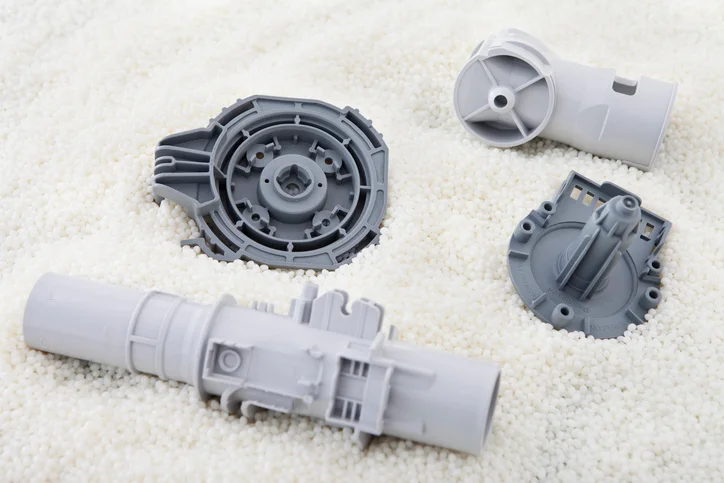
Polyoxymethylene (POM), commonly known as acetal or Delrin (a brand name), is a high-performance engineering thermoplastic. It is widely used in various industries due to its excellent mechanical properties, dimensional stability, and resistance to wear and chemicals. This article provides a comprehensive overview of POM, including its properties, applications, advantages, and disadvantages.
Properties of Polyoxymethylene (POM)
POM is known for its unique combination of properties, making it suitable for a wide range of applications. Below are the key properties of POM:
1. High Mechanical Strength
POM exhibits high tensile strength, stiffness, and toughness, making it ideal for load-bearing applications.
2. Excellent Dimensional Stability
POM has low moisture absorption and excellent dimensional stability, ensuring consistent performance in various environments.
3. Low Friction and High Wear Resistance
POM has a low coefficient of friction and high wear resistance, making it suitable for moving parts and sliding applications.
4. Chemical Resistance
POM is resistant to many chemicals, including solvents, fuels, and oils, making it suitable for use in harsh environments.
5. Good Electrical Insulation
POM has good electrical insulation properties, making it suitable for electrical and electronic applications.
6. Thermal Stability
POM can withstand continuous use at temperatures up to 90°C (194°F) and short-term exposure to higher temperatures.
Applications of Polyoxymethylene (POM)
POM is used in a wide range of industries due to its excellent properties. Below are some common applications:
1. Automotive Industry
- Fuel System Components: Fuel pumps, fuel caps, and fuel level sensors.
- Interior and Exterior Trims: Door handles, window regulators, and seat belt components.
- Gears and Bearings: Precision gears, bushings, and bearings.
2. Consumer Goods
- Household Appliances: Zippers, buttons, and handles.
- Toys and Sporting Goods: Mechanical parts in toys, ski bindings, and fishing reels.
- Kitchen Utensils: Knife handles, cutting boards, and food containers.
3. Industrial Applications
- Gears and Sprockets: Precision gears, sprockets, and conveyor components.
- Pump and Valve Components: Impellers, seals, and valve seats.
- Bearings and Bushings: Low-friction bearings and bushings for machinery.
4. Electrical and Electronics
- Connectors and Insulators: Electrical connectors, insulators, and housings.
- Switches and Relays: Components in switches, relays, and circuit breakers.
- Sensor Housings: Durable housings for sensors and electronic devices.
Advantages of Polyoxymethylene (POM)
POM offers numerous advantages that make it a preferred choice for various applications:
1. High Strength and Stiffness
POM provides excellent mechanical strength and stiffness, making it suitable for load-bearing applications.
2. Low Friction and Wear Resistance
POM's low friction and high wear resistance make it ideal for moving parts and sliding applications.
3. Chemical Resistance
POM's resistance to chemicals, solvents, and fuels ensures durability in harsh environments.
4. Dimensional Stability
POM's low moisture absorption and excellent dimensional stability ensure consistent performance.
5. Ease of Machining
POM is easy to machine, allowing for precise and complex part designs.
Disadvantages of Polyoxymethylene (POM)
Despite its many advantages, POM also has some limitations:
1. Limited High-Temperature Performance
POM has a relatively low continuous use temperature compared to other engineering plastics.
2. Poor UV Resistance
POM is susceptible to degradation when exposed to UV light, requiring stabilization for outdoor use.
3. Flammability
POM is flammable and can release toxic fumes when burned, requiring careful handling and safety measures.
4. Not Suitable for Strong Acids and Bases
POM is not resistant to strong acids and bases, limiting its use in certain chemical environments.
Conclusion
Polyoxymethylene (POM) is a versatile and high-performance engineering thermoplastic with a wide range of applications across various industries. Its excellent mechanical properties, dimensional stability, and resistance to wear and chemicals make it a preferred choice for many applications. However, its limitations, such as limited high-temperature performance and poor UV resistance, must be considered when selecting materials for specific uses. By understanding the properties, applications, advantages, and disadvantages of POM, manufacturers can make informed decisions and leverage its benefits to create high-quality, durable products.
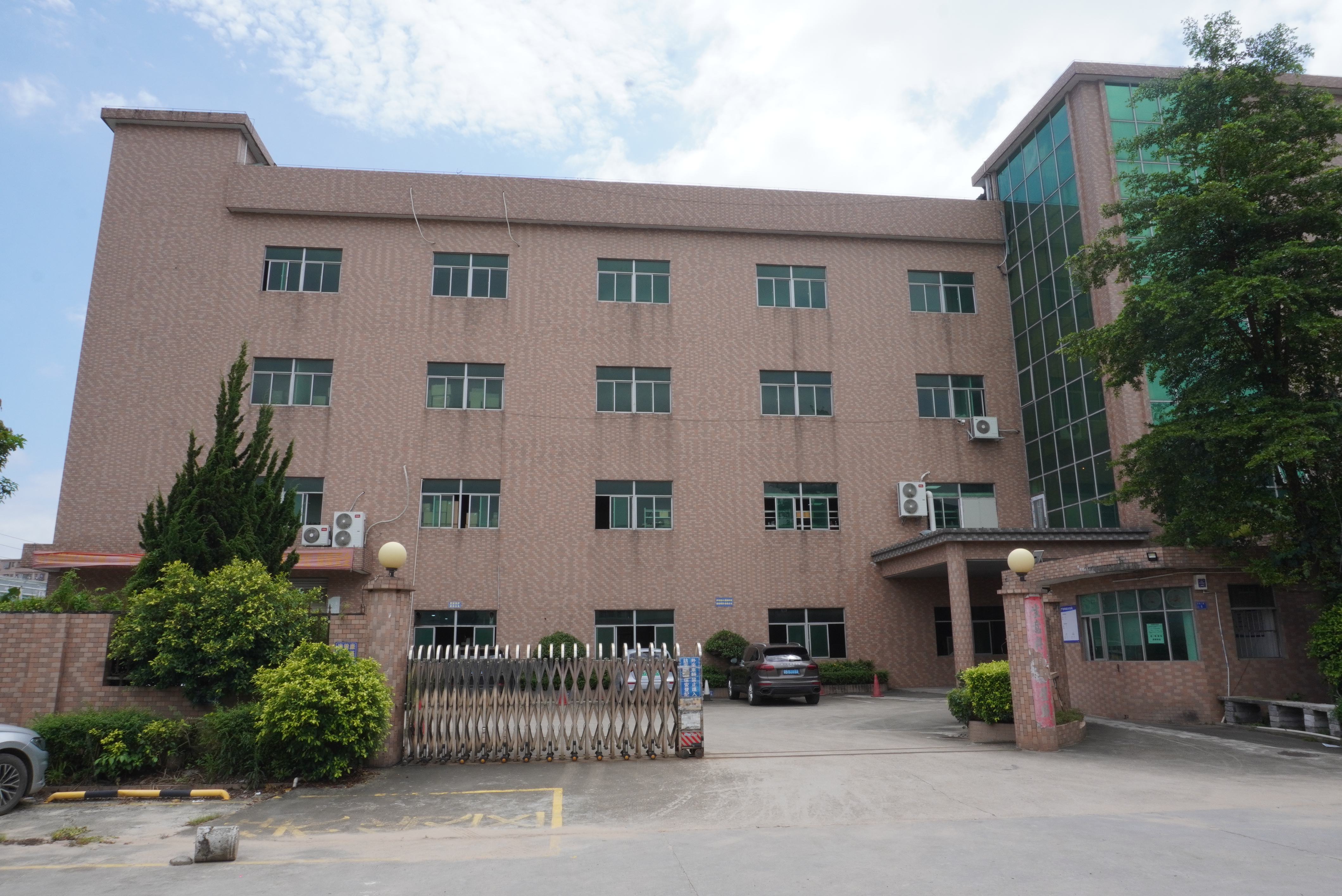
Dongguan Sanlixin Plastic Technology Co.,Ltd
Shenzhen Sanlixin Technology Co., Ltd. and Dongguan Sanlixin Plastic Technology Co., Ltd. is a manufacturer integrating precision plastic mold design, mold opening, single (double) color injection molding, IML injection molding processing, producing various single (double) color, IML process high-end appearance decorative structural parts, two-color buttons, USB dust plugs, panels and other plastic products, providing customers with fast, excellent, Midea all-round service, the company has 15 years of experience in precision plastic mold design, processing and production, with a variety of advanced machine injection molding equipment with excellent quality and fast service to win the trust and strong support of our customers.
A Guide to Short Run Plastic Injection Molding
How to Properly Setup an Injection Molding Machine