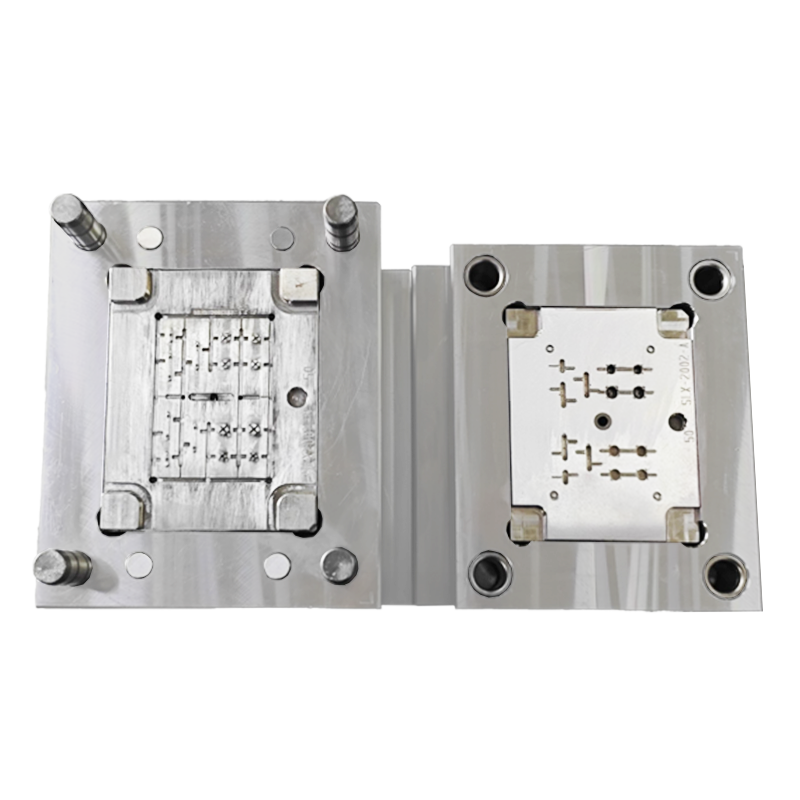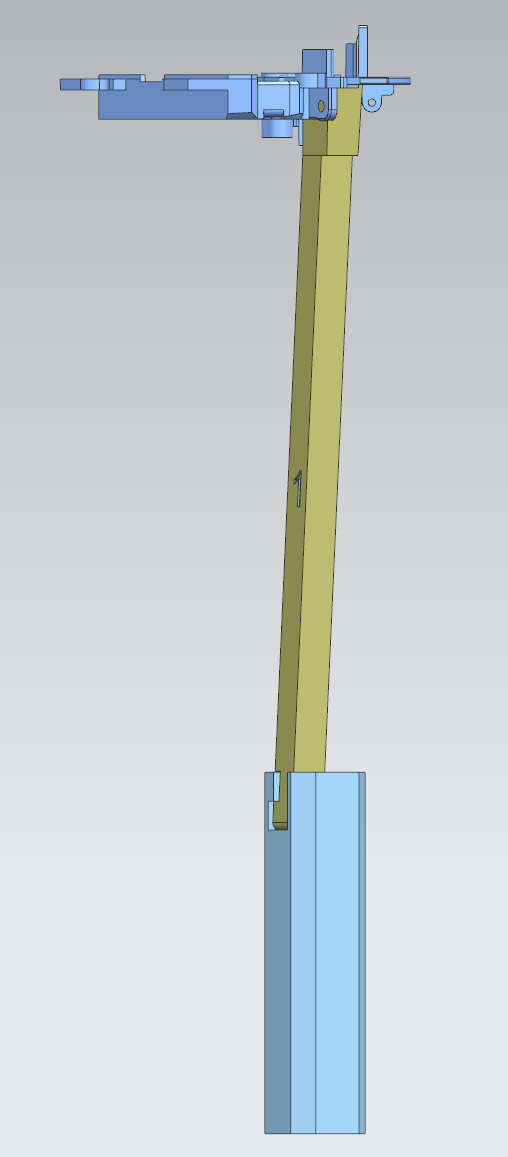
Focus on Mold Maintenance: Extend Equipment Lifespan and Reduce Enterprise Costs
Mold maintenance involves regular cleaning, lubrication, and inspection to prevent wear, rust, and damage. It ensures consistent part quality, extends mold life, and reduces production downtime.

Table of Contents
1. Introduction
2. What is Plastic Mold Maintenance?
3. Key Components of Effective Plastic Mold Maintenance
3.1 Daily Maintenance Tasks
- Cleaning: Remove plastic residue, dust, and debris from cavities, cores, and vents using non-abrasive tools (e.g., soft brushes, compressed air). Residue buildup can cause uneven cooling or surface defects in products.
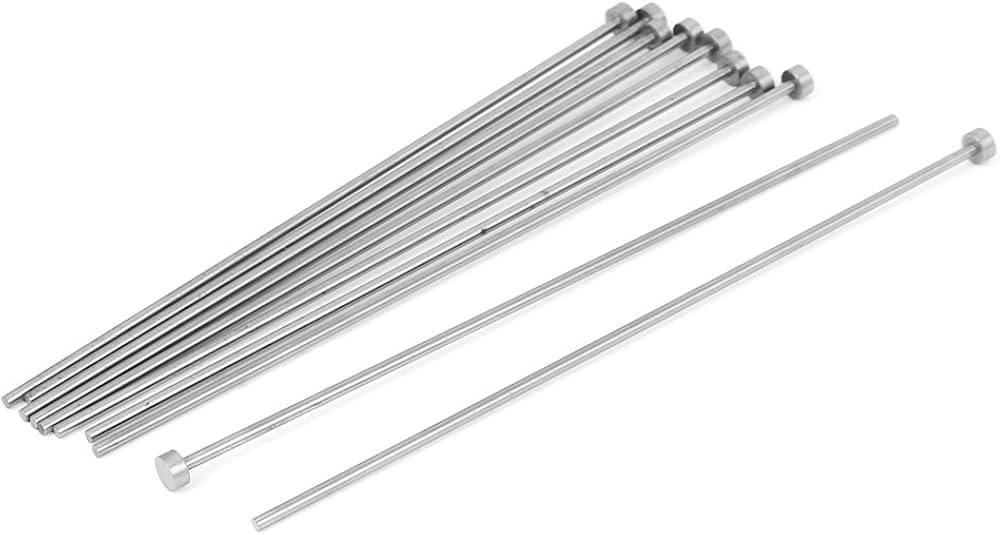
- Lubrication: Apply food-grade or mold-specific lubricants to moving parts (ejector pins, guide pillars) to reduce friction and prevent seizing. Over-lubrication should be avoided as it can attract dirt.
- Visual Inspection: Check for cracks, corrosion, or misalignment in critical areas. Ensure cooling channels are free of blockages to maintain proper temperature control.
3.2 Periodic Maintenance Procedures
- Component Check: Inspect for signs of wear in high-stress parts (e.g., ejector pins, sprue bushings). Replace worn components before they fail.
- Cooling System Flush: Clean cooling channels with specialized solutions to remove mineral deposits or algae, which hinder heat dissipation and increase cycle times.
- Precision Calibration: Verify mold alignment and dimensional accuracy using measurement tools (e.g., micrometers, coordinate measuring machines). Misalignment can cause uneven pressure distribution and product defects.
3.3 Deep Maintenance Interventions
- Disassembly and Inspection: Take apart the mold to inspect internal components (e.g., cavities, cores) for micro-cracks or erosion.
- Repair and Refinishing: Repair damaged surfaces using welding or polishing. Refinish cavities to restore their original texture and precision.
- Seal Replacement: Replace worn seals and gaskets to prevent leaks in cooling or hydraulic systems.
4. Why Plastic Mold Maintenance Matters for Enterprises
4.1 Extending Mold Lifespan
4.2 Reducing Operational Costs
- Lower repair costs: Fixing minor issues (e.g., a clogged cooling channel) is far cheaper than replacing a cracked cavity or seized ejector system.
- Reduced scrap rates: Well-maintained molds produce consistent, high-quality parts, lowering the number of defective products that need to be discarded.
4.3 Ensuring Product Quality Consistency
4.4 Minimizing Production Downtime
5. Common Misconceptions About Plastic Mold Maintenance
- “Maintenance is too time-consuming”: The time spent on maintenance is negligible compared to the hours lost to unplanned downtime.
- “New molds don’t need maintenance”: Even new molds require regular cleaning and lubrication to prevent early wear.
- “Any lubricant works”: Using the wrong lubricant (e.g., petroleum-based products on food-grade molds) can contaminate parts or damage the mold. Always use mold-specific lubricants.
6. Conclusion
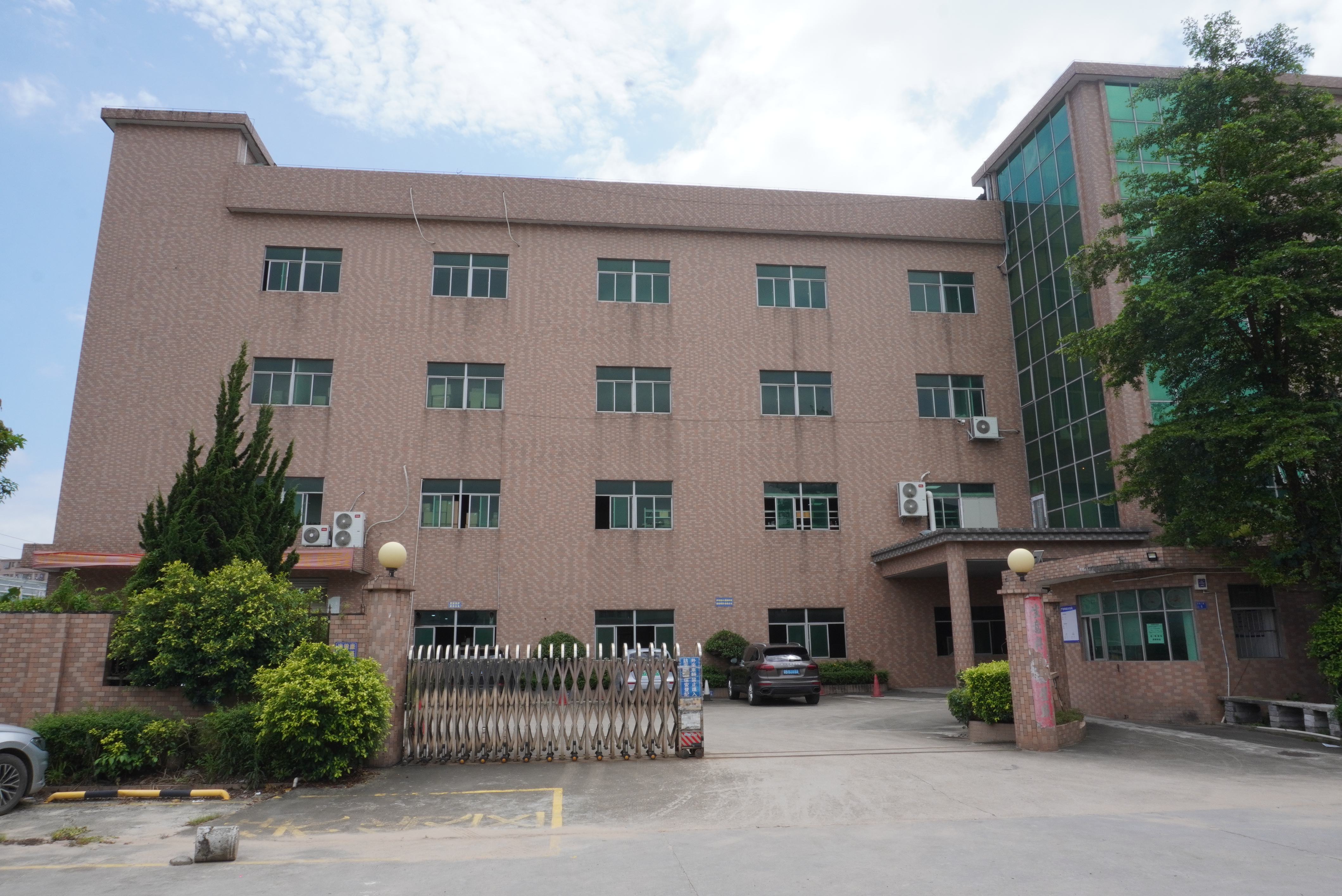
Dongguan Sanlixin Plastic Technology Co.,Ltd
Shenzhen Sanlixin Technology Co., Ltd. and Dongguan Sanlixin Plastic Technology Co., Ltd. is a manufacturer integrating precision plastic mold design, mold opening, single (double) color injection molding, IML injection molding processing, producing various single (double) color, IML process high-end appearance decorative structural parts, two-color buttons, USB dust plugs, panels and other plastic products, providing customers with fast, excellent, Midea all-round service, the company has 15 years of experience in precision plastic mold design, processing and production, with a variety of advanced machine injection molding equipment with excellent quality and fast service to win the trust and strong support of our customers.
From mold flow analysis to structural optimization, how does Mold Design determine the competitiveness of your products? Decipher the mass production logic behind mold design.
Choose custom injection molding? Dongguan Sanlixin Plastic Technology offers one-stop delivery from mold to finished product.