What is Ultrasonic Welding?
What is Ultrasonic Welding?
An Overview of Ultrasonic Welding Technology
Ultrasonic welding is a widely used industrial technique for joining thermoplastic materials and some metals. This process utilizes high-frequency ultrasonic acoustic vibrations to create a solid-state weld, meaning it does not require adhesives, screws, or other fasteners. Ultrasonic welding is known for its speed, efficiency, and ability to produce strong, clean, and precise bonds. It is commonly used in industries such as automotive, electronics, medical devices, and packaging.
How Ultrasonic Welding Works
Ultrasonic welding involves the following steps:
- Preparation: The two parts to be joined are placed together in a specific configuration, typically between a horn (sonotrode) and an anvil.
- Application of Pressure: The parts are clamped together under pressure to ensure close contact.
- Ultrasonic Vibration: High-frequency vibrations (typically 20 kHz to 70 kHz) are applied through the horn. These vibrations generate friction and heat at the interface of the materials, causing them to melt and fuse.
- Cooling and Solidification: Once the vibrations stop, the materials cool and solidify, forming a strong bond.
The entire process is completed in a matter of seconds, making it highly efficient for high-volume production.
Key Components of an Ultrasonic Welding System
An ultrasonic welding system consists of the following components:
- Generator: Converts electrical energy into high-frequency acoustic energy.
- Transducer: Converts the acoustic energy into mechanical vibrations.
- Booster: Adjusts the amplitude of the vibrations to the required level.
- Horn (Sonotrode): Transmits the vibrations to the workpiece and applies pressure.
- Anvil: Supports the workpiece and provides a stable surface for welding.
Advantages of Ultrasonic Welding
Ultrasonic welding offers several benefits, making it a preferred choice for many applications:
- Speed: The process is extremely fast, often taking less than a second to complete.
- Clean and Precise: No adhesives, solvents, or external heat sources are required, resulting in a clean and precise bond.
- Strong Bonds: The welds are strong and durable, often as strong as the base material.
- Energy Efficiency: Ultrasonic welding consumes less energy compared to other welding methods.
- Versatility: It can be used to weld a wide range of thermoplastic materials and some metals.
- Automation-Friendly: The process is easily integrated into automated production lines.
Applications of Ultrasonic Welding
Ultrasonic welding is used in various industries for different applications, including:
- Automotive: Welding interior components, sensors, and fluid reservoirs.
- Electronics: Joining wire harnesses, connectors, and circuit boards.
- Medical Devices: Assembling filters, catheters, and other disposable medical products.
- Packaging: Sealing blister packs, tubes, and containers.
- Consumer Goods: Manufacturing toys, appliances, and textiles.
Limitations of Ultrasonic Welding
While ultrasonic welding offers many advantages, it also has some limitations:
- Material Restrictions: Not all materials are suitable for ultrasonic welding. It works best with thermoplastics and some soft metals.
- Part Design: The parts must be designed specifically for ultrasonic welding, with considerations for joint design and material compatibility.
- Size Limitations: Ultrasonic welding is typically used for small to medium-sized parts. Large parts may require specialized equipment.
Conclusion
Ultrasonic welding is a highly efficient and versatile joining technique that offers numerous benefits, including speed, precision, and strong bonds. Its applications span across various industries, making it a valuable tool for modern manufacturing. By understanding the principles, advantages, and limitations of ultrasonic welding, manufacturers can determine whether it is the right solution for their specific needs and leverage its capabilities to enhance product quality and production efficiency.
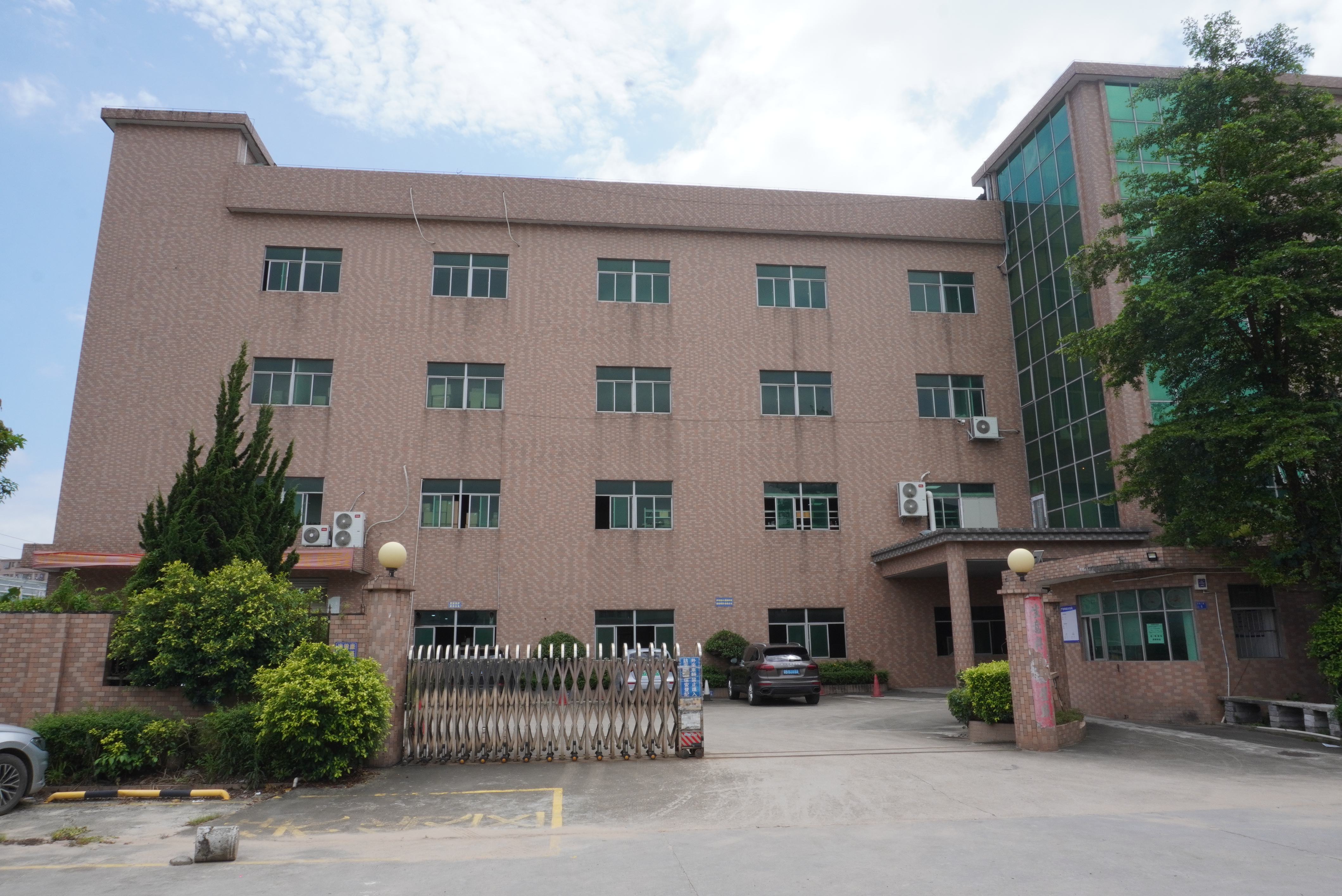
Dongguan Sanlixin Plastic Technology Co.,Ltd
Shenzhen Sanlixin Technology Co., Ltd. and Dongguan Sanlixin Plastic Technology Co., Ltd. is a manufacturer integrating precision plastic mold design, mold opening, single (double) color injection molding, IML injection molding processing, producing various single (double) color, IML process high-end appearance decorative structural parts, two-color buttons, USB dust plugs, panels and other plastic products, providing customers with fast, excellent, Midea all-round service, the company has 15 years of experience in precision plastic mold design, processing and production, with a variety of advanced machine injection molding equipment with excellent quality and fast service to win the trust and strong support of our customers.
What is Heat Welding?
Why Automation is Trending in the Injection Molding Industry