Mold Bases 101: Design, Function, and Impact on Quality
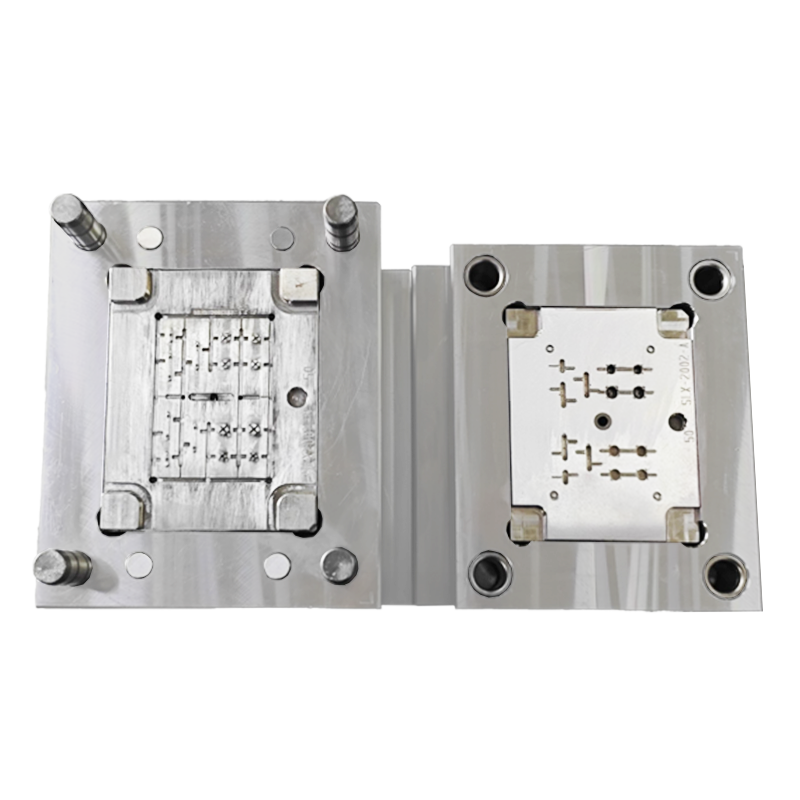
Mold base, the foundational framework of a mold, supports and positions components for precise opening/closing and stable molding, enhancing efficiency and product quality.

Table of Contents
What is a Mold Base?
Key Design Elements of Mold Bases
1. Material Selection
- Carbon Steel: Offers good strength and affordability but requires surface treatment to prevent corrosion.
- Alloy Steel: Provides higher hardness and wear resistance, ideal for high-volume production.
- Pre-Hardened Steel: Reduces heat treatment time, balancing cost and performance.
2. Structural Components
- Stationary Platen: Holds the cavity plate and connects to the injection unit.
- Moving Platen: Supports the core plate and links to the ejection system.
- Guide Pillars and Bushes: Ensure accurate alignment between stationary and moving platens to avoid misfit defects.
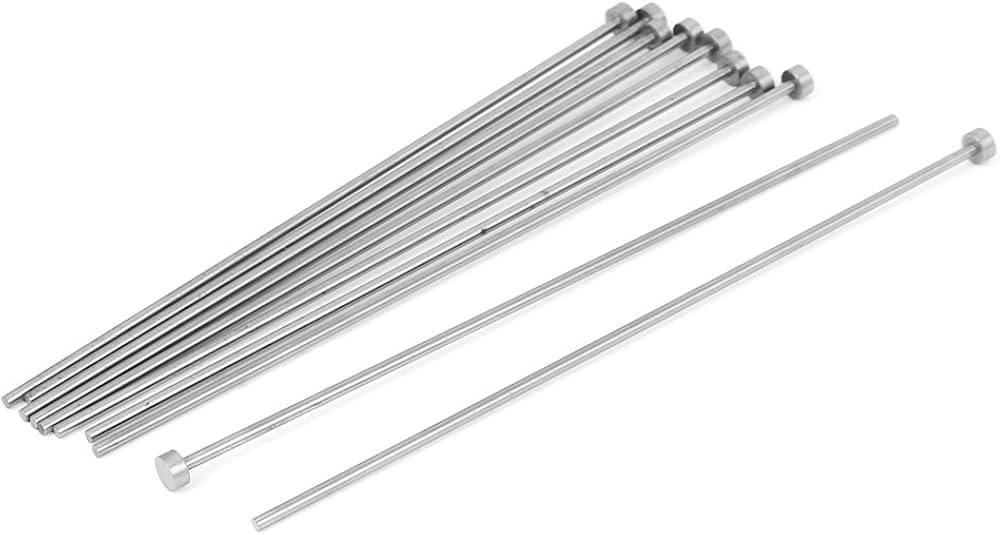
- Ejection Mechanism: Comprising ejector pins, rails, and plates, it removes molded parts efficiently.
3. Cooling System Design
Core Functions of a Mold Base
- Mechanical Support: Provides a rigid structure to withstand high clamping forces (often 100-500 tons in industrial molds).
- Component Alignment: Ensures precise positioning of core and cavity to achieve tight dimensional tolerances (typically ±0.05mm).
- Ejection Control: Facilitates smooth part removal, reducing cycle times and ejection-related defects like scratches or deformations.
- Heat Management: Works with the cooling system to maintain optimal mold temperature, critical for surface finish and material properties.
How Mold Bases Impact Product Quality
- Mismatch Defects: Caused by misaligned platens, resulting in flash or burrs on part edges.
- Warpage: Uneven cooling due to inadequate channel placement, affecting part geometry.
- Short Lifespan: Inadequate material hardness leading to wear and tear, causing dimensional variations over time."The mold base is the unsung hero of precision molding," says Dr. Sarah Chen, a senior engineer at Global Mold Solutions. "Even a 1% misalignment in the guide system can degrade part quality exponentially over 10,000 cycles."
Common Mold Base Parameters and Specifications
|
Parameter
|
Description
|
Common Options
|
Typical Application
|
|
Size
|
Length x Width x Height
|
300x300mm to 1200x1500mm
|
Small to large industrial molds
|
|
Material Hardness
|
Rockwell Hardness (HRC)
|
28-50 HRC
|
Low-volume (28-35 HRC) vs. high-volume (40-50 HRC)
|
|
Guide System
|
Pillar diameter and bush type
|
Ø20mm-Ø80mm, ball-bearing vs. plain bushes
|
High-speed (ball-bearing) vs. heavy-duty (plain bushes)
|
|
Lubrication
|
Self-lubricating vs. manual
|
Graphite-impregnated bushes or grease nipples
|
Maintenance-intensive (manual) vs. low-maintenance (self-lubricating)
|
|
Surface Treatment
|
Anti-corrosion coating
|
Chrome plating, nickel-phosphorus
|
Moist environments or abrasive materials
|
Standard vs. Custom Mold Bases: Pros and Cons
Standard Mold Bases
- Shorter lead times (1-2 weeks vs. 4-8 weeks for custom)
- Lower initial cost (20-30% cheaper than custom designs)
- Easy replacement of standardized components
- Limited design flexibility for complex geometries
- May require retrofitting for specific cooling or ejection needs
- Higher long-term maintenance costs for mismatched applications
Custom Mold Bases
- Optimized for unique part designs and production requirements
- Integrated features like advanced cooling or modular ejection systems
- Longer service life for specialized processes (e.g., insert molding)
- Higher upfront investment (50-100% more expensive than standard)
- Longer development time due to engineering customization
- Limited interchangeability with off-the-shelf components
Expert Insights on Mold Base Optimization
FAQ: Everything You Need to Know About Mold Bases
Q1: How do I choose the right material for my mold base?
Q2: What's the typical maintenance schedule for a mold base?
Q3: Should I use a standard or custom mold base for my project?
Q4: How much does a mold base affect the total mold cost?
Q5: Can a mold base be modified after production?
Conclusion
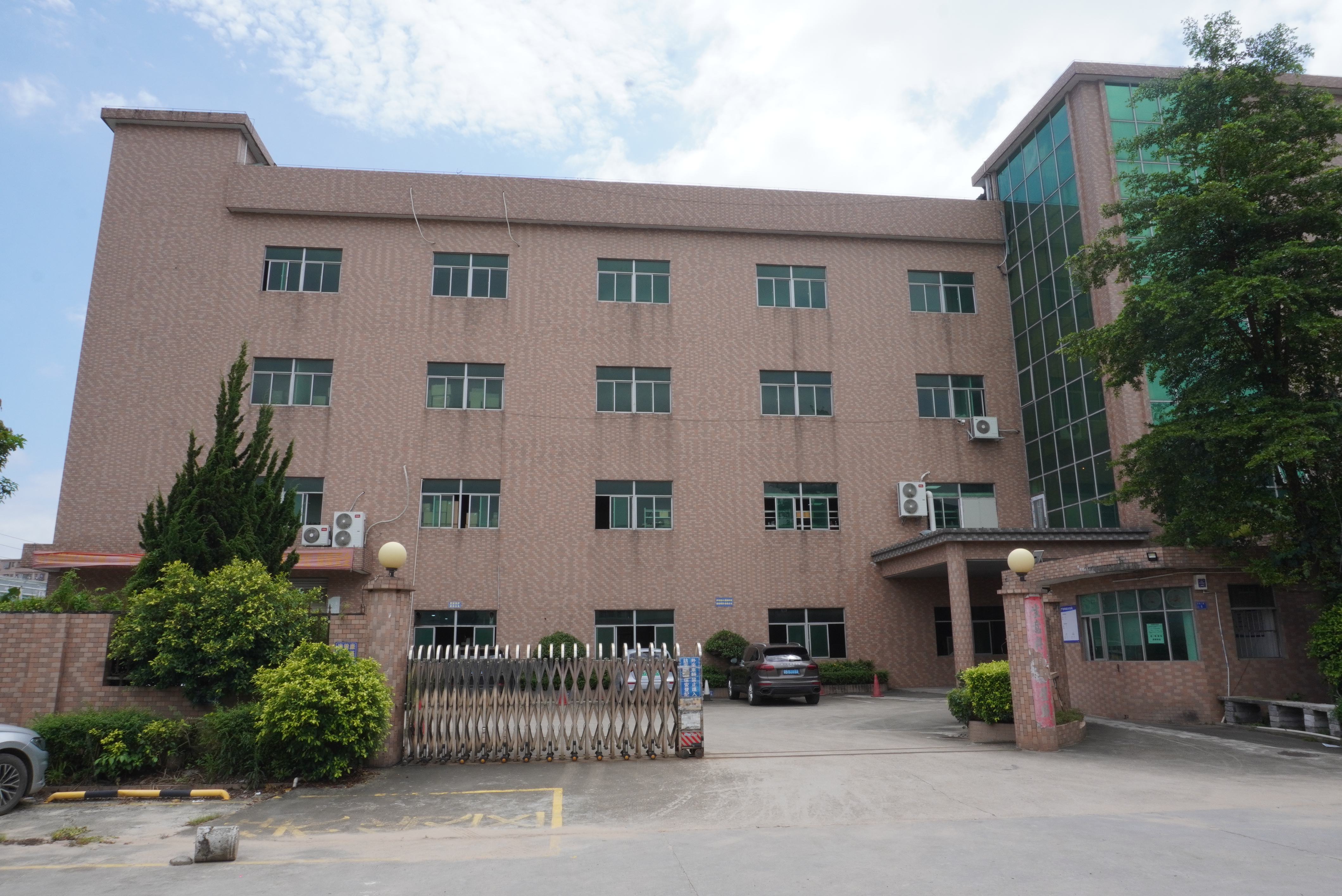
Dongguan Sanlixin Plastic Technology Co.,Ltd
Shenzhen Sanlixin Technology Co., Ltd. and Dongguan Sanlixin Plastic Technology Co., Ltd. is a manufacturer integrating precision plastic mold design, mold opening, single (double) color injection molding, IML injection molding processing, producing various single (double) color, IML process high-end appearance decorative structural parts, two-color buttons, USB dust plugs, panels and other plastic products, providing customers with fast, excellent, Midea all-round service, the company has 15 years of experience in precision plastic mold design, processing and production, with a variety of advanced machine injection molding equipment with excellent quality and fast service to win the trust and strong support of our customers.
Don't miss out! Unlock the secrets of the component parts of plastic molds in this article.
From cold-stamping dies to die-casting dies: Mold steel, the "unsung hero" in the manufacturing of industrial parts.