What is the Closed-Loop System of an Injection Molding Machine?
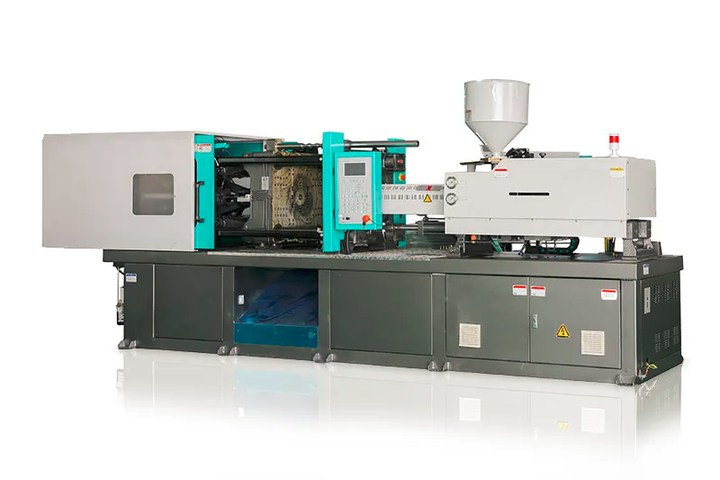
Injection molding is a highly precise manufacturing process used to produce plastic parts with consistent quality. One of the key technologies that enhance the precision and efficiency of injection molding machines is the closed-loop control system. This article explores the concept of a closed-loop system in injection molding machines, its components, benefits, and applications.
1. Understanding Closed-Loop Control Systems
Definition
A closed-loop control system, also known as a feedback control system, continuously monitors and adjusts the machine's operations based on real-time feedback. This ensures that the process remains within the desired parameters, leading to consistent and high-quality output.
Basic Components
The primary components of a closed-loop control system include sensors, controllers, and actuators. Sensors measure various parameters such as temperature, pressure, and position. Controllers process this data and send commands to actuators to make necessary adjustments.
2. Key Parameters Monitored in Injection Molding
Temperature
Temperature control is crucial for maintaining the quality of the molded parts. Sensors monitor the temperature of the molten plastic, mold, and cooling system, ensuring they remain within the specified range.
Pressure
Pressure sensors measure the injection pressure, holding pressure, and back pressure. Accurate pressure control is essential for filling the mold completely and avoiding defects like warping or sink marks.
Position and Speed
Position and speed sensors monitor the movement of the screw and mold. Precise control of these parameters ensures consistent filling and cooling of the mold.
3. How the Closed-Loop System Works
Data Collection
Sensors continuously collect data on various parameters such as temperature, pressure, and position. This data is transmitted to the controller in real-time.
Data Processing
The controller processes the data and compares it to the predefined setpoints. If any deviations are detected, the controller calculates the necessary adjustments.
Adjustment Execution
Based on the controller's commands, actuators make the necessary adjustments to the machine's operations. This could involve changing the temperature, adjusting the pressure, or modifying the speed and position of the screw and mold.
4. Benefits of Closed-Loop Control Systems
Improved Precision
Closed-loop systems provide precise control over the injection molding process, ensuring consistent quality and reducing the likelihood of defects.
Enhanced Efficiency
By continuously monitoring and adjusting the process, closed-loop systems optimize the use of materials and energy, leading to increased efficiency and reduced waste.
Reduced Downtime
Real-time monitoring and adjustments help in identifying and resolving issues before they lead to machine downtime, ensuring continuous production.
Better Product Consistency
Closed-loop control systems ensure that each cycle of the injection molding process is identical, leading to consistent product quality and reducing the need for post-production inspections.
5. Applications of Closed-Loop Systems in Injection Molding
High-Precision Components
Closed-loop systems are essential for manufacturing high-precision components used in industries such as automotive, aerospace, and medical devices, where even minor deviations can lead to significant issues.
Complex Geometries
For parts with complex geometries, closed-loop systems ensure that the mold is filled uniformly and that the cooling process is controlled precisely to avoid defects.
High-Volume Production
In high-volume production environments, closed-loop systems help maintain consistent quality and efficiency, reducing the risk of defects and ensuring that production targets are met.
6. Challenges and Considerations
Initial Investment
Implementing a closed-loop control system requires an initial investment in sensors, controllers, and actuators. However, the long-term benefits often outweigh the initial costs.
System Complexity
Closed-loop systems add complexity to the injection molding process, requiring skilled personnel for setup, maintenance, and troubleshooting.
Integration with Existing Systems
Integrating a closed-loop system with existing injection molding machines and control systems can be challenging and may require customization.
Conclusion
The closed-loop control system is a critical technology in modern injection molding machines, offering precise control, enhanced efficiency, and consistent product quality. By continuously monitoring and adjusting key parameters, closed-loop systems ensure that the injection molding process remains within the desired specifications, reducing defects and optimizing production. While there are challenges associated with implementing these systems, the benefits they provide make them an invaluable tool for manufacturers aiming to achieve high-quality, efficient, and reliable production processes.
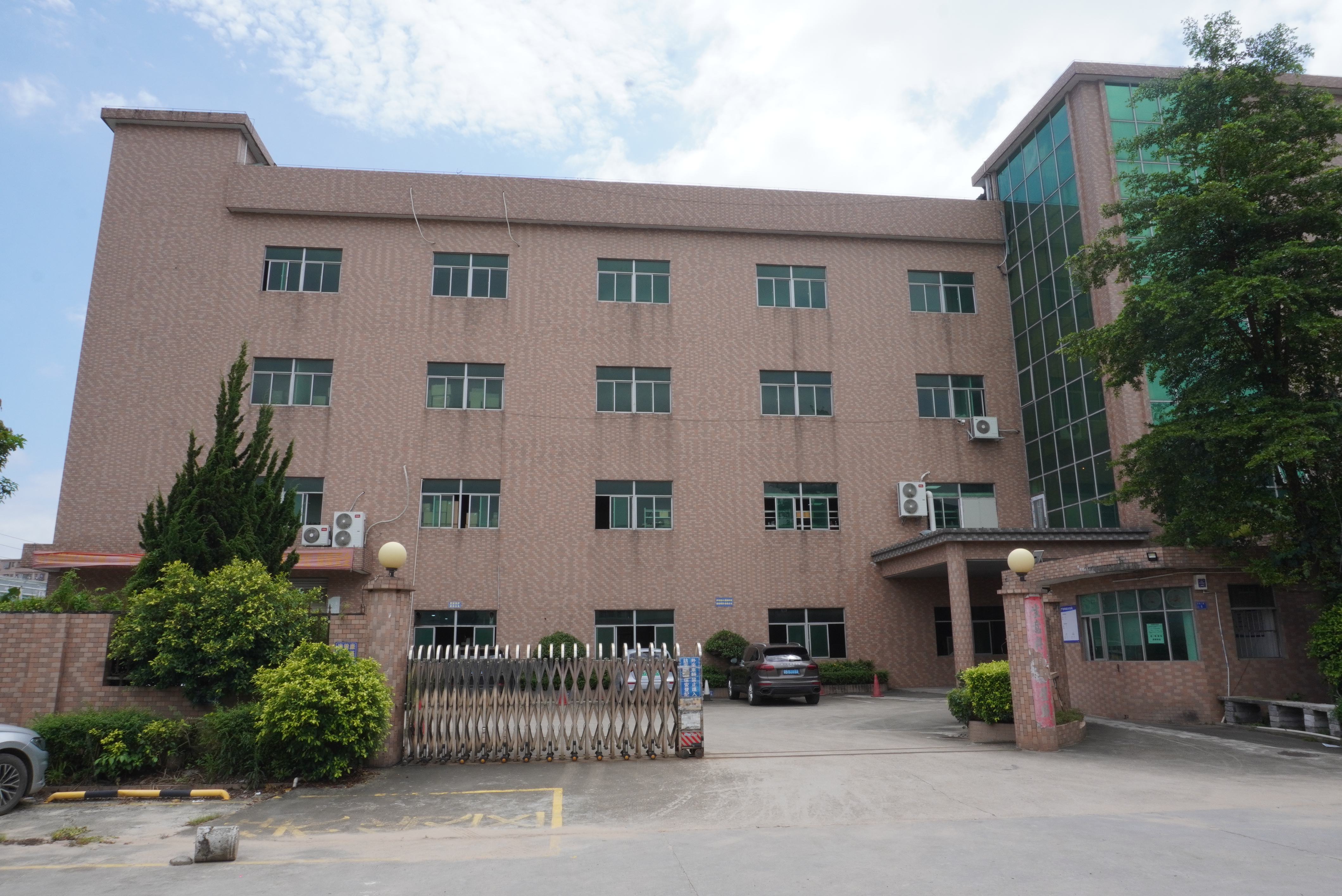
Dongguan Sanlixin Plastic Technology Co.,Ltd
Shenzhen Sanlixin Technology Co., Ltd. and Dongguan Sanlixin Plastic Technology Co., Ltd. is a manufacturer integrating precision plastic mold design, mold opening, single (double) color injection molding, IML injection molding processing, producing various single (double) color, IML process high-end appearance decorative structural parts, two-color buttons, USB dust plugs, panels and other plastic products, providing customers with fast, excellent, Midea all-round service, the company has 15 years of experience in precision plastic mold design, processing and production, with a variety of advanced machine injection molding equipment with excellent quality and fast service to win the trust and strong support of our customers.
Understanding the Phenomenon of Plastic Aging
What is PA12 Material?