Lightweighting Brings New Opportunities for Metal-to-Plastic Conversion
Lightweighting Brings New Opportunities for Metal-to-Plastic Conversion
The Growing Trend of Lightweighting in Manufacturing
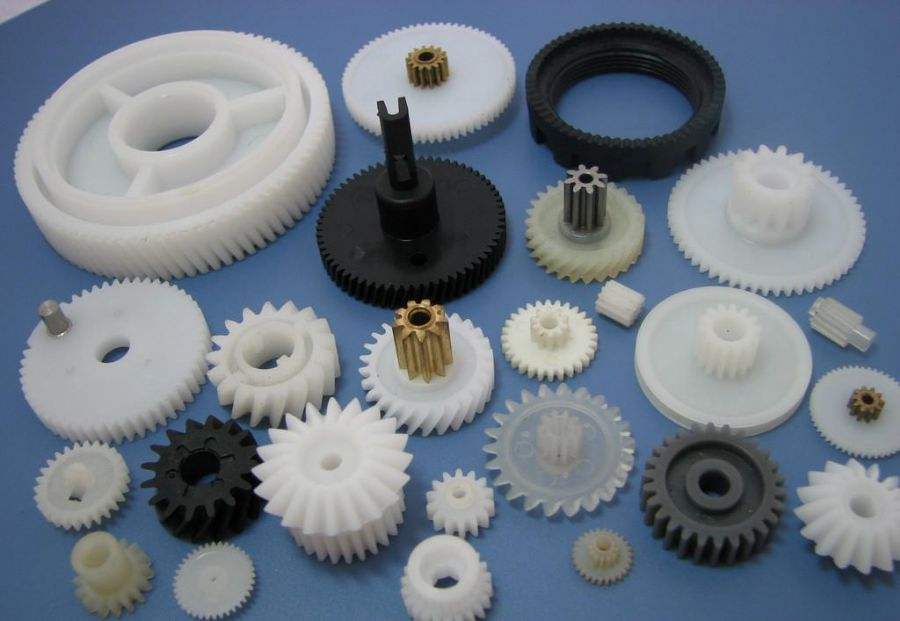
That’s great news for manufacturers offering metal to plastic part conversion. Those who have the materials expertise to engineer new parts that are not only lighter, but also tough enough to handle high temperatures, general wear and tear, and exposure to chemicals. Metal to plastic part conversion is hardly new, but advances in composites and other lightweight materials have continued to offer new opportunities to convert efficiently and cost effectively–many opportunities that may not have been available 10, 5, or even in the previous couple of years.
There is almost no part too small or, it turns out, too big to convert from metal to a lighter weight material. The Energy Department has reported that reducing a vehicle’s weight by just 10% can also improve fuel economy by 6-8%. New composites and other materials on the market today will still be required to pass safety testing so drivers can rest assured that new materials, though lighter, aren’t more dangerous as well.
Why Metal-to-Plastic Conversion?
Metal-to-plastic conversion offers several advantages that make it an attractive option for manufacturers:
- Weight Reduction: Plastics are significantly lighter than metals, often reducing part weight by 50% or more. This is particularly beneficial in industries like automotive and aerospace, where weight directly impacts fuel efficiency and performance.
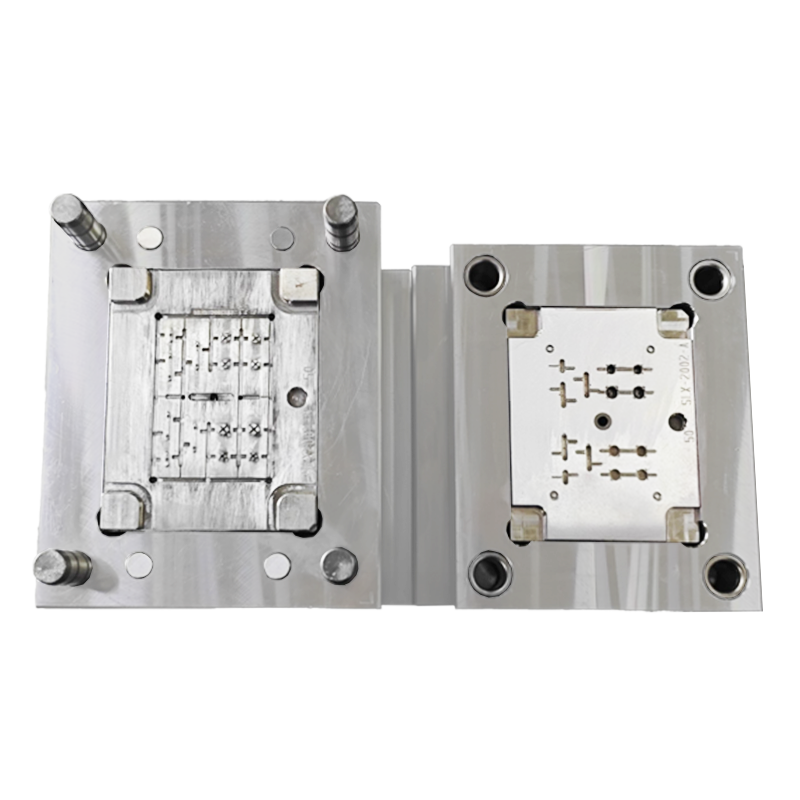
- Cost Savings: Plastic parts can be less expensive to produce, especially in high volumes. Injection molding, for example, allows for complex geometries to be manufactured in a single step, reducing labor and machining costs.
- Design Flexibility: Plastics offer greater design freedom, enabling the creation of complex shapes and integrated features that would be difficult or impossible to achieve with metal. This can lead to improved functionality and aesthetics.
- Corrosion Resistance: Unlike metals, many plastics are resistant to corrosion, making them ideal for use in harsh environments.
- Thermal and Electrical Insulation: Plastics provide excellent insulation properties, which can be advantageous in electrical and thermal applications.
Key Industries Benefiting from Metal-to-Plastic Conversion
Several industries are leveraging metal-to-plastic conversion to achieve lightweighting and other benefits:
1. Automotive Industry
The automotive industry is at the forefront of metal-to-plastic conversion. Lightweighting is crucial for improving fuel efficiency and meeting stringent emissions regulations. Plastic components are being used in various applications, including:
- Engine Components: Intake manifolds, valve covers, and oil pans.
- Interior Parts: Dashboards, door panels, and seating components.
- Exterior Parts: Bumpers, fenders, and body panels.
Challenges and Considerations
While metal-to-plastic conversion offers numerous benefits, it also presents some challenges that need to be addressed:
- Material Selection: Choosing the right plastic material is crucial to ensure it meets the required performance criteria, such as strength, temperature resistance, and durability.
- Design Optimization: Designing plastic parts to match or exceed the performance of metal parts requires careful consideration of factors like load-bearing capacity and stress distribution.
- Manufacturing Process: The transition from metal to plastic may require changes in manufacturing processes, such as switching from machining to injection molding.
- Regulatory Compliance: Ensuring that plastic components meet industry standards and regulations, particularly in sectors like automotive and aerospace, is essential.
Conclusion
Lightweighting through metal-to-plastic conversion is opening up new opportunities for innovation and efficiency across various industries. By leveraging the advantages of plastics—such as weight reduction, cost savings, and design flexibility—manufacturers can create high-performance products that meet the demands of modern markets. While challenges exist, careful material selection, design optimization, and process adaptation can help overcome these hurdles, making metal-to-plastic conversion a viable and attractive option for achieving lightweighting goals.
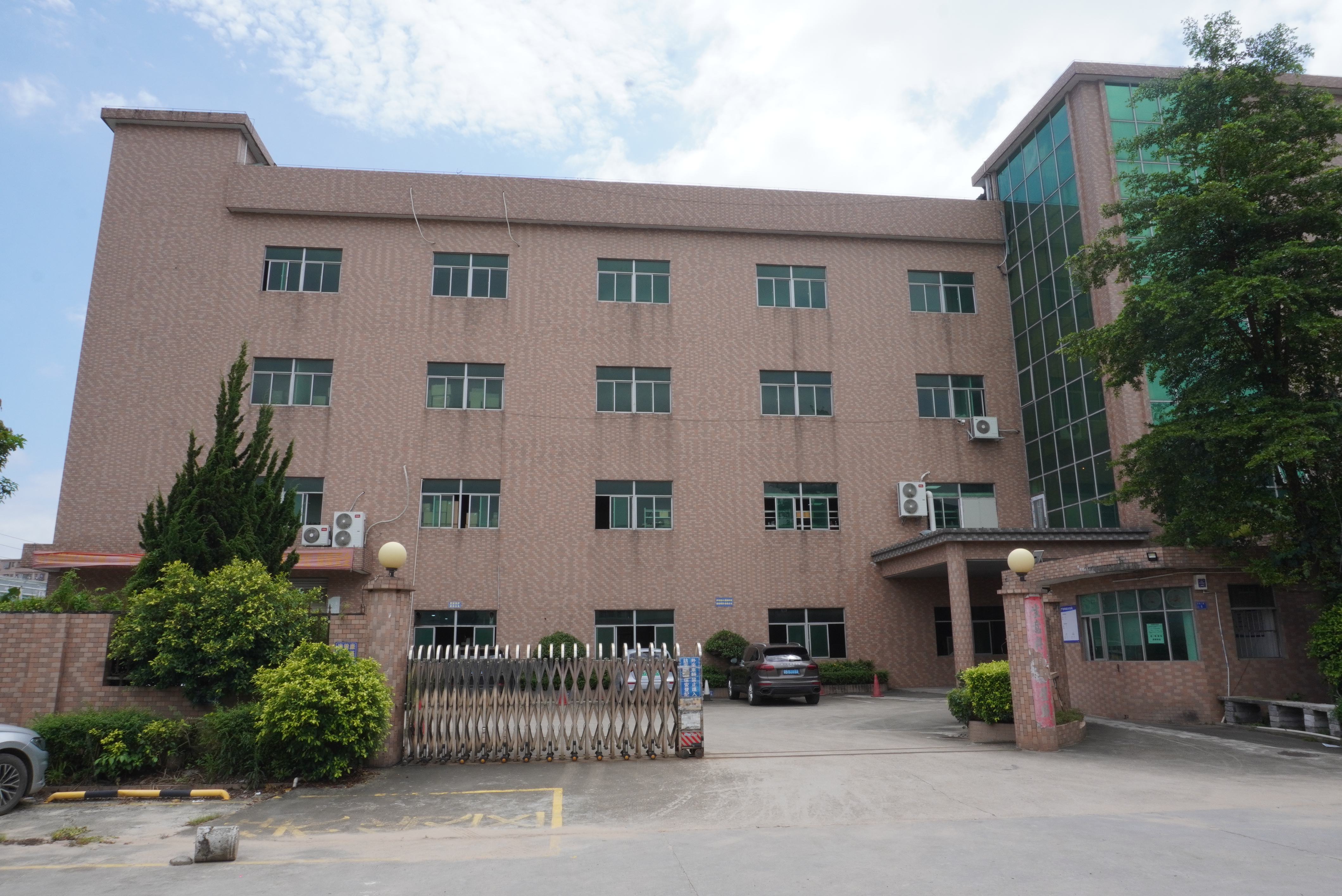
Dongguan Sanlixin Plastic Technology Co.,Ltd
Shenzhen Sanlixin Technology Co., Ltd. and Dongguan Sanlixin Plastic Technology Co., Ltd. is a manufacturer integrating precision plastic mold design, mold opening, single (double) color injection molding, IML injection molding processing, producing various single (double) color, IML process high-end appearance decorative structural parts, two-color buttons, USB dust plugs, panels and other plastic products, providing customers with fast, excellent, Midea all-round service, the company has 15 years of experience in precision plastic mold design, processing and production, with a variety of advanced machine injection molding equipment with excellent quality and fast service to win the trust and strong support of our customers.
Injection molding revolutionizes the production of geometric parts
What is Heat Welding?