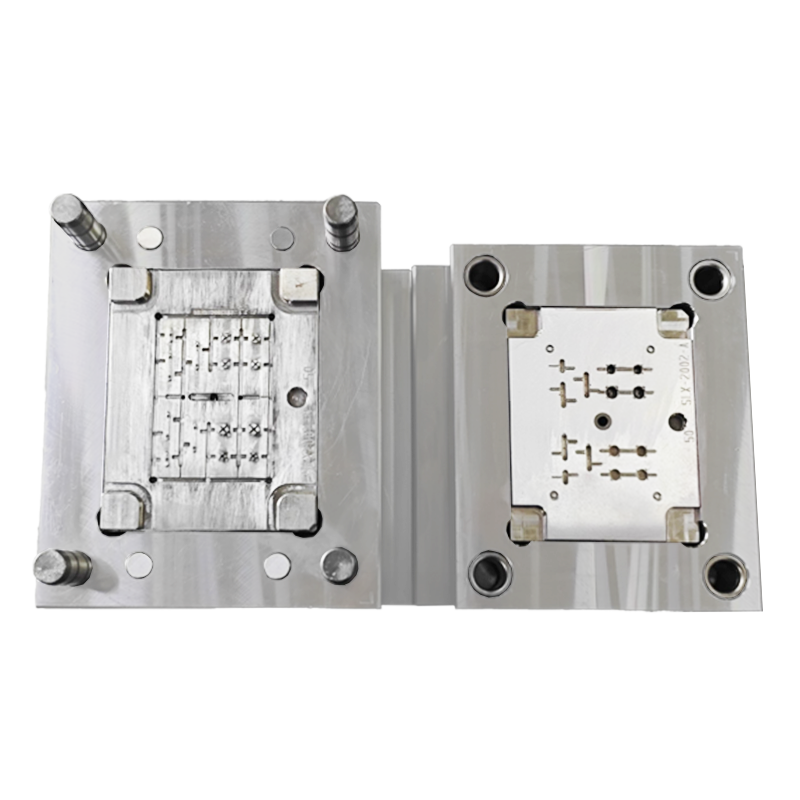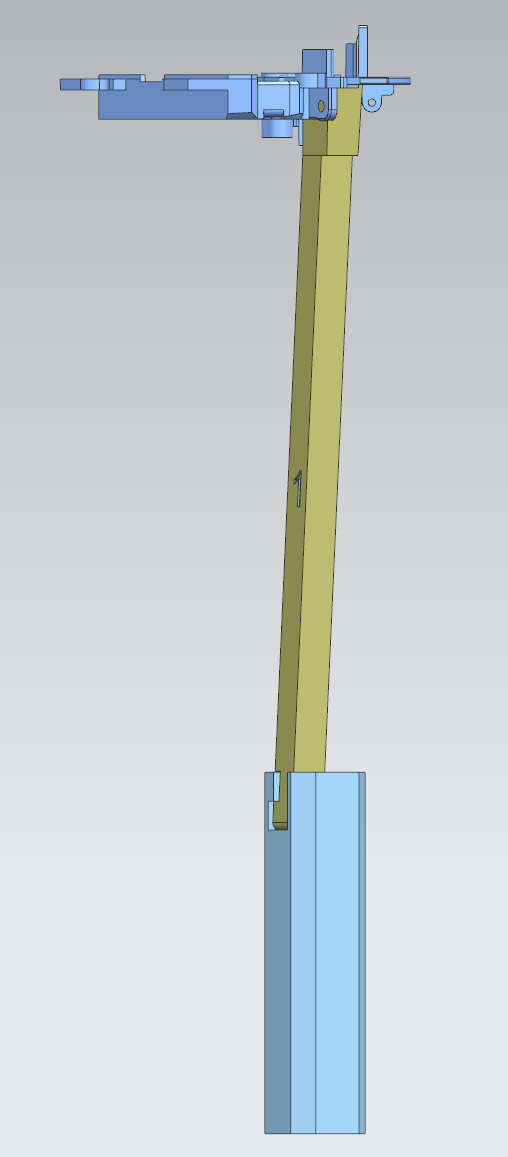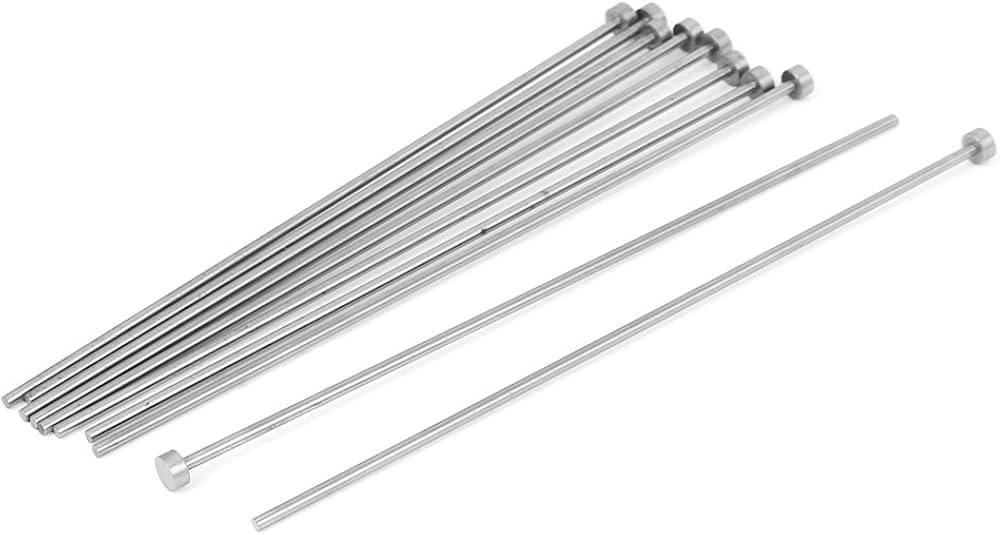
Injection Molds for Medical Applications: Revolutionizing Healthcare Manufacturing
About Injection Molds for Medical Applications
Injection molding has become a cornerstone of modern medical device manufacturing, offering unparalleled precision, scalability, and efficiency. This technology is instrumental in producing a wide range of medical components, from surgical instruments to drug delivery systems, ensuring high quality and compliance with stringent regulatory standards.
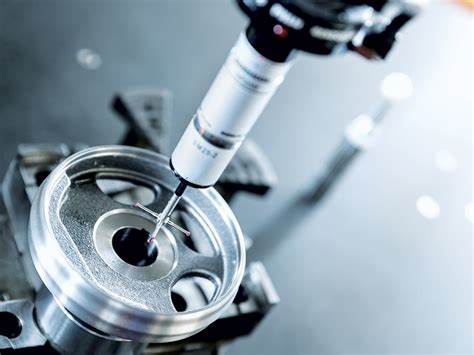
Key Functions of Injection Molds in Medical Applications
Injection molds serve several critical functions in the medical field, making them indispensable for healthcare manufacturing.
Below are some of the primary functions:
1. Precision Manufacturing
Injection molding allows for the production of highly precise and complex components, which is essential for medical devices that require exact specifications. This precision ensures that devices function correctly and safely.
2. Scalability
Injection molding is highly scalable, making it suitable for both prototyping and large-scale production. This scalability is particularly important for medical devices that may need to be produced in large quantities.
3. Cost Efficiency
While the initial setup cost for injection molds can be high, the per-unit cost decreases significantly with large production runs, making it a cost-effective solution for high-volume medical components.
Applications of Injection Molds in the Medical Field
Injection molds are used in a variety of medical applications, each requiring high precision and quality. Below are some of the key applications:
1. Surgical Instruments
Injection molding is used to produce various surgical instruments, including scalpel handles, forceps, and clamps. These instruments require high precision and must be made from biocompatible materials to ensure patient safety.
2. Implants and Prosthetics
Medical implants and prosthetic components, such as joint replacements and dental implants, are often produced using injection molding. The process allows for the creation of complex shapes and the use of biocompatible materials like PEEK and titanium.
3. Diagnostic Equipment
Components for diagnostic equipment, such as housings for imaging devices and fluid handling systems, are commonly manufactured using injection molding. The process ensures high precision and the ability to produce parts with intricate details.
4. Drug Delivery Systems
Injection molding is used to produce components for drug delivery systems, including inhalers, syringe bodies, and insulin pens. These components must meet strict regulatory standards for safety and efficacy.
5. Disposable Medical Devices
Disposable medical devices, such as IV connectors, catheters, and pipette tips, are often produced using injection molding. The process allows for high-volume production of sterile, single-use components.
Advantages of Injection Molding for Medical Applications
Injection molding offers several advantages that make it particularly suitable for medical applications:
1. High Precision and Consistency
Injection molding can produce parts with extremely tight tolerances and consistent quality, which is crucial for medical devices that require high precision.
2. Biocompatible Materials
The process supports the use of a wide range of biocompatible materials, ensuring that the produced components are safe for use in medical applications.
3. Sterility
Injection molding can produce sterile components, which is essential for medical devices that come into contact with patients' bodies or bodily fluids.
4. Scalability
Injection molding is highly scalable, making it suitable for both prototyping and large-scale production. This is particularly important for medical devices that may need to be produced in large quantities.
5. Cost Efficiency
While the initial setup cost for injection molds can be high, the per-unit cost decreases significantly with large production runs, making it a cost-effective solution for high-volume medical components.
Conclusion
Injection molding is revolutionizing the medical industry by enabling the production of high-precision, biocompatible, and sterile components. Its applications in surgical instruments, implants, diagnostic equipment, drug delivery systems, and disposable medical devices highlight its versatility and importance. By leveraging the advantages of injection molding, manufacturers can produce high-quality medical devices that meet stringent regulatory standards and improve patient outcomes.

Dongguan Sanlixin Plastic Technology Co.,Ltd
Shenzhen Sanlixin Technology Co., Ltd. and Dongguan Sanlixin Plastic Technology Co., Ltd. is a manufacturer integrating precision plastic mold design, mold opening, single (double) color injection molding, IML injection molding processing, producing various single (double) color, IML process high-end appearance decorative structural parts, two-color buttons, USB dust plugs, panels and other plastic products, providing customers with fast, excellent, Midea all-round service, the company has 15 years of experience in precision plastic mold design, processing and production, with a variety of advanced machine injection molding equipment with excellent quality and fast service to win the trust and strong support of our customers.
Injection Molds for Automotive Parts Applications
CNC Machining and Plastic Injection Molding