Understanding EVA Material: Benefits and Limitations

Ethylene-Vinyl Acetate (EVA) is a copolymer material widely used in various industries due to its unique properties. This flexible, durable plastic has become popular in footwear, packaging, sports equipment, and medical applications. Understanding its advantages and disadvantages helps manufacturers make informed material selection decisions.
Key Advantages of EVA Material
1. Excellent Flexibility and Softness
EVA maintains good flexibility even at low temperatures, making it ideal for applications requiring pliability and cushioning.
2. Lightweight Properties
With a low density, EVA reduces product weight significantly compared to many other plastics and rubbers.
3. Good Chemical Resistance
Resists UV radiation, ozone, and many chemicals, ensuring durability in various environments.
4. Shock Absorption
Excellent energy absorption makes EVA perfect for footwear midsoles, sports mats, and protective gear.
5. Easy Processing
Can be easily injection molded, extruded, or compression molded with standard plastic processing equipment.
6. Transparency Options
Certain EVA grades offer good clarity for applications requiring see-through properties.
7. Adhesion Properties
Bonds well with various materials including textiles, metals, and other plastics.
Main Disadvantages of EVA Material
1. Limited Temperature Resistance
Begins to soften around 60-70°C (140-158°F), restricting high-temperature applications.
2. Lower Abrasion Resistance
Wears faster than some alternative materials in high-friction applications.
3. Oil and Solvent Sensitivity
Can swell or degrade when exposed to certain oils and solvents.
4. Environmental Concerns
Standard EVA is not biodegradable, though bio-based alternatives are emerging.
5. Compression Set
May permanently deform under continuous pressure over time.
6. Variable Quality
Properties can vary significantly based on vinyl acetate content (typically 10-40%).
EVA vs Alternative Materials
| Property | EVA | PVC | TPU | Natural Rubber |
|---|---|---|---|---|
| Flexibility | Excellent | Good | Excellent | Excellent |
| Durability | Good | Good | Excellent | Excellent |
| Cost | Medium | Low | High | Variable |
| Environmental Impact | Medium | High | Medium | Low |
Optimal Applications for EVA
Best Uses:
- Footwear components (soles, sandals)
- Sports equipment (yoga mats, padding)
- Packaging films and foams
- Medical devices (soft components)
- Adhesives and hot melt applications
- Solar panel encapsulation
Conclusion
EVA material offers an excellent balance of flexibility, lightweight properties, and processability, making it valuable across many industries. While it has limitations in temperature resistance and environmental impact, its unique combination of properties ensures continued popularity. Understanding these characteristics allows designers to leverage EVA's strengths while mitigating its weaknesses in product development.
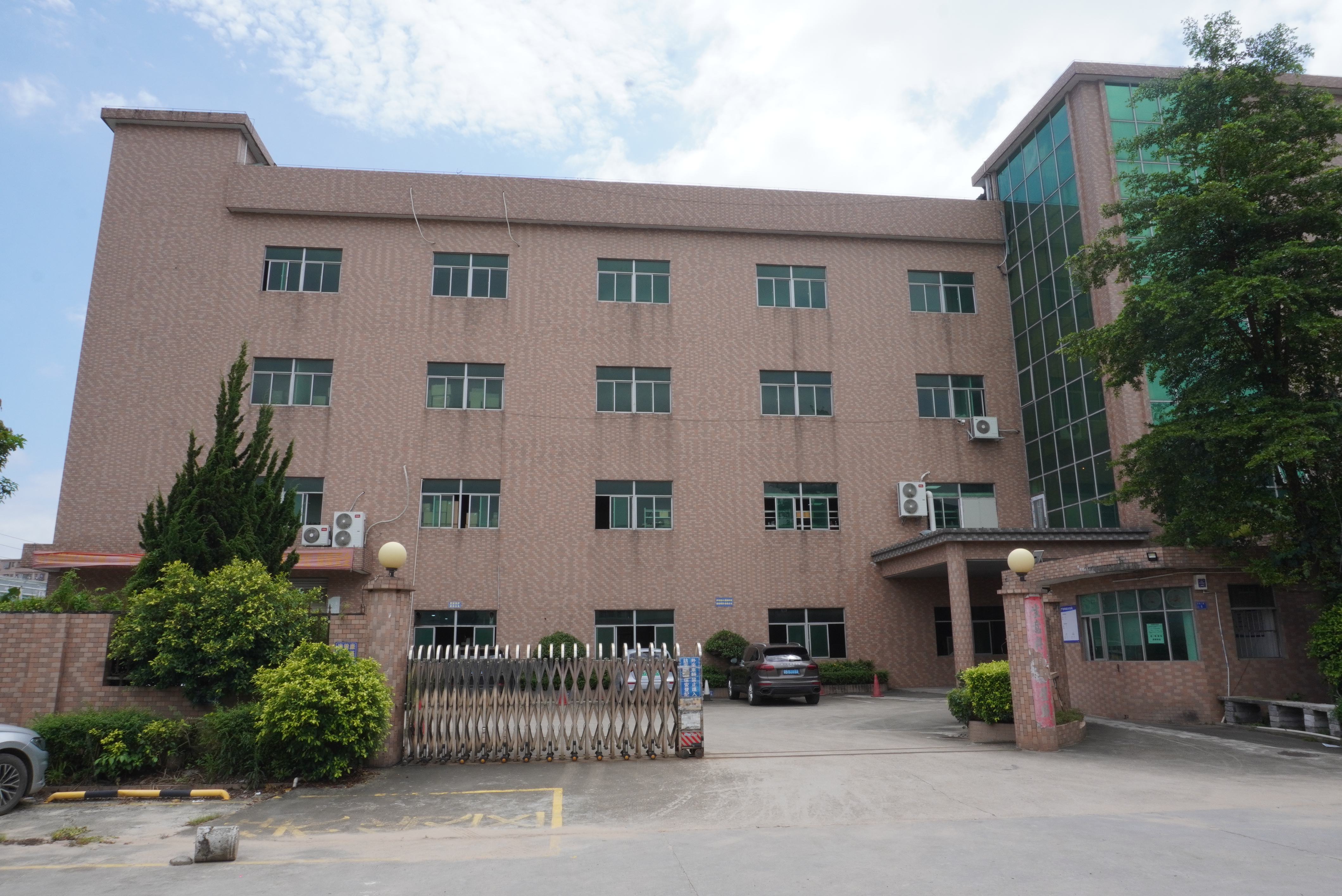
Dongguan Sanlixin Plastic Technology Co.,Ltd
Shenzhen Sanlixin Technology Co., Ltd. and Dongguan Sanlixin Plastic Technology Co., Ltd. is a manufacturer integrating precision plastic mold design, mold opening, single (double) color injection molding, IML injection molding processing, producing various single (double) color, IML process high-end appearance decorative structural parts, two-color buttons, USB dust plugs, panels and other plastic products, providing customers with fast, excellent, Midea all-round service, the company has 15 years of experience in precision plastic mold design, processing and production, with a variety of advanced machine injection molding equipment with excellent quality and fast service to win the trust and strong support of our customers.
Acrylic/PMMA Material: Benefits and Limitations
Essential Factors for Successful Transparent Plastic Injection Molding