CNC Fixtures: Types, Uses, Optimization, and Choosing the Right CNC Workholding Fixture
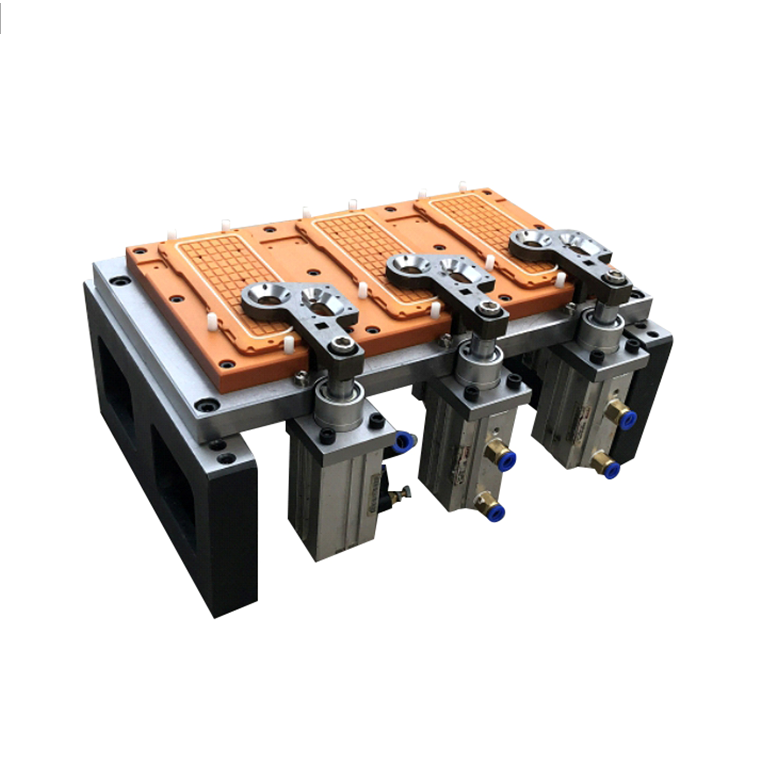
CNC Fixtures: Types, Uses, Optimization, and Choosing the Right CNC Workholding Fixture
Introduction
CNC (Computer Numerical Control) fixtures, also known as workholding fixtures, are essential components in the machining process. They secure the workpiece in place, ensuring precision, stability, and repeatability during machining operations. Selecting the right fixture and optimizing its use can significantly impact the quality and efficiency of CNC machining. This article explores the types of CNC fixtures, their uses, optimization strategies, and tips for choosing the right fixture for your needs.
Types of CNC Fixtures
CNC fixtures come in various types, each designed for specific applications and workpiece requirements:
Vise Fixtures
Vise fixtures are commonly used for holding rectangular or block-shaped workpieces. They provide strong clamping force and are ideal for milling and drilling operations.
Clamp Fixtures
Clamp fixtures use mechanical clamps to secure the workpiece. They are versatile and can accommodate a wide range of shapes and sizes.
Modular Fixtures
Modular fixtures consist of interchangeable components that can be configured to hold different workpieces. They offer flexibility and are suitable for low- to medium-volume production.
Vacuum Fixtures
Vacuum fixtures use suction to hold flat or thin workpieces in place. They are ideal for machining delicate or lightweight materials.
Magnetic Fixtures
Magnetic fixtures use magnetic force to hold ferromagnetic workpieces. They are commonly used for grinding and surface finishing operations.
Custom Fixtures
Custom fixtures are designed specifically for unique or complex workpieces. They provide precise and secure holding for specialized machining tasks.
Uses of CNC Fixtures
CNC fixtures play a critical role in various machining operations:
Ensuring Precision
Fixtures hold the workpiece securely in place, minimizing movement and vibration during machining, which ensures high precision and accuracy.
Improving Repeatability
Fixtures enable consistent positioning of the workpiece, allowing for repeatable machining processes and uniform product quality.
Enhancing Safety
By securely holding the workpiece, fixtures reduce the risk of accidents and injuries during machining operations.
Increasing Efficiency
Fixtures streamline the setup process, reducing downtime and increasing overall machining efficiency.
Optimizing CNC Fixtures
To maximize the performance of CNC fixtures, consider the following optimization strategies:
Proper Alignment
Ensure that the fixture is properly aligned with the CNC machine's axes to achieve accurate machining results.
Balanced Clamping Force
Apply the right amount of clamping force to hold the workpiece securely without causing deformation or damage.
Minimizing Setup Time
Use quick-change fixtures or modular components to reduce setup time and increase productivity.
Regular Maintenance
Inspect and maintain fixtures regularly to ensure they remain in good condition and perform optimally.
Choosing the Right CNC Workholding Fixture
Selecting the appropriate fixture for your CNC machining needs involves considering several factors:
Workpiece Characteristics
Consider the size, shape, material, and weight of the workpiece to determine the most suitable fixture type.
Machining Operations
Choose a fixture that can accommodate the specific machining operations, such as milling, drilling, or grinding, required for your project.
Production Volume
For high-volume production, consider fixtures that offer quick setup and changeover times. For low-volume or custom projects, modular or custom fixtures may be more appropriate.
Budget
Balance the cost of the fixture with its performance and durability to ensure a cost-effective solution.
Compatibility
Ensure that the fixture is compatible with your CNC machine and can be easily integrated into your existing setup.
Conclusion
CNC fixtures are indispensable tools in the machining process, providing precision, stability, and efficiency. By understanding the different types of fixtures, their uses, and optimization strategies, you can enhance the quality and productivity of your CNC operations. When choosing the right workholding fixture, consider factors such as workpiece characteristics, machining operations, production volume, and budget to ensure the best fit for your needs. With the right fixture in place, you can achieve exceptional machining results and drive success in your manufacturing projects.
Dongguan Sanlixin Plastic Technology Co.,Ltd
Shenzhen Sanlixin Technology Co., Ltd. and Dongguan Sanlixin Plastic Technology Co., Ltd. is a manufacturer integrating precision plastic mold design, mold opening, single (double) color injection molding, IML injection molding processing, producing various single (double) color, IML process high-end appearance decorative structural parts, two-color buttons, USB dust plugs, panels and other plastic products, providing customers with fast, excellent, Midea all-round service, the company has 15 years of experience in precision plastic mold design, processing and production, with a variety of advanced machine injection molding equipment with excellent quality and fast service to win the trust and strong support of our customers.
What is Polishing?
CNC Machining Wood: Precision and Versatility in Woodworking