CNC Machining Surface Finishes: Roughing Vs Finishing
CNC Machining Surface Finishes: Roughing Vs Finishing
Introduction
CNC machining is a versatile manufacturing process that involves the use of computer-controlled machine tools to create precise parts. One critical aspect of CNC machining is achieving the desired surface finish, which can significantly impact the part's functionality, aesthetics, and performance. This article explores the differences between roughing and finishing in CNC machining, focusing on their roles in achieving optimal surface finishes.
1. Overview of Roughing and Finishing
Roughing and finishing are two distinct stages in the CNC machining process, each serving a specific purpose in the production of a part.
1.1 Roughing
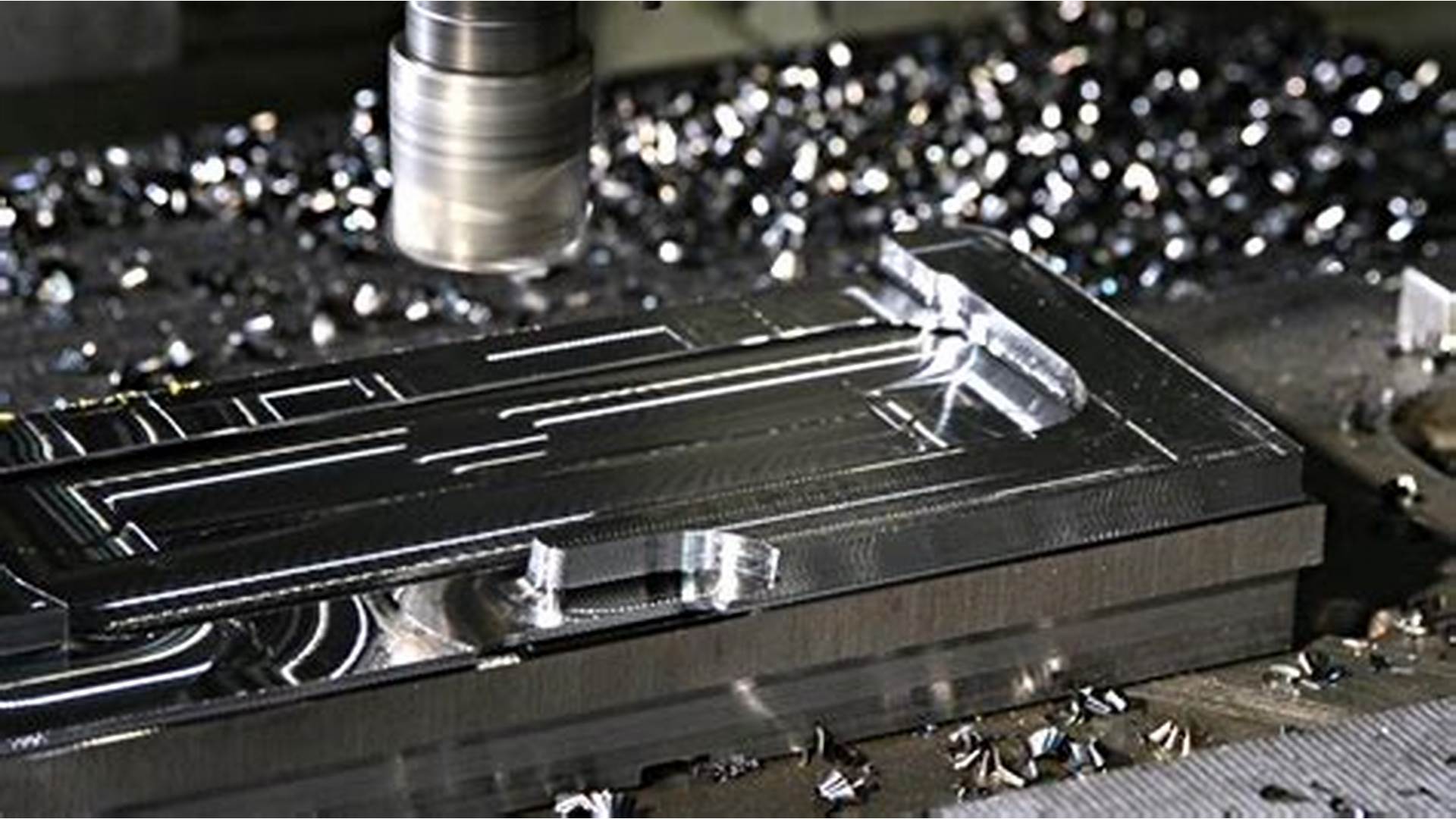
Roughing is the initial stage of machining where the bulk of the material is removed quickly. The primary goal is to shape the part close to its final dimensions, leaving a small amount of material for the finishing stage.
1.2 Finishing
Finishing is the final stage of machining where the remaining material is removed to achieve the desired dimensions and surface finish. This stage focuses on precision and surface quality.
2. Key Differences Between Roughing and Finishing
While both roughing and finishing are essential for producing high-quality parts, they differ in terms of objectives, tooling, and machining parameters.
2.1 Objectives
- Roughing: Remove material quickly and efficiently to approximate the final shape.
- Finishing: Achieve precise dimensions and high-quality surface finish.
2.2 Tooling
- Roughing: Uses robust tools with large cutting diameters to handle high material removal rates.
- Finishing: Uses finer tools with smaller cutting diameters to achieve smooth surfaces and tight tolerances.
2.3 Machining Parameters
- Roughing: High feed rates and cutting speeds, lower precision.
- Finishing: Lower feed rates and cutting speeds, higher precision.
3. Surface Finish Considerations
The surface finish of a machined part is influenced by both the roughing and finishing stages. Understanding how each stage contributes to the final surface quality is crucial for achieving the desired results.
3.1 Roughing and Surface Finish
Roughing leaves a relatively rough surface due to the high material removal rates and aggressive cutting parameters. The surface finish from roughing is not critical, as it will be refined during finishing.
3.2 Finishing and Surface Finish
Finishing is responsible for achieving the final surface finish. This stage involves precise tool paths, lower cutting forces, and finer tools to produce smooth surfaces with tight tolerances.
4. Tool Selection for Roughing and Finishing
Selecting the right tools for roughing and finishing is essential for optimizing the machining process and achieving the desired surface finish.
4.1 Roughing Tools
- High-speed steel (HSS) or carbide tools with large cutting diameters
- Designed for high material removal rates and durability
4.2 Finishing Tools
- Carbide or diamond-coated tools with smaller cutting diameters
- Designed for precision and smooth surface finishes
5. Machining Parameters for Optimal Surface Finish
Adjusting machining parameters such as feed rate, cutting speed, and depth of cut is crucial for achieving the desired surface finish during both roughing and finishing.
5.1 Roughing Parameters
- High feed rates and cutting speeds
- Larger depth of cut
- Focus on material removal efficiency
5.2 Finishing Parameters
- Lower feed rates and cutting speeds
- Smaller depth of cut
- Focus on precision and surface quality
6. Common Surface Finishes in CNC Machining
Different applications require different surface finishes. Here are some common surface finishes achieved through CNC machining:
6.1 As-Machined
The surface finish directly from the machining process, typically with visible tool marks. Suitable for parts where surface finish is not critical.
6.2 Smooth Finish
Achieved through fine finishing passes, resulting in a smooth surface with minimal tool marks. Suitable for parts requiring good aesthetics and moderate wear resistance.
6.3 Polished Finish
Further refinement of the smooth finish through polishing, resulting in a mirror-like surface. Suitable for high-end consumer products and decorative items.
7. Tips for Achieving Optimal Surface Finishes
To achieve the best possible surface finish in CNC machining, consider the following tips:
7.1 Proper Tool Selection
Choose the right tools for both roughing and finishing stages. Ensure tools are sharp and in good condition.
7.2 Optimize Machining Parameters
Adjust feed rates, cutting speeds, and depth of cut to balance material removal efficiency and surface quality.
7.3 Use Appropriate Coolants and Lubricants
Coolants and lubricants can reduce tool wear and improve surface finish by minimizing heat and friction.
7.4 Regular Maintenance
Maintain CNC machines and tools regularly to ensure consistent performance and surface finish quality.
Conclusion
Roughing and finishing are two critical stages in CNC machining, each playing a vital role in achieving the desired surface finish. Roughing focuses on efficient material removal, while finishing ensures precision and surface quality. By understanding the differences between these stages and optimizing tool selection and machining parameters, manufacturers can produce high-quality parts with excellent surface finishes. Proper maintenance and adherence to best practices further enhance the machining process, leading to superior results and customer satisfaction.
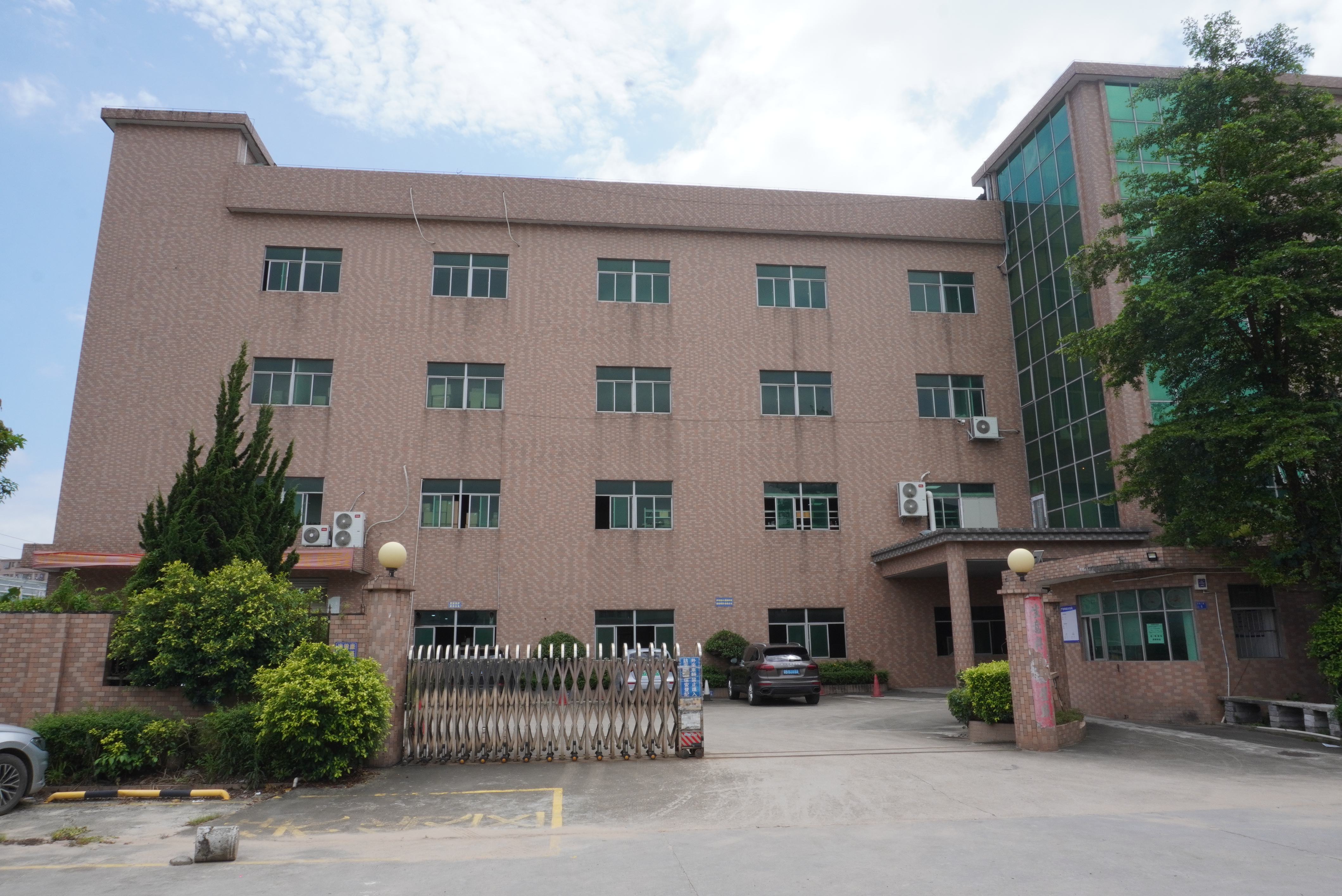
Dongguan Sanlixin Plastic Technology Co.,Ltd
Shenzhen Sanlixin Technology Co., Ltd. and Dongguan Sanlixin Plastic Technology Co., Ltd. is a manufacturer integrating precision plastic mold design, mold opening, single (double) color injection molding, IML injection molding processing, producing various single (double) color, IML process high-end appearance decorative structural parts, two-color buttons, USB dust plugs, panels and other plastic products, providing customers with fast, excellent, Midea all-round service, the company has 15 years of experience in precision plastic mold design, processing and production, with a variety of advanced machine injection molding equipment with excellent quality and fast service to win the trust and strong support of our customers.
SPI Surface Finishes Basic Guide
Types of Welding Defects