CNC Milling vs CNC Turning: Understanding the Key Differences
CNC Milling vs CNC Turning: Understanding the Key Differences
Introduction
CNC (Computer Numerical Control) machining is a widely used manufacturing process that involves the use of computers to control machine tools. Two of the most common CNC processes are milling and turning. While both methods are used to create precise parts, they differ significantly in their operations, applications, and outcomes. This article explores the key differences between CNC milling and CNC turning.
1. Overview of CNC Milling
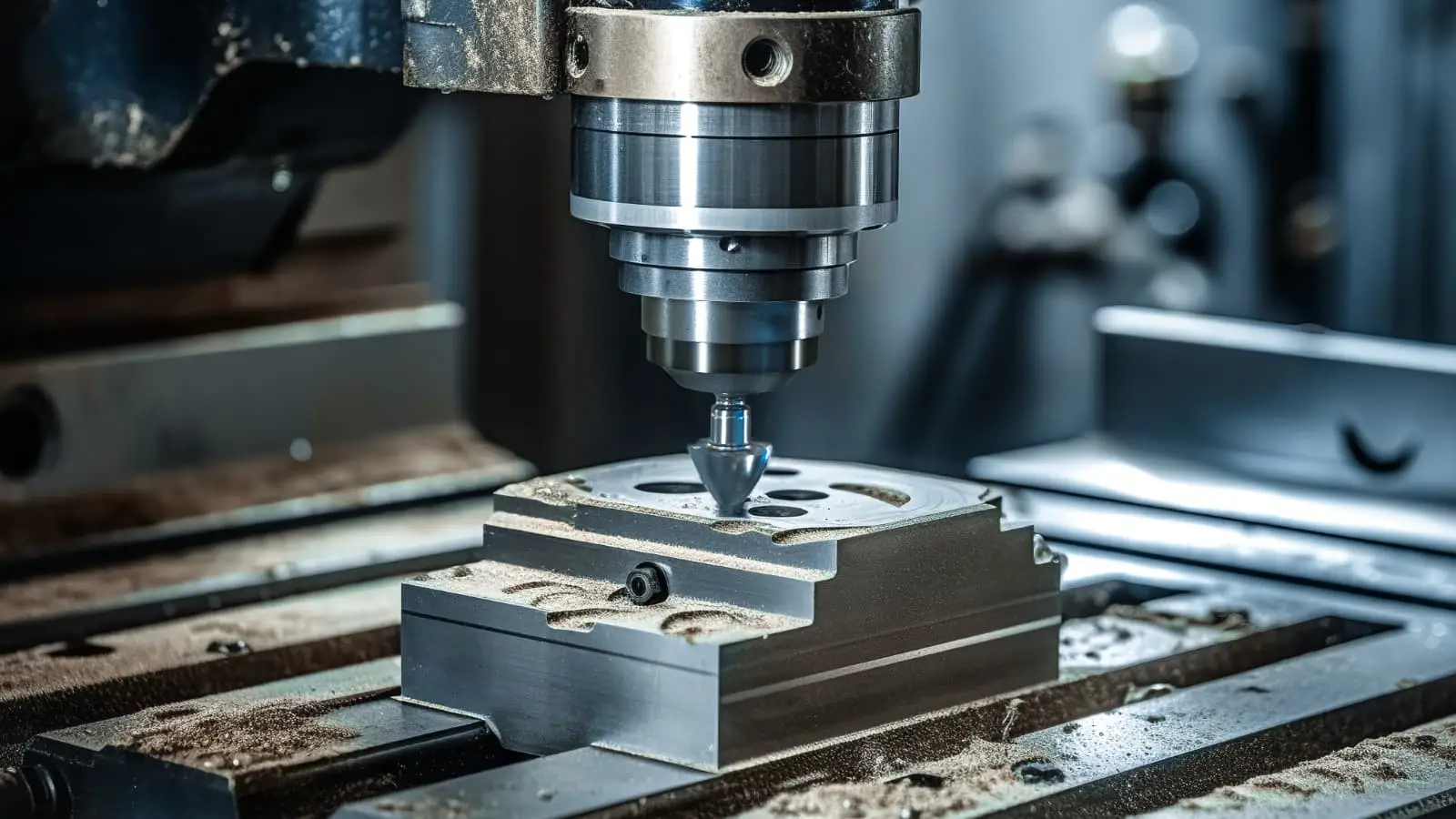
CNC milling is a subtractive manufacturing process that uses rotary cutters to remove material from a workpiece. The workpiece is typically held stationary while the cutting tool moves along multiple axes to create the desired shape.
1.1 How CNC Milling Works
In CNC milling, the workpiece is secured to a table, and the cutting tool rotates at high speeds. The tool moves along the X, Y, and Z axes to cut away material, creating complex geometries and intricate details.
1.2 Applications of CNC Milling
CNC milling is commonly used for:
- Creating complex 3D shapes
- Producing parts with intricate details
- Manufacturing components for aerospace, automotive, and medical industries
2. Overview of CNC Turning
CNC turning is another subtractive manufacturing process where the workpiece rotates while a stationary cutting tool removes material. This process is ideal for creating cylindrical or conical shapes.
2.1 How CNC Turning Works
In CNC turning, the workpiece is mounted on a spindle and rotated at high speeds. The cutting tool moves linearly along the workpiece to remove material, creating symmetrical parts with precise dimensions.
2.2 Applications of CNC Turning
CNC turning is commonly used for:
- Producing cylindrical parts like shafts and bushings
- Creating threaded components
- Manufacturing parts for the automotive, electronics, and plumbing industries
3. Key Differences Between CNC Milling and CNC Turning
While both CNC milling and turning are used to create precise parts, they differ in terms of process mechanics, part geometries, and tooling requirements.
3.1 Process Mechanics
In CNC milling, the cutting tool rotates and moves along multiple axes while the workpiece remains stationary. In CNC turning, the workpiece rotates while the cutting tool moves linearly.
3.2 Part Geometries
CNC milling is ideal for creating complex, three-dimensional shapes with intricate details. CNC turning is best suited for producing symmetrical, cylindrical, or conical parts.
3.3 Tooling and Equipment
CNC milling machines use multi-axis cutting tools and can perform a variety of operations, including drilling, tapping, and contouring. CNC turning machines, or lathes, use single-point cutting tools and are specialized for cylindrical parts.
4. Material Considerations
Both CNC milling and turning can work with a wide range of materials, but the choice of material may influence the selection of the process.
4.1 Materials for CNC Milling
CNC milling is suitable for materials like metals, plastics, and composites. It can handle hard materials and create complex geometries with high precision.
4.2 Materials for CNC Turning
CNC turning is also suitable for metals, plastics, and composites but is particularly effective for materials that are easier to machine, such as aluminum and brass.
5. Advantages and Limitations
Each process has its own set of advantages and limitations, making them suitable for different applications.
5.1 Advantages of CNC Milling
- Capable of producing complex 3D shapes
- High precision and versatility
- Suitable for a wide range of materials
5.2 Limitations of CNC Milling
- Higher cost for complex setups
- Longer cycle times for intricate parts
5.3 Advantages of CNC Turning
- High efficiency for cylindrical parts
- Lower cost for high-volume production
- Faster cycle times for simple geometries
5.4 Limitations of CNC Turning
- Limited to symmetrical parts
- Less suitable for complex geometries
6. Choosing the Right Process
Selecting between CNC milling and turning depends on the part's geometry, material, and production requirements.
6.1 Part Geometry
For complex, three-dimensional parts, CNC milling is the preferred choice. For cylindrical or conical parts, CNC turning is more appropriate.
6.2 Material and Production Volume
Consider the material properties and production volume. CNC turning is often more cost-effective for high-volume production of simple parts, while CNC milling is better for low-volume, complex parts.
Conclusion
CNC milling and CNC turning are both essential processes in modern manufacturing, each with its own strengths and applications. Understanding the key differences between these processes allows manufacturers to choose the most suitable method for their specific needs. By considering factors such as part geometry, material, and production volume, businesses can optimize their manufacturing processes, ensuring high-quality parts and cost efficiency.

Dongguan Sanlixin Plastic Technology Co.,Ltd
Shenzhen Sanlixin Technology Co., Ltd. and Dongguan Sanlixin Plastic Technology Co., Ltd. is a manufacturer integrating precision plastic mold design, mold opening, single (double) color injection molding, IML injection molding processing, producing various single (double) color, IML process high-end appearance decorative structural parts, two-color buttons, USB dust plugs, panels and other plastic products, providing customers with fast, excellent, Midea all-round service, the company has 15 years of experience in precision plastic mold design, processing and production, with a variety of advanced machine injection molding equipment with excellent quality and fast service to win the trust and strong support of our customers.
Types of Welding Defects
Molding Cavity: Essential Tips for Design