Automate CNC Machining: Steps and Benefit
Introduction
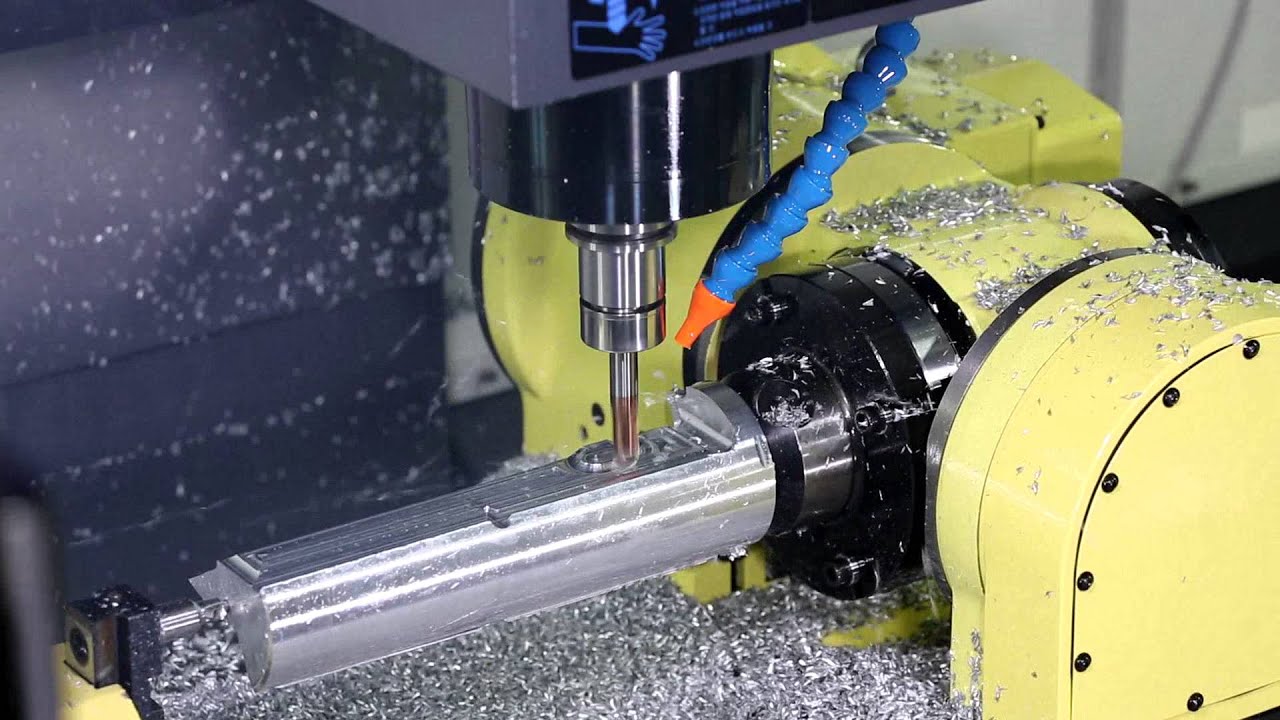
Automation in CNC (Computer Numerical Control) machining is revolutionizing the manufacturing industry. By integrating advanced technologies and systems, manufacturers can significantly enhance productivity, precision, and efficiency. This article outlines the steps to automate CNC machining and explores the numerous benefits it offers.
Steps to Automate CNC Machining
1. Assess Your Current Processes
Begin by evaluating your existing CNC machining processes. Identify areas where automation can add value, such as repetitive tasks, material handling, or quality inspection. Understanding your current workflow will help you determine the best automation strategies.
2. Invest in CNC Machines with Automation Capabilities
Modern CNC machines come with built-in automation features such as automatic tool changers, pallet changers, and robotic arms. Investing in these machines can streamline your operations and reduce manual intervention.
3. Implement CAD/CAM Software
Computer-Aided Design (CAD) and Computer-Aided Manufacturing (CAM) software are essential for automating CNC machining. These tools allow you to design parts digitally and generate precise machining instructions, reducing the risk of errors and improving efficiency.
4. Integrate Robotics and Cobots
Robotic systems and collaborative robots (cobots) can handle tasks such as loading and unloading materials, changing tools, and moving parts between machines. Integrating these systems can significantly reduce labor costs and increase throughput.
5. Use Automated Inspection Systems
Automated inspection systems, such as Coordinate Measuring Machines (CMM) and vision systems, can perform quality checks during and after the machining process. These systems ensure that parts meet specifications and reduce the need for manual inspection.
6. Adopt IoT and Industry 4.0 Technologies
The Internet of Things (IoT) and Industry 4.0 technologies enable real-time monitoring and data collection from CNC machines. By connecting machines to a central system, you can optimize performance, predict maintenance needs, and improve overall efficiency.
7. Train Your Workforce
Automation requires a skilled workforce capable of operating and maintaining advanced systems. Provide training programs to ensure your employees are proficient in using new technologies and can troubleshoot any issues that arise.
Benefits of Automating CNC Machining
1. Increased Productivity
Automation allows CNC machines to operate continuously with minimal downtime. Tasks such as tool changes, material handling, and quality inspection are performed faster and more efficiently, leading to higher production rates.
2. Enhanced Precision and Consistency
Automated systems reduce the risk of human error, ensuring that each part is machined to exact specifications. This results in higher quality products and greater consistency across production runs.
3. Reduced Labor Costs
By automating repetitive and labor-intensive tasks, manufacturers can reduce their reliance on manual labor. This not only lowers labor costs but also allows workers to focus on more complex and value-added activities.
4. Improved Safety
Automation minimizes the need for human intervention in hazardous environments. Robots and automated systems can handle dangerous tasks, reducing the risk of workplace injuries and improving overall safety.
5. Scalability and Flexibility
Automated CNC machining systems are highly scalable and can be easily adapted to accommodate changes in production volume or product design. This flexibility allows manufacturers to respond quickly to market demands.
6. Predictive Maintenance
IoT-enabled CNC machines can monitor their own performance and predict maintenance needs. This proactive approach reduces unplanned downtime and extends the lifespan of machinery.
7. Data-Driven Decision Making
Automation generates vast amounts of data that can be analyzed to optimize processes, improve efficiency, and reduce waste. Data-driven insights enable manufacturers to make informed decisions and continuously improve their operations.
Conclusion
Automating CNC machining offers numerous benefits, from increased productivity and precision to reduced labor costs and improved safety. By following the steps outlined in this article, manufacturers can successfully implement automation and stay competitive in the ever-evolving manufacturing landscape. Embracing automation not only enhances operational efficiency but also paves the way for innovation and growth in the industry.
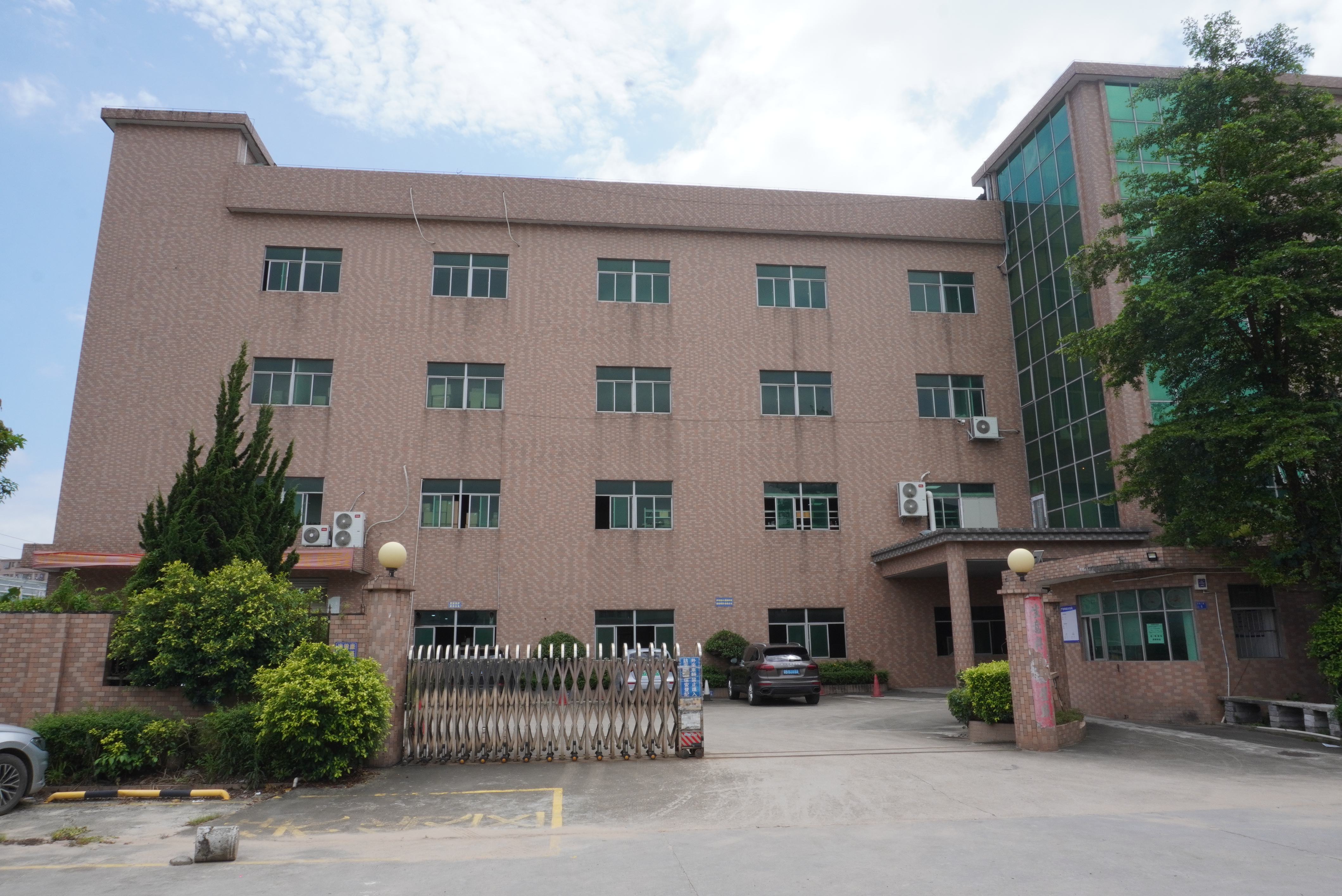
Dongguan Sanlixin Plastic Technology Co.,Ltd
Shenzhen Sanlixin Technology Co., Ltd. and Dongguan Sanlixin Plastic Technology Co., Ltd. is a manufacturer integrating precision plastic mold design, mold opening, single (double) color injection molding, IML injection molding processing, producing various single (double) color, IML process high-end appearance decorative structural parts, two-color buttons, USB dust plugs, panels and other plastic products, providing customers with fast, excellent, Midea all-round service, the company has 15 years of experience in precision plastic mold design, processing and production, with a variety of advanced machine injection molding equipment with excellent quality and fast service to win the trust and strong support of our customers.
How Small Batch CNC Machining Benefits Your Business
Brass vs Aluminum vs Steel: Comparison of Machining Speed