Polypropylene Injection Molding: A Comprehensive Overview
Polycarbonate injection molding
Polypropylene (PP) is widely used in injection molding applications in plastic manufacturing companies. It is durable, flexible, and strong resistance to moisture and chemicals. Polypropylene is lightweight. As a result, it is easy to shape and has little to no deformation. In addition to this, it has excellent resistance to severe impacts, making it ideal for automotive and construction use. Also, due to its smooth texture, PP has the least resistance. Therefore, it is a viable option for applications that require low abrasion resistance.
Polypropylene is widely used in injection molding due to its economical productivity and versatility in applications that require flexibility and moisture resistance.
If you're considering polypropylene injection molding in your project, read this article. It covers important details about PP molding, its properties, benefits, and best practices for high-end production.
What is Polypropylene Injection Molding?
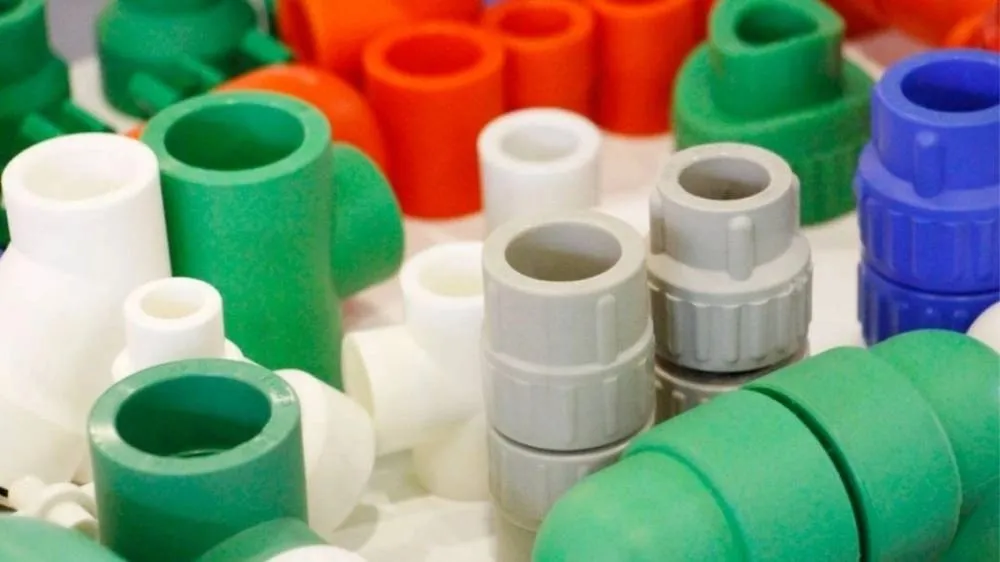
PP injection pipe fittings
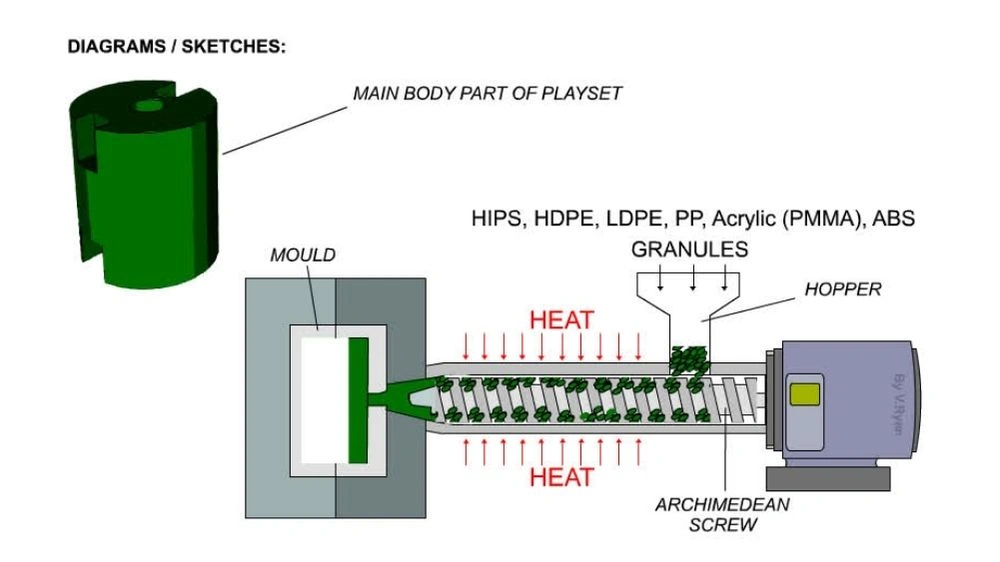
Polypropylene injection molding is a process widely used by plastic component manufacturing companies. Usually, the process first melts the polypropylene particles to their melting point, reaching a molten state.
The mold is then injected, and due to the high hydraulic pressure, the material quickly fills the mold cavity, the heat spreads to the mold, and the molten material is cooled immediately.
Once solidified, the molded part is ejected through the discharge point. Ejected parts may require minimal trimming and further finishing, such as polishing and chemical treatment. Polypropylene injection molding is popular for its excellent performance, high strength, light weight, and chemical resistance. However, considering silicone injection molding is important if you need to produce parts that are flexible and durable that will last for decades.
Optimal conditions for polypropylene injection molding
- Polypropylene usually does not need to be dried if stored properly. When drying, keep the temperature in the range of 70 to 80°C for 2-4 hours to keep its moisture content below 0.1%.
- Optimal material flow is achieved at 220-280°C (428-536°F).
- In order to maintain optimal mold cooling, the temperature must be maintained between 20-80°C (68-176°F) to dissipate heat.
- The heat deflection temperature of PP does not deform until it reaches 0.46°C (66°F) at 100 MPa (212 PSI).
- The average injection temperature is between 32 and 66 °C (90 and 150 °F) to balance cooling time and material flow.
- The tensile strength of PP is 32 MPa (4,700 PSI). As a result, it can support structural components that require moderate strength.
- The material has a flexural strength of 41 MPa (6,000 PSI) and is durable.
- The density (specific gravity) of 0.91 g/cm³ makes it ideal for weight-sensitive applications.
- During the injection molding process, the pressure may rise to 180 MPa to obtain the correct material distribution within the mold.
- Depending on additives and processing conditions, PP typically shrinks by 1.0–2.5%. The mold design must take this range into account. (Read more about Ceramic Injection Molding.
The main advantages of using polypropylene in injection molding
Polypropylene injection molding dominates the manufacturing industry due to its economical production, strong material properties, and ease of processing.
Manufacturers choose it as the main plastic for the production of high-quality products.
Easy demoulding
The coefficient of friction of polypropylene is extremely small, the surface is smooth, and the demoulding speed is fast, which reduces the production cost and improves the manufacturing speed.
High fatigue resistance
PP has a strong resistance to repeated bending. It is best suited for the manufacture of movable hinges, bottle caps, automotive interiors, food containers, and medical syringes. Proper mold design allows it to safely run millions of bending cycles.
Affordable
Compared to other thermoplastic materials today, polypropylene injection molding costs are lower. The reason is that it is widely used, so the overall cost is reasonable. The cost of polypropylene plastic pellets is typically around $1.20-$2.30 per kilogram.
Moisture resistance
Polypropylene has very low water absorption, making it suitable for food containers and outdoor products. In addition, the material does not need to be pre-dried during the injection molding process.
Smooth flow during the molding process
Polypropylene is viscous at room temperature and fills molds smoothly. The flow properties of polypropylene allow manufacturers to shape the intricate details of their products. Ultimately, it helps to reduce production time and increase manufacturing efficiency.
Material properties of injection molded polypropylene
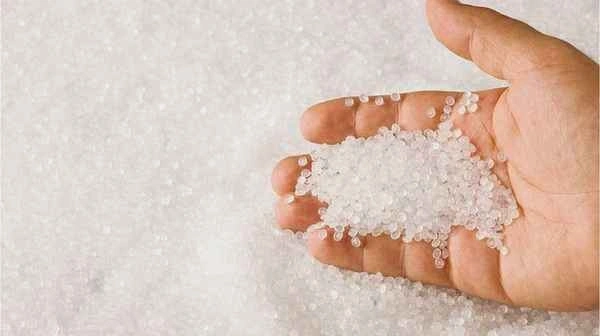
Polypropylene granules
Workbench: Injection molded polypropylene material properties
|
Property |
range |
|
Density g / cm³ |
0.895 - 0.92 |
|
Shrinkage (%) |
1.0-2.5% |
|
Rockwell hardness |
R80 - R125 |
|
Tensile Strength (MPa) |
20 - 40 |
|
Elongation at break (%) |
200 - 600 |
|
Flexural Modulus (GPa) |
1.0 - 1.5 |
|
Flexural Strength (MPa) |
30 - 50 |
|
Drying Temperature (°C) |
70 - 80 |
|
Melt temperature (°C) |
220 - 280 |
|
Mold Temperature (°C) |
20 - 80 |
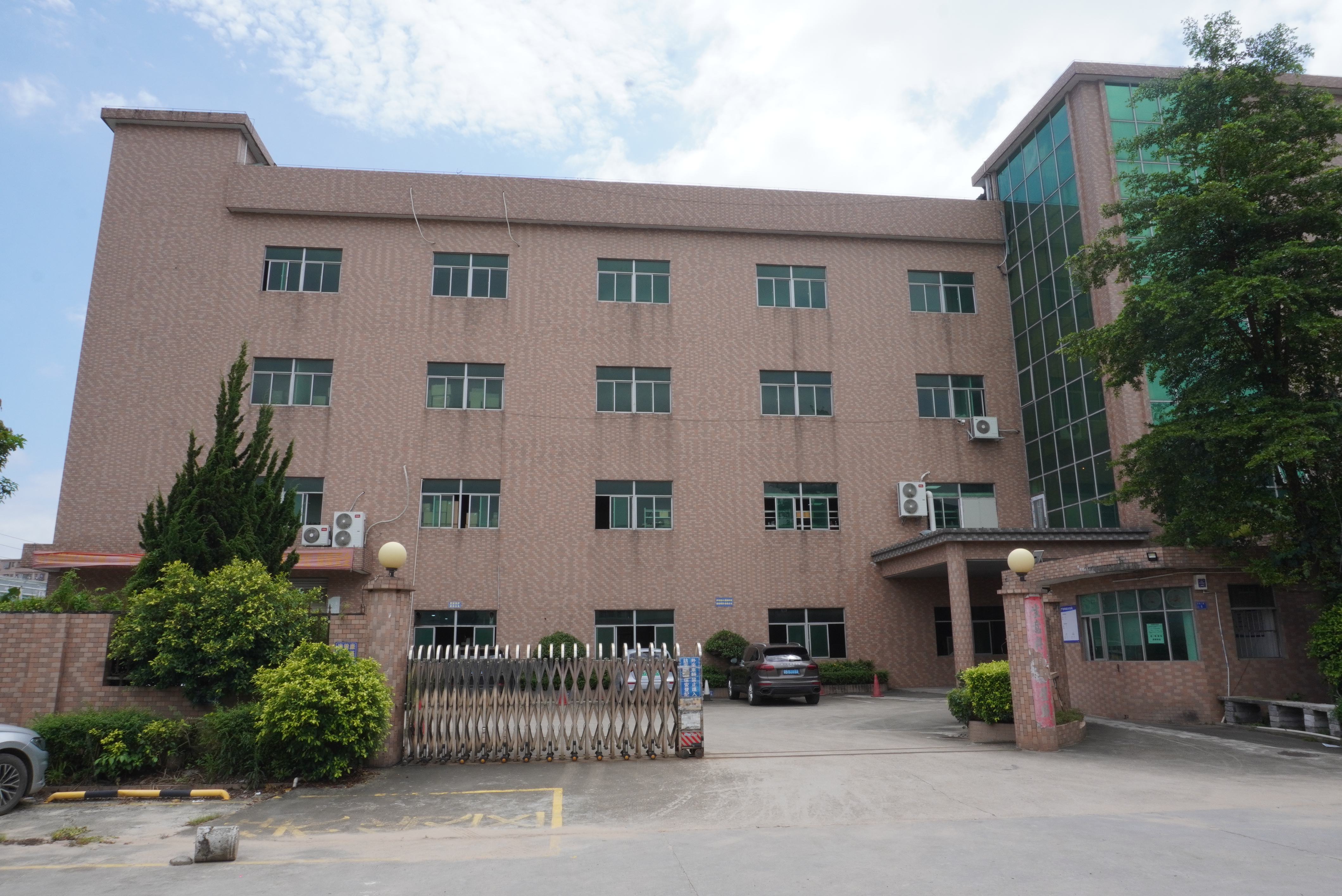
Dongguan Sanlixin Plastic Technology Co.,Ltd
Shenzhen Sanlixin Technology Co., Ltd. and Dongguan Sanlixin Plastic Technology Co., Ltd. is a manufacturer integrating precision plastic mold design, mold opening, single (double) color injection molding, IML injection molding processing, producing various single (double) color, IML process high-end appearance decorative structural parts, two-color buttons, USB dust plugs, panels and other plastic products, providing customers with fast, excellent, Midea all-round service, the company has 15 years of experience in precision plastic mold design, processing and production, with a variety of advanced machine injection molding equipment with excellent quality and fast service to win the trust and strong support of our customers.
Reaction Injection Molding: Processes, Materials, and Applications
EDM: How to Choose Electrode Material?