Nylon: The Versatile Plastic Powering Modern Industry

Breaking News: Nylon Confirmed as a High-Performance Plastic
After decades of widespread use across industries, nylon continues to prove itself as one of the most versatile synthetic plastics available today. As a member of the polyamide family, this engineering thermoplastic combines exceptional strength with remarkable flexibility, making it indispensable in applications ranging from fashion to aerospace.
1. Nylon's Identity as a Plastic
Nylon is scientifically classified as a synthetic polyamide thermoplastic, placing it firmly in the plastic category. Its molecular structure gives it unique properties that distinguish it from other plastics:
- Thermoplastic nature - Can be melted and reshaped repeatedly
- Synthetic polymer - Manufactured through chemical processes
- High molecular weight - Provides durability and strength
- Versatile formulations - Multiple types (PA6, PA66, etc.) for different needs
2. Key Properties of Nylon Plastic
Mechanical Strength
Nylon boasts tensile strength of 70-90 MPa, outperforming many common plastics like polyethylene and polypropylene.
Thermal Resistance
Withstands continuous temperatures up to 180°C (356°F), making it suitable for engine components.
Chemical Resistance
Excellent resistance to oils, fuels, and solvents, though it absorbs moisture.
Abrasion Resistance
Superior wear characteristics, ideal for moving parts and gears.
3. Nylon vs Other Common Plastics
| Property | Nylon (PA6) | Polyethylene (HDPE) | Polypropylene (PP) | ABS |
|---|---|---|---|---|
| Tensile Strength (MPa) | 70-80 | 22-31 | 25-40 | 40-50 |
| Max Service Temp (°C) | 80-100 | 80 | 120 | 80 |
| Moisture Absorption | High (1.6-2.0%) | Very Low | Very Low | Low |
| Impact Resistance | Excellent | Good | Good | Very Good |
4. Major Applications of Nylon Plastic
Textile Industry
- Clothing and apparel
- Carpets and upholstery
- Parachutes and ropes
- Sportswear and swimwear
Industrial Components
- Gears and bearings
- Conveyor belts
- Industrial filters
- Machine parts
Consumer Goods
- Toothbrush bristles
- Fishing lines
- Musical strings
- Kitchen utensils
Automotive
- Engine components
- Fuel systems
- Electrical connectors
- Under-hood parts
5. Processing Nylon Plastic
Nylon can be manufactured using several methods:
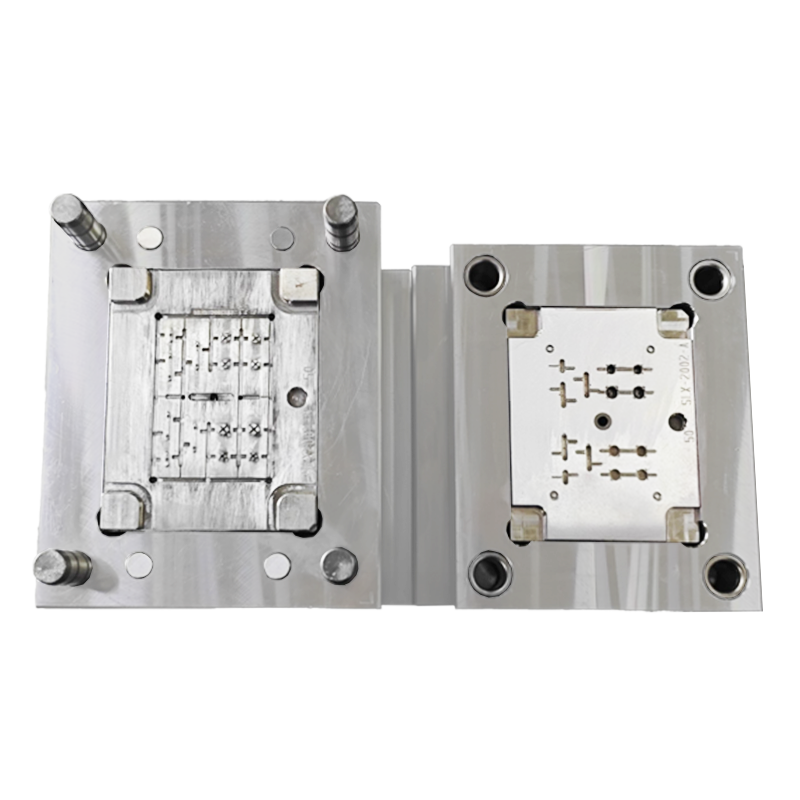
- Injection Molding (most common for parts)
- Extrusion (for fibers and films)
- 3D Printing (growing in popularity)
- CNC Machining (for prototypes)
Special Considerations:
- Requires drying before processing (moisture sensitive)
- High melting temperatures (220-265°C for PA6)
- Fast crystallization requires proper mold design
6. The Future of Nylon Plastics
Industry experts predict several developments:
- Bio-based nylons for sustainability
- High-performance blends with carbon fiber
- Improved moisture resistance formulations
- Expanded 3D printing applications
Conclusion
Nylon's classification as a plastic is well-established, with its polyamide structure providing unique advantages that have made it indispensable in modern manufacturing. From the clothes we wear to the cars we drive, nylon plastic continues to prove its worth as a material that combines durability with versatility. As technology advances, we can expect to see even more innovative applications for this remarkable material.

Dongguan Sanlixin Plastic Technology Co.,Ltd
Shenzhen Sanlixin Technology Co., Ltd. and Dongguan Sanlixin Plastic Technology Co., Ltd. is a manufacturer integrating precision plastic mold design, mold opening, single (double) color injection molding, IML injection molding processing, producing various single (double) color, IML process high-end appearance decorative structural parts, two-color buttons, USB dust plugs, panels and other plastic products, providing customers with fast, excellent, Midea all-round service, the company has 15 years of experience in precision plastic mold design, processing and production, with a variety of advanced machine injection molding equipment with excellent quality and fast service to win the trust and strong support of our customers.
Why an Exhaust System is Essential in Injection Molds
Polyolefin Elastomers (POE): Advantages and Disadvantages