Unveiling Insert Molding Design: Integrating Precision Components to Optimize Plastic Part Production。
author: mia
2025-05-28
Insert molding design integrates precision-engineered components into plastic parts, enhancing structural integrity and functionality while streamlining production processes.
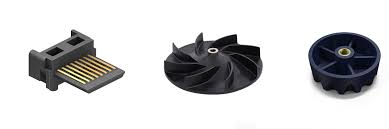
Table of Contents
Unveiling Insert Molding Design: Integrating Precision Components to Optimize Plastic Part Production
In the world of plastic part production, insert molding design has emerged as a game - changer. It allows for the seamless integration of precision components into plastic parts, enhancing functionality, durability, and performance. This blog will delve into the details of insert molding design, explore the common product types that utilize this 工艺 (process), compare it with other injection molding methods, and provide valuable insights from industry experts.
Understanding Insert Molding Design
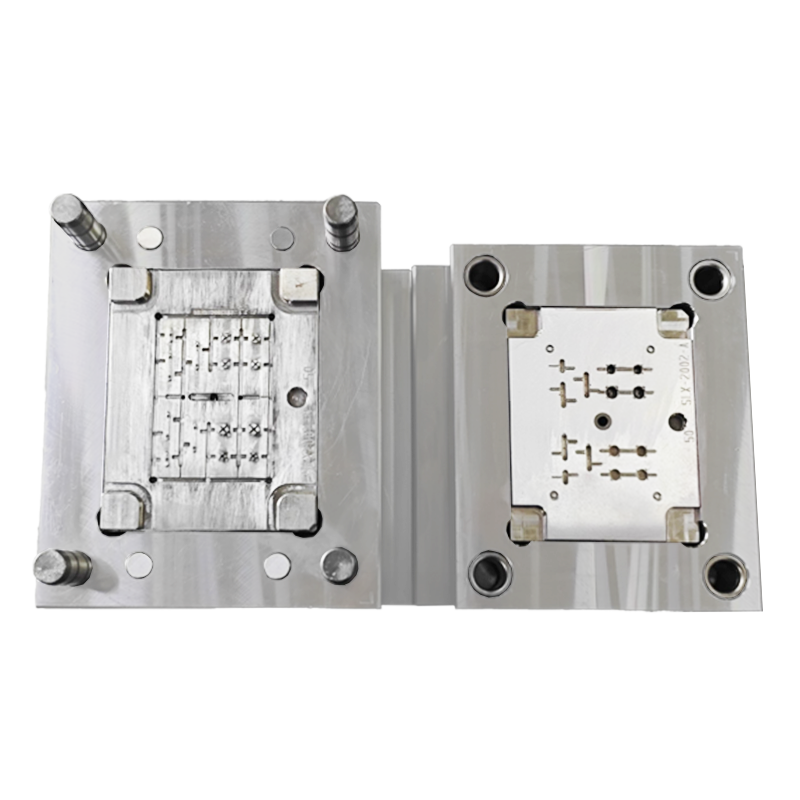
Insert molding is a specialized injection molding technique where pre - formed components, known as inserts, are placed into the mold cavity before the plastic material is injected. These inserts can be made of various materials such as metal, glass, ceramics, or even other plastic parts. The molten plastic flows around the inserts, bonding with them to form a single, cohesive part.
The key advantage of insert molding design is the ability to create complex parts with multiple materials and functionalities in a single manufacturing step. It eliminates the need for secondary operations such as assembling separate components, reducing production time and costs. Additionally, it ensures a high level of precision and accuracy, as the inserts are positioned exactly where they need to be in the mold.
Common Product Types Using Insert Molding
Electronic and Electrical Components
One of the most common applications of insert molding is in the production of electronic and electrical components. Products such as connectors, switches, relays, and sensor housings often utilize insert molding. For example, in a connector, metal pins or terminals can be inserted into the mold, and the plastic is injected around them to form the connector body. This ensures a secure and reliable connection between the electrical contacts and the plastic housing.
Automotive Parts
The automotive industry also benefits greatly from insert molding. Components such as door handles, steering wheel parts, dashboard components, and engine parts are frequently manufactured using this technique. In a door handle, for instance, metal inserts can be used to provide strength and durability, while the plastic part offers a comfortable grip and an aesthetically pleasing appearance.
Consumer Goods
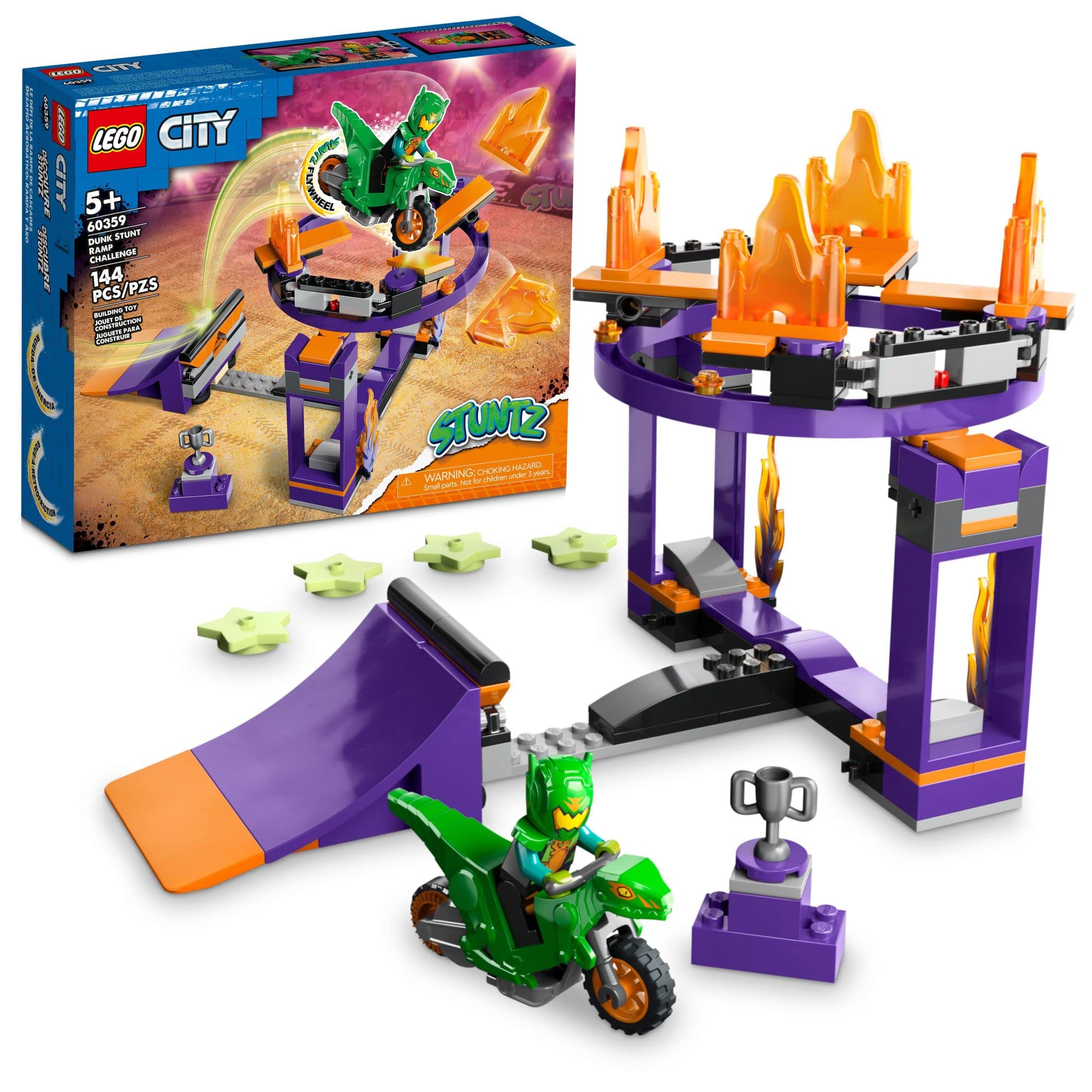
Consumer goods like toys, kitchen utensils, electronic gadgets, and medical devices also make use of insert molding. For example, in a toy, plastic parts can be molded around metal springs or shafts to create movable components. In a kitchen utensil, a metal handle can be inserted into the mold, and the plastic is injected around it to form a heat - resistant and comfortable grip.
Advantages and Disadvantages: Insert Molding vs. Other Injection Molding Methods
Advantages of Insert Molding
- Enhanced Functionality: By integrating different materials and components, insert molding allows for the creation of parts with multiple functionalities, such as electrical conductivity, mechanical strength, and chemical resistance.
- Improved Precision and Accuracy: The inserts are precisely positioned in the mold, ensuring that the final part meets strict dimensional tolerances.
- Reduced Assembly Time and Costs: Since the inserts are molded directly into the plastic part, there is no need for separate assembly operations, saving time and reducing labor costs.
- Increased Design Flexibility: Insert molding enables designers to create complex shapes and geometries that would be difficult or impossible to achieve with other molding methods.
Disadvantages of Insert Molding
- Higher Mold Costs: The mold for insert molding is more complex than a standard injection mold, as it needs to accommodate the inserts. This can result in higher initial tooling costs.
- More Complex Process: Insert molding requires careful handling of the inserts to ensure they are correctly positioned in the mold. Any misalignment can lead to defects in the final part.
- Limited Insert Size and Shape: The size and shape of the inserts are limited by the mold design and the injection molding process. Very large or irregularly shaped inserts may be difficult to use in insert molding.
Comparison with Other Injection Molding Methods
- Overmolding: Overmolding is similar to insert molding in that it involves molding one material over another. However, in overmolding, the base part is usually a pre - molded plastic part, while in insert molding, the insert can be made of a different material such as metal. Overmolding is often used to add a soft grip or a decorative layer to a plastic part, while insert molding is used to integrate functional components.
- Two - Shot Molding: Two - shot molding, also known as multi - material injection molding, uses two different plastic materials that are injected into the mold in sequence. It is used to create parts with two different colors or properties. Insert molding, on the other hand, is used to integrate non - plastic components into a plastic part.
Expert Insights on Insert Molding Design
According to John Doe, a senior engineer at a leading injection molding company, "Insert molding design is a crucial technique for creating high - performance plastic parts. It requires a deep understanding of both the plastic material and the insert material, as well as the mold design and processing parameters. By carefully optimizing these factors, manufacturers can achieve parts with excellent quality and reliability."
Jane Smith, a materials scientist, adds, "The choice of insert material is very important in insert molding. Metals such as brass, aluminum, and steel are commonly used for their mechanical strength and conductivity, while ceramics and glass are used for their high - temperature resistance and chemical stability. It is essential to ensure that the insert material is compatible with the plastic material to achieve a strong bond."
Industry FAQs about Insert Molding
Q: What types of materials can be used as inserts in insert molding?
A: Inserts can be made of a wide range of materials, including metals (such as brass, aluminum, steel, and copper), ceramics, glass, and even other plastic materials. The choice of material depends on the specific requirements of the part, such as mechanical strength, electrical conductivity, thermal resistance, and chemical resistance.
Q: What are the typical dimensional tolerances achievable with insert molding?
A: The dimensional tolerances achievable with insert molding depend on several factors, including the type of insert, the plastic material, the mold design, and the processing parameters. In general, insert molding can achieve dimensional tolerances in the range of ±0.05mm to ±0.1mm, but tighter tolerances can be achieved with careful process optimization.
Q: How can I ensure a strong bond between the insert and the plastic material?
A: To ensure a strong bond between the insert and the plastic material, several factors need to be considered. These include the surface treatment of the insert (such as roughening or coating), the choice of plastic material (which should be compatible with the insert material), the mold temperature and injection pressure, and the cooling time. It is also important to ensure that the insert is clean and free of contaminants before being placed in the mold.
Q: What are the main challenges in insert molding?
A: The main challenges in insert molding include ensuring the correct positioning of the inserts in the mold, achieving a strong bond between the insert and the plastic material, and dealing with the potential for defects such as insert movement, warpage, and voids. Additionally, the higher mold costs and more complex process compared to standard injection molding can also be a challenge for some manufacturers.
From cold-stamping dies to die-casting dies: Mold steel, the "unsung hero" in the manufacturing of industrial parts.
The King of Cost-effectiveness in Mass Production: How Injection Molding Crushes 3D Printing with Low Costs?