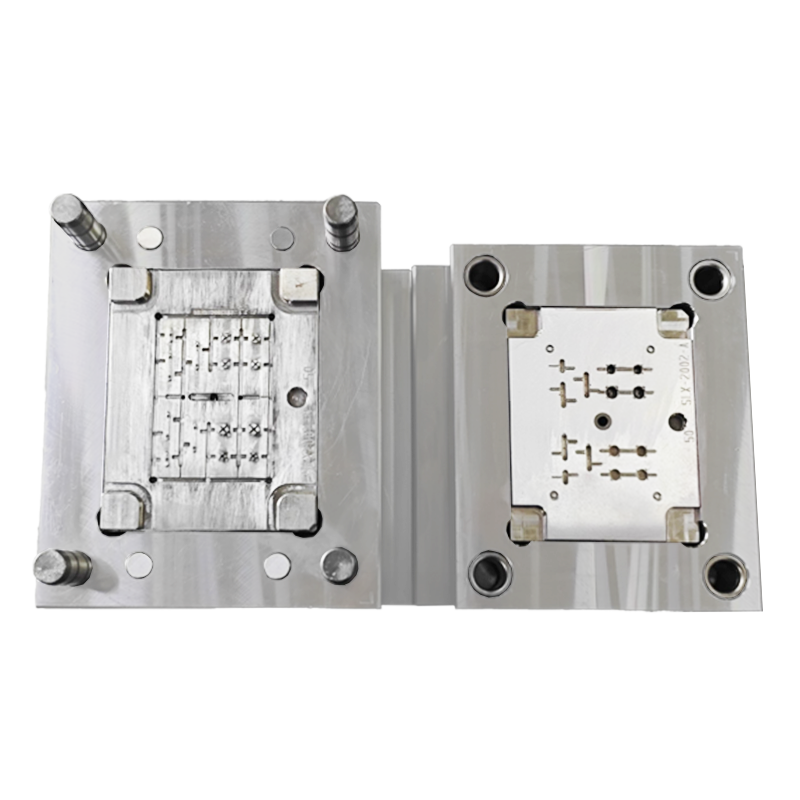
FAQ for Injection Plastic Parts: How to improve precision, reduce costs, and adapt to different industries?
Injection plastic parts boast precise molding, fitting diverse specs for electronics/automotive. Lightweight, durable, with smooth surfaces, ideal for mass-produced components.
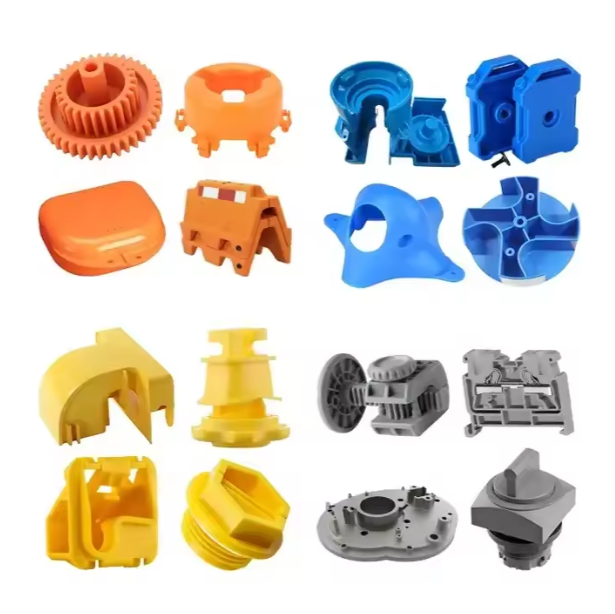
Table of Contents
1. Introduction: Addressing Core Pain Points & FAQ Value
2. Core Module 1: How to Improve Precision of Injection-Molded Parts
2.1 Mold End: The "Foundation" of Precision
- Common Problem 1: Mold Cavity Wear
- Common Problem 2: Poor Parting Surface Fit
- Common Problem 3: 不合理 Gate Design Causing Uneven Material Flow
-
- For thin-walled parts (thickness <1mm, e.g., smartphone casings), use pin-point gates (diameter 0.5–1mm) to ensure fast, uniform filling.
-
- For large, flat parts (e.g., TV backplanes), use fan gates to distribute material evenly and reduce warpage.
-
- For parts with complex internal structures (e.g., gears), use submarine gates (hidden within the mold) to avoid gate marks and maintain precision.
2.2 Process End: "In-Process Control" of Precision
- Key Parameter 1: Injection Pressure/Speed Fluctuations
- Key Parameter 2: Insufficient Holding Pressure Time
- Key Parameter 3: Imbalanced Temperature Curve
-
- For 热敏性 materials like PVC: Set the feed zone temperature to 160℃, the compression zone to 170℃, and the nozzle to 165℃ to avoid degradation.
-
- For high-temperature materials like PA66: Set the feed zone to 240℃, the compression zone to 260℃, and the nozzle to 255℃ to ensure full melting.
2.3 Material End: "Hidden Influences" on Precision
- Easily Overlooked Issue 1: Unstable Material Shrinkage Rate
-
- Select low-shrinkage modified materials (e.g., glass-fiber-reinforced PA66, which has a shrinkage rate of 0.3%–0.8% compared to 1.2%–1.8% for unmodified PA66).
-
- Preset shrinkage compensation in mold design: Calculate the required cavity size using the formula: Cavity Size = Part Size × (1 + Shrinkage Rate). For example, if a PP part needs to be 100mm, the cavity should be 100mm × (1 + 2%) = 102mm.
- Easily Overlooked Issue 2: Reduced Flowability After Adding Glass Fiber
-
- Use low-viscosity glass-fiber-reinforced materials (e.g., PA66 + 30% GF with a melt flow rate of 25g/10min at 275℃/5kg).
-
- Increase the mold gate size by 10%–15% and raise the injection speed by 5%–10% to improve flowability.
3. Core Module 2: How to Reduce Costs of Injection-Molded Parts
3.1 Early Design: Reducing "Unnecessary Costs"
- Optimization Direction 1: Simplify Part Structure
-
- Remove redundant features: For example, replace 5 thin ribs (each 0.5mm thick) with 2 thick ribs (1mm thick) to maintain strength while simplifying mold design.
-
- Avoid deep cavities: If a part requires a cavity depth of 50mm, split it into two assembled parts (each with a 25mm cavity) to reduce mold machining difficulty and cost.
- Optimization Direction 2: Adopt "Multi-Cavity Molds"
3.2 Production Process: Controlling "Explicit Costs"
- Material Saving Strategies
-
- Use servo-driven feeders to precisely control material dosage, reducing material waste from 8% (with manual feeding) to 2% or less.
-
- Recycle qualified scrap: For non-critical parts (e.g., home appliance brackets made of ABS), mix 20% recycled ABS scrap (after crushing and drying) with virgin material. This reduces material costs by 15% without compromising part strength (tests show that ABS parts with 20% recycled content retain 90% of the strength of virgin material parts).
-
- Optimize part thickness: Reducing part thickness by 0.5mm (e.g., from 3mm to 2.5mm for a PP container) reduces material usage by 16.7% per part.
- Energy Optimization Strategies
-
- Replace outdated hydraulic injection machines with energy-saving servo injection machines: These machines use servo motors to adjust power output based on demand, consuming 30%–40% less electricity than traditional hydraulic machines. For example, a 160-ton servo machine uses 8kWh per hour, vs. 12kWh for a traditional machine—saving \(1,440 per month (assuming \)0.15/kWh and 200 operating hours/month).
-
- Optimize production scheduling: Group parts with similar processing temperatures into batches to avoid frequent mold changes and machine heating/cooling cycles. For example, producing all PP parts (processing temperature 180–220℃) in one shift and all PA66 parts (240–260℃) in another reduces heating time by 50% and saves 10% of energy.
3.3 Supply Chain: Cutting "Hidden Costs"
- Cooperation Strategy 1: Long-Term Agreements with Material Suppliers
- Cooperation Strategy 2: Choose Local Mold Suppliers
4. Core Module 3: How to Adapt to Different Industry Requirements
4.1 Automotive Industry: Weather & High-Temperature Resistance Needs
- Core Requirements:
-
- High-temperature resistance (sustains 120℃ without deformation).
-
- UV resistance (no fading or cracking after 5,000 hours of UV exposure).
-
- Impact resistance (withstands 10J impact without breaking, per ISO 179).
- Adaptation Solutions:
-
- Material Selection: Use PA66 + 30% glass fiber (heat deflection temperature of 250℃, 50% higher than unmodified PA66) for underhood parts (e.g., engine wire harness brackets). Add UV stabilizers (e.g., hindered amine light stabilizers, HALS) to exterior parts (e.g., door mirrors) to resist UV damage.
-
- Mold Design: Adopt high-gloss polishing (Ra < 0.2μm) for exterior parts to eliminate the need for post-molding painting, reducing production steps and costs by 20%.
-
- Process Optimization: Increase holding pressure by 10% to reduce part shrinkage (critical for tight-fitting components like sensor housings) and use nitrogen gas-assisted injection for thick-walled parts (e.g., bumper brackets) to reduce warpage.
4.2 Electronics Industry: Precision & Insulation Needs
- Core Requirements:
-
- Tight dimensional tolerance (±0.01mm for connectors, to ensure proper mating with pins).
-
- Electrical insulation (volume resistivity > 10¹⁴ Ω·cm, per IEC 60093).
-
- Flame retardancy (meets UL94 V0 standard, self-extinguishing within 10 seconds).
- Adaptation Solutions:
-
- Mold & Machinery: Use precision molds (machined with 5-axis CNC, ensuring cavity tolerance of ±0.005mm) paired with closed-loop injection machines to maintain dimensional accuracy. For micro-connectors (size <5mm), add laser engraving to the mold for precise pinhole positioning.
-
- Material Selection: Choose flame-retardant ABS (e.g., Sabic Cycolac FR15U, which meets UL94 V0 and has a volume resistivity of 10¹⁶ Ω·cm) for charger casings. For high-temperature electronic parts (e.g., LED driver housings), use flame-retardant PC (heat deflection temperature of 135℃, better than ABS).
-
- Process Control: Reduce injection speed by 15% for thin-walled connectors to avoid air traps (which can cause insulation failures) and use vacuum degassing to remove moisture from materials (moisture in PC can cause hydrolysis and reduce insulation performance).
4.3 Medical Industry: Hygiene & Sterilization Resistance Needs
- Core Requirements:
-
- Biocompatibility (meets FDA 21 CFR Part 177 for food contact, no toxic leachables).
-
- Sterilization resistance (withstands repeated autoclaving at 121℃ or alcohol disinfection).
-
- Contamination control (no particles >0.5μm on part surfaces, per ISO 14644-1 Class 8).
- Adaptation Solutions:
-
- Material Selection: Use medical-grade PP (e.g., Basell Moplen HP500N, FDA-approved) for syringes (PP is resistant to autoclaving and alcohol) or medical-grade PE (for flexible parts like IV tube connectors). Avoid materials with plasticizers (e.g., PVC) for parts that contact bodily fluids.
-
- Production Environment: Operate in a Class 8 cleanroom (max 352,000 particles/m³ of size >0.5μm) with HEPA filters. Use stainless steel mold components (resistant to corrosion from disinfectants) and clean the mold with 70% isopropyl alcohol every 1,000 cycles to prevent contamination.
-
- Process Optimization: Use low-shear injection (reduce screw speed by 20%) to avoid material degradation (degraded plastic can release toxic compounds) and add a vacuum vent to the mold to eliminate air bubbles (bubbles can trap contaminants).
4.4 Home Furnishing Industry: Aesthetics & Durability Needs
- Core Requirements:
-
- Surface quality (no scratches, sink marks, or flash; gloss level >80% for visible parts).
-
- Impact resistance (withstands 5J impact without breaking, per ASTM D256).
-
- Color stability (no fading after 1,000 hours of light exposure).
- Adaptation Solutions:
-
- Material Selection: Use HIPS (High-Impact Polystyrene) for furniture hinges (HIPS has a notched Izod impact strength of 20kJ/m², 3x higher than general-purpose polystyrene) or ABS for TV casings (ABS offers good gloss and colorability). For soft-touch parts (e.g., handle grips), use TPR (Thermoplastic Rubber) overmolding.
-
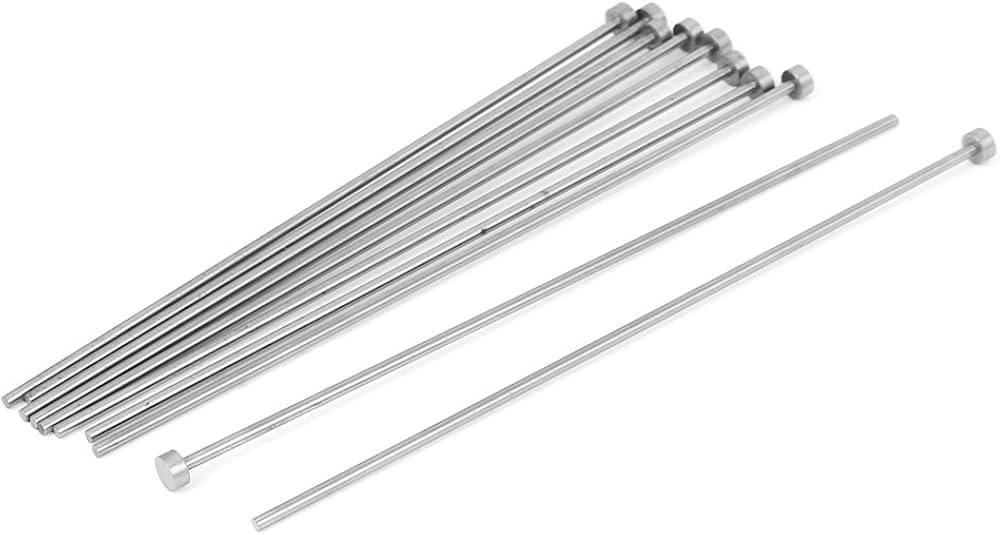
- Mold Design: Use 双色注塑 (two-shot injection molding) for parts requiring two colors (e.g., a white and gray coffee maker housing) to improve aesthetics and eliminate post-assembly steps. Add ejector pins with soft tips (e.g., POM tips) to avoid surface scratches.
-
- Process Optimization: Use constant temperature cooling (maintain mold temperature at 60±2℃) to ensure uniform part cooling and reduce sink marks. For high-gloss parts, use mold temperature controllers to raise mold temperature to 80℃ during injection, then cool rapidly to 40℃ to lock in gloss.
5. Supplementary Module: Common Misconceptions & Pitfall Avoidance Guide
5.1 Misconception 1: "Higher Precision = Better"
- The Problem: For example, a home appliance shelf (non-critical part) with a tolerance of ±0.05mm requires a high-precision mold (costing \(50,000), whereas a tolerance of ±0.1mm (which fully meets assembly needs) only requires a standard mold (costing \)25,000)—doubling mold cost for no practical benefit.
- How to Avoid:
-
- Define tolerance based on industry standards and part function:
-
-
- Critical parts (e.g., electronic connectors): ±0.01mm.
-
-
-
- Semi-critical parts (e.g., automotive sensor housings): ±0.05mm.
-
-
-
- Non-critical parts (e.g., home furniture knobs): ±0.1mm.
-
-
- Use DFM (Design for Manufacturability) analysis early to balance precision and cost—tools like Autodesk Fusion 360 can simulate part assembly and recommend the minimum required tolerance.
5.2 Misconception 2: Cost Reduction Only Relies on "Pressuring Material Prices"
- The Problem: A factory producing plastic buckets switched from virgin PP (\(1.2/kg) to recycled PP with high impurity content (\)0.8/kg) to save 33% on material costs. However, the recycled PP had inconsistent melt flow, leading to 15% of buckets cracking during use—resulting in \(10,000 in customer returns (vs. \)3,000 in material savings).
- How to Avoid:
-
- Evaluate materials based on total cost of ownership (TCO), not just upfront price: Calculate the cost of scrap, rework, and returns caused by poor material quality.
-
- Negotiate with suppliers for value-added services (e.g., pre-dried materials, custom color matching) instead of just lower prices—this reduces in-house processing steps and waste.
5.3 Misconception 3: Industry Adaptation Only Requires Material Replacement
- The Problem: A medical device manufacturer switched from standard PP to medical-grade PP for syringe barrels but kept the same injection speed (80mm/s). The high speed trapped air in the barrel, creating bubbles—these bubbles harbor bacteria, causing the syringes to fail sterility tests and leading to a $50,000 batch recall.
- How to Avoid:
-
- For each new material, adjust key process parameters:
-
-
- Medical-grade materials: Reduce injection speed by 15%–20% to avoid air traps.
-
-
-
- Glass-fiber-reinforced materials: Increase mold temperature by 10℃ to improve flowability.
-
-
- Conduct small-batch tests (100–500 parts) before mass production to verify that both material and process are suitable for the industry’s requirements.
6. Conclusion: Summary & Actionable Recommendations
- Precision improvement requires synergy between mold quality (high-strength steel, CNC machining), process stability (closed-loop machines, Moldflow simulation), and material compatibility (low-shrinkage resins, flowability optimization).
- Cost reduction demands end-to-end optimization: Simplify designs to cut mold costs, reduce waste in production, and streamline the supply chain to eliminate hidden expenses.
- Industry adaptation relies on precision matching: Understand the unique needs of your industry (e.g., medical sterility, automotive high-temperature resistance) and tailor materials, molds, and processes accordingly.
Actionable Next Steps
- For Precision Projects: Before ordering a mold, provide your supplier with:
-
- The part’s industry application (e.g., "automotive underhood sensor housing").
-
- Critical dimensions and tolerance requirements (e.g., "50mm ±0.05mm").
-
- Environmental conditions (e.g., "exposed to 120℃").
- For Cost Optimization: Conduct a waste audit of your production line: Track material waste, energy usage, and mold change time over a week. Identify the top 2–3 waste sources (e.g., 10% material scrap from poor feeding) and prioritize fixes (e.g., install a servo feeder).
- For Industry Adaptation: Create a material-process checklist for your target industry (e.g., medical: "FDA-approved material + cleanroom + low-shear injection"). Use this checklist to verify each step of production.
Let’s Connect!

Dongguan Sanlixin Plastic Technology Co.,Ltd
Shenzhen Sanlixin Technology Co., Ltd. and Dongguan Sanlixin Plastic Technology Co., Ltd. is a manufacturer integrating precision plastic mold design, mold opening, single (double) color injection molding, IML injection molding processing, producing various single (double) color, IML process high-end appearance decorative structural parts, two-color buttons, USB dust plugs, panels and other plastic products, providing customers with fast, excellent, Midea all-round service, the company has 15 years of experience in precision plastic mold design, processing and production, with a variety of advanced machine injection molding equipment with excellent quality and fast service to win the trust and strong support of our customers.
From industrial parts to daily necessities: How does Custom Plastic help products get rid of "homogenization"?
Core premise of quotation: clarify "for whom the mold serves"