Better Plastic Parts Design With Bosses
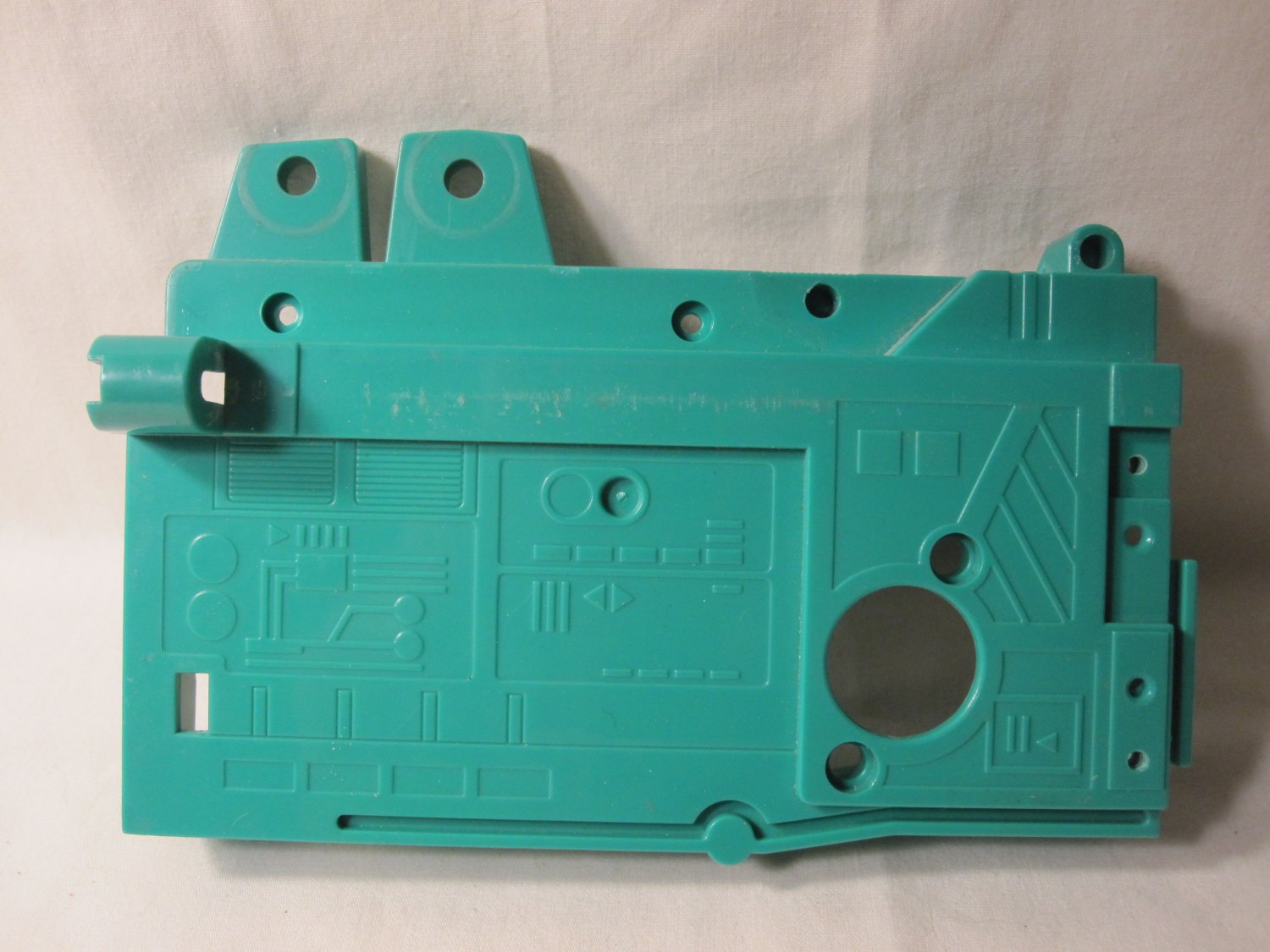
Better Plastic Parts Design With Bosses
Introduction
Designing plastic parts with bosses is a critical aspect of injection molding that can significantly impact the functionality, durability, and manufacturability of the final product. Bosses are cylindrical protrusions used for mounting, assembly, or reinforcement. This article explores best practices for designing bosses to create better plastic parts.
1. Understanding the Role of Bosses in Plastic Parts
Bosses are essential features in plastic parts, often used to accommodate screws, inserts, or other fasteners. They provide structural support and ensure proper alignment during assembly. However, poor boss design can lead to issues like sink marks, warping, or part failure.
1.1 Functions of Bosses
Bosses serve multiple purposes, including:
- Providing attachment points for assembly.
- Reinforcing thin walls or weak areas.
- Supporting inserts or threaded fasteners.
1.2 Common Challenges with Boss Design
Improperly designed bosses can cause:
- Sink marks due to uneven cooling.
- Warping from excessive material buildup.
- Stress concentration leading to part failure.
2. Key Design Considerations for Bosses
To optimize boss design, engineers must consider factors such as wall thickness, height, diameter, and placement. These elements directly influence the part's performance and manufacturability.
2.1 Wall Thickness
Boss walls should typically be 40-60% of the nominal wall thickness to minimize sink marks and ensure uniform cooling. Thicker walls can lead to defects, while thinner walls may lack strength.
2.2 Height and Diameter
The height of a boss should not exceed 2.5 times its outer diameter to maintain stability and prevent deformation. Taller bosses may require ribs for additional support.
2.3 Placement and Spacing
Bosses should be placed away from corners and edges to reduce stress concentration. Adequate spacing between bosses and other features ensures proper material flow during molding.
3. Reinforcing Bosses for Strength and Durability
Reinforcement techniques can enhance the strength and durability of bosses, ensuring they withstand mechanical stresses during assembly and use.
3.1 Adding Ribs
Ribs can be added to bosses to improve stiffness and prevent bending. Ribs should be designed with a thickness of 50-60% of the nominal wall thickness to avoid sink marks.
3.2 Using Gussets
Gussets are triangular supports that connect bosses to the part's main structure. They distribute stress and reduce the risk of cracking or failure.
3.3 Incorporating Inserts
Metal inserts can be molded into bosses to provide stronger threads for fasteners. This is especially useful for parts requiring repeated assembly and disassembly.
4. Material and Manufacturing Considerations
The choice of material and manufacturing process plays a significant role in boss design. Different materials have varying shrinkage rates and mechanical properties that must be accounted for.
4.1 Material Selection
Materials with low shrinkage rates, such as polycarbonate (PC) or acrylonitrile butadiene styrene (ABS), are ideal for bosses. High-shrinkage materials may lead to dimensional inaccuracies.
4.2 Mold Design
Proper mold design ensures even cooling and reduces the risk of defects. Cooling channels should be strategically placed near bosses to prevent sink marks and warping.
4.3 Draft Angles
Adding a draft angle of 1-2 degrees to bosses facilitates easier ejection from the mold and reduces the risk of damage during demolding.
5. Testing and Validation
Prototyping and testing are essential to validate boss design. Simulations and physical tests can identify potential issues before mass production.
5.1 Mold Flow Analysis
Mold flow analysis helps predict how the material will fill the mold, highlighting areas prone to defects like sink marks or air traps.
5.2 Stress Analysis
Finite element analysis (FEA) can assess the stress distribution in bosses, ensuring they can withstand mechanical loads without failure.
5.3 Prototyping
Creating prototypes allows for real-world testing of boss performance, including assembly and load-bearing capabilities.
Conclusion
Designing better plastic parts with bosses requires a balance of functionality, manufacturability, and material considerations. By following best practices such as optimizing wall thickness, reinforcing with ribs or gussets, and validating designs through testing, engineers can create robust and reliable plastic parts. Proper boss design not only enhances product performance but also reduces manufacturing defects, leading to cost savings and improved customer satisfaction.
Dongguan Sanlixin Plastic Technology Co.,Ltd
Shenzhen Sanlixin Technology Co., Ltd. and Dongguan Sanlixin Plastic Technology Co., Ltd. is a manufacturer integrating precision plastic mold design, mold opening, single (double) color injection molding, IML injection molding processing, producing various single (double) color, IML process high-end appearance decorative structural parts, two-color buttons, USB dust plugs, panels and other plastic products, providing customers with fast, excellent, Midea all-round service, the company has 15 years of experience in precision plastic mold design, processing and production, with a variety of advanced machine injection molding equipment with excellent quality and fast service to win the trust and strong support of our customers.
What Is the Difference Between Plastics Extrusion and Injection Molding?
How to Choose Colors for Plastic Injection Molding