How Injection Moulding Enhances Food Safety Standards
How Injection Moulding Enhances Food Safety Standards
Introduction to Injection Moulding in the Food Industry
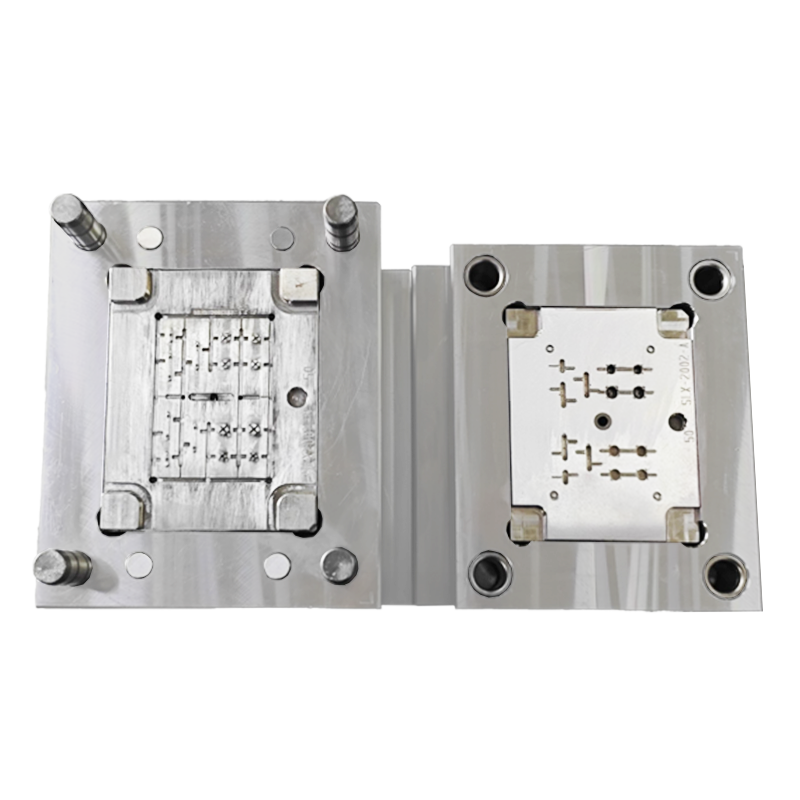
Injection moulding is a widely used manufacturing process in the food industry, known for its ability to produce high-quality, consistent, and safe plastic components. This technique involves injecting molten plastic into a mould to create parts with precise shapes and dimensions. Given the stringent safety requirements in the food sector, injection moulding plays a crucial role in ensuring that food packaging and processing equipment meet the highest standards of hygiene and safety.
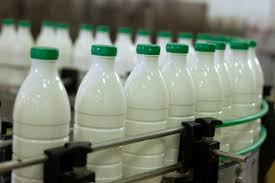
Key Benefits of Injection Moulding for Food Safety
Injection moulding offers several advantages that contribute to enhanced food safety standards:
Material Safety and Compliance
Injection moulding allows for the use of food-grade plastics that comply with regulatory standards such as FDA (Food and Drug Administration) and EU (European Union) regulations. These materials are non-toxic, non-reactive, and safe for direct contact with food, ensuring that there is no risk of contamination.
Precision and Consistency
The high precision of injection moulding ensures that each component is produced with exact specifications, reducing the risk of defects that could compromise food safety. Consistent production quality is essential for maintaining the integrity of food packaging and processing equipment.
Seamless and Smooth Surfaces
Injection moulded parts have smooth, seamless surfaces that are easy to clean and sanitize. This reduces the risk of bacterial growth and contamination, which is critical for maintaining hygiene in food processing and packaging environments.
Durability and Resistance
Injection moulded components are highly durable and resistant to wear, chemicals, and extreme temperatures. This durability ensures that food packaging and processing equipment can withstand rigorous use without degrading, which is essential for long-term food safety.
Applications of Injection Moulding in the Food Industry
Injection moulding is utilized in various applications within the food industry to enhance safety and efficiency:
Food Packaging
Injection moulding is used to produce a wide range of food packaging solutions, including containers, lids, and trays. These packaging components are designed to be airtight, leak-proof, and tamper-evident, ensuring that food remains fresh and uncontaminated during storage and transport.
Processing Equipment
Components for food processing equipment, such as conveyor belts, sorting mechanisms, and cutting tools, are often manufactured using injection moulding. The precision and durability of these components are crucial for maintaining the safety and efficiency of food processing operations.
Utensils and Cutlery
Disposable and reusable utensils, such as spoons, forks, and knives, are commonly produced through injection moulding. These items are made from food-safe materials and designed for easy cleaning, reducing the risk of cross-contamination.
Beverage Containers
Injection moulding is used to create bottles, caps, and straws for beverages. These components are designed to be leak-proof and resistant to temperature changes, ensuring that beverages remain safe and fresh for consumption.
Innovative Examples of Injection Moulding Enhancing Food Safety
Several innovative applications of injection moulding have significantly improved food safety standards:
Antimicrobial Packaging
Injection moulding can incorporate antimicrobial additives into plastic materials, creating packaging that actively inhibits the growth of bacteria and other pathogens. This technology helps extend the shelf life of perishable foods and reduces the risk of foodborne illnesses.
Smart Packaging
Injection moulded smart packaging solutions include features such as time-temperature indicators and freshness sensors. These innovations provide real-time information about the condition of the food, helping consumers and retailers ensure that food is safe to eat.
Single-Use Packaging
Single-use injection moulded packaging reduces the risk of contamination by eliminating the need for reusable containers. This is particularly important in settings such as hospitals and schools, where hygiene is paramount.
Conclusion
Injection moulding is a vital technology that enhances food safety standards by producing high-quality, consistent, and safe plastic components. Through the use of food-grade materials, precise manufacturing processes, and innovative designs, injection moulding ensures that food packaging and processing equipment meet the highest standards of hygiene and safety. As the food industry continues to evolve, injection moulding will remain a key enabler of advancements in food safety and quality.
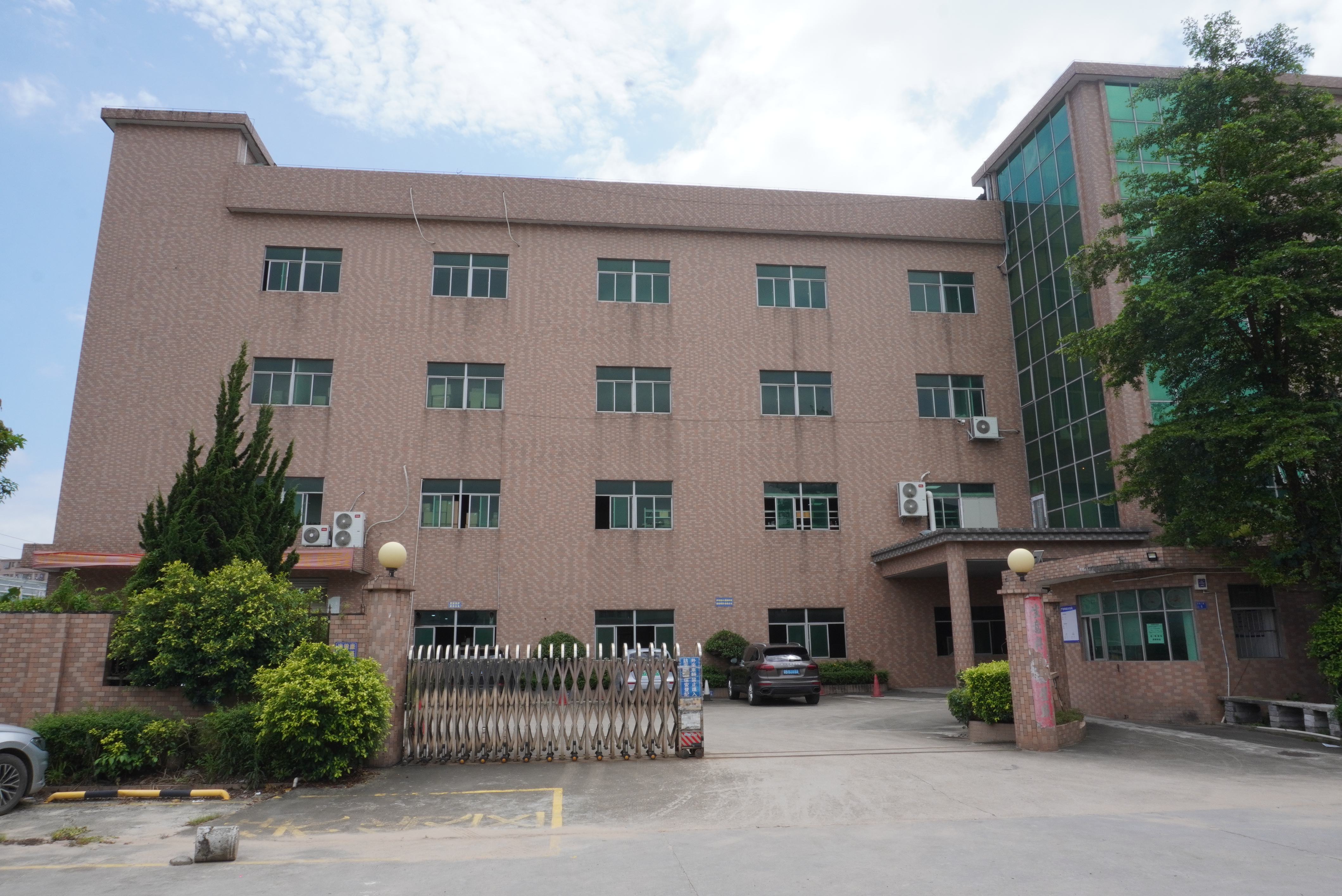
Dongguan Sanlixin Plastic Technology Co.,Ltd
Shenzhen Sanlixin Technology Co., Ltd. and Dongguan Sanlixin Plastic Technology Co., Ltd. is a manufacturer integrating precision plastic mold design, mold opening, single (double) color injection molding, IML injection molding processing, producing various single (double) color, IML process high-end appearance decorative structural parts, two-color buttons, USB dust plugs, panels and other plastic products, providing customers with fast, excellent, Midea all-round service, the company has 15 years of experience in precision plastic mold design, processing and production, with a variety of advanced machine injection molding equipment with excellent quality and fast service to win the trust and strong support of our customers.
How Plastic Injection Moulding is Applied in the Maritime Industry
Medical Marvels: How Precision Plastic Moulding Advances Medical Devices