Understanding the Injection Mold Process
Understanding the Injection Mold Process
Introduction to Injection Molding
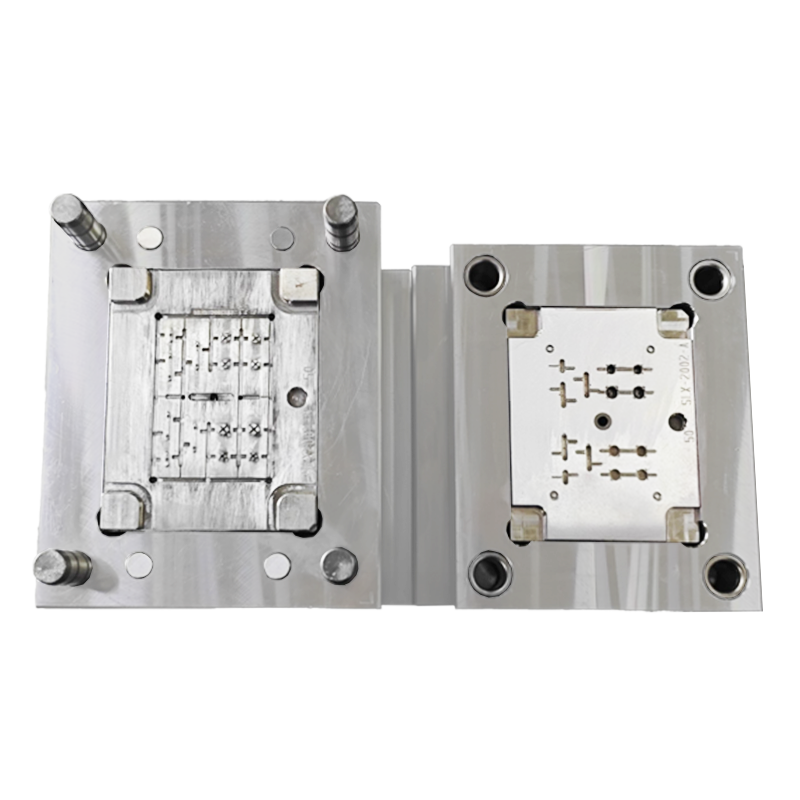
Injection molding is a widely used manufacturing process for producing plastic parts in large volumes. It involves injecting molten plastic material into a mold cavity, where it cools and solidifies into the desired shape. This process is highly efficient, allowing for the production of complex and high-quality parts with consistent precision. This article provides a detailed overview of the injection mold process, its stages, advantages, and applications.
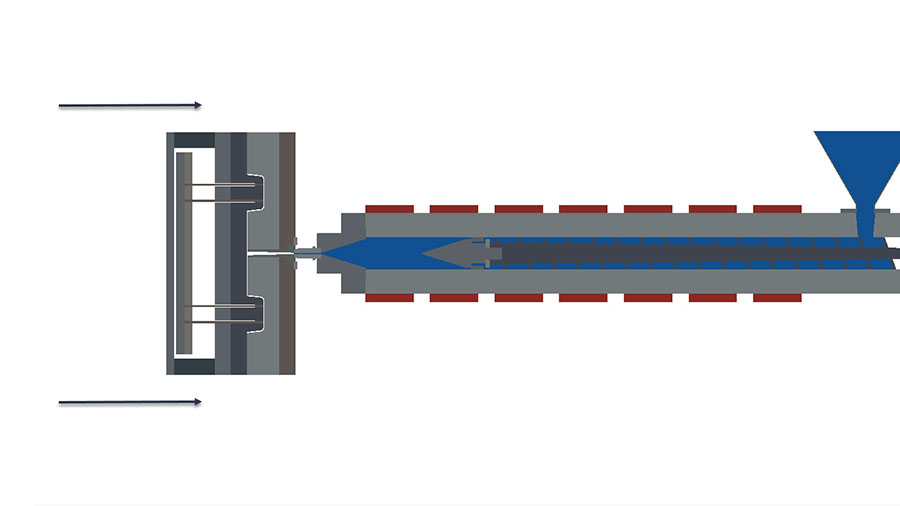
Key Stages of the Injection Mold Process
The injection mold process consists of several critical stages, each contributing to the production of high-quality plastic parts. Below are the key stages:
1. Clamping
The first stage involves closing and clamping the two halves of the mold. The clamping unit holds the mold securely in place to withstand the high pressure of the injected plastic.
Steps:
- Mold Closing: The two halves of the mold are brought together and clamped.
- Clamping Force: Sufficient clamping force is applied to keep the mold closed during injection.
2. Injection
Molten plastic is injected into the mold cavity under high pressure. This stage ensures that the plastic fills the entire cavity and takes the shape of the mold.
Steps:
- Plastic Melting: Plastic pellets are fed into the injection molding machine and melted.
- Injection: The molten plastic is injected into the mold cavity through the nozzle and runner system.
3. Cooling
After injection, the molten plastic begins to cool and solidify within the mold. Proper cooling is essential to achieve the desired part dimensions and properties.
Steps:
- Cooling Time: The cooling time is determined based on the material and part design.
- Cooling System: Cooling channels within the mold help regulate the temperature and ensure uniform cooling.
4. Ejection
Once the plastic has sufficiently cooled and solidified, the mold opens, and the part is ejected from the mold cavity.
Steps:
- Mold Opening: The two halves of the mold are separated.
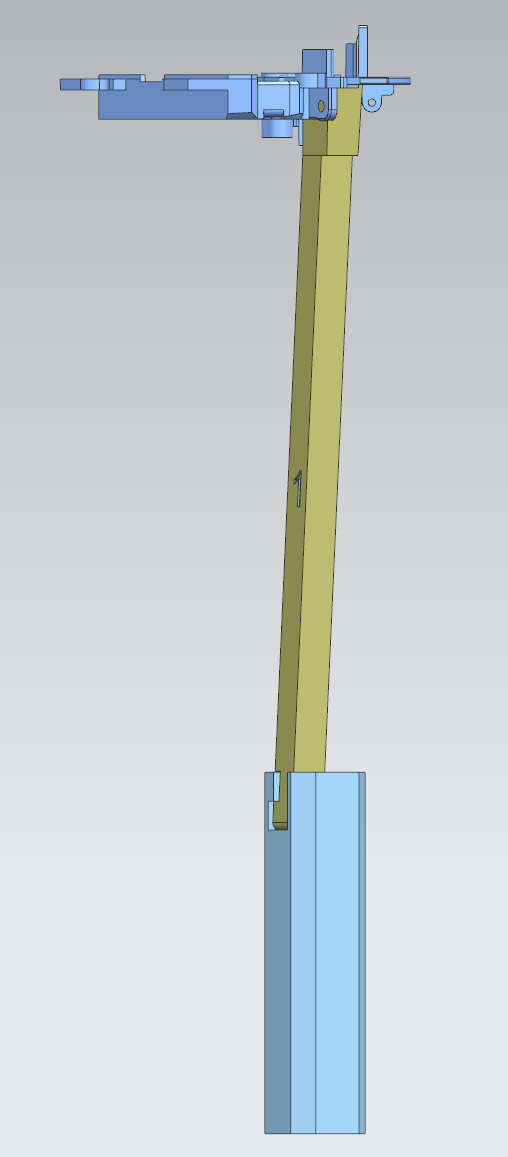
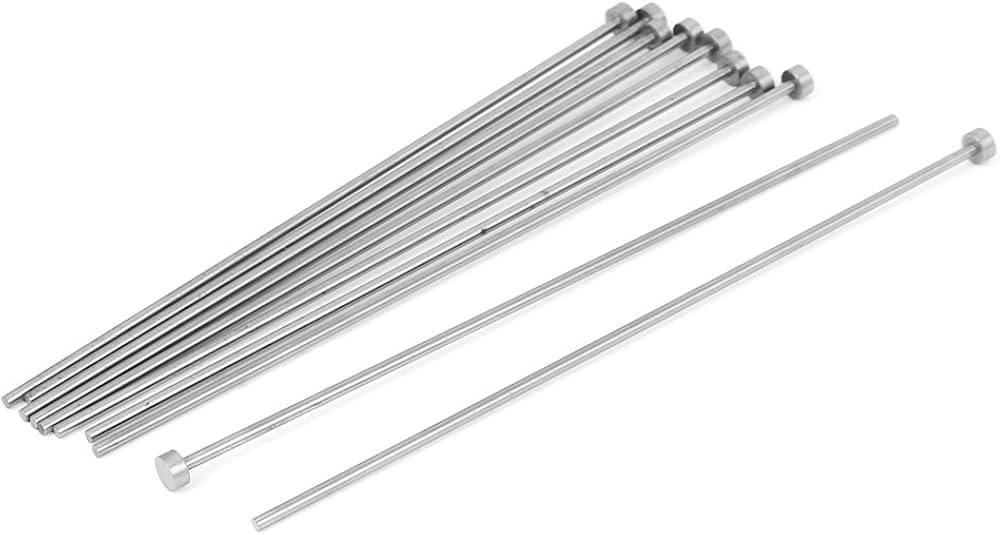
- Ejection Mechanism: Ejector pins or plates push the part out of the mold cavity.
5. Post-Processing
After ejection, the part may undergo additional post-processing steps to achieve the final desired properties and appearance.
Steps:
- Trimming: Excess material, such as flash or runners, is removed.
- Surface Finishing: The part may be polished, painted, or coated for aesthetic or functional purposes.
- Assembly: Multiple parts may be assembled to create a final product.
Advantages of the Injection Mold Process
Injection molding offers numerous benefits that make it a preferred choice for manufacturing plastic parts:
1. High Efficiency
Injection molding allows for high-volume production with consistent quality and precision.
2. Complex Part Design
The process can produce complex and intricate parts with tight tolerances and fine details.
3. Material Versatility
A wide range of thermoplastic materials can be used, allowing for flexibility in part properties and applications.
4. Cost-Effectiveness
Once the mold is created, the per-unit cost of production is relatively low, especially for large volumes.
5. Minimal Waste
Excess material from the molding process can often be recycled and reused, reducing waste.
Applications of Injection Molding
Injection molding is used in various industries to produce a wide range of products:
1. Automotive Industry
- Interior and Exterior Components: Dashboards, bumpers, and door panels.
- Engine Components: Air intake manifolds and fluid reservoirs.
2. Consumer Goods
- Household Items: Containers, utensils, and toys.
- Electronics: Casings, connectors, and buttons.
3. Medical Devices
- Surgical Instruments: Scalpel handles and forceps.
- Medical Equipment: Syringes, IV components, and diagnostic devices.
4. Packaging
- Bottles and Caps: Beverage bottles and pharmaceutical caps.
- Containers: Food storage containers and cosmetic jars.
Conclusion
The injection mold process is a highly efficient and versatile manufacturing method for producing high-quality plastic parts. By understanding the key stages—clamping, injection, cooling, ejection, and post-processing—manufacturers can optimize their production processes and achieve consistent results. The advantages of injection molding, including high efficiency, complex part design, material versatility, cost-effectiveness, and minimal waste, make it a preferred choice across various industries. Whether for automotive components, consumer goods, medical devices, or packaging, injection molding provides a reliable and efficient solution for producing plastic parts.
Dongguan Sanlixin Plastic Technology Co.,Ltd
Shenzhen Sanlixin Technology Co., Ltd. and Dongguan Sanlixin Plastic Technology Co., Ltd. is a manufacturer integrating precision plastic mold design, mold opening, single (double) color injection molding, IML injection molding processing, producing various single (double) color, IML process high-end appearance decorative structural parts, two-color buttons, USB dust plugs, panels and other plastic products, providing customers with fast, excellent, Midea all-round service, the company has 15 years of experience in precision plastic mold design, processing and production, with a variety of advanced machine injection molding equipment with excellent quality and fast service to win the trust and strong support of our customers.
Understanding Aluminum Extrusion Dies
A Guide to Short Run Plastic Injection Molding