What to Know About Injection Molding Tooling Life
What to Know About Injection Molding Tooling Life
Injection molding tool life is the number of production cycles that an injection mold can complete before it needs to be replaced or repaired. A production cycle spans the closing of the mold, the injection of a “shot” of molten plastic material, cooling, the opening of the mold, and the removal of the part. Predicting the lifespan of an injection mold is challenging, but Fictiv can help you select the right tool — whether it’s for prototyping, low, medium, or high-volume production.
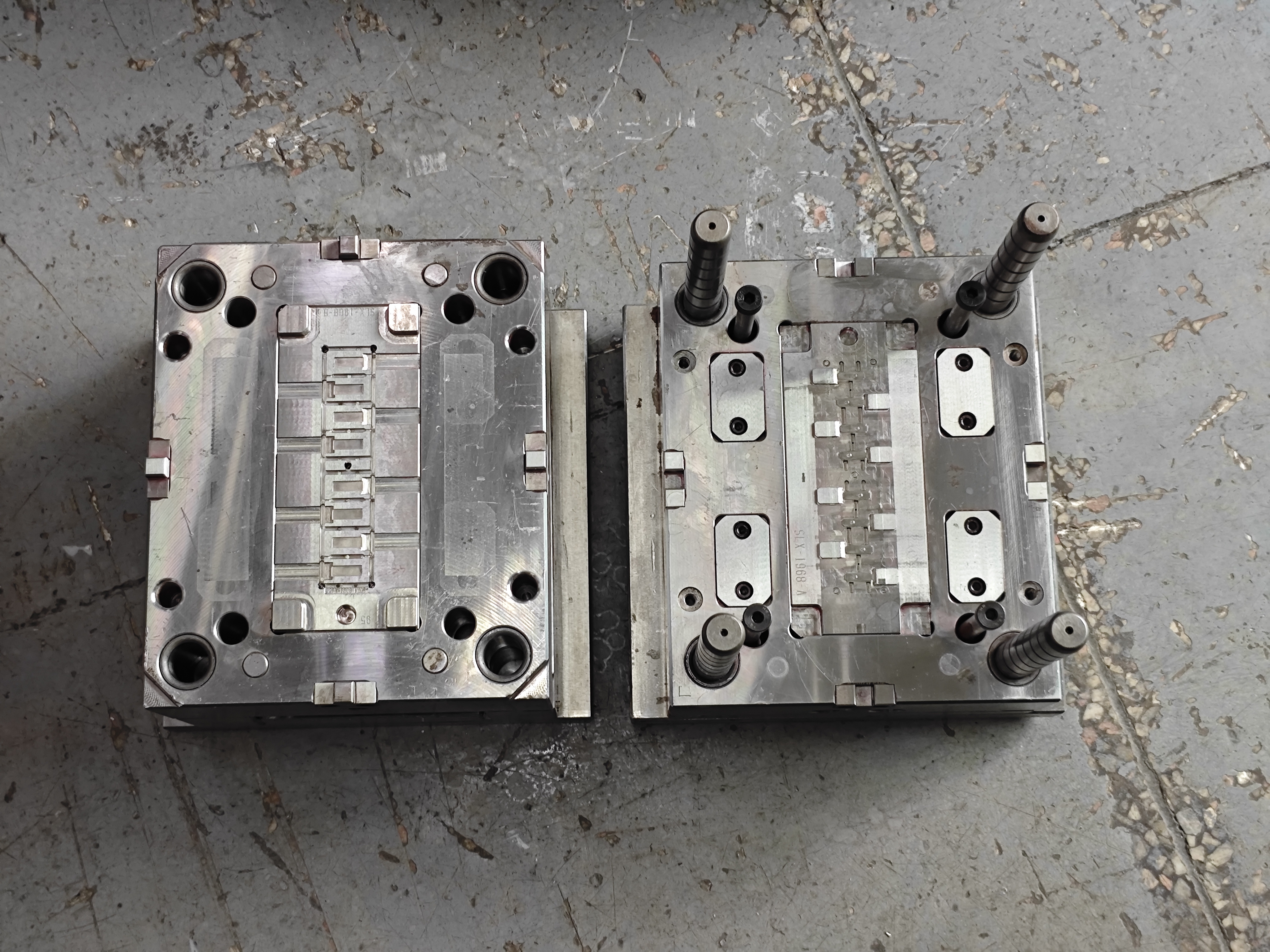
What is the Life Cycle of Injection Molding Tooling?
The Society of the Plastics Industry (SPI), a trade association that has rebranded itself as plastic defines five classes of injection molds. These classes provide a convenient way to compare plastic injection molding tooling in terms of production volume, which is a relative measurement; and production cycles, which correspond to a range of numbers.
| SPI Mold Class | Volume | Cycles |
| 101 | High | Over 1 million |
| 102 | Medium-to-High | 500,000 to 1 million |
| 103 | Medium | Under 500,000 |
| 104 | Low | Less than 100,000 |
| 105 | Prototype | Less than 500 |
The following sections describe each SPI mold class in detail, and later sections provide more information about injection mold tool materials and other factors, such as mold design, that limit or extend injection mold tool life. (Note that hardness measurements below are given on the Rockwell C (RC) scale.)
SPI Class 101 molds are the most expensive and are built to withstand over 1 million production cycles and produce plastic parts with tight tolerances and complex geometries. These injection molds are made of high-grade steel and, if sliders are used, are equipped with wear plates. With Class 101 molds, the minimum hardness of the cavities and cores is 48 RC, and the minimum hardness of tool components is 28 RC.
SPI Class 102 Molds
SPI Class 102 molds can produce medium-to-high volumes of plastic parts with a good surface finish. Although they’re made of lower-grade steel than Class 101 molds, SPI Class 102 molds are built for medium-to-high volumes with cycles that range from 500,000 to 1 million. Class 102 molds cost less than Class 101 molds, but cost more than the other SPI mold classes.
SPI Class 103 Molds
SPI Class 103 molds are designed to produce plastic parts that meet lower cosmetic requirements across medium-volume production runs of fewer than 500,000 cycles. Because they’re made of lower-grade materials, SPI Class 103 molds require more frequent maintenance over time. The minimum hardness for cavities and cores is 28 RC, and the minimum hardness for tool structure components is 18 RC.
SPI Class 104 Molds
SPI Class 104 molds are designed for lower volumes and fewer than 100,000 production cycles. Although they’re made of lower-quality and less expensive materials, Class 104 molds still feature hardened steel inserts, high-quality surface finishes, and tight tolerances. Sometimes, these molds include features such as hot runners and lifters.
SPI Class 105 Molds
SPI Class 105 molds are similar to Class 104 molds in terms of precision and quality but are designed for prototyping rather than production runs. Typically, this type of plastic injection molding tooling lasts for fewer than 500 cycles. Often constructed of cast metal, these molds sometimes use hardened steel for inserts. Of all of the SPI classification types, SPI Class 105 molds are the least expensive.
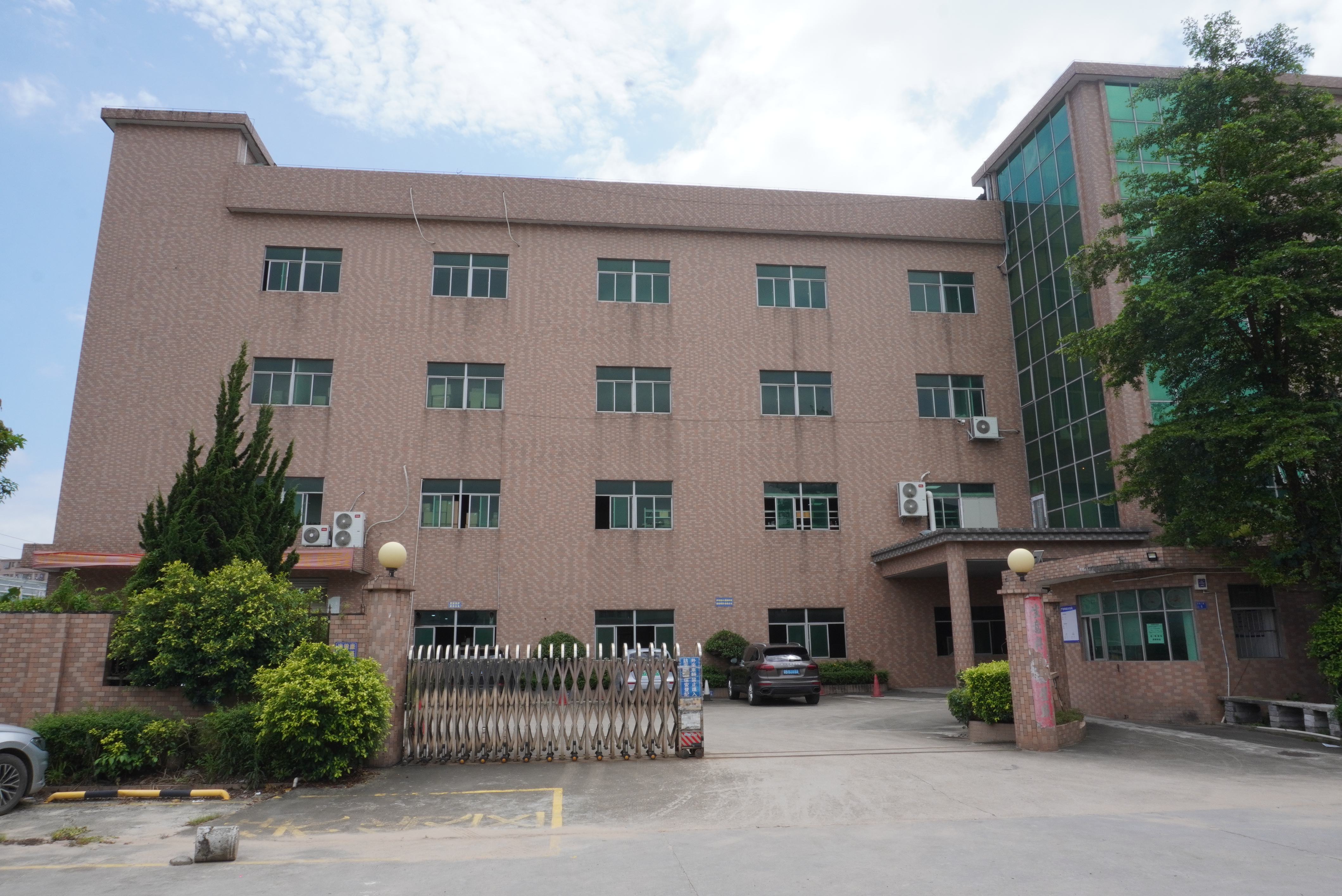
Dongguan Sanlixin Plastic Technology Co.,Ltd
Shenzhen Sanlixin Technology Co., Ltd. and Dongguan Sanlixin Plastic Technology Co., Ltd. is a manufacturer integrating precision plastic mold design, mold opening, single (double) color injection molding, IML injection molding processing, producing various single (double) color, IML process high-end appearance decorative structural parts, two-color buttons, USB dust plugs, panels and other plastic products, providing customers with fast, excellent, Midea all-round service, the company has 15 years of experience in precision plastic mold design, processing and production, with a variety of advanced machine injection molding equipment with excellent quality and fast service to win the trust and strong support of our customers.
7 Common Injection Molding Defects and How to Avoid Them
Insert Molding: Advantages, Disadvantages, and Applications