Uses for Reverse Engineering in Manufacturing
Uses for Reverse Engineering in Manufacturing
Introduction
Reverse engineering is a powerful tool in the manufacturing industry, enabling companies to analyze, understand, and replicate existing products or components. By deconstructing a product to uncover its design, materials, and functionality, manufacturers can innovate, improve, and optimize their processes. This article explores the key uses of reverse engineering in manufacturing and its impact on product development and production.
1. Product Improvement and Optimization
Reverse engineering allows manufacturers to analyze existing products and identify areas for improvement:
Enhancing Design
By studying the design of a product, manufacturers can identify inefficiencies and make modifications to improve performance, durability, or functionality.
Material Optimization
Reverse engineering helps determine the materials used in a product, enabling manufacturers to explore alternative materials that may offer better performance or cost savings.
Cost Reduction
Analyzing the manufacturing process of a product can reveal opportunities to streamline production and reduce costs without compromising quality.
2. Legacy Part Reproduction
Reverse engineering is invaluable for reproducing legacy parts that are no longer available:
Recreating Obsolete Components
When original designs or molds are unavailable, reverse engineering can be used to recreate obsolete parts, ensuring the continued operation of older machinery or equipment.
Maintaining Equipment
Manufacturers can use reverse engineering to produce replacement parts for aging equipment, extending its lifespan and avoiding costly replacements.
Preserving Knowledge
Reverse engineering helps capture the design and manufacturing knowledge of legacy products, preserving it for future use.
3. Competitor Analysis
Reverse engineering provides insights into competitors' products and strategies:
Benchmarking
By analyzing competitors' products, manufacturers can benchmark their own offerings and identify areas where they can gain a competitive edge.
Innovation Inspiration
Studying competitors' designs can inspire new ideas and innovations, helping manufacturers stay ahead in the market.
Identifying Trends
Reverse engineering can reveal emerging trends in materials, technologies, and design approaches, enabling manufacturers to adapt and innovate.
4. Quality Control and Failure Analysis
Reverse engineering plays a critical role in quality control and failure analysis:
Identifying Defects
By deconstructing a product, manufacturers can identify defects or weaknesses in design or materials that may lead to failure.
Root Cause Analysis
Reverse engineering helps determine the root cause of product failures, enabling manufacturers to implement corrective measures.
Improving Reliability
Analyzing failed components can lead to design improvements that enhance the reliability and durability of future products.
5. Customization and Prototyping
Reverse engineering supports customization and rapid prototyping:
Custom Solutions
Manufacturers can use reverse engineering to create custom solutions tailored to specific customer needs or applications.
Rapid Prototyping
By reverse engineering a product, manufacturers can quickly create prototypes for testing and validation, accelerating the product development process.
Design Iteration
Reverse engineering facilitates iterative design processes, allowing manufacturers to refine and improve prototypes before final production.
6. Intellectual Property and Legal Compliance
Reverse engineering can be used to ensure compliance with intellectual property laws:
Patent Analysis
Manufacturers can use reverse engineering to analyze patented products and ensure their designs do not infringe on existing patents.
Defensive Strategies
Reverse engineering can help manufacturers develop defensive strategies to protect their own intellectual property from competitors.
Legal Documentation
Reverse engineering provides detailed documentation of product designs, which can be used to support legal claims or compliance efforts.
Conclusion
Reverse engineering is a versatile and invaluable tool in the manufacturing industry, offering numerous applications from product improvement and legacy part reproduction to competitor analysis and quality control. By leveraging reverse engineering, manufacturers can innovate, optimize, and stay competitive in a rapidly evolving market. Whether used for prototyping, customization, or failure analysis, reverse engineering empowers manufacturers to unlock new possibilities and drive success.
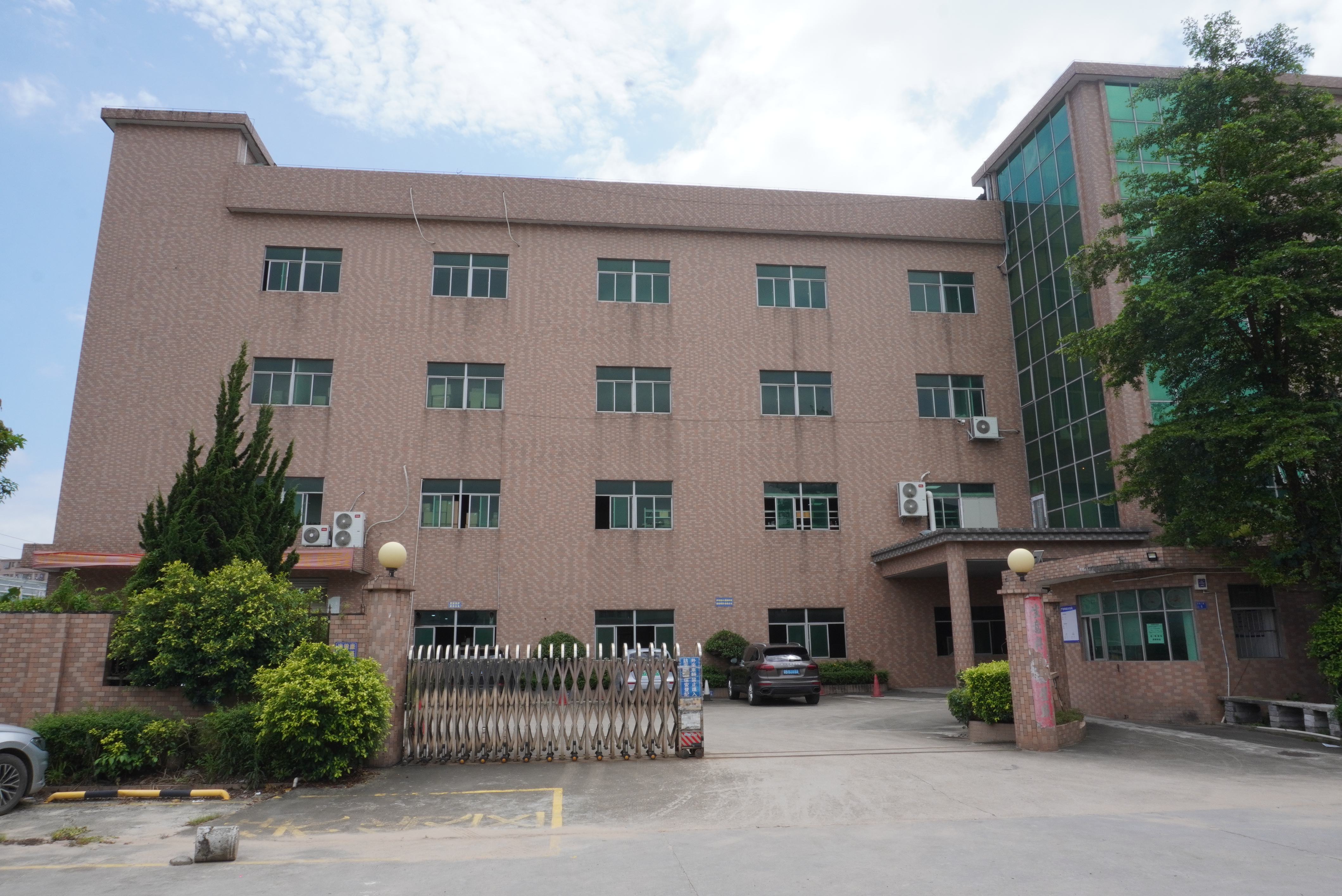
Dongguan Sanlixin Plastic Technology Co.,Ltd
Shenzhen Sanlixin Technology Co., Ltd. and Dongguan Sanlixin Plastic Technology Co., Ltd. is a manufacturer integrating precision plastic mold design, mold opening, single (double) color injection molding, IML injection molding processing, producing various single (double) color, IML process high-end appearance decorative structural parts, two-color buttons, USB dust plugs, panels and other plastic products, providing customers with fast, excellent, Midea all-round service, the company has 15 years of experience in precision plastic mold design, processing and production, with a variety of advanced machine injection molding equipment with excellent quality and fast service to win the trust and strong support of our customers.
CNC Machining Wood: Precision and Versatility in Woodworking
5 Advantages of Outsourcing Your Plastic Injection Molding