Working with Copper: Design, Machining, and Finish Requirements
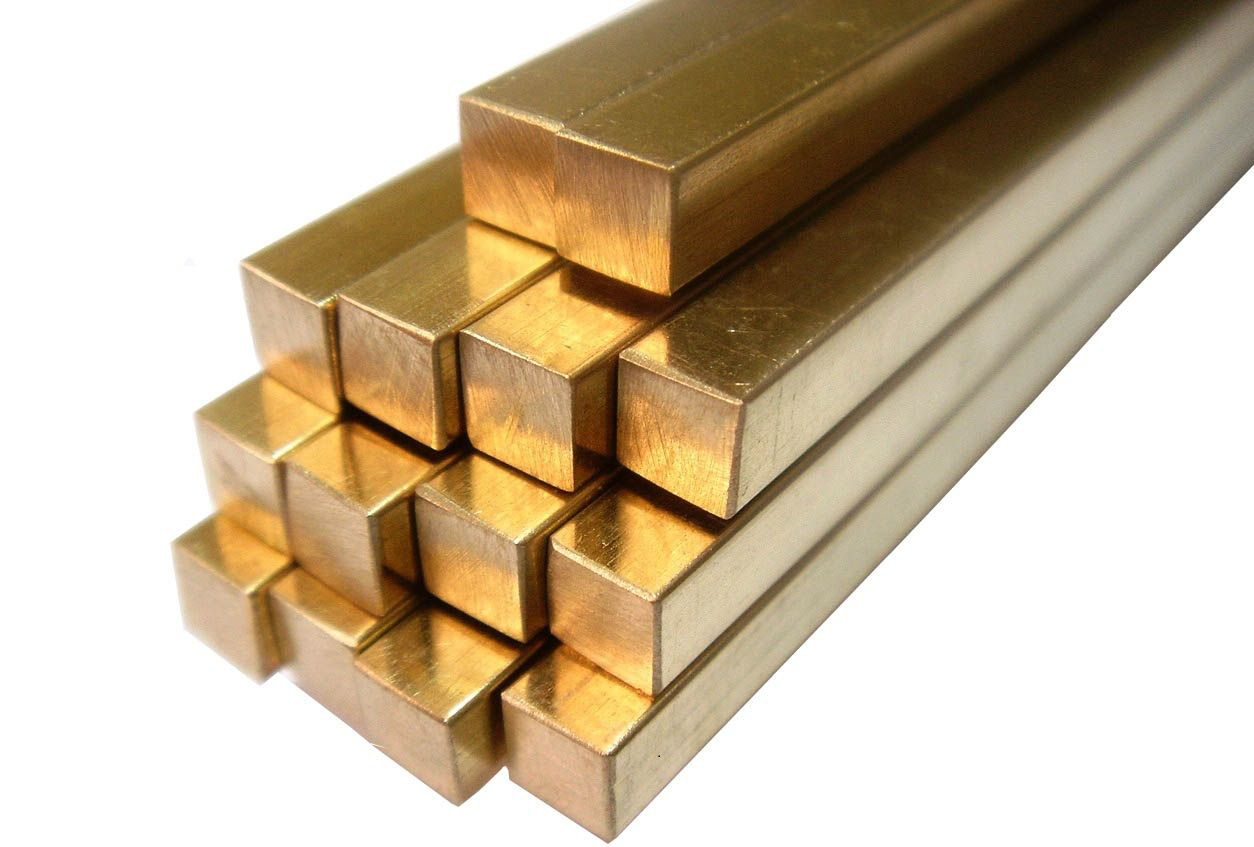
Working with Copper: Design, Machining, and Finish Requirements
Introduction
Copper is a versatile and widely used material known for its excellent electrical and thermal conductivity, corrosion resistance, and aesthetic appeal. However, working with copper requires careful consideration of its unique properties to ensure optimal results in design, machining, and finishing. This article provides a comprehensive guide to working with copper, covering key aspects such as design considerations, machining techniques, and finish requirements.
Design Considerations for Copper
When designing components or products using copper, several factors must be taken into account to maximize its benefits and address its challenges.
1. Electrical and Thermal Conductivity
Copper's high electrical and thermal conductivity make it ideal for applications such as electrical wiring, heat exchangers, and electronic components. Ensure that your design leverages these properties effectively.
2. Corrosion Resistance
Copper naturally forms a protective oxide layer, making it resistant to corrosion. However, in certain environments, additional protective coatings may be necessary to prevent tarnishing or degradation.
3. Mechanical Properties
Copper is relatively soft and ductile, which can be both an advantage and a limitation. While it is easy to form and shape, it may not be suitable for applications requiring high strength or hardness.
4. Aesthetic Appeal
Copper's distinctive color and finish make it a popular choice for decorative applications. Consider the desired aesthetic outcome when designing with copper, as it can develop a patina over time.
Machining Copper
Machining copper requires specific techniques and tools to achieve precise and high-quality results. Below are some key considerations for machining copper:
1. Tool Selection
Use sharp, high-speed steel (HSS) or carbide tools to machine copper. Dull tools can cause work hardening and lead to poor surface finishes.
2. Cutting Speeds and Feeds
Copper's softness and ductility require careful control of cutting speeds and feeds. High speeds can cause excessive heat buildup, while low speeds may result in poor chip formation. Optimal parameters depend on the specific machining operation and copper alloy being used.
3. Lubrication and Cooling
Proper lubrication and cooling are essential to prevent overheating and tool wear. Use appropriate cutting fluids to enhance tool life and achieve a smooth surface finish.
4. Chip Control
Copper tends to produce long, stringy chips that can interfere with machining operations. Use chip breakers or appropriate tool geometries to manage chip formation effectively.
Finish Requirements for Copper
Finishing copper components is crucial for achieving the desired aesthetic and functional properties. Below are some common finishing techniques and considerations:
1. Polishing
Polishing enhances copper's natural luster and is often used for decorative applications. Mechanical polishing with abrasives or chemical polishing solutions can achieve a mirror-like finish.
2. Coating
Applying protective coatings can prevent tarnishing and corrosion. Common coatings include lacquers, clear coats, and electroplated finishes such as nickel or chrome.
3. Patination
Patination involves chemically treating copper to develop a desired patina, which can range from green to brown or blue. This technique is often used for artistic or architectural applications.
4. Cleaning and Maintenance
Regular cleaning and maintenance are essential to preserve copper's appearance and performance. Use mild cleaning agents and avoid abrasive materials that can scratch the surface.
Applications of Copper
Copper's unique properties make it suitable for a wide range of applications across various industries:
1. Electrical and Electronics
Copper is widely used in electrical wiring, printed circuit boards (PCBs), and connectors due to its excellent conductivity.
2. Plumbing and HVAC
Copper pipes and fittings are commonly used in plumbing and heating, ventilation, and air conditioning (HVAC) systems due to their corrosion resistance and thermal conductivity.
3. Architecture and Design
Copper's aesthetic appeal and durability make it a popular choice for roofing, facades, and decorative elements in architecture.
4. Industrial Machinery
Copper components are used in various industrial machinery, including heat exchangers, bearings, and bushings, due to their thermal and mechanical properties.
Conclusion
Working with copper requires a thorough understanding of its properties and careful consideration of design, machining, and finishing requirements. By leveraging copper's unique advantages and addressing its challenges, you can achieve high-quality results in a wide range of applications. Whether you're designing electrical components, architectural features, or industrial machinery, copper offers a combination of performance and aesthetics that is hard to match.
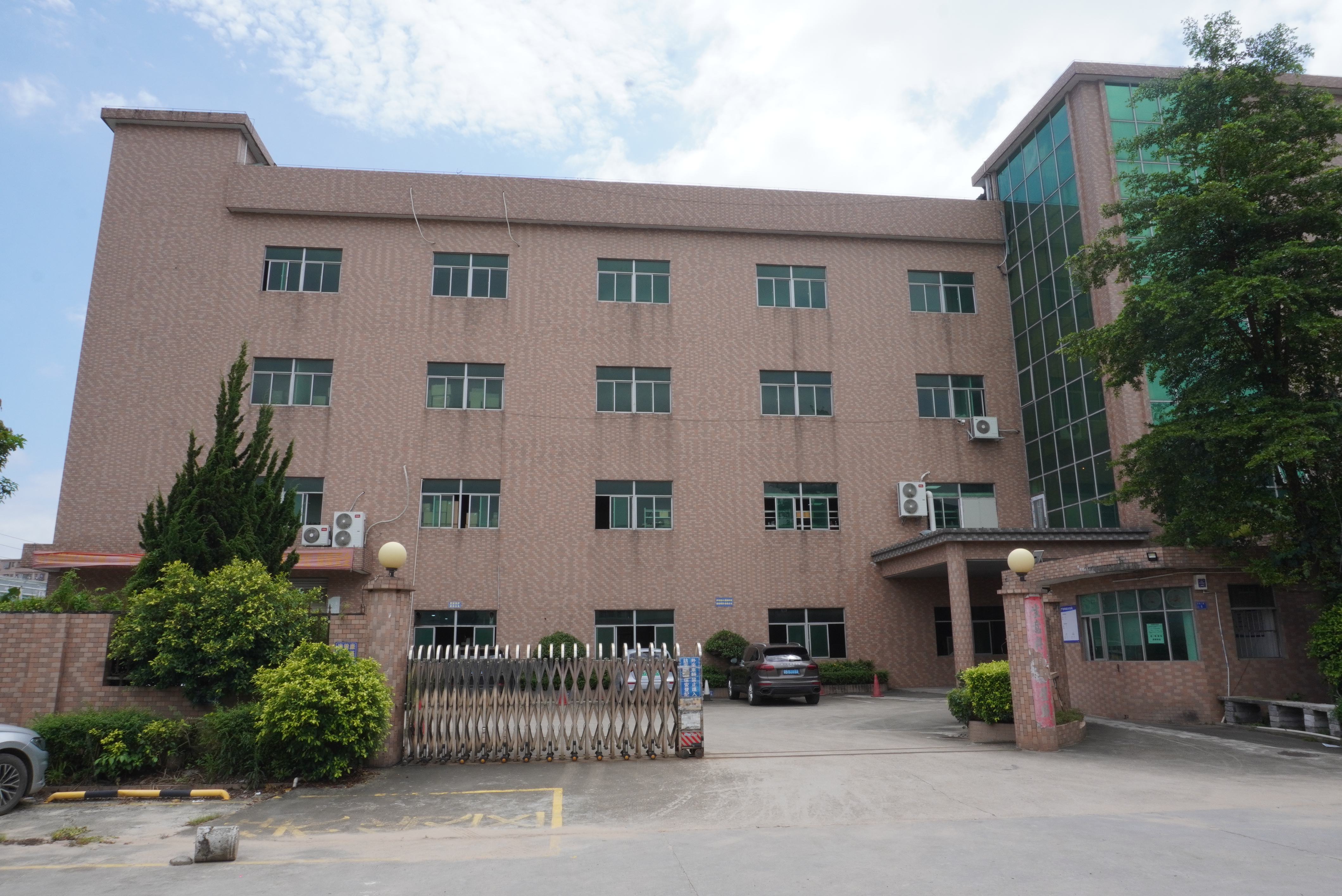
Dongguan Sanlixin Plastic Technology Co.,Ltd
Shenzhen Sanlixin Technology Co., Ltd. and Dongguan Sanlixin Plastic Technology Co., Ltd. is a manufacturer integrating precision plastic mold design, mold opening, single (double) color injection molding, IML injection molding processing, producing various single (double) color, IML process high-end appearance decorative structural parts, two-color buttons, USB dust plugs, panels and other plastic products, providing customers with fast, excellent, Midea all-round service, the company has 15 years of experience in precision plastic mold design, processing and production, with a variety of advanced machine injection molding equipment with excellent quality and fast service to win the trust and strong support of our customers.
Types of Springs and Their Applications: An Overview
Top-Performing Corrosion-Resistant Materials: A Comprehensive Guide