Top-Performing Corrosion-Resistant Materials: A Comprehensive Guide

Top-Performing Corrosion-Resistant Materials: A Comprehensive Guide
Introduction
Corrosion is a major challenge in industries such as construction, automotive, aerospace, and marine engineering. Selecting the right corrosion-resistant materials is crucial for ensuring the longevity and reliability of structures and components. This article explores the top-performing corrosion-resistant materials, their properties, and their applications, helping you make informed decisions for your projects.
What Makes a Material Corrosion-Resistant?
Corrosion resistance refers to a material's ability to withstand degradation caused by chemical or electrochemical reactions with its environment. Factors such as chemical composition, surface treatment, and environmental conditions play a significant role in determining a material's resistance to corrosion.
Key Characteristics of Corrosion-Resistant Materials
- Chemical Stability: Resistance to acids, alkalis, and other corrosive substances.
- Oxidation Resistance: Ability to withstand oxidation at high temperatures.
- Durability: Long-lasting performance in harsh environments.
- Low Reactivity: Minimal interaction with corrosive agents.
Top-Performing Corrosion-Resistant Materials
Below is a list of materials renowned for their exceptional corrosion resistance, along with their key properties and applications.
1. Stainless Steel
Stainless steel is one of the most widely used corrosion-resistant materials, thanks to its chromium content, which forms a passive oxide layer on the surface.
- Properties: High strength, excellent corrosion resistance, and durability.
- Applications: Kitchen appliances, medical instruments, construction, and automotive parts.
2. Titanium
Titanium is known for its exceptional resistance to corrosion, particularly in seawater and chlorine environments.
- Properties: Lightweight, high strength-to-weight ratio, and biocompatibility.
- Applications: Aerospace components, marine hardware, and medical implants.
3. Nickel Alloys
Nickel alloys, such as Inconel and Monel, offer outstanding resistance to corrosion and high-temperature oxidation.
- Properties: Excellent mechanical properties, thermal stability, and resistance to extreme environments.
- Applications: Chemical processing, oil and gas industry, and power generation.
4. Aluminum
Aluminum naturally forms a protective oxide layer, making it highly resistant to corrosion.
- Properties: Lightweight, good conductivity, and ease of fabrication.
- Applications: Aerospace, automotive, and packaging industries.
5. Copper and Its Alloys
Copper and its alloys, such as brass and bronze, are known for their excellent corrosion resistance, particularly in marine environments.
- Properties: Good electrical and thermal conductivity, antimicrobial properties.
- Applications: Plumbing, electrical wiring, and marine hardware.
6. Fiberglass Reinforced Plastics (FRP)
FRP composites are highly resistant to corrosion and are often used as an alternative to traditional metals.
- Properties: Lightweight, high strength, and excellent chemical resistance.
- Applications: Chemical storage tanks, piping systems, and marine structures.
Choosing the Right Corrosion-Resistant Material
Selecting the appropriate material depends on several factors, including the specific environment, mechanical requirements, and cost considerations. Here are some tips to guide your decision:
1. Assess the Environment
Identify the corrosive agents present in the environment, such as saltwater, acids, or industrial chemicals, and choose a material that offers resistance to those specific conditions.
2. Evaluate Mechanical Requirements
Consider the mechanical properties needed for your application, such as strength, flexibility, and thermal stability, and select a material that meets these requirements.
3. Consider Cost and Availability
Balance the material's performance with its cost and availability. While some materials may offer superior corrosion resistance, they may also be more expensive or harder to source.
4. Factor in Maintenance
Some materials may require additional protective coatings or regular maintenance to maintain their corrosion resistance. Consider the long-term maintenance requirements when making your selection.
Conclusion
Corrosion-resistant materials are essential for ensuring the durability and reliability of structures and components in various industries. By understanding the properties and applications of top-performing materials like stainless steel, titanium, nickel alloys, and others, you can make informed decisions that enhance the performance and longevity of your projects. Whether you're working in a marine environment, chemical processing plant, or aerospace industry, choosing the right corrosion-resistant material is key to achieving optimal results.
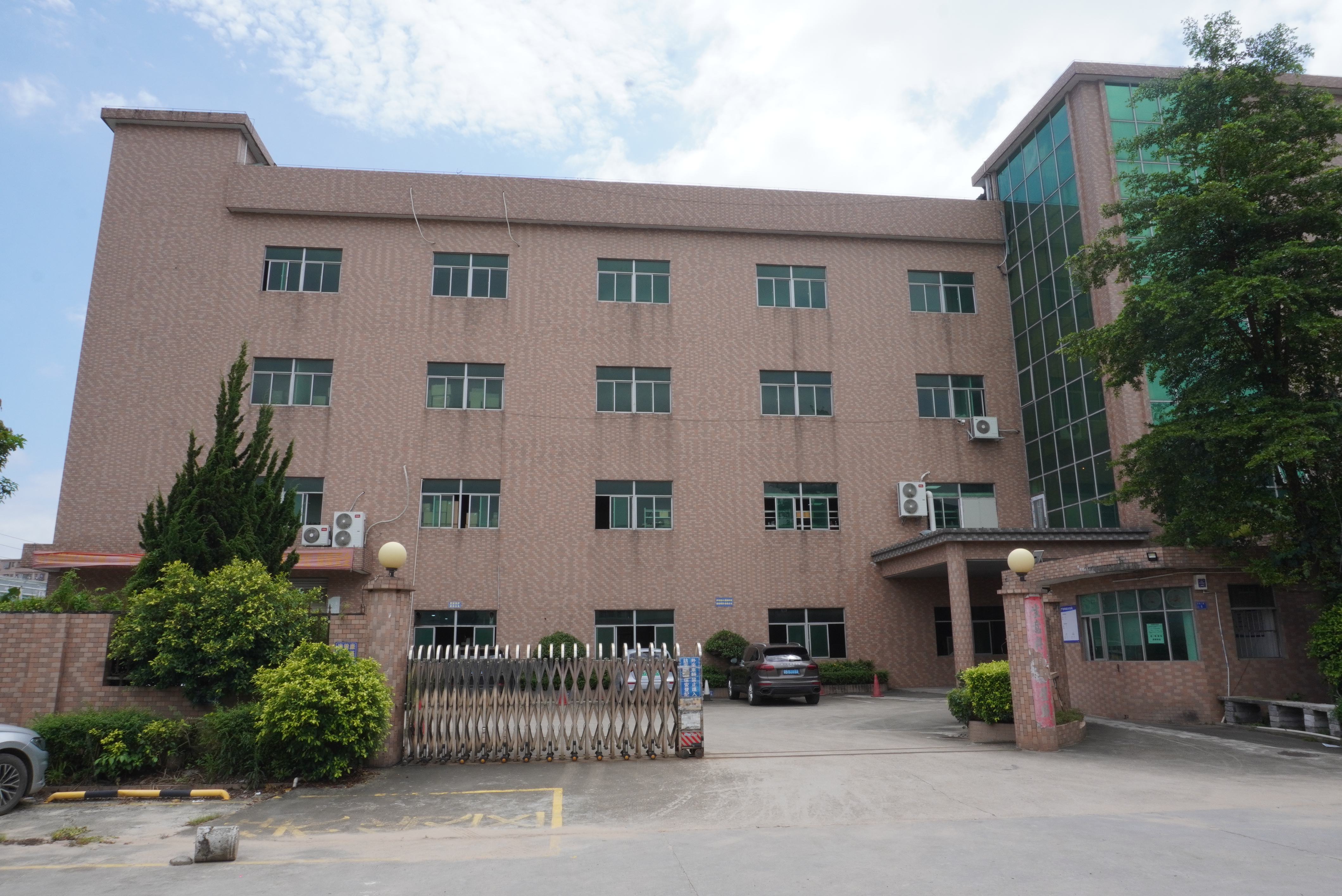
Dongguan Sanlixin Plastic Technology Co.,Ltd
Shenzhen Sanlixin Technology Co., Ltd. and Dongguan Sanlixin Plastic Technology Co., Ltd. is a manufacturer integrating precision plastic mold design, mold opening, single (double) color injection molding, IML injection molding processing, producing various single (double) color, IML process high-end appearance decorative structural parts, two-color buttons, USB dust plugs, panels and other plastic products, providing customers with fast, excellent, Midea all-round service, the company has 15 years of experience in precision plastic mold design, processing and production, with a variety of advanced machine injection molding equipment with excellent quality and fast service to win the trust and strong support of our customers.
Working with Copper: Design, Machining, and Finish Requirements
Thermoplastics vs. Thermoset Plastics: A Comprehensive Material Properties Overview