Thermoplastics vs. Thermoset Plastics: A Comprehensive Material Properties Overview
Thermoplastics vs. Thermoset Plastics: A Comprehensive Material Properties Overview
Introduction
Plastics are ubiquitous in modern manufacturing and engineering, with thermoplastics and thermoset plastics being two of the most widely used categories. While both types of polymers have their unique advantages, understanding their differences is crucial for selecting the right material for specific applications. This article provides an in-depth comparison of thermoplastics and thermoset plastics, focusing on their material properties, processing methods, and typical uses.
What Are Thermoplastics?
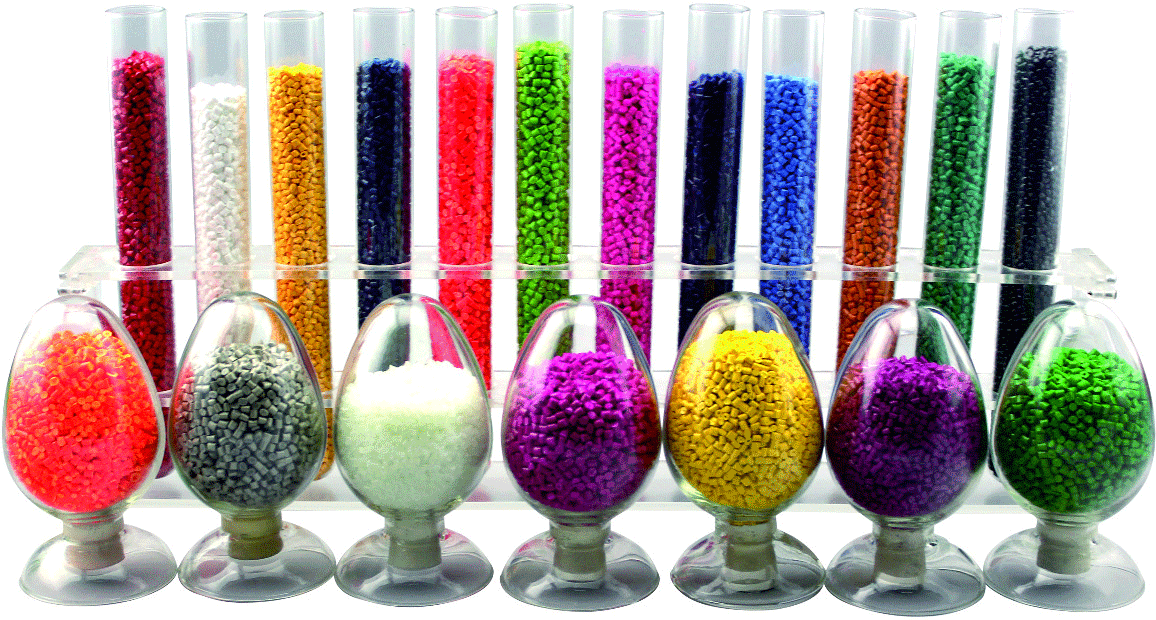
Thermoplastics are a type of polymer that becomes pliable or moldable when heated and solidifies upon cooling. This process is reversible, meaning thermoplastics can be reheated and reshaped multiple times without significant degradation of their properties.
Key Properties of Thermoplastics
- Recyclability: Thermoplastics can be melted and reformed, making them highly recyclable.
- Flexibility: They are generally more flexible and impact-resistant compared to thermosets.
- Ease of Processing: Thermoplastics are easier to mold and extrude, allowing for complex shapes and designs.
- Chemical Resistance: While resistant to many chemicals, they may degrade under prolonged exposure to certain solvents.
Common Applications of Thermoplastics
Thermoplastics are used in a wide range of applications, including packaging, automotive parts, consumer goods, and medical devices. Examples include polyethylene (PE), polypropylene (PP), and polyvinyl chloride (PVC).
What Are Thermoset Plastics?
Thermoset plastics, once cured, undergo a chemical change that makes them infusible and insoluble. Unlike thermoplastics, thermosets cannot be remelted or reshaped after their initial forming process.
Key Properties of Thermoset Plastics
- Durability: Thermosets are highly durable and resistant to heat, making them suitable for high-temperature applications.
- Dimensional Stability: They maintain their shape and strength under stress and heat, offering excellent dimensional stability.
- Chemical Resistance: Thermosets are generally more resistant to chemicals and solvents compared to thermoplastics.
- Non-Recyclable: Once cured, thermosets cannot be recycled or reshaped.
Common Applications of Thermoset Plastics
Thermoset plastics are commonly used in electrical insulation, automotive components, aerospace applications, and construction materials. Examples include epoxy resins, phenolic resins, and polyurethane.
Comparing Thermoplastics and Thermoset Plastics
Understanding the differences between thermoplastics and thermoset plastics is essential for material selection. Below is a comparative overview:
1. Reusability
Thermoplastics can be reheated and reshaped, making them reusable and recyclable. In contrast, thermosets are permanently set after curing and cannot be reprocessed.
2. Mechanical Properties
Thermoplastics are generally more flexible and impact-resistant, while thermosets offer superior strength and rigidity, especially under high temperatures.
3. Processing Methods
Thermoplastics are processed using methods like injection molding, extrusion, and blow molding. Thermosets, on the other hand, are typically processed through compression molding, casting, or curing processes.
4. Cost and Complexity
Thermoplastics are often easier and cheaper to process, making them ideal for high-volume production. Thermosets, while more expensive and complex to process, provide unmatched performance in demanding applications.
Conclusion
Both thermoplastics and thermoset plastics have unique properties that make them suitable for different applications. Thermoplastics offer flexibility, recyclability, and ease of processing, while thermosets provide durability, heat resistance, and dimensional stability. By understanding these differences, engineers and designers can make informed decisions when selecting materials for their projects. Whether you need a recyclable solution for consumer goods or a durable material for high-performance applications, choosing the right type of plastic is key to achieving optimal results.
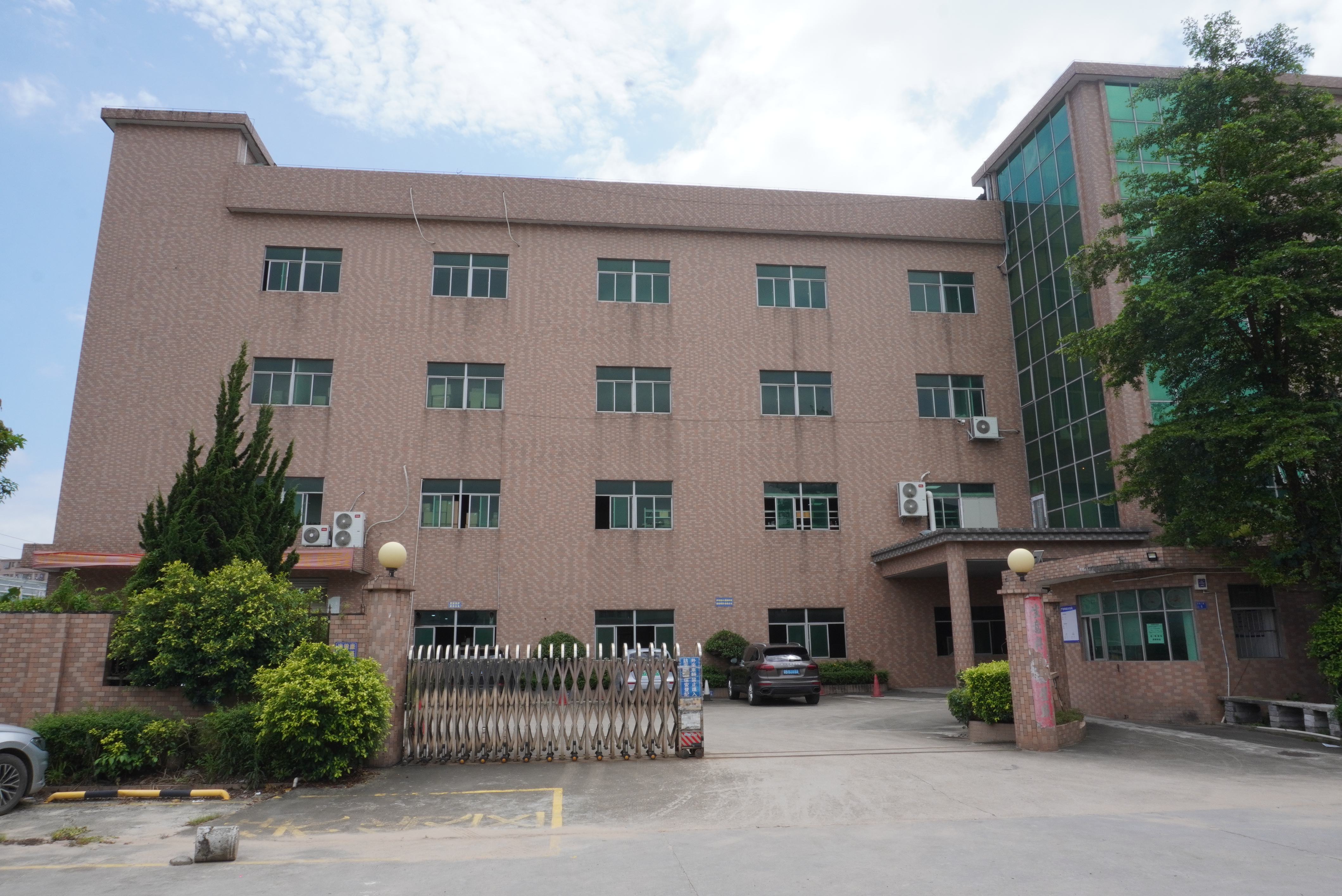
Dongguan Sanlixin Plastic Technology Co.,Ltd
Shenzhen Sanlixin Technology Co., Ltd. and Dongguan Sanlixin Plastic Technology Co., Ltd. is a manufacturer integrating precision plastic mold design, mold opening, single (double) color injection molding, IML injection molding processing, producing various single (double) color, IML process high-end appearance decorative structural parts, two-color buttons, USB dust plugs, panels and other plastic products, providing customers with fast, excellent, Midea all-round service, the company has 15 years of experience in precision plastic mold design, processing and production, with a variety of advanced machine injection molding equipment with excellent quality and fast service to win the trust and strong support of our customers.
Top-Performing Corrosion-Resistant Materials: A Comprehensive Guide
How to Read Material Data Sheets: A Comprehensive Guide