High Volume Manufacturing via High Volume Injection Molding: Driving Efficiency and Scalability
What is High Volume Injection Molding?
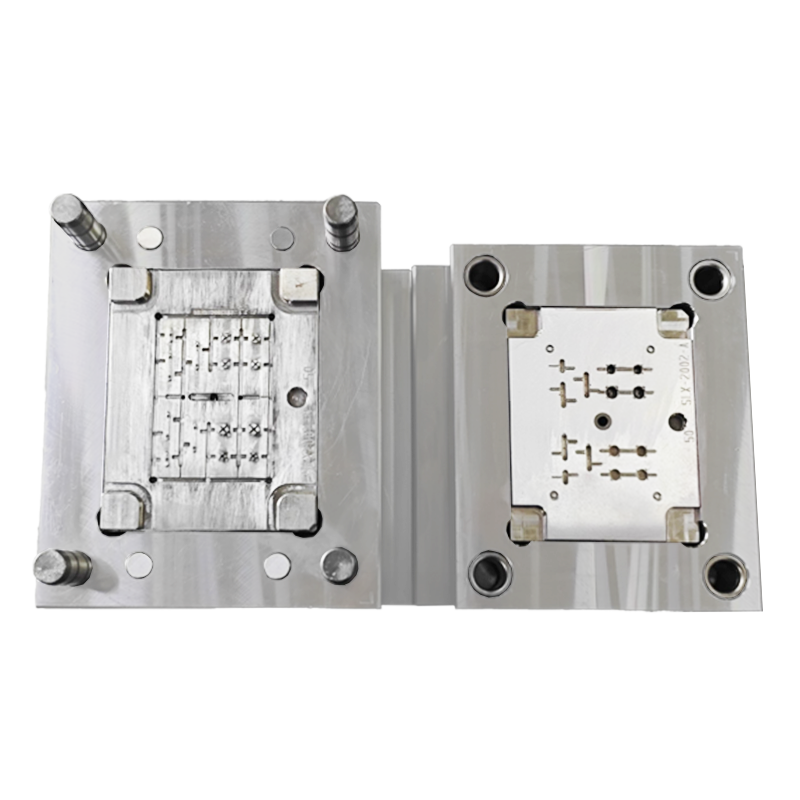
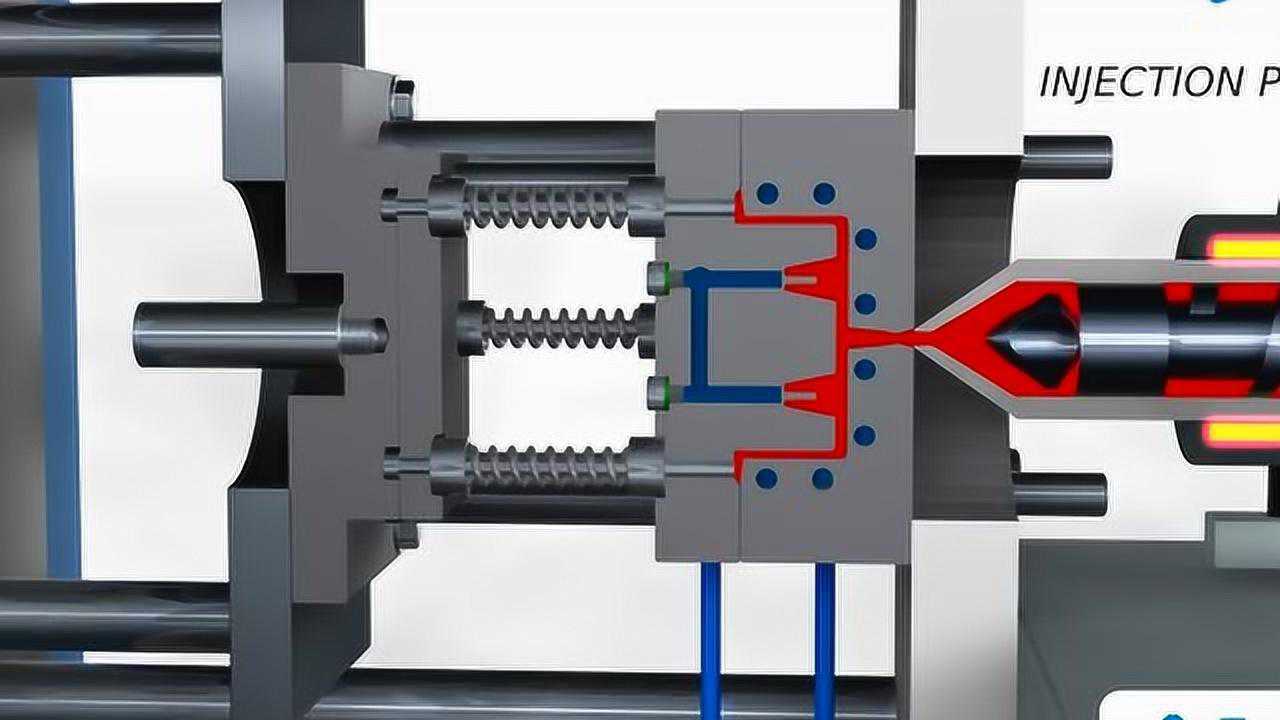
High volume injection molding refers to the large-scale production of parts using injection molding techniques. It involves injecting molten material—typically thermoplastics or elastomers—into molds at high speeds and pressures to create identical components in vast quantities. This process is ideal for industries that require millions of parts annually, as it combines speed, precision, and cost efficiency.
Key Advantages of High Volume Injection Molding
High volume injection molding offers numerous benefits that make it a preferred choice for manufacturers aiming to meet large-scale production demands.
Cost Efficiency
One of the most significant advantages of high volume injection molding is its cost-effectiveness. By producing parts in bulk, manufacturers can reduce per-unit costs, benefiting from economies of scale. Additionally, the automation of the process minimizes labor costs and maximizes output.
Consistency and Precision
High volume injection molding ensures consistent quality across all produced parts. Advanced machinery and precise mold designs guarantee that each component meets strict tolerances and specifications, reducing the risk of defects and ensuring reliability.
Speed and Scalability
The process is designed for rapid production cycles, enabling manufacturers to meet tight deadlines and high demand. With the ability to scale production seamlessly, high volume injection molding is ideal for industries with fluctuating or growing needs.
Material Versatility
High volume injection molding supports a wide range of materials, including thermoplastics, elastomers, and engineered resins. This versatility allows manufacturers to select materials that best suit the functional and aesthetic requirements of their products.
Applications of High Volume Injection Molding
High volume injection molding is utilized across various industries to produce components that are essential to everyday products and advanced technologies. Some key applications include:
Automotive Industry
In the automotive sector, high volume injection molding is used to manufacture interior and exterior components such as dashboards, bumpers, seals, and connectors. The process ensures durability, precision, and cost efficiency, meeting the high standards of the industry.
Consumer Goods
From household appliances to packaging, high volume injection molding plays a critical role in producing consumer goods. Items such as bottle caps, containers, and toys are manufactured efficiently and at low cost, making them accessible to a global market.
Medical Devices
The medical industry relies on high volume injection molding to produce disposable items like syringes, IV components, and surgical tools. The process ensures sterility, precision, and compliance with regulatory standards.
Electronics
High volume injection molding is essential for creating components such as connectors, housings, and protective covers for electronic devices. The process supports the production of intricate parts with high accuracy, ensuring functionality and durability.
Technological Innovations in High Volume Injection Molding
To meet the growing demands of high volume manufacturing, the injection molding industry has embraced several technological advancements:
Automation and Robotics
Automation has revolutionized high volume injection molding by reducing human intervention, minimizing errors, and increasing production speed. Robotic systems are used for tasks such as part removal, assembly, and quality inspection, enhancing overall efficiency.
Real-Time Monitoring and Analytics
Advanced sensors and data analytics tools are integrated into injection molding machines to monitor production in real time. This allows manufacturers to identify and address issues promptly, ensuring consistent quality and reducing downtime.
Multi-Cavity Molds
Multi-cavity molds enable the simultaneous production of multiple parts in a single cycle, significantly increasing output. This innovation is particularly beneficial for high volume manufacturing, where speed and efficiency are critical.
Sustainable Practices
As sustainability becomes a priority, high volume injection molding is adopting eco-friendly practices such as using recycled materials, reducing energy consumption, and minimizing waste. These efforts align with global initiatives to promote environmentally responsible manufacturing.
Challenges in High Volume Injection Molding
While high volume injection molding offers numerous benefits, it also presents challenges that manufacturers must address:
Initial Investment
The setup costs for high volume injection molding, including mold design and machinery, can be substantial. However, these costs are often offset by the long-term savings achieved through mass production.
Maintenance and Downtime
High volume production requires regular maintenance of molds and machinery to prevent wear and tear. Downtime for maintenance can impact production schedules, necessitating efficient planning and management.
Quality Control
Ensuring consistent quality across millions of parts is a significant challenge. Manufacturers must implement rigorous quality control measures, including real-time monitoring and automated inspection systems, to maintain high standards.
Future Trends in High Volume Injection Molding
The future of high volume injection molding is shaped by ongoing advancements in technology and materials. Key trends include:
Smart Manufacturing
The integration of IoT (Internet of Things) and AI (Artificial Intelligence) into injection molding processes will enable smarter, more efficient production. Predictive maintenance, adaptive control systems, and enhanced data analytics will drive further improvements in productivity and quality.
Lightweight Materials
As industries such as automotive and aerospace seek to reduce weight and improve fuel efficiency, the demand for lightweight materials in high volume injection molding is expected to grow. Advanced polymers and composites will play a crucial role in meeting these needs.
Customization and Personalization
High volume injection molding is increasingly being used to produce customized and personalized products. Advances in mold design and material science will enable manufacturers to cater to individual preferences without compromising on efficiency.
Conclusion
High volume injection molding is a vital process in modern manufacturing, enabling the efficient and cost-effective production of millions of parts across diverse industries. With its ability to deliver precision, consistency, and scalability, it remains a cornerstone of mass production. As technology continues to evolve, high volume injection molding will further enhance its capabilities, driving innovation and meeting the ever-growing demands of global markets.
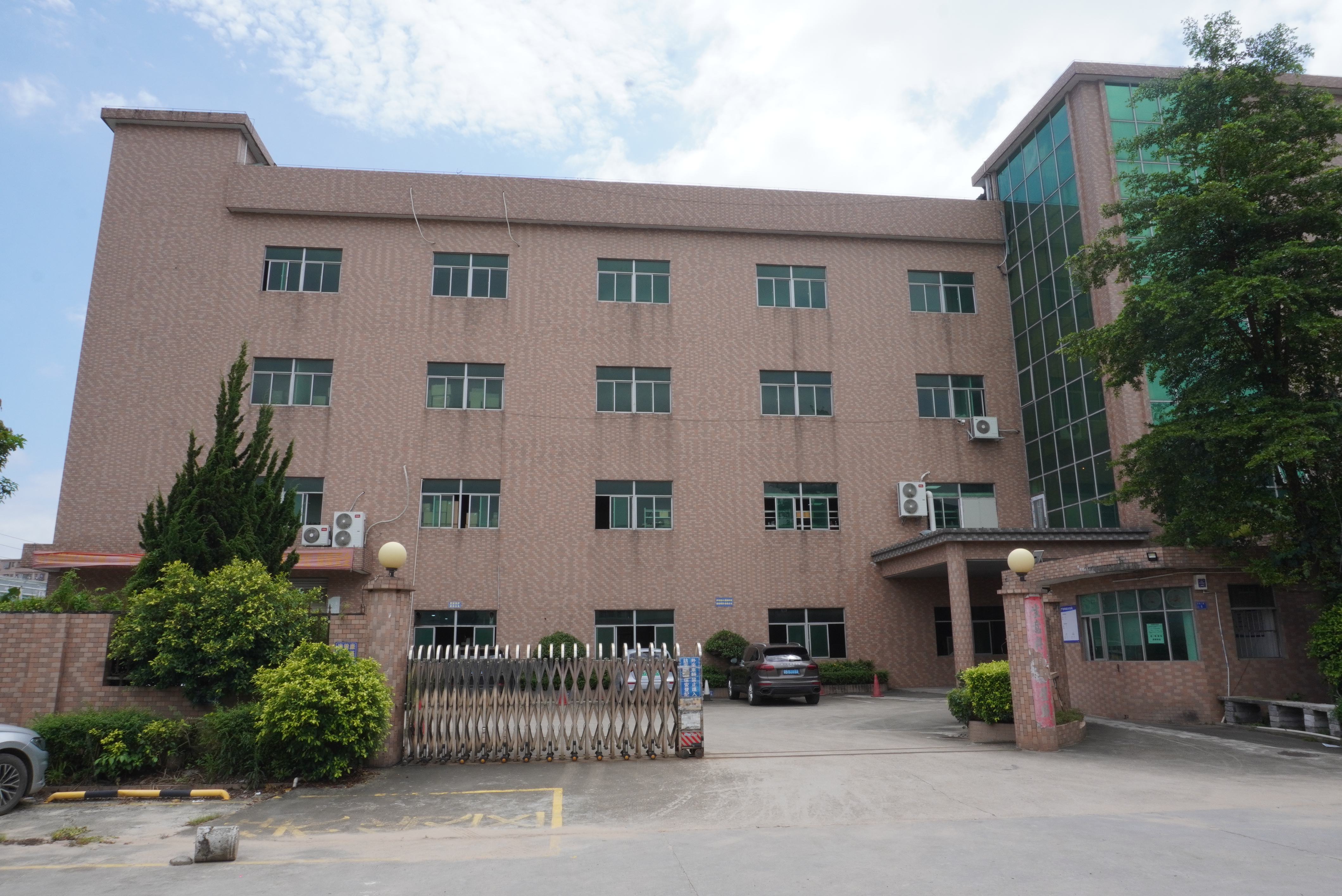
Dongguan Sanlixin Plastic Technology Co.,Ltd
Shenzhen Sanlixin Technology Co., Ltd. and Dongguan Sanlixin Plastic Technology Co., Ltd. is a manufacturer integrating precision plastic mold design, mold opening, single (double) color injection molding, IML injection molding processing, producing various single (double) color, IML process high-end appearance decorative structural parts, two-color buttons, USB dust plugs, panels and other plastic products, providing customers with fast, excellent, Midea all-round service, the company has 15 years of experience in precision plastic mold design, processing and production, with a variety of advanced machine injection molding equipment with excellent quality and fast service to win the trust and strong support of our customers.
Discover the Benefits of LSR Injection Molding: Precision, Durability, and Versatility
Liquid Silicone Rubber Injection Molding: A Game-Changer in Precision Manufacturing