Types of Welding Defects

Types of Welding Defects
Introduction
Welding is a critical process in manufacturing and construction, but it is prone to various defects that can compromise the integrity and performance of the welded joint. Understanding the types of welding defects, their causes, and how to prevent them is essential for ensuring high-quality welds. This article explores the most common types of welding defects.
1. Porosity
Porosity refers to the presence of gas pockets or voids within the weld metal. These defects can weaken the weld and make it more susceptible to failure.
1.1 Causes of Porosity
- Contaminated base metal or filler material
- Improper shielding gas coverage
- High levels of moisture or oil on the welding surface
1.2 Prevention of Porosity
- Ensure clean base metal and filler material
- Use appropriate shielding gas and flow rates
- Preheat the material to remove moisture
2. Cracks
Cracks are among the most serious welding defects and can occur in various forms, including hot cracks, cold cracks, and crater cracks.
2.1 Types of Cracks
- Hot Cracks: Occur during solidification and are often caused by high stress and low ductility.
- Cold Cracks: Occur after the weld has cooled and are typically caused by hydrogen embrittlement.
- Crater Cracks: Form at the end of the weld bead due to improper termination techniques.
2.2 Prevention of Cracks
- Use proper welding techniques and parameters
- Preheat and post-weld heat treatment
- Control hydrogen levels by using low-hydrogen electrodes
3. Incomplete Fusion
Incomplete fusion occurs when the weld metal does not properly fuse with the base metal or previous weld passes, leading to weak joints.
3.1 Causes of Incomplete Fusion
- Incorrect welding parameters (e.g., low heat input)
- Improper welding technique
- Contaminated or improperly prepared surfaces
3.2 Prevention of Incomplete Fusion
- Use appropriate welding parameters and techniques
- Ensure proper surface preparation and cleanliness
- Maintain correct electrode angle and travel speed
4. Incomplete Penetration
Incomplete penetration happens when the weld metal does not fully penetrate the joint, resulting in a weak bond.
4.1 Causes of Incomplete Penetration
- Insufficient heat input
- Incorrect joint design or fit-up
- Improper welding technique
4.2 Prevention of Incomplete Penetration
- Use adequate heat input and proper welding parameters
- Ensure correct joint design and fit-up
- Employ appropriate welding techniques
5. Slag Inclusions
Slag inclusions are non-metallic solid materials trapped within the weld metal or between the weld metal and the base metal.
5.1 Causes of Slag Inclusions
- Improper cleaning between weld passes
- Incorrect welding technique
- Use of improper flux or electrode
5.2 Prevention of Slag Inclusions
- Thoroughly clean the weld area between passes
- Use appropriate welding techniques and parameters
- Select the correct flux or electrode for the material
6. Undercut
Undercut is a groove or crater formed at the toe of the weld, reducing the cross-sectional thickness of the base metal.
6.1 Causes of Undercut
- Excessive welding speed
- Incorrect electrode angle
- High welding current
6.2 Prevention of Undercut
- Control welding speed and current
- Maintain correct electrode angle
- Use appropriate welding techniques
7. Spatter
Spatter refers to the small droplets of molten metal that are expelled during welding and adhere to the base metal surface.
7.1 Causes of Spatter
- High welding current
- Improper shielding gas
- Incorrect electrode type or condition
7.2 Prevention of Spatter
- Use appropriate welding current and parameters
- Select the correct shielding gas and flow rate
- Ensure the electrode is in good condition
Conclusion
Welding defects can significantly impact the quality and performance of welded joints. By understanding the types of defects, their causes, and prevention methods, welders can take proactive steps to minimize these issues. Proper welding techniques, parameter control, and material preparation are essential for producing high-quality, defect-free welds. Regular inspection and adherence to best practices will further ensure the integrity and durability of welded structures.
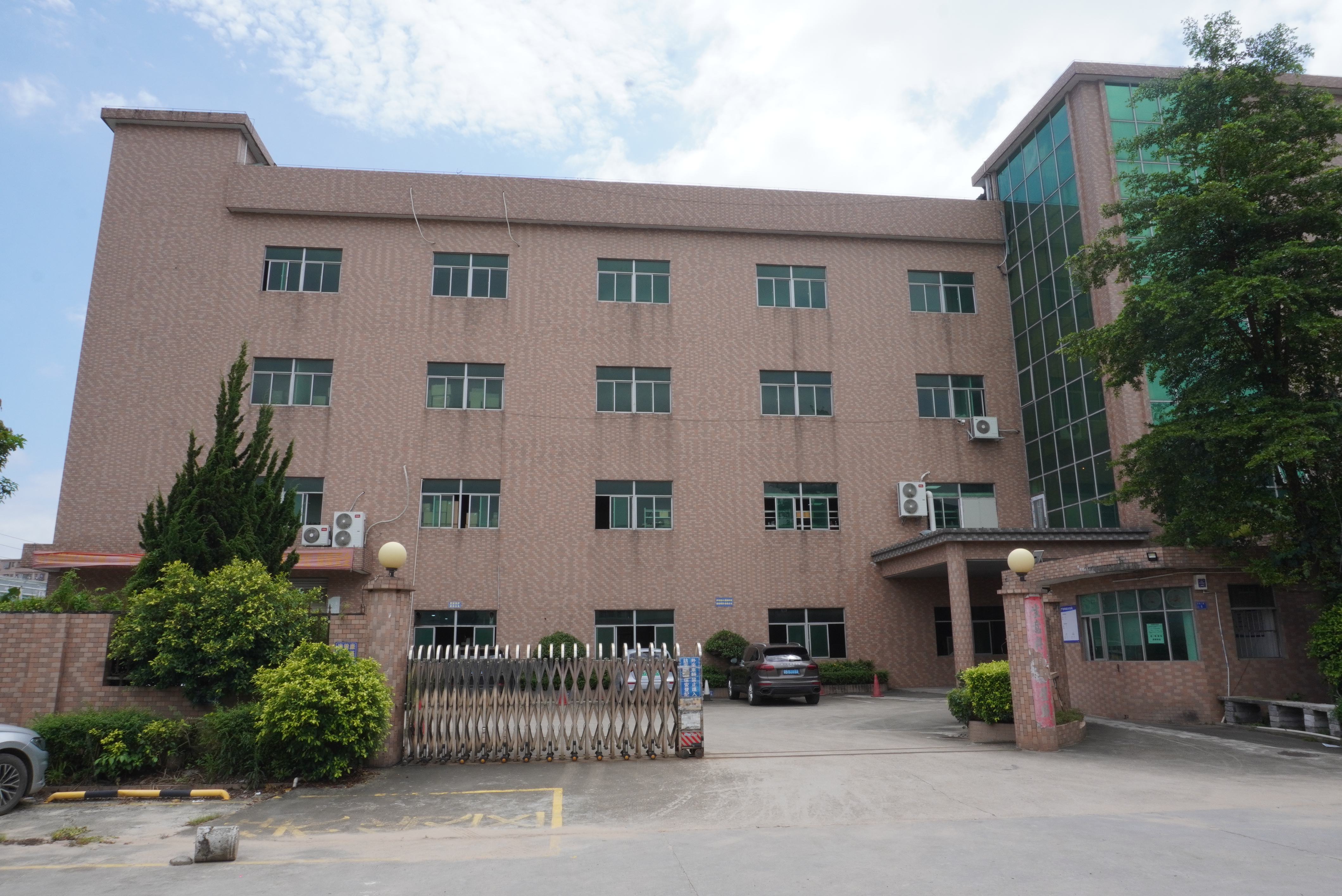
Dongguan Sanlixin Plastic Technology Co.,Ltd
Shenzhen Sanlixin Technology Co., Ltd. and Dongguan Sanlixin Plastic Technology Co., Ltd. is a manufacturer integrating precision plastic mold design, mold opening, single (double) color injection molding, IML injection molding processing, producing various single (double) color, IML process high-end appearance decorative structural parts, two-color buttons, USB dust plugs, panels and other plastic products, providing customers with fast, excellent, Midea all-round service, the company has 15 years of experience in precision plastic mold design, processing and production, with a variety of advanced machine injection molding equipment with excellent quality and fast service to win the trust and strong support of our customers.
CNC Machining Surface Finishes: Roughing Vs Finishing
CNC Milling vs CNC Turning: Understanding the Key Differences