Automatic Optimization of Mold Temperature Control
Automatic Optimization of Mold Temperature Control
Introduction
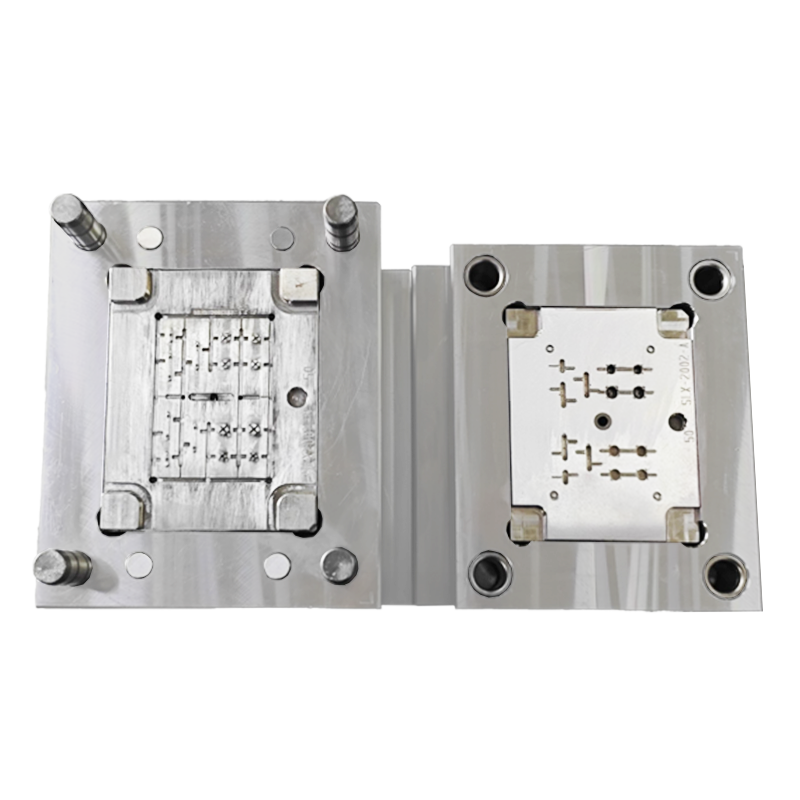
Mold temperature control is a critical factor in the injection molding process, directly impacting product quality, cycle time, and energy efficiency. Automatic optimization of mold temperature control leverages advanced technologies to enhance process stability and reduce defects. This article explores the principles, benefits, and implementation of automatic mold temperature control optimization.
1. Importance of Mold Temperature Control
Mold temperature affects the cooling rate, material flow, and final properties of the molded part. Proper temperature control ensures consistent part dimensions, surface finish, and mechanical properties.
1.1 Impact on Part Quality
Inconsistent mold temperatures can lead to defects such as warping, sink marks, and residual stresses. Maintaining optimal temperatures ensures uniform cooling and reduces these issues.
1.2 Influence on Cycle Time
Efficient temperature control can significantly reduce cycle times by optimizing cooling rates. Faster cooling allows for quicker part ejection and higher production throughput.
2. Principles of Automatic Mold Temperature Control
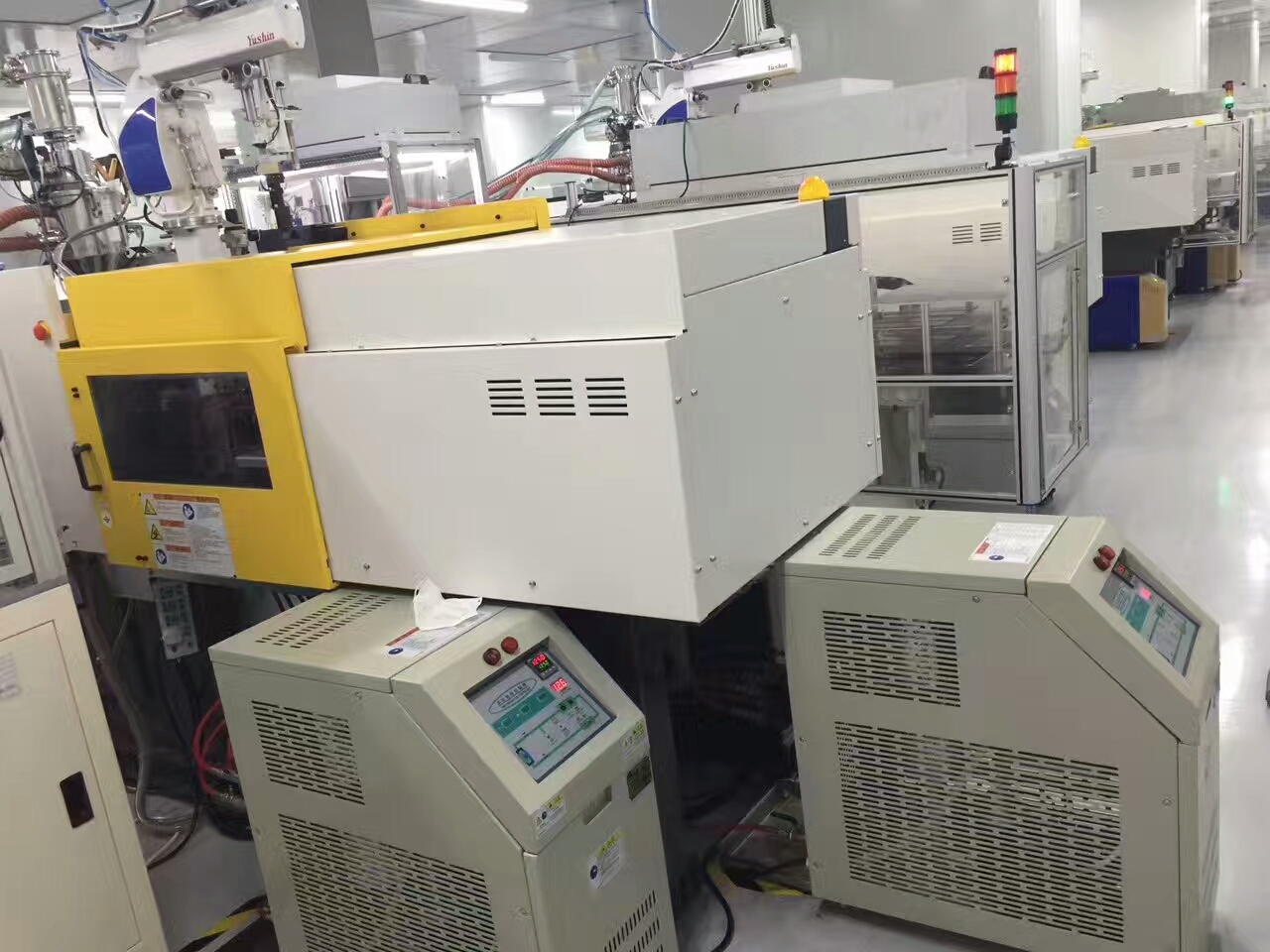
Automatic mold temperature control systems use sensors, controllers, and actuators to monitor and adjust temperatures in real-time. These systems aim to maintain consistent temperatures throughout the molding process.
2.1 Sensors and Monitoring
Temperature sensors embedded in the mold provide real-time data on mold conditions. This data is used to make precise adjustments to the cooling system.
2.2 Control Algorithms
Advanced control algorithms analyze sensor data and adjust cooling parameters to maintain optimal temperatures. These algorithms can adapt to changing conditions, ensuring consistent performance.
2.3 Actuators and Cooling Systems
Actuators control the flow of coolant through the mold, adjusting it based on feedback from the control system. Efficient cooling systems, such as conformal cooling channels, enhance temperature uniformity.
3. Benefits of Automatic Optimization
Automatic optimization of mold temperature control offers several advantages, including improved part quality, reduced cycle times, and energy savings.
3.1 Enhanced Part Quality
Consistent mold temperatures reduce defects and improve the mechanical properties and surface finish of the molded parts.
3.2 Reduced Cycle Times
Optimized cooling rates allow for faster part ejection, increasing production throughput and reducing manufacturing costs.
3.3 Energy Efficiency
Automatic systems minimize energy consumption by precisely controlling coolant flow and reducing unnecessary cooling.
4. Implementation of Automatic Mold Temperature Control
Implementing automatic mold temperature control involves integrating advanced technologies into the injection molding process. This section outlines the steps and considerations for successful implementation.
4.1 System Design
Designing an effective automatic temperature control system requires careful planning, including the placement of sensors, selection of control algorithms, and design of cooling channels.
4.2 Integration with Existing Systems
Automatic temperature control systems must be compatible with existing injection molding machines and software. Integration ensures seamless operation and data exchange.
4.3 Calibration and Testing
Calibrating sensors and controllers is essential for accurate temperature control. Testing the system under various conditions ensures reliability and performance.
5. Advanced Technologies in Mold Temperature Control
Emerging technologies are enhancing the capabilities of automatic mold temperature control systems, offering greater precision and efficiency.
5.1 Conformal Cooling Channels
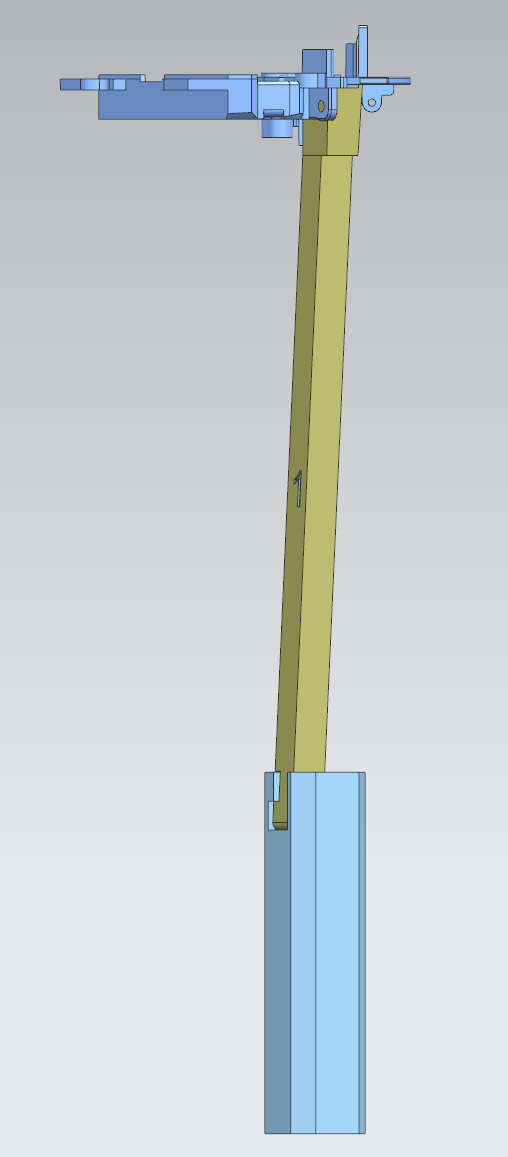
Conformal cooling channels follow the contours of the mold, providing uniform cooling and reducing cycle times. These channels are often created using additive manufacturing techniques.
5.2 Machine Learning and AI
Machine learning algorithms can predict and optimize mold temperatures based on historical data, improving process stability and reducing defects.
5.3 IoT and Industry 4.0
Internet of Things (IoT) technologies enable real-time monitoring and control of mold temperatures, facilitating predictive maintenance and process optimization.
Conclusion
Automatic optimization of mold temperature control is a game-changer in the injection molding industry, offering significant improvements in part quality, cycle times, and energy efficiency. By leveraging advanced technologies such as conformal cooling, machine learning, and IoT, manufacturers can achieve precise and consistent temperature control, leading to higher productivity and reduced costs. Implementing these systems requires careful planning and integration, but the benefits far outweigh the initial investment, making automatic mold temperature control a valuable tool for modern manufacturing.
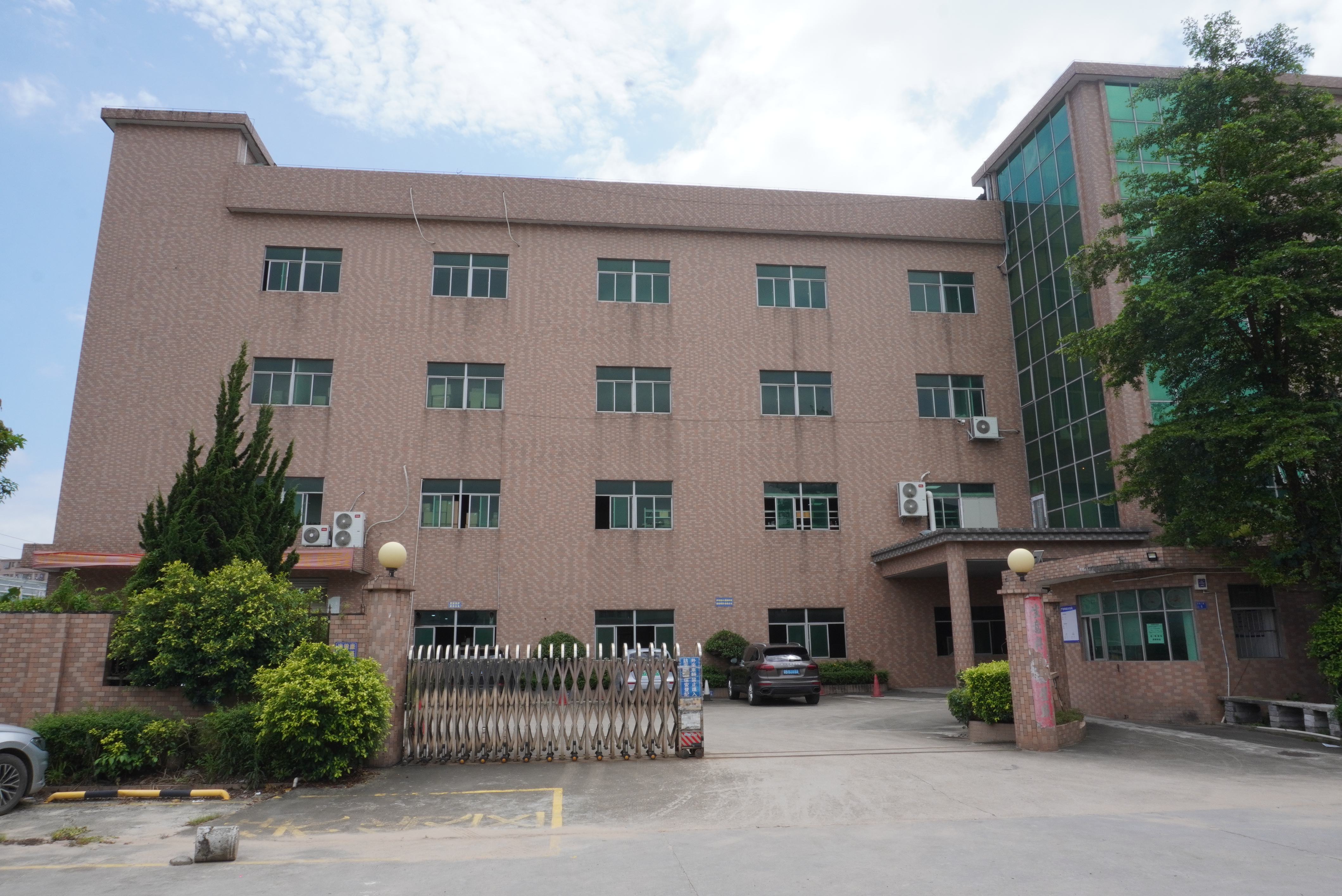
Dongguan Sanlixin Plastic Technology Co.,Ltd
Shenzhen Sanlixin Technology Co., Ltd. and Dongguan Sanlixin Plastic Technology Co., Ltd. is a manufacturer integrating precision plastic mold design, mold opening, single (double) color injection molding, IML injection molding processing, producing various single (double) color, IML process high-end appearance decorative structural parts, two-color buttons, USB dust plugs, panels and other plastic products, providing customers with fast, excellent, Midea all-round service, the company has 15 years of experience in precision plastic mold design, processing and production, with a variety of advanced machine injection molding equipment with excellent quality and fast service to win the trust and strong support of our customers.
Molding Cavity: Essential Tips for Design
What Is the Difference Between Plastics Extrusion and Injection Molding?