CNC Machining: Precision Manufacturing for Modern Industry
CNC Machining: Precision Manufacturing for Modern Industry
Introduction to CNC Machining
CNC (Computer Numerical Control) machining is a manufacturing process that uses computerized controls and machine tools to remove material from a workpiece, creating a custom-designed part or product. This highly precise and automated process is widely used across various industries to produce complex and high-quality components. CNC machining is known for its accuracy, repeatability, and ability to work with a wide range of materials, making it a cornerstone of modern manufacturing.
How CNC Machining Works
CNC machining involves several key steps to transform a digital design into a physical part:
Design and Programming
The process begins with creating a digital 3D model of the part using CAD (Computer-Aided Design) software. This model is then converted into a set of instructions, or G-code, using CAM (Computer-Aided Manufacturing) software. The G-code controls the movements and actions of the CNC machine.
Material Selection
CNC machining can work with a wide range of materials, including metals (e.g., aluminum, steel, titanium), plastics (e.g., ABS, polycarbonate), and composites. The choice of material depends on the specific requirements of the part, such as strength, durability, and thermal resistance.
Machine Setup
The workpiece is securely mounted on the CNC machine, and the appropriate cutting tools are selected and installed. The machine is then programmed with the G-code instructions to begin the machining process.
Machining Process
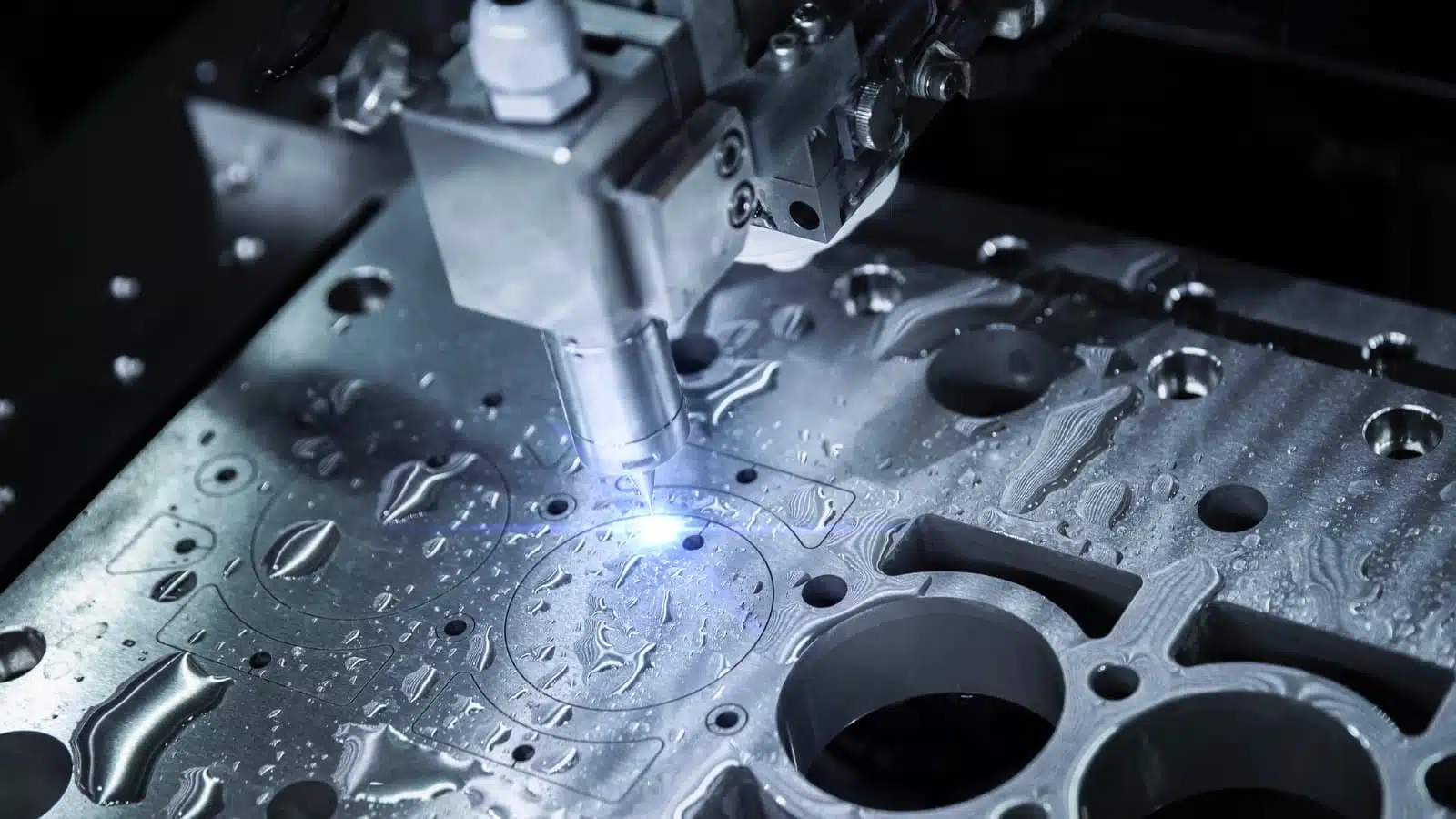
The CNC machine follows the programmed instructions to remove material from the workpiece, using various cutting tools such as drills, mills, and lathes. The process can involve multiple operations, including cutting, drilling, milling, and turning, to achieve the desired shape and dimensions.
Quality Control
After machining, the part is inspected to ensure it meets the specified tolerances and quality standards. This may involve using precision measuring tools, such as calipers and micrometers, as well as advanced inspection techniques like CMM (Coordinate Measuring Machine) scanning.
Applications of CNC Machining
CNC machining is used in a wide range of industries and applications, including:
Aerospace
In the aerospace industry, CNC machining is used to produce high-precision components such as engine parts, turbine blades, and structural elements. The ability to work with advanced materials like titanium and Inconel is crucial for these applications.
Automotive
CNC machining is employed in the automotive industry to manufacture engine components, transmission parts, and custom fittings. The process ensures high accuracy and durability, which are essential for vehicle performance and safety.
Medical Devices
In the medical field, CNC machining is used to create surgical instruments, implants, and diagnostic equipment. The high precision and biocompatibility of machined parts are critical for patient safety and effective treatment.
Electronics
CNC machining is used to produce components for electronic devices, such as connectors, housings, and heat sinks. The process ensures tight tolerances and high-quality finishes, which are essential for electronic performance.
Consumer Products
CNC machining is used to manufacture a wide range of consumer products, including custom jewelry, sporting goods, and household appliances. The ability to produce complex and aesthetically pleasing designs is a key advantage.
Advantages of CNC Machining
CNC machining offers several advantages that make it a preferred choice for precision manufacturing:
High Precision and Accuracy
CNC machining can achieve extremely tight tolerances and high levels of accuracy, ensuring that each part meets exact specifications. This is crucial for applications where precision is paramount.
Repeatability
The automated nature of CNC machining ensures that each part is produced consistently, with minimal variation. This repeatability is essential for high-volume production and quality control.
Versatility
CNC machining can work with a wide range of materials and produce complex geometries, making it suitable for a diverse array of applications. This versatility allows manufacturers to create custom parts tailored to specific needs.
Efficiency
CNC machining is a highly efficient process, with the ability to produce parts quickly and with minimal waste. This efficiency reduces production costs and lead times, making it an economical choice for manufacturers.
Automation
The use of computerized controls allows for automation of the machining process, reducing the need for manual intervention and minimizing the risk of human error. This automation enhances productivity and consistency.
Challenges in CNC Machining
Despite its many advantages, CNC machining also presents several challenges:
Cost of Equipment
CNC machines and the associated tooling can be expensive, making it a significant investment for manufacturers. The cost of maintenance and operation should also be considered.
Complex Programming
Creating the G-code instructions for CNC machining requires specialized knowledge and skills. Complex parts may require advanced programming techniques and software, adding to the overall cost and complexity.
Material Limitations
While CNC machining can work with a wide range of materials, some materials may pose challenges due to their hardness, brittleness, or other properties. Specialized tools and techniques may be required for these materials.
Surface Finish
Achieving a high-quality surface finish may require additional post-processing steps, such as polishing or coating. This can add to the overall production time and cost.
Conclusion
CNC machining is a highly precise and versatile manufacturing process that plays a critical role in modern industry. Its applications span a wide range of sectors, including aerospace, automotive, medical devices, electronics, and consumer products. The advantages of high precision, repeatability, versatility, efficiency, and automation make CNC machining an essential tool for producing high-quality components. Despite the challenges associated with equipment costs, programming complexity, material limitations, and surface finish, CNC machining remains a cornerstone of precision manufacturing, enabling innovation and excellence across various industries.
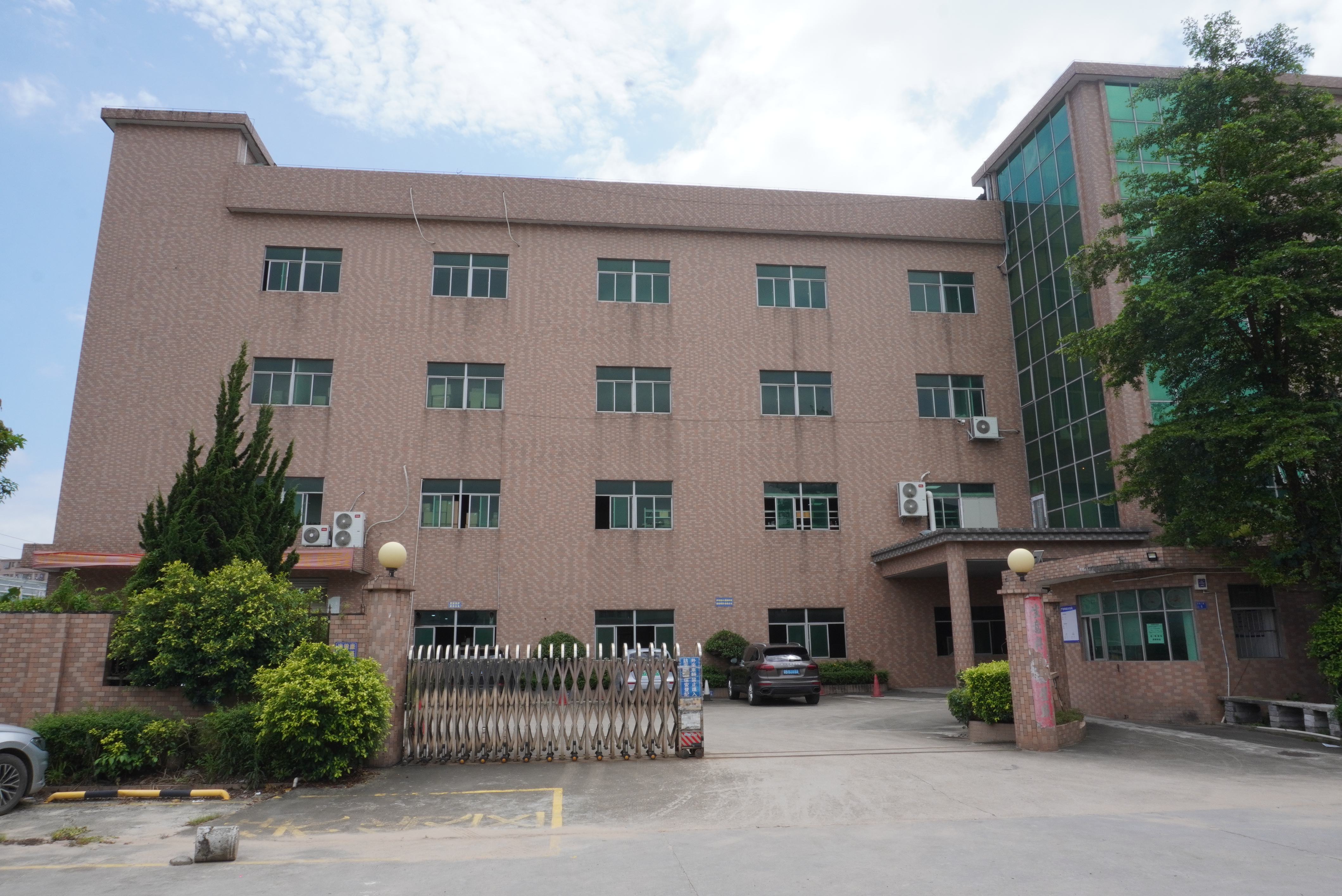
Dongguan Sanlixin Plastic Technology Co.,Ltd
Shenzhen Sanlixin Technology Co., Ltd. and Dongguan Sanlixin Plastic Technology Co., Ltd. is a manufacturer integrating precision plastic mold design, mold opening, single (double) color injection molding, IML injection molding processing, producing various single (double) color, IML process high-end appearance decorative structural parts, two-color buttons, USB dust plugs, panels and other plastic products, providing customers with fast, excellent, Midea all-round service, the company has 15 years of experience in precision plastic mold design, processing and production, with a variety of advanced machine injection molding equipment with excellent quality and fast service to win the trust and strong support of our customers.
Fundamentals of Injection Molded Parts Surface Finish
What is Micro Injection Molding?