Thermoplastic Polyurethane (TPU) Explained: A Comprehensive Guide
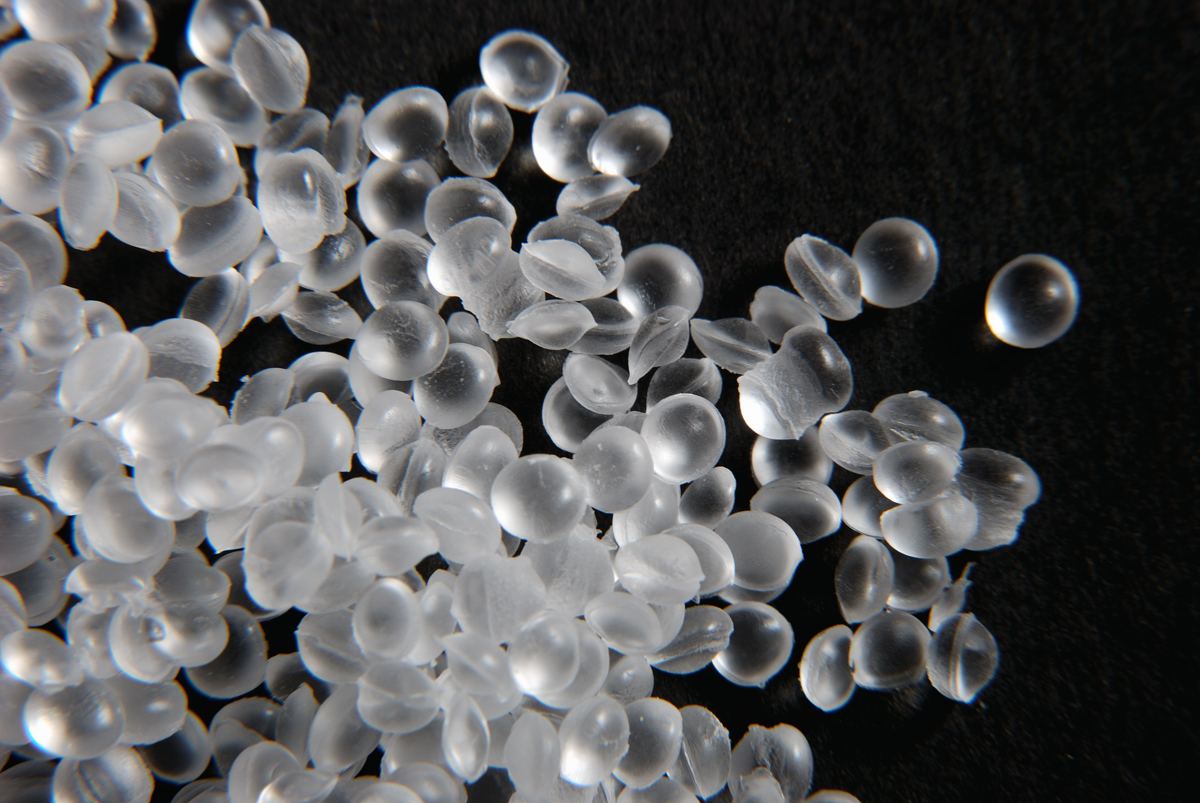
Thermoplastic Polyurethane (TPU) Explained: A Comprehensive Guide
Introduction to Thermoplastic Polyurethane (TPU)
Thermoplastic Polyurethane (TPU) is a versatile and high-performance elastomer that combines the properties of rubber and plastic. Known for its exceptional elasticity, durability, and resistance to abrasion, oils, and chemicals, TPU is widely used in various industries, including automotive, footwear, medical devices, and consumer goods. Its ability to be easily processed using standard thermoplastic techniques makes it a popular choice for many applications.
Types of Thermoplastic Polyurethane (TPU)
TPU is available in several types, each tailored for specific properties and applications. The main types include:
1. Polyester-based TPU
Polyester-based TPU offers excellent mechanical properties, including high tensile strength, abrasion resistance, and oil resistance. It is commonly used in applications requiring durability and performance, such as industrial belts, hoses, and automotive parts.
2. Polyether-based TPU
Polyether-based TPU provides superior flexibility, low-temperature performance, and resistance to hydrolysis. It is ideal for applications exposed to moisture and varying temperatures, such as medical tubing, seals, and outdoor gear.
3. Polycaprolactone-based TPU
Polycaprolactone-based TPU offers a balance of mechanical properties, chemical resistance, and processability. It is used in applications requiring a combination of strength and flexibility, such as cable sheathing and protective films.
Properties of Thermoplastic Polyurethane (TPU)
TPU exhibits a range of properties that make it suitable for diverse applications. Key properties include:
1. High Elasticity and Flexibility
TPU can be stretched and compressed, returning to its original shape without permanent deformation. This makes it ideal for applications requiring flexibility and resilience.
2. Excellent Abrasion Resistance
TPU is highly resistant to wear and abrasion, ensuring long-lasting performance in demanding environments.
3. Chemical Resistance
TPU is resistant to many chemicals, including oils, greases, and solvents, making it suitable for use in harsh environments.
4. High Tensile Strength
TPU offers high tensile strength, making it capable of withstanding significant stress and strain without breaking.
5. Transparency
Certain grades of TPU are transparent, making them suitable for applications requiring clarity, such as medical tubing and protective films.
6. Low-Temperature Flexibility
TPU remains flexible at low temperatures, making it ideal for applications exposed to cold environments.
Applications of Thermoplastic Polyurethane (TPU)
TPU's unique properties make it a versatile material for a wide range of applications across various industries. Some notable uses include:
1. Automotive Industry
In the automotive sector, TPU is used for manufacturing components such as seals, gaskets, cable sheathing, and interior trim. Its durability, flexibility, and resistance to oils and chemicals make it ideal for these applications.
2. Footwear
TPU is widely used in the footwear industry for making soles, midsoles, and other components. Its abrasion resistance, flexibility, and comfort enhance the performance and longevity of footwear.
3. Medical Devices
TPU is used in medical devices and equipment, such as tubing, catheters, and wound care products. Its biocompatibility, flexibility, and sterilizability are critical for these applications.
4. Consumer Goods
Many everyday items, such as phone cases, watch straps, and sporting goods, are made from TPU. Its durability, flexibility, and ease of molding make it a popular material for consumer products.
5. Industrial Applications
TPU is used in industrial settings for making hoses, belts, and seals. Its resistance to abrasion, chemicals, and extreme temperatures ensures reliable performance in demanding environments.
6. Electronics
TPU is used in the electronics industry for producing protective films, cable sheathing, and connectors. Its flexibility, durability, and resistance to environmental factors make it suitable for these applications.
Processing and Fabrication
TPU can be easily processed using standard thermoplastic techniques, including injection molding, extrusion, and blow molding. Key considerations for processing TPU include:
1. Injection Molding
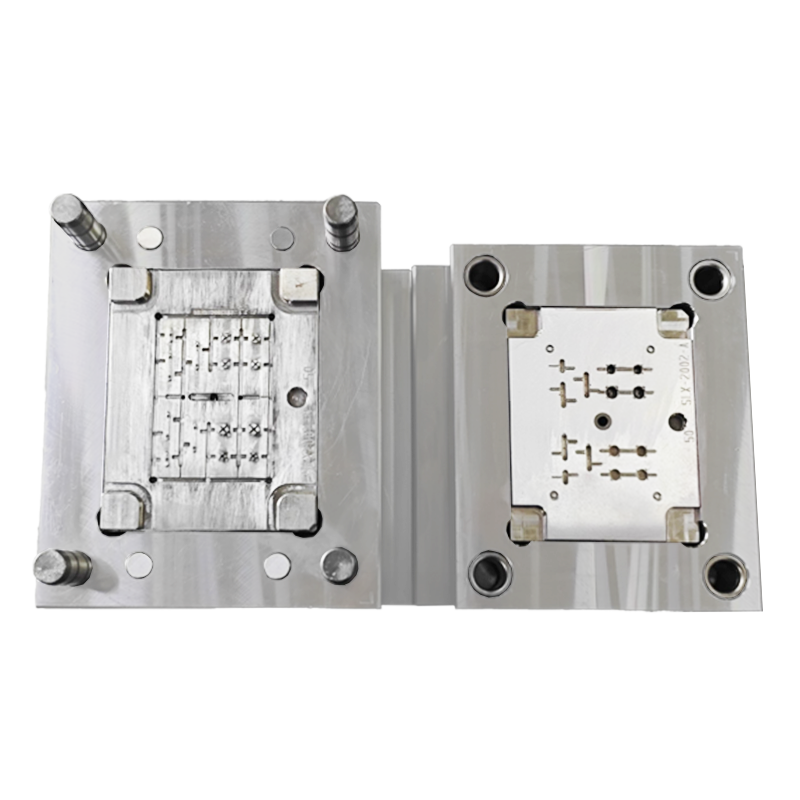
Injection molding is the most common method for producing TPU parts. It allows for high precision and repeatability, making it ideal for complex geometries and high-volume production.
2. Extrusion
Extrusion is used to produce TPU sheets, films, and profiles. These forms can be further fabricated into final products, such as seals, gaskets, and tubing.
3. Blow Molding
Blow molding is used to create hollow TPU parts, such as bottles and containers. This method is commonly used in the packaging industry.
Environmental Impact and Recycling
TPU offers several environmental benefits compared to traditional thermoset rubbers. It is recyclable and can be reprocessed, reducing waste and conserving resources. Additionally, advancements in bio-based TPU are being explored to offer more sustainable alternatives. However, the environmental impact of TPU still depends on proper disposal and recycling practices.
Conclusion
Thermoplastic Polyurethane (TPU) is a versatile and high-performance elastomer known for its elasticity, durability, and resistance to abrasion and chemicals. Its unique properties make it suitable for a wide range of applications, from automotive components and footwear to medical devices and consumer goods. Understanding the different types of TPU and their properties can help in selecting the right material for specific needs, while also considering environmental impacts and recycling options.
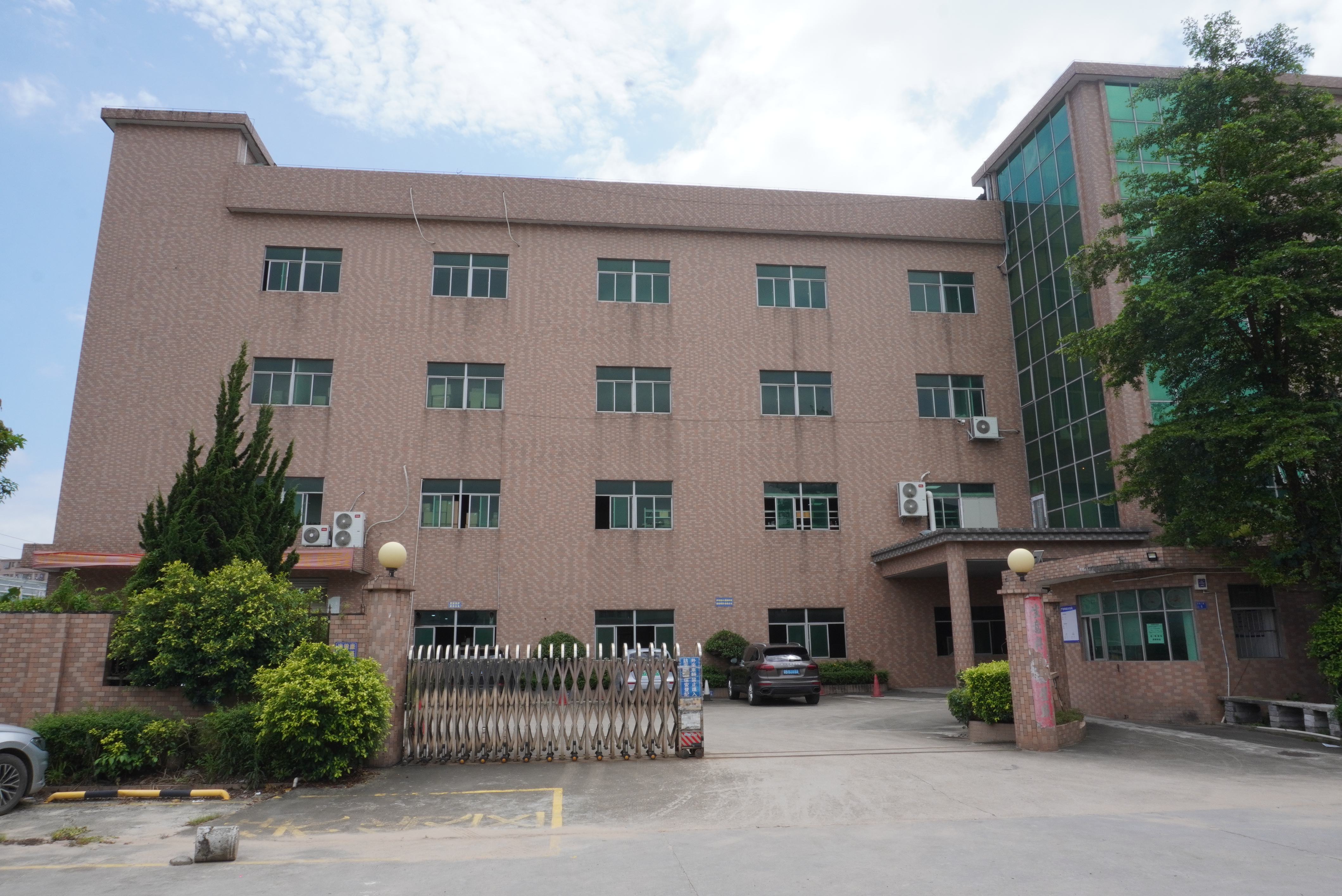
Dongguan Sanlixin Plastic Technology Co.,Ltd
Shenzhen Sanlixin Technology Co., Ltd. and Dongguan Sanlixin Plastic Technology Co., Ltd. is a manufacturer integrating precision plastic mold design, mold opening, single (double) color injection molding, IML injection molding processing, producing various single (double) color, IML process high-end appearance decorative structural parts, two-color buttons, USB dust plugs, panels and other plastic products, providing customers with fast, excellent, Midea all-round service, the company has 15 years of experience in precision plastic mold design, processing and production, with a variety of advanced machine injection molding equipment with excellent quality and fast service to win the trust and strong support of our customers.
Electrical Discharge Machining (EDM): A Comprehensive Guide
Thermoplastic Elastomer (TPE) Explained: A Comprehensive Guide