Insert Molding: Advantages, Disadvantages, and Applications
Insert Molding: Advantages, Disadvantages, and Applications
What is Insert Molding?
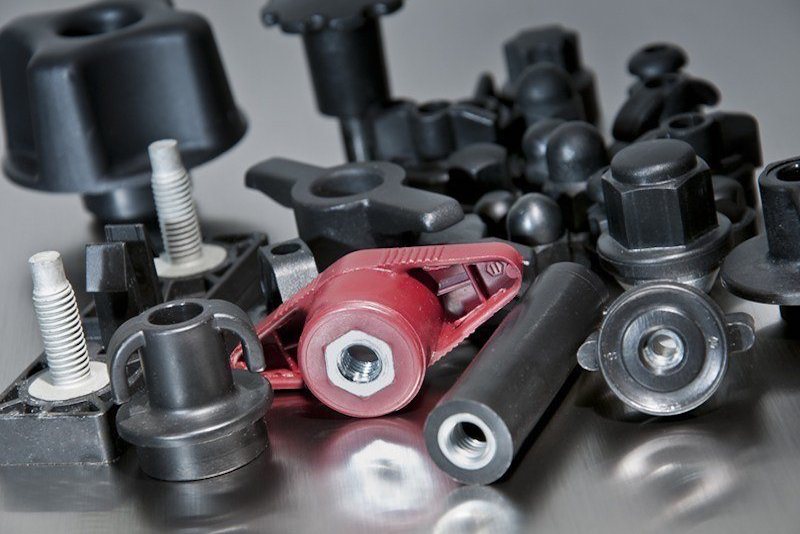
Insert molding is a manufacturing process where a pre-formed component (often made of metal, ceramic, or another material) is placed into a mold and then encapsulated with plastic or another molding material. This technique is widely used to create multi-material parts that combine the strength of inserts with the versatility of molded materials.
Advantages of Insert Molding
Insert molding offers several benefits that make it a popular choice for manufacturing complex, high-performance parts:
1. Enhanced Strength and Durability
By combining the mechanical properties of inserts (e.g., metal) with the flexibility of plastic, insert molding creates parts that are stronger and more durable than those made from a single material.
2. Reduced Assembly Costs
Insert molding eliminates the need for secondary assembly processes, such as fastening or bonding, reducing labor costs and production time.
3. Improved Design Flexibility
This process allows for the integration of multiple materials and components into a single part, enabling innovative and functional designs.
4. Better Component Integration
Inserts are precisely placed and securely bonded within the molded material, ensuring reliable performance and reducing the risk of part failure.
5. Enhanced Aesthetic Appeal
Insert molding creates seamless, visually appealing parts by encapsulating inserts within the molding material, eliminating visible joints or seams.
6. Lightweight Solutions
By combining lightweight plastics with functional inserts, insert molding produces parts that are both strong and lightweight, ideal for industries like automotive and aerospace.
Disadvantages of Insert Molding
Despite its many benefits, insert molding also has some limitations:
1. High Initial Costs
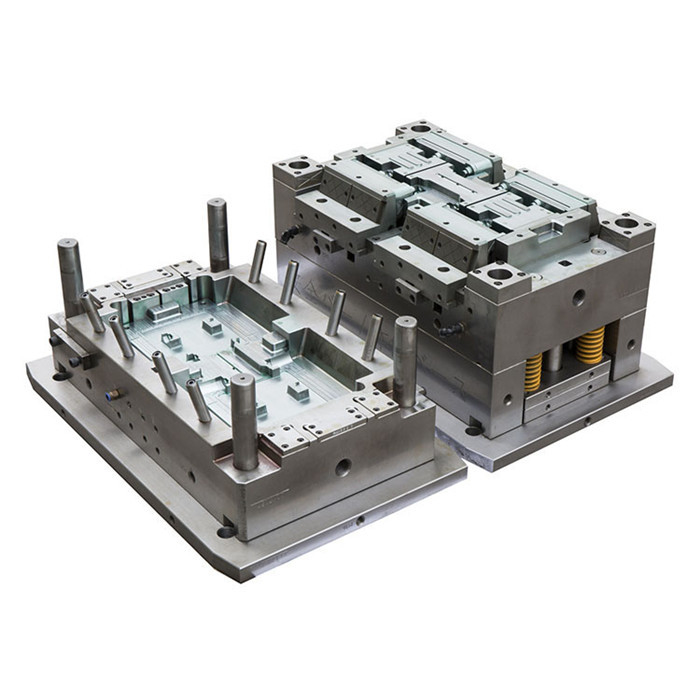
The design and fabrication of molds for insert molding require significant upfront investment, making it less cost-effective for small production runs.
2. Complex Process
Insert molding is more complex than traditional molding, requiring specialized equipment, precise insert placement, and expertise in material compatibility.
3. Material Compatibility Challenges
Ensuring proper bonding between the insert and the molding material can be difficult, limiting material choices and requiring thorough testing.
4. Longer Lead Times
The design, testing, and production of molds can take considerable time, potentially delaying product launches.
5. Maintenance Requirements
Molds and equipment require regular maintenance to ensure optimal performance, adding to operational costs.
6. Risk of Insert Misalignment
Improper placement of inserts during the molding process can lead to defective parts, requiring strict quality control measures.
Applications of Insert Molding
Insert molding is widely used across various industries due to its ability to create strong, multi-functional parts. Below are some common applications:
1. Automotive Industry
- Electrical Connectors: Metal contacts encapsulated in plastic housings for secure and durable connections.
- Sensor Housings: Sensitive components protected by plastic encapsulation.
- Interior Components: Durable and aesthetically pleasing knobs, handles, and controls.
2. Electronics
- Circuit Boards: Electronic components embedded in plastic for protection and insulation.
- Connectors and Switches: Metal parts integrated with plastic for reliable electrical connections.
- Wearable Devices: Combining metal and plastic for durable and comfortable designs.
3. Healthcare
- Medical Devices: Metal components encapsulated in biocompatible plastics for safe and reliable use.
- Surgical Instruments: Ergonomic tools with integrated metal parts for precision and durability.
- Implantable Devices: Multi-material solutions for long-lasting medical applications.
4. Consumer Goods
- Household Appliances: Durable and functional parts combining metal and plastic.
- Tools and Equipment: Ergonomic handles with embedded metal components for improved grip and durability.
- Toys and Gadgets: Innovative and durable designs using multi-material integration.
Conclusion
Insert molding is a versatile and efficient manufacturing process that combines the strengths of different materials to create high-performance, multi-functional parts. While it offers significant advantages such as enhanced durability, reduced assembly costs, and design flexibility, it also comes with challenges like high initial costs, material compatibility issues, and process complexity. By understanding its applications, advantages, and disadvantages, manufacturers can leverage insert molding to produce innovative, high-quality products that meet the demands of modern industries.
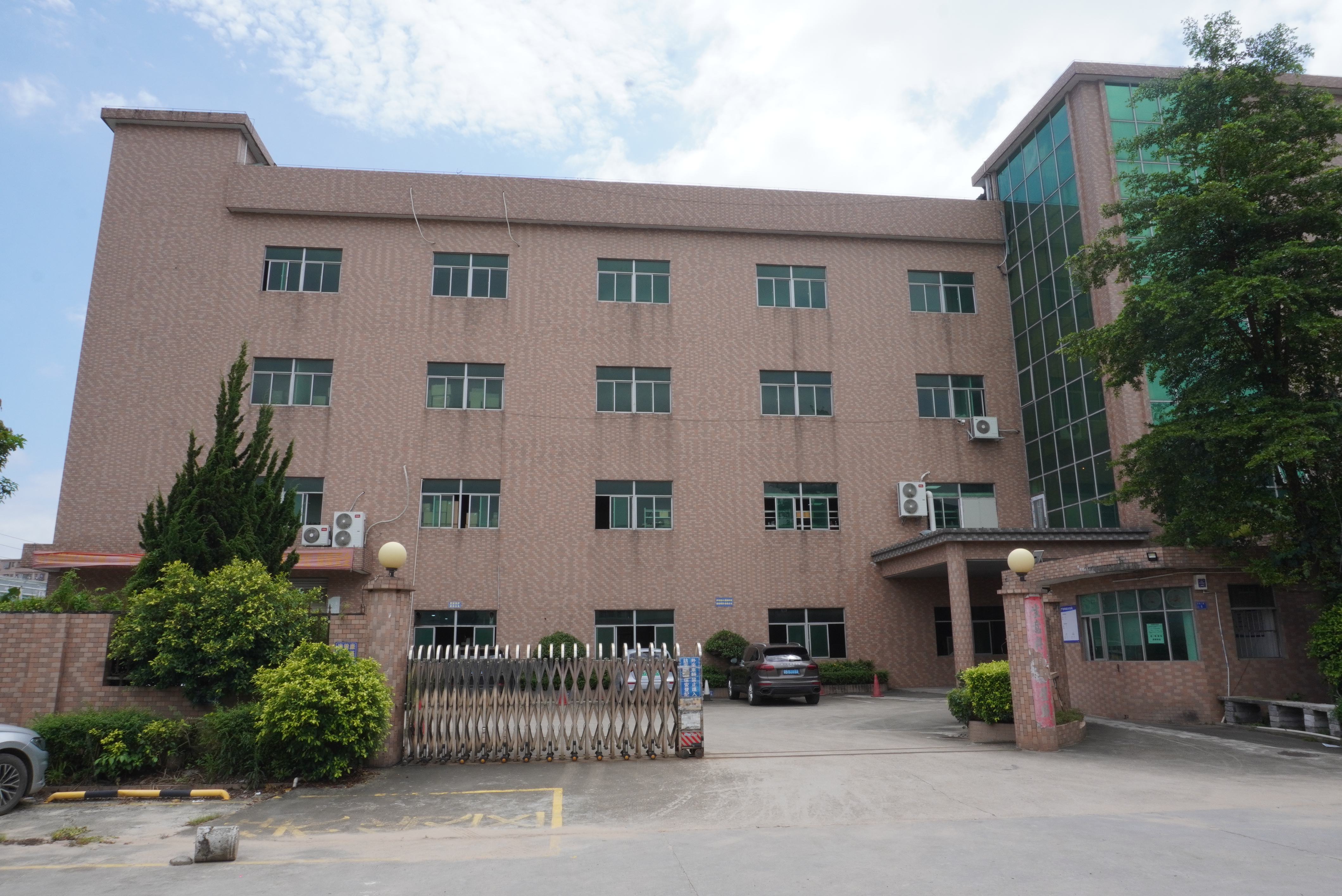
Dongguan Sanlixin Plastic Technology Co.,Ltd
Shenzhen Sanlixin Technology Co., Ltd. and Dongguan Sanlixin Plastic Technology Co., Ltd. is a manufacturer integrating precision plastic mold design, mold opening, single (double) color injection molding, IML injection molding processing, producing various single (double) color, IML process high-end appearance decorative structural parts, two-color buttons, USB dust plugs, panels and other plastic products, providing customers with fast, excellent, Midea all-round service, the company has 15 years of experience in precision plastic mold design, processing and production, with a variety of advanced machine injection molding equipment with excellent quality and fast service to win the trust and strong support of our customers.
What to Know About Injection Molding Tooling Life
Overmolding and Two-Shot Molding: Applications, Advantages, and Disadvantages