Exploring the Birth of Injection Molding Pellets: A Full - Process Analysis from Polymer Raw Materials to Precision Pellets
High-quality injection molding pellets, precision-engineered for consistent performance, excellent flow, and optimal molding results across diverse applications.

Exploring the Birth of Injection Molding Pellets: A Full - Process Analysis from Polymer Raw Materials to Precision Pellets
The Invention of Plastic and Its Significance in Modern Society
From Polymer Raw Materials to Plastic Pellets: The Manufacturing Process
Raw Material Sourcing
Polymerization: Building the Molecular Chains
Pelletizing: Shaping the Polymers into Precise Pellets
Common Types of Plastic Pellets and Their Parameters
Polyethylene (PE)
- Low - Density Polyethylene (LDPE):
-
- Density: 0.91 - 0.94 g/cm³
-
- Melting Point: 105 - 115 °C
-
- Characteristics: High flexibility, good impact resistance, and excellent moisture barrier properties.
-
- Applications: Packaging films, plastic bags, and some injection - molded containers.
- High - Density Polyethylene (HDPE):
-
- Density: 0.94 - 0.97 g/cm³
-
- Melting Point: 125 - 135 °C
-
- Characteristics: Higher strength and stiffness compared to LDPE, good chemical resistance.
-
- Applications: Plastic pipes, large containers, and injection - molded parts requiring strength.
Polypropylene (PP)
- Density: 0.9 - 0.91 g/cm³
- Melting Point: 160 - 170 °C
- Characteristics: Good chemical resistance, high heat resistance, and excellent fatigue resistance.
- Applications: Automotive parts, food containers, and textiles.
Polystyrene (PS)
- Density: 1.04 - 1.09 g/cm³
- Melting Point: 240 - 260 °C (for general - purpose PS)
- Characteristics: Rigid, lightweight, and can be transparent or opaque. Good dimensional stability.
- Applications: Disposable cutlery, packaging, and toys.
Acrylonitrile Butadiene Styrene (ABS)
- Density: 1.01 - 1.04 g/cm³
- Melting Point: 210 - 240 °C
- Characteristics: Combines toughness, impact resistance, and good surface finish.
- Applications: Automotive components, consumer electronics housings, and toys.
Polycarbonate (PC)
- Density: 1.2 g/cm³
- Melting Point: 220 - 230 °C
- Characteristics: High impact resistance, optical clarity, and good heat resistance.
- Applications: Automotive lenses, safety helmets, and medical devices.
Applications of Plastic Pellets in Modern Industry and Daily Life
Industrial Applications
- Automotive Industry: Plastic pellets are used to make a wide range of automotive parts. For example, polypropylene is often used in interior components like dashboards and door panels due to its lightweight and cost - effectiveness. ABS is used for exterior trim and components that require impact resistance. "In the automotive industry, the use of plastic parts has significantly reduced vehicle weight, leading to improved fuel efficiency," says automotive engineer, John Smith.
- Electronics Industry: Polycarbonate and ABS are commonly used in the electronics industry. PC is used for making optical lenses in devices like cameras and smartphones, while ABS is used for the housings of electronic devices, providing protection to the internal components.
- Medical Industry: Plastics play a crucial role in the medical field. PE is used for making medical tubing due to its biocompatibility and flexibility. Polypropylene is used in medical syringes and containers as it can be easily sterilized. "The use of plastics in the medical industry has been a game - changer, enabling the development of advanced medical devices and improving patient care," remarks Dr. Emily Green, a medical researcher.
Daily Life Applications
- Packaging: Plastic pellets are used to create various packaging materials. LDPE is used for making plastic bags, which are widely used for shopping and food storage. PET (Polyethylene Terephthalate) is used for beverage bottles due to its excellent barrier properties against oxygen and carbon dioxide.
- Toys: Many toys are made from plastic pellets. Polystyrene is commonly used for making toy parts that require a rigid structure, while ABS is used for toys that need to withstand rough handling.
- Home Goods: Plastic pellets are used to make a variety of home goods, such as furniture, kitchenware, and bathroom fixtures. Polypropylene is used for making plastic chairs and storage containers, while PVC (Polyvinyl Chloride) is used for making shower curtains and floor tiles.
Expert Opinions on Plastic Pellets and Their Future
FAQs about Plastic Pellets in the Industry
- What is the difference between thermoplastic and thermosetting plastic pellets?
- Can recycled plastic pellets be used in the same applications as virgin plastic pellets?
- How do I choose the right plastic pellet for my injection molding project?
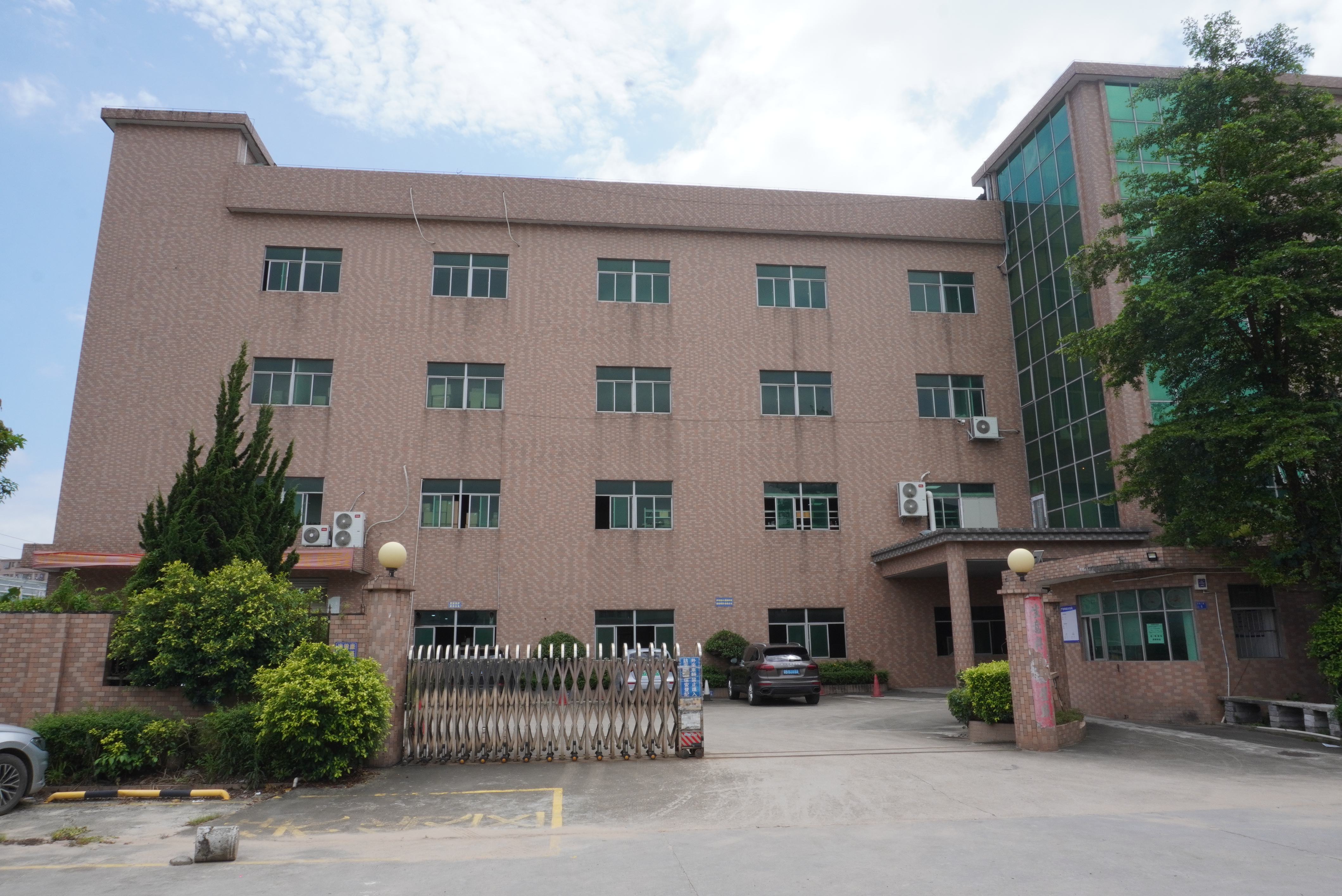
Dongguan Sanlixin Plastic Technology Co.,Ltd
Shenzhen Sanlixin Technology Co., Ltd. and Dongguan Sanlixin Plastic Technology Co., Ltd. is a manufacturer integrating precision plastic mold design, mold opening, single (double) color injection molding, IML injection molding processing, producing various single (double) color, IML process high-end appearance decorative structural parts, two-color buttons, USB dust plugs, panels and other plastic products, providing customers with fast, excellent, Midea all-round service, the company has 15 years of experience in precision plastic mold design, processing and production, with a variety of advanced machine injection molding equipment with excellent quality and fast service to win the trust and strong support of our customers.
Shocking! The prices of CNC machining centers are fully revealed, from entry - level to high - end, you'll know it all.
Unlocking Future Touch: 4K Carbon Fiber Texture Makes Technological Aesthetics Tangible