Why is Plastic Prototyping Important in Product Design?
Why is Plastic Prototyping Important in Product Design?
Introduction to Plastic Prototyping
Plastic prototyping is a critical step in the product design process, allowing designers and engineers to create physical models of their concepts before moving to full-scale production. This process involves using various techniques to produce prototypes from plastic materials, enabling teams to test, evaluate, and refine their designs. Plastic prototyping is essential for ensuring that the final product meets all functional, aesthetic, and performance requirements.
Key Benefits of Plastic Prototyping
Plastic prototyping offers numerous advantages that make it an indispensable part of product design:
Design Validation
Prototyping allows designers to validate their concepts by creating tangible models that can be tested and evaluated. This helps identify any design flaws or areas for improvement early in the development process, reducing the risk of costly changes later on.
Functional Testing
Plastic prototypes enable functional testing to ensure that the product performs as intended. This includes testing for strength, durability, fit, and usability. Functional testing helps identify potential issues that may not be apparent in digital models.
User Feedback
Prototypes provide a physical representation of the product that can be shared with stakeholders, including potential users, investors, and team members. Gathering feedback from these groups is crucial for refining the design and ensuring that it meets user needs and expectations.
Cost Efficiency
By identifying and addressing design issues early, plastic prototyping helps reduce the overall cost of product development. It minimizes the risk of expensive modifications during the manufacturing phase and ensures that the final product is both functional and market-ready.
Speed to Market
Prototyping accelerates the product development process by allowing for rapid iteration and testing. This enables companies to bring products to market faster, gaining a competitive edge in their industry.
Applications of Plastic Prototyping in Product Design
Plastic prototyping is used in a wide range of industries and applications, including:
Consumer Electronics
In the consumer electronics industry, plastic prototyping is used to create models of devices such as smartphones, tablets, and wearables. These prototypes are tested for ergonomics, durability, and user interface design.
Medical Devices
Medical device manufacturers use plastic prototyping to develop and test equipment such as surgical instruments, diagnostic devices, and prosthetics. Prototyping ensures that these devices meet stringent safety and performance standards.
Automotive Components
In the automotive industry, plastic prototyping is used to create components such as dashboards, interior panels, and exterior parts. Prototypes are tested for fit, finish, and performance under various conditions.
Industrial Equipment
Plastic prototyping is also used in the design of industrial equipment, including machinery parts, enclosures, and tools. Prototypes are tested for durability, functionality, and ease of use.
Innovative Techniques in Plastic Prototyping
Several advanced techniques are used in plastic prototyping to achieve high-quality, functional prototypes:
3D Printing
3D printing, or additive manufacturing, is a popular method for creating plastic prototypes. It allows for rapid production of complex geometries and is ideal for iterative design processes.
CNC Machining
CNC machining is used to create precise plastic prototypes from solid blocks of material. This technique is suitable for producing high-accuracy parts with excellent surface finishes.
Injection Moulding
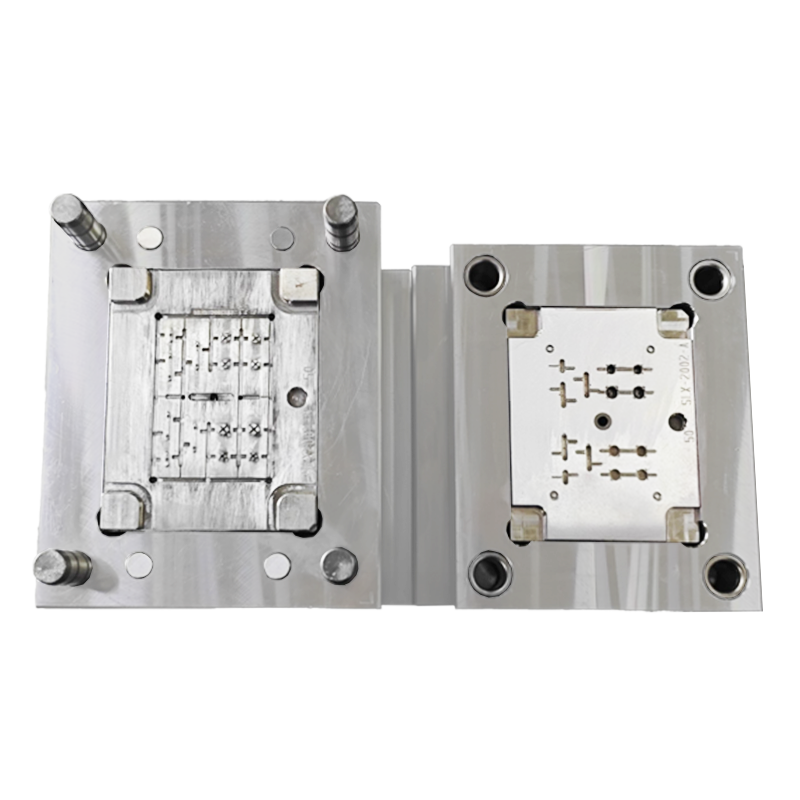
Injection moulding is used for producing high-quality plastic prototypes that closely resemble the final product. This technique is ideal for testing the manufacturability and performance of the design.
Vacuum Casting
Vacuum casting is used to create small batches of plastic prototypes using silicone moulds. This technique is cost-effective and produces parts with good detail and surface finish.
Conclusion
Plastic prototyping is a vital component of the product design process, offering numerous benefits that enhance the development of new products. By enabling design validation, functional testing, user feedback, cost efficiency, and speed to market, plastic prototyping ensures that the final product meets all necessary requirements and stands up to real-world use. As technology continues to advance, plastic prototyping will remain an essential tool for innovation and success in product design.
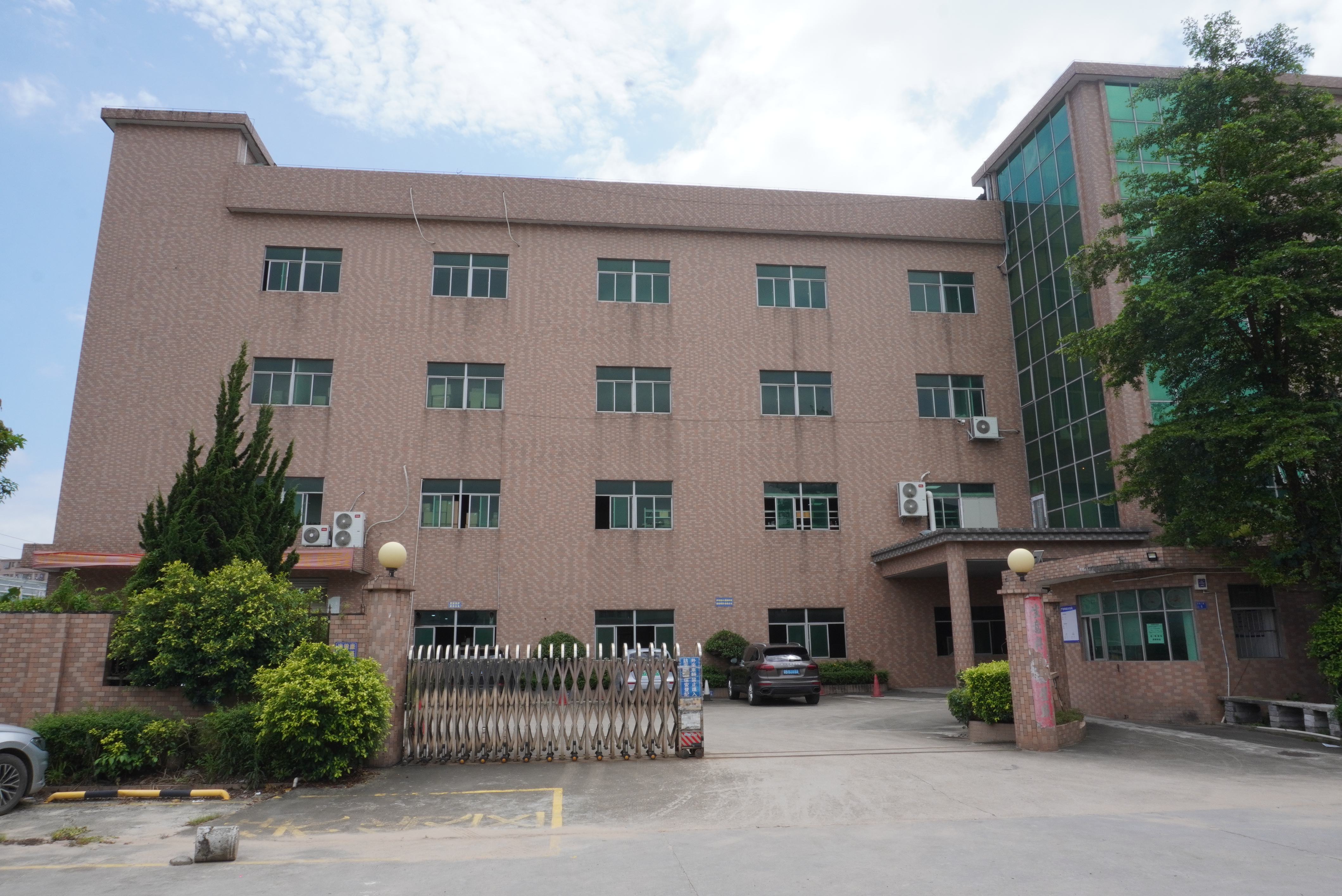
Dongguan Sanlixin Plastic Technology Co.,Ltd
Shenzhen Sanlixin Technology Co., Ltd. and Dongguan Sanlixin Plastic Technology Co., Ltd. is a manufacturer integrating precision plastic mold design, mold opening, single (double) color injection molding, IML injection molding processing, producing various single (double) color, IML process high-end appearance decorative structural parts, two-color buttons, USB dust plugs, panels and other plastic products, providing customers with fast, excellent, Midea all-round service, the company has 15 years of experience in precision plastic mold design, processing and production, with a variety of advanced machine injection molding equipment with excellent quality and fast service to win the trust and strong support of our customers.
How is Plastic Injection Moulding Used in Sports Equipment?
How Plastic Injection Moulding is Applied in the Maritime Industry