Injection Molded Plastics and Elastomers
Injection Molded Plastics and Elastomers are two broad categories of materials commonly used in the injection molding process. Each has unique properties, applications, and processing requirements. Below is a detailed overview of both:
Injection Molded Plastics
Plastics are synthetic or semi-synthetic materials made from polymers, which can be molded into various shapes when heated. They are widely used in injection molding due to their versatility, durability, and cost-effectiveness.
Injection Molded Elastomers
Elastomers are rubber-like materials that exhibit elasticity and flexibility. They can be stretched and return to their original shape. Elastomers are often used in applications requiring flexibility, sealing, or shock absorption.
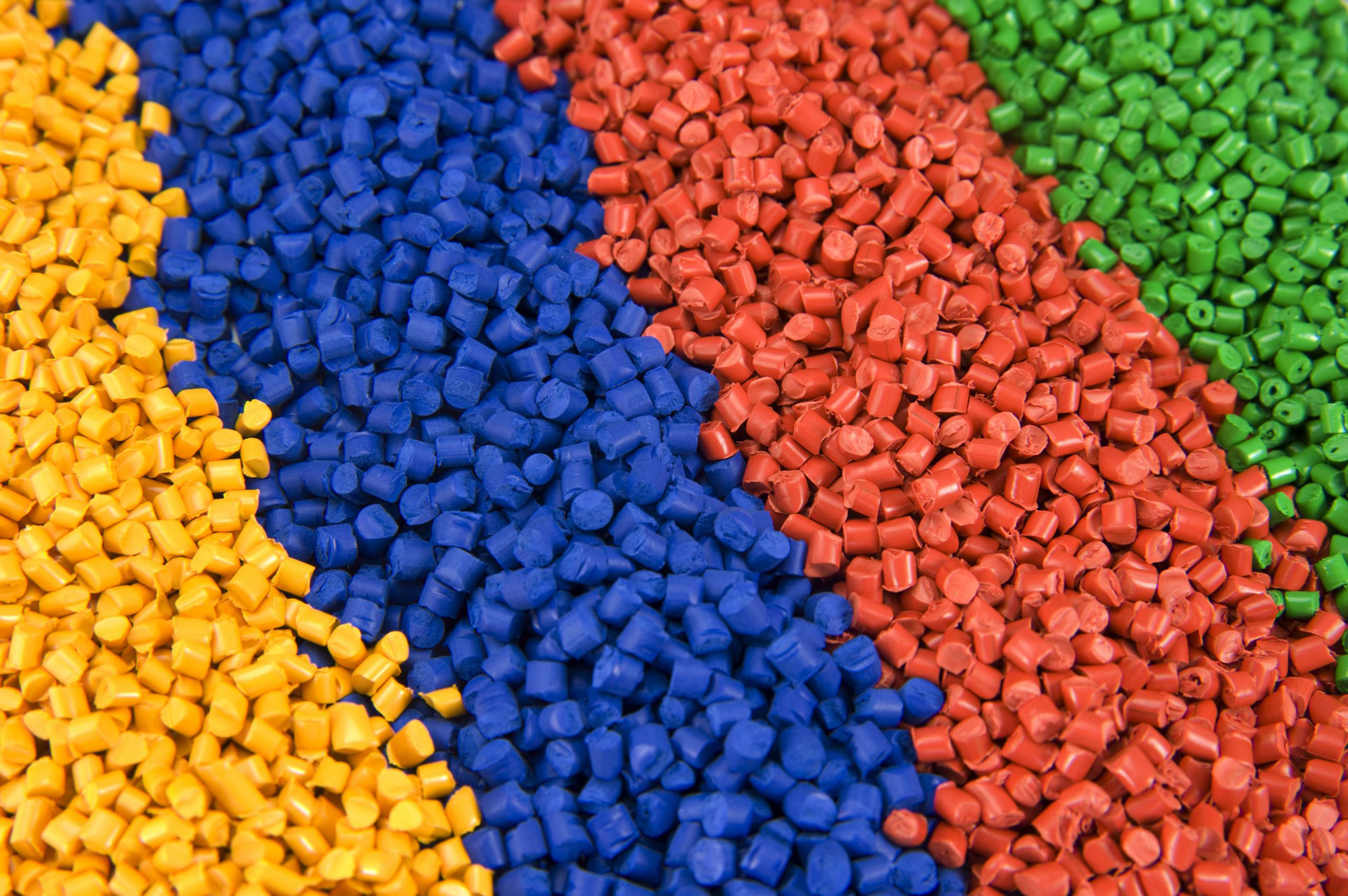
- ABS (acrylonitrile butadiene styrene): High-strength general-purpose engineering plastic, used for many commercial products.
- ASA (acrylonitrile styrene acrylate): A material very similar to ABS with higher resistance to fading and better suited for outdoor use.
- CA (cellulose acetate): Typically used in eyeglasses and film, CA is a flexible clear material that can be used in food contact.
- HDPE (high-density polyethylene): Excellent strength-to-weight ratio and chemical resistance. It is often used for fuel tanks, connector insulators, and food containers. HDPE is also used in outdoor equipment like playgrounds.
- LCP (liquid crystal polymer): LCP has mechanics even at elevated temperatures as well as low dielectric constants. This material provides exceptional features for micromolding and thin walled components. LCP is popular for electrical connectors and interconnects as well as medical devices.
- LDPE (low-density polyethylene): A flexible and tough material with lower density versus HDPE. LDPE does not react to acids, bases, or alcohols. Useful for trays, snap lids, and general-purpose containers.
- PA 6 (polyamide 6, nylon 6): Offers increased mechanical strength, rigidity, good stability under heat, and/or chemical resistance.
- PARA (polyarylamide): Often combined with infills such as glass or mineral fibers, PARA creates very rigid parts with low creep and a slower rate of water absorption compared to nylon (PA): PARA is great for structural components in handheld electronics as well as medical devices.
- PBT (polybutylene terephthalate, Valox): A common electronic insulator with a polyester base. Highly used in automotive as a longer-wear alternative to nylon.
- PC (polycarbonate): A clear or colored, lightweight, glass-like plastic that is heavily used across multiple industries. PC is impact resistant, holds great feature detail, and can be used for safety equipment, lenses, electronic devices, and much more.
- PC-ABS (polycarbonate-acrylonitrile butadiene styrene): The best of both PC and ABS. Higher-strength engineering thermoplastic with slightly more flexibility than standard polycarbonate.
- PC-PBT (polycarbonate-polybutylene terephthalate, Xenoy): A tough and rigid material resistant to lubricants, solvents, and cleaning agents. Very common in electronic enclosures.
- PC-PET (polycarbonate-polyethylene terephthalate): A blend of PC and PET provides tough and chemically resistant results and can be used as an alternate to PC-ABS. It endures harsh solvents and cleaners, making it excellent for sports equipment and healthcare applications.
- PCT (polycyclohexylenedimethylene terephthalate): A thermoplastic polyester that typically outperforms PET due to lower moisture absorption and better environmental stability. PCT is often used for connectors and switches.
- PE (polyethylene): One of the most common plastics used in the world, PE has high ductility, abrasion resistance, and chemical resistance. PE is often described by its molecular weight, such as UHMW PE (ultra-high molecular weight), LDPE (low density), or HDPE (high density). PE is used in packaging, tubing, films, bottles, and more.
- PEEK (polyether ether ketone): Offering excellent tensile strength that surpasses most plastics, PEEK is often used as a lightweight substitute for metal parts in high-temperature, high-stress applications. PEEK resists chemicals, wear, and moisture.
- PEI (polyetherimide, Ultem): Known best for its extremely high heat and flame resistance, PEI is used for many medical applications and is more affordable than PEEK.
- PE-PP (polyethylene-polypropylene): A resin blend of the polyolefin’s polypropylene and polyethylene.
- PE-PS (polyethylene-polystyrene): A resin blend of the polyethylene and polystyrene.
- PES (polyethersulfone): A rigid, transparent plastic that is chemically inert, biocompatible, and sterilizable. PES is suitable for food-contact devices such as coffee machine components as well as aerospace and automotive where chemical exposure is high.
- PET (polyethylene terephthalate, Rynite): Also abbreviated PETE, this is a clear, strong, and lightweight PE resin heavily used in food packaging, soda bottles, jars, and more. The material is food-safe. PET is recyclable with a resin code of 1.
- PLA (polylactic acid): A biodegradable and renewable plastic. PLA has a relatively low glass transition temperature and is common in short-use applications.
- PMMA (polymethyl methacrylate, acrylic): A clear glass-like plastic. Good wear and tear properties. Great for outdoor use.
- POM (acetal polyoxymethylene, Delrin): Good moisture resistance, high wear-resistance, and low friction.
- PP (polypropylene): Polypropylene has excellent electrical properties and little or no moisture absorpti
- EPDM (ethylene propylene diene monomer rubber (Viton)): One of the highest performing rubber elastomers with high heat resistance, chemical resistance, and moisture sealing properties. EPDM is commonly found in automotive seals, gaskets, O-rings, and electrical insulators.
- PEBA (polyether block amide): A soft, flexible, plastic or elastomer used for medical devices such as catheters. PEBA foams are used for padding, shoe insoles, and sports equipment. PEBA is resistant to moisture and UV exposure.
- PVC (polyvinyl chloride (Shore A)): A rubber-like, general use elastomer, that is common in outdoor products, protective films, and mats. Shore A rubber-like PVC requires plasticizers to improve its flexibility from its typical rigid state. PVC is flame retardant due to its self-extinguishing properties.
- TPE (thermoplastic elastomer): A broad class of elastomers that behave like a thermoset with high flex and elasticity but process like a thermoplastic through molding. TPE is an umbrella term for many unique elastomer classes.
- TPU (thermoplastic polyurethane (Shore A)): A tough, highly abrasion-resistant elastomer that bridges the gap between rubbers and plastics. TPUs can be formulated to be rigid or elastomeric. TPU exhibits a high flex before break and is ideal for flexible tires, skateboard wheels, and weatherproof gaskets.
- TPV (thermoplastics elastomer, vulcanized rubber (Santoprene)): An excellent elastomer with high versatility due to temperature resistance, compression, and elasticity.
- LSR (liquid silicone rubber): Offering food and biocompatibility, extreme heat resistance, and excellent flexibility, silicones are a versatile rubber material. LSR is used for medical devices and automotive, aerospace, and consumer products. Liquid silicone rubber molding is a specialized process different from traditional injection molding (more on this below).
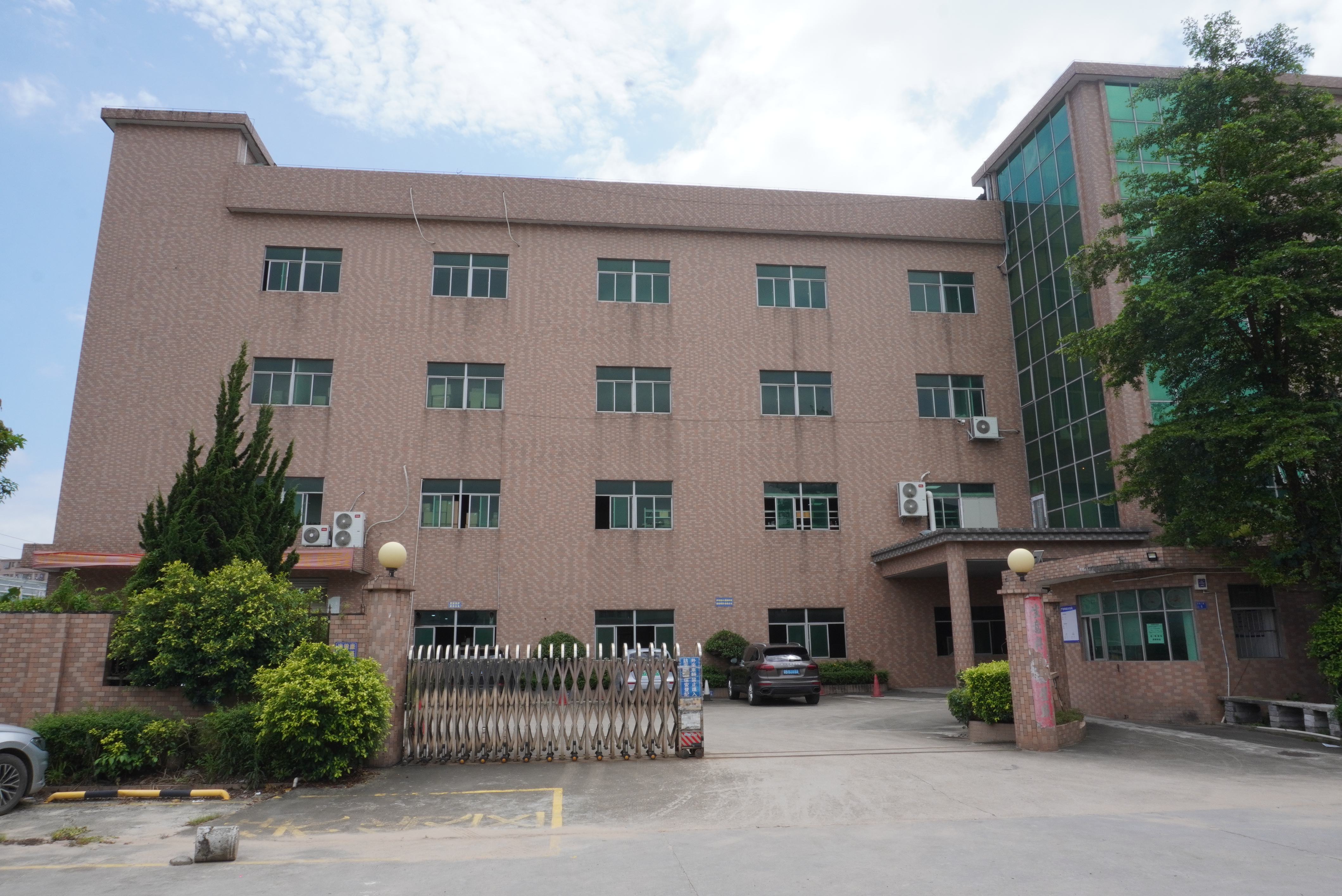
Dongguan Sanlixin Plastic Technology Co.,Ltd
Shenzhen Sanlixin Technology Co., Ltd. and Dongguan Sanlixin Plastic Technology Co., Ltd. is a manufacturer integrating precision plastic mold design, mold opening, single (double) color injection molding, IML injection molding processing, producing various single (double) color, IML process high-end appearance decorative structural parts, two-color buttons, USB dust plugs, panels and other plastic products, providing customers with fast, excellent, Midea all-round service, the company has 15 years of experience in precision plastic mold design, processing and production, with a variety of advanced machine injection molding equipment with excellent quality and fast service to win the trust and strong support of our customers.
Hot Runner Mold and Cold Runner Mold
Single Cavity vs Multi Cavity Mold