How Long Can I Expect My Injection Mold to Last?
How Long Can I Expect My Injection Mold to Last?
Understanding the Lifespan of Injection Molds
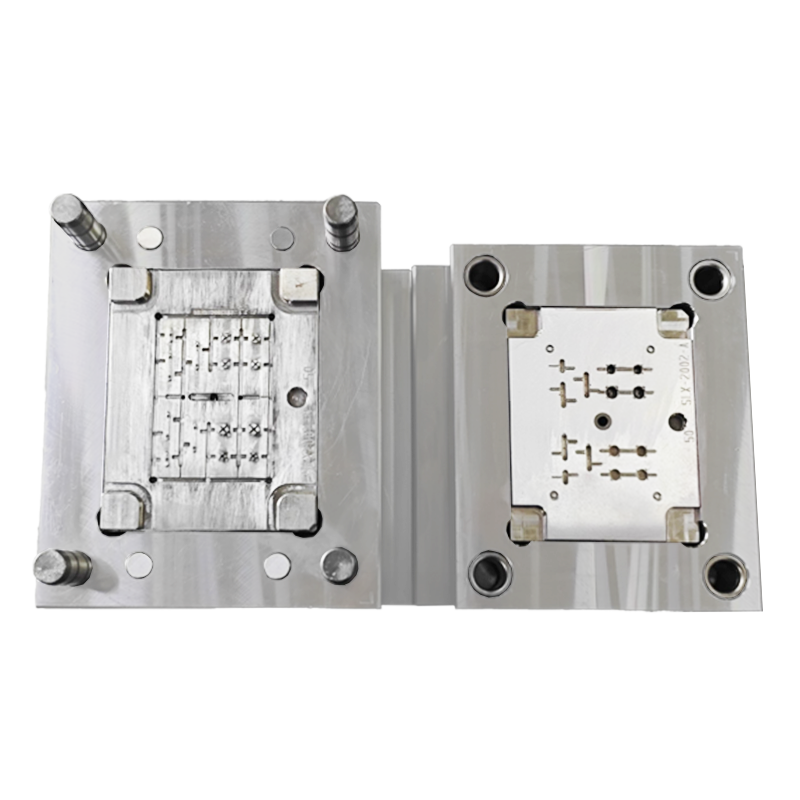
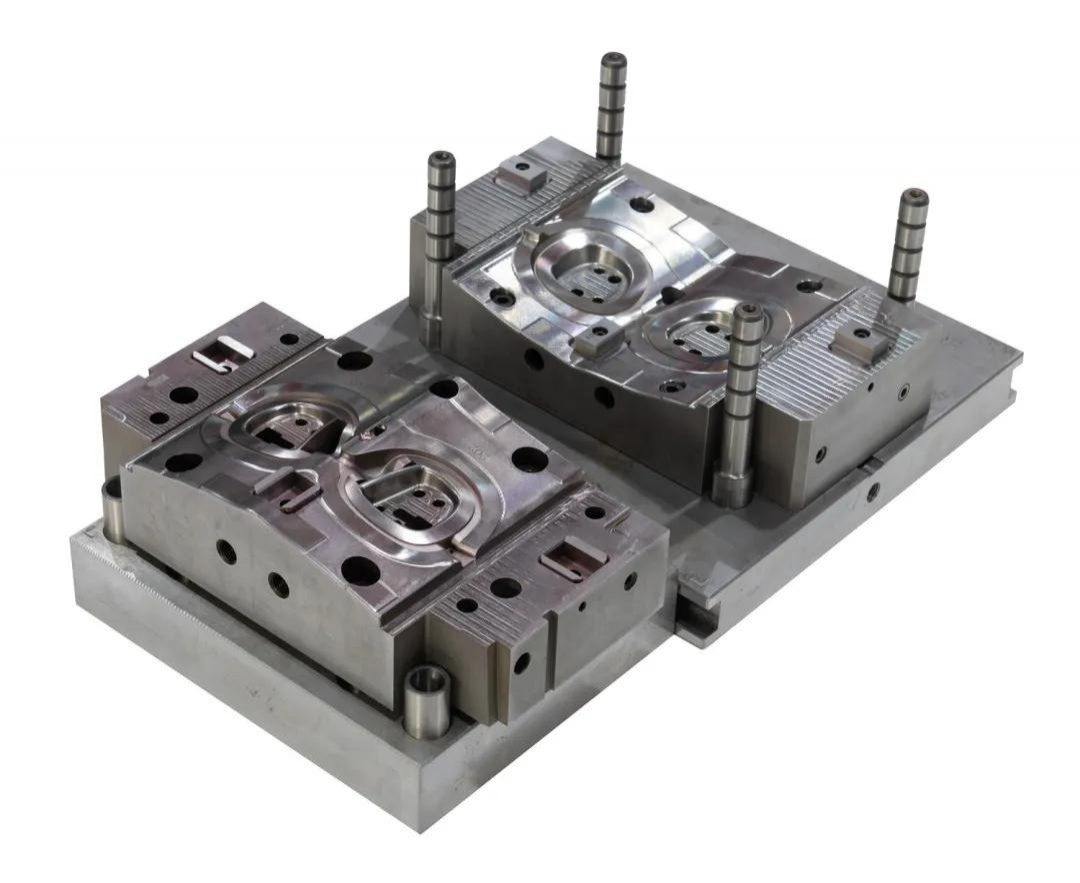
Injection molding is a widely used manufacturing process for producing plastic parts in large volumes. One of the most common questions manufacturers ask is, "How long can I expect my injection mold to last?" The answer depends on several factors, including the type of material used, the design of the mold, and the maintenance practices employed.
Factors Influencing Mold Longevity
Several key factors influence the lifespan of an injection mold:
- Material: The type of plastic being molded can significantly impact the mold's durability. Abrasive materials, such as glass-filled polymers, can wear down the mold faster than softer materials like polyethylene.
- Design: A well-designed mold with proper cooling channels and venting can last longer than a poorly designed one. Complex geometries and thin walls can also increase wear and tear.
- Maintenance: Regular maintenance, including cleaning, lubrication, and inspection, can extend the life of an injection mold. Neglecting maintenance can lead to premature failure.
- Production Volume: High-volume production runs can accelerate mold wear. Molds used for low-volume production may last significantly longer.
Typical Lifespan of Injection Molds
The lifespan of an injection mold can vary widely depending on the factors mentioned above. On average, a well-maintained mold can last between 100,000 to 1,000,000 cycles. However, some molds used in high-volume production may need to be replaced after as few as 50,000 cycles, while others used in low-volume production can last for several million cycles.
Signs That Your Mold May Need Replacement
It's essential to recognize the signs that your injection mold may be nearing the end of its lifespan. Some common indicators include:
- Dimensional Inaccuracy: If the parts produced by the mold no longer meet the required specifications, it may be time to replace the mold.
- Surface Defects: Visible defects such as scratches, cracks, or blemishes on the molded parts can indicate mold wear.
- Increased Cycle Times: If the mold requires longer cooling times or more frequent maintenance, it may be wearing out.
- Frequent Breakdowns: A mold that requires constant repairs is likely nearing the end of its useful life.
Extending the Life of Your Injection Mold
While all molds will eventually wear out, there are steps you can take to extend their lifespan:
- Regular Maintenance: Implement a routine maintenance schedule to clean, lubricate, and inspect the mold.
- Proper Storage: Store molds in a controlled environment to prevent rust and other damage.
- Use Appropriate Materials: Choose materials that are less abrasive and easier on the mold.
- Optimize Design: Work with experienced mold designers to create molds that are durable and efficient.
Conclusion
The lifespan of an injection mold depends on various factors, including material, design, maintenance, and production volume. By understanding these factors and taking proactive steps to maintain your molds, you can maximize their lifespan and ensure consistent, high-quality production. Regular monitoring and timely replacement of worn-out molds are essential to avoid costly downtime and maintain product quality.
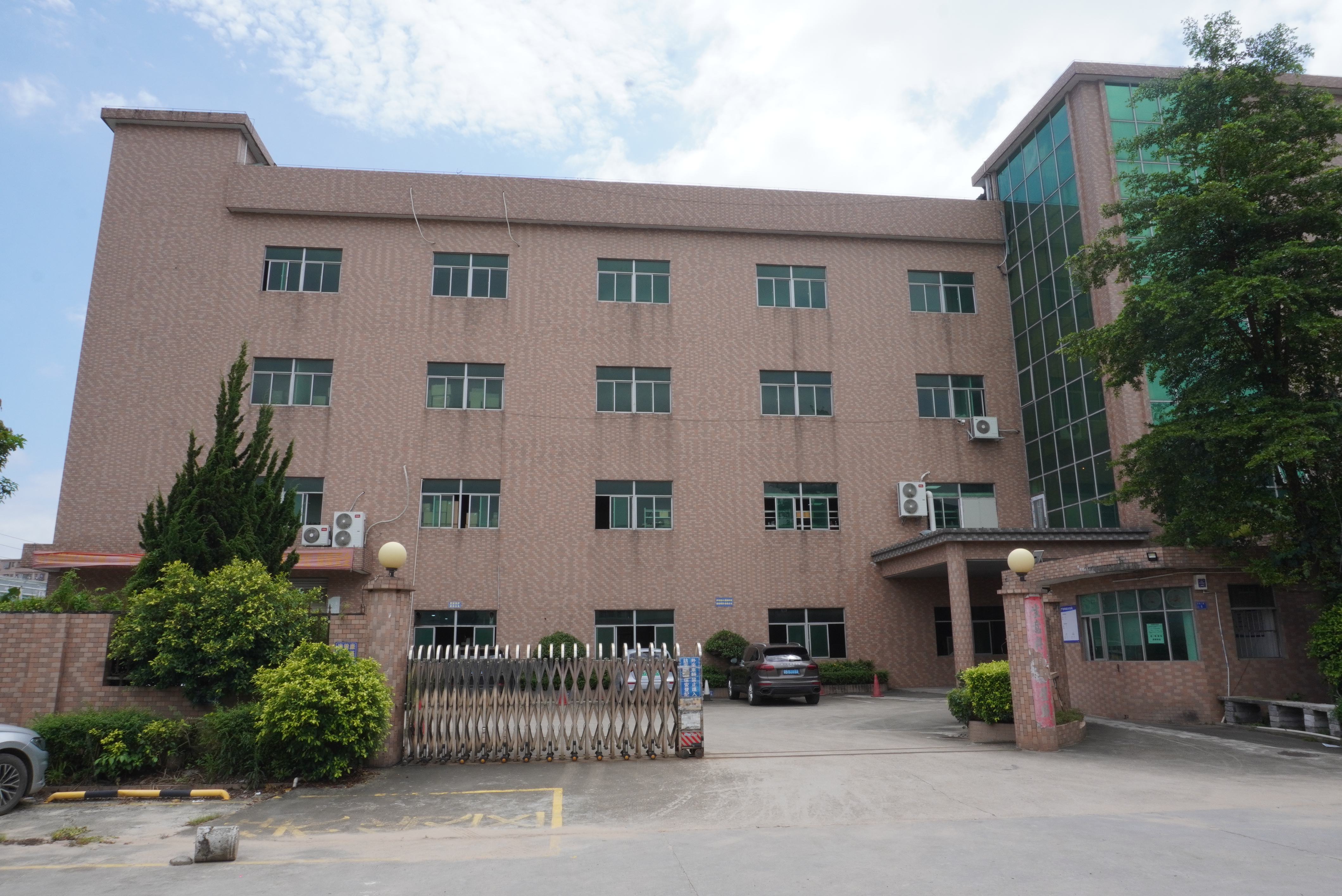
Dongguan Sanlixin Plastic Technology Co.,Ltd
Shenzhen Sanlixin Technology Co., Ltd. and Dongguan Sanlixin Plastic Technology Co., Ltd. is a manufacturer integrating precision plastic mold design, mold opening, single (double) color injection molding, IML injection molding processing, producing various single (double) color, IML process high-end appearance decorative structural parts, two-color buttons, USB dust plugs, panels and other plastic products, providing customers with fast, excellent, Midea all-round service, the company has 15 years of experience in precision plastic mold design, processing and production, with a variety of advanced machine injection molding equipment with excellent quality and fast service to win the trust and strong support of our customers.
Switching Your Injection Molder? Consider These First
New Risk Assessment Template for Injection Molding Enhances Safety and Efficiency