Molding Cavity: Essential Tips for Design

Molding Cavity: Essential Tips for Design
Introduction
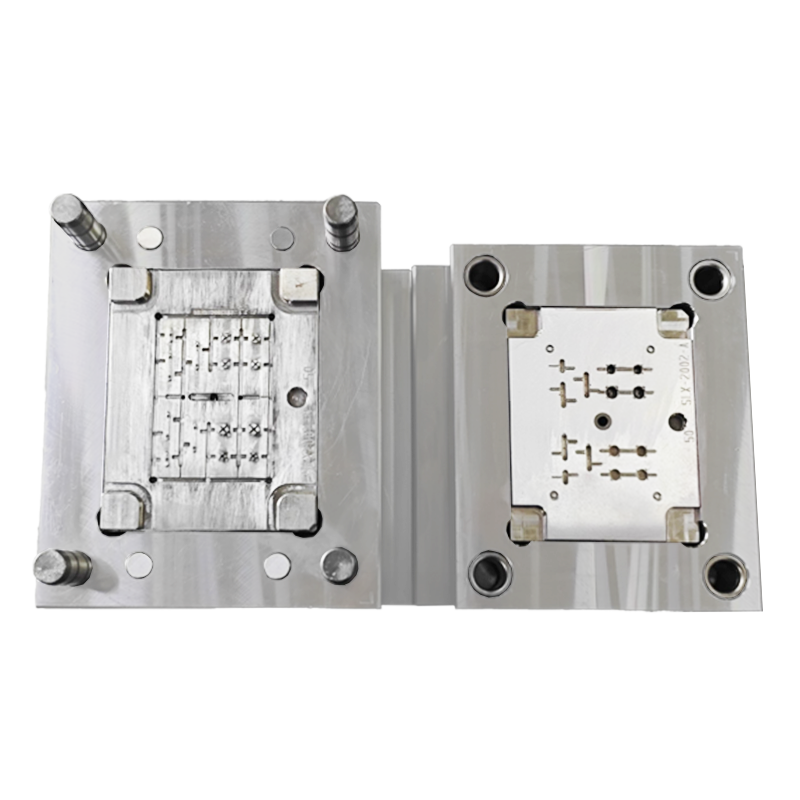
The molding cavity is a critical component of the injection molding process, defining the shape, dimensions, and surface finish of the final product. Proper design of the molding cavity ensures high-quality parts, efficient production, and reduced manufacturing costs. This article provides essential tips for designing an effective molding cavity.
1. Understanding the Role of the Molding Cavity
The molding cavity is the space within the mold where molten plastic is injected and shaped into the final part. Its design directly impacts the part's quality, mold performance, and production efficiency.
1.1 Function of the Molding Cavity
The molding cavity serves several key functions:
- Defining the part's geometry and dimensions.
- Ensuring proper material flow and cooling.
- Providing surface finish and texture.
1.2 Common Challenges in Cavity Design
Poor cavity design can lead to defects such as warping, sink marks, and incomplete filling. Addressing these challenges requires careful consideration of design parameters.
2. Key Design Considerations for Molding Cavities
Designing an effective molding cavity involves several critical factors, including part geometry, material selection, and cooling system design.
2.1 Part Geometry
The cavity must accurately reflect the part's geometry, including all features, undercuts, and complex shapes. Proper draft angles and radii are essential for easy part ejection and mold longevity.
2.2 Material Selection
The choice of mold material affects the cavity's durability, thermal conductivity, and surface finish. Common materials include tool steel, aluminum, and beryllium-copper alloys.
2.3 Cooling System Design
Efficient cooling is crucial for maintaining consistent part quality and reducing cycle times. The cavity design should incorporate well-placed cooling channels to ensure uniform cooling.
3. Tips for Optimizing Molding Cavity Design
Optimizing the molding cavity design involves addressing potential issues and enhancing the mold's performance. Here are some essential tips:
3.1 Use Proper Draft Angles
Incorporate draft angles of 1-2 degrees to facilitate easy part ejection and prevent damage to the part or mold.
3.2 Minimize Wall Thickness Variations
Uniform wall thickness ensures even cooling and reduces the risk of defects like sink marks and warping. Avoid abrupt changes in wall thickness.
3.3 Incorporate Venting
Proper venting allows air to escape during injection, preventing air traps and ensuring complete filling of the cavity. Place vents at the end of flow paths and in areas prone to air entrapment.
3.4 Design for Manufacturability
Consider the manufacturability of the cavity, including ease of machining, polishing, and maintenance. Complex designs may require advanced manufacturing techniques like EDM or CNC machining.
4. Advanced Techniques for Cavity Design
Emerging technologies and advanced techniques can further enhance the performance and efficiency of molding cavities.
4.1 Conformal Cooling Channels
Conformal cooling channels follow the contours of the cavity, providing uniform cooling and reducing cycle times. These channels are often created using additive manufacturing techniques.
4.2 Simulation and Mold Flow Analysis
Using simulation software to analyze mold flow helps identify potential issues like air traps, weld lines, and uneven cooling. This allows for proactive design adjustments.
4.3 Surface Finish and Texture
The cavity's surface finish affects the part's appearance and functionality. Techniques like polishing, texturing, and coating can enhance the surface properties.
5. Maintenance and Longevity of Molding Cavities
Proper maintenance is essential for ensuring the longevity and performance of molding cavities. Regular inspection and cleaning can prevent issues and extend the mold's life.
5.1 Regular Inspection
Inspect the cavity for wear, corrosion, and damage. Address any issues promptly to prevent defects and maintain part quality.
5.2 Cleaning and Polishing
Regular cleaning and polishing of the cavity prevent buildup of residues and maintain the desired surface finish.
5.3 Preventive Maintenance
Implement a preventive maintenance schedule to address potential issues before they affect production. This includes checking cooling channels, vents, and ejector systems.
Conclusion
Designing an effective molding cavity is crucial for achieving high-quality parts and efficient production. By considering factors such as part geometry, material selection, and cooling system design, and incorporating advanced techniques like conformal cooling and simulation, manufacturers can optimize their molding cavities. Proper maintenance further ensures the longevity and performance of the mold, leading to reduced costs and improved product quality. Following these essential tips will help create robust and efficient molding cavities, enhancing the overall injection molding process.
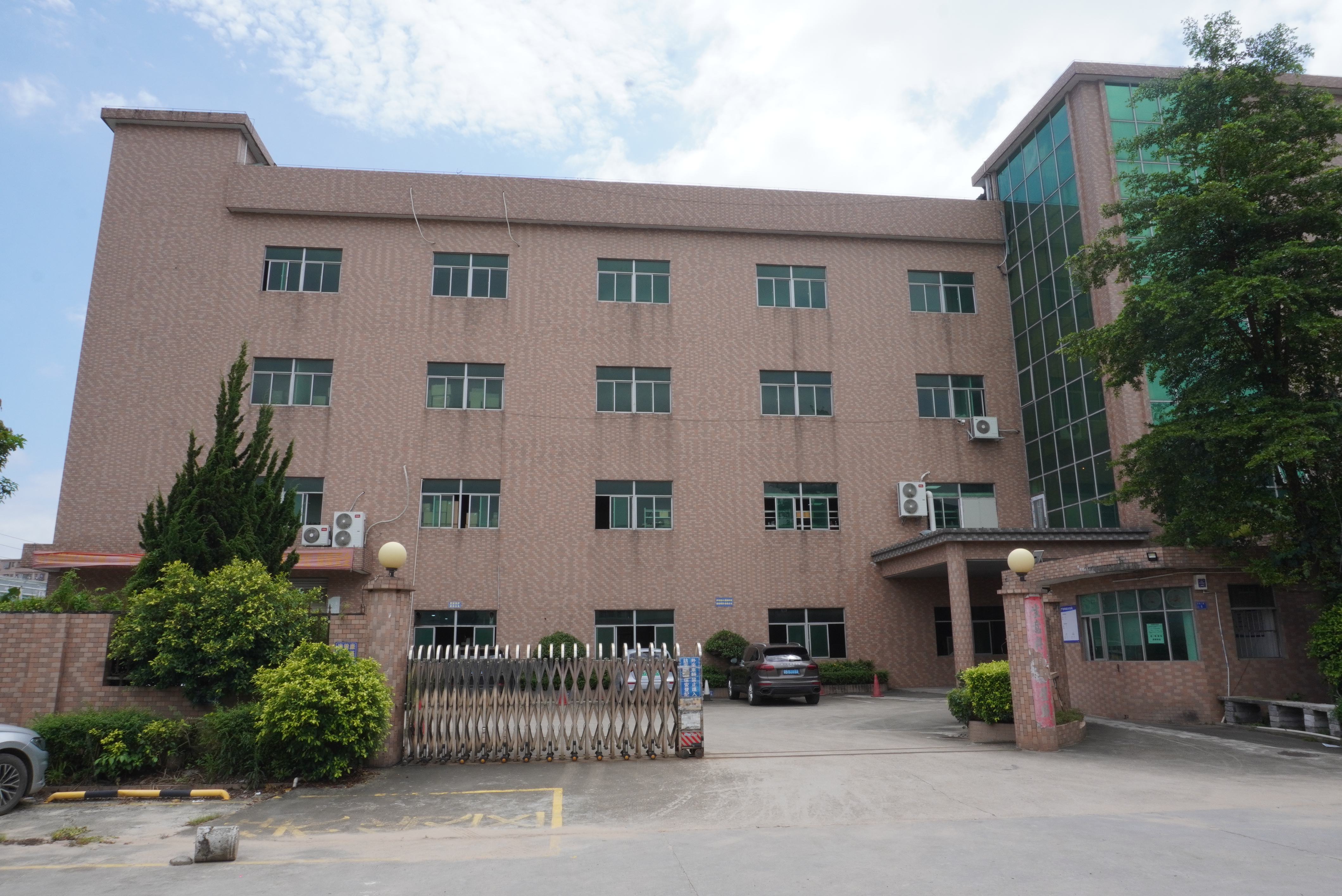
Dongguan Sanlixin Plastic Technology Co.,Ltd
Shenzhen Sanlixin Technology Co., Ltd. and Dongguan Sanlixin Plastic Technology Co., Ltd. is a manufacturer integrating precision plastic mold design, mold opening, single (double) color injection molding, IML injection molding processing, producing various single (double) color, IML process high-end appearance decorative structural parts, two-color buttons, USB dust plugs, panels and other plastic products, providing customers with fast, excellent, Midea all-round service, the company has 15 years of experience in precision plastic mold design, processing and production, with a variety of advanced machine injection molding equipment with excellent quality and fast service to win the trust and strong support of our customers.
CNC Milling vs CNC Turning: Understanding the Key Differences
Automatic Optimization of Mold Temperature Control