Polyoxymethylene (POM) Explained: A Comprehensive Guide

Polyoxymethylene (POM) Explained: A Comprehensive Guide
Introduction to Polyoxymethylene (POM)
Polyoxymethylene (POM), commonly known as acetal or polyacetal, is a high-performance engineering thermoplastic. Renowned for its high stiffness, low friction, and excellent dimensional stability, POM is widely used in precision parts that require high mechanical strength and resistance to wear and chemicals. It is a popular choice in industries such as automotive, consumer electronics, and industrial manufacturing.
Types of Polyoxymethylene (POM)
POM is available in two primary forms, each with slightly different properties and applications:
1. Homopolymer POM
Homopolymer POM is made from pure formaldehyde and offers higher mechanical strength, stiffness, and hardness compared to copolymer POM. It is ideal for applications requiring high load-bearing capacity and rigidity, such as gears and bearings.
2. Copolymer POM
Copolymer POM is produced by polymerizing formaldehyde with other monomers, such as ethylene oxide. It provides better chemical resistance, thermal stability, and lower friction, making it suitable for applications like pump components and conveyor belts.
Properties of Polyoxymethylene (POM)
POM is characterized by a unique combination of properties that make it a preferred material for precision engineering applications. Key properties include:
1. High Mechanical Strength and Stiffness
POM exhibits excellent tensile strength, rigidity, and hardness, making it suitable for high-stress applications such as gears, bushings, and fasteners.
2. Low Friction and Wear Resistance
POM has a low coefficient of friction and excellent wear resistance, which makes it ideal for moving parts like bearings, sliders, and conveyor components.
3. Excellent Dimensional Stability
POM maintains its shape and size under varying temperatures and humidity levels, ensuring reliable performance in precision applications.
4. Good Chemical Resistance
POM is resistant to many chemicals, including hydrocarbons, alcohols, and solvents, making it suitable for use in harsh environments.
5. Low Moisture Absorption
POM absorbs very little moisture, which helps maintain its mechanical properties and dimensional stability in humid conditions.
Applications of Polyoxymethylene (POM)
POM's unique properties make it a versatile material for a wide range of applications across various industries. Some notable uses include:
1. Automotive Industry
In the automotive sector, POM is used for manufacturing fuel system components, door handles, seat belt mechanisms, and gears. Its strength, wear resistance, and low friction are critical for these applications.
2. Consumer Electronics
POM is used in consumer electronics for producing precision parts such as buttons, switches, and connectors. Its dimensional stability and durability ensure reliable performance in these components.
3. Industrial Applications
POM is widely used in industrial settings for making gears, bearings, rollers, and conveyor belts. Its low friction and wear resistance are beneficial in high-stress environments.
4. Medical Devices
POM is used in medical devices for components such as inhalers, insulin pens, and surgical instruments. Its biocompatibility, chemical resistance, and precision make it suitable for these applications.
5. Consumer Goods
POM is found in a variety of consumer products, including zippers, fasteners, and kitchen utensils. Its durability and ease of molding make it a popular choice for these items.
Processing and Fabrication
POM can be easily processed using standard thermoplastic techniques, including injection molding, extrusion, and machining. Key considerations for processing POM include:
1. Injection Molding
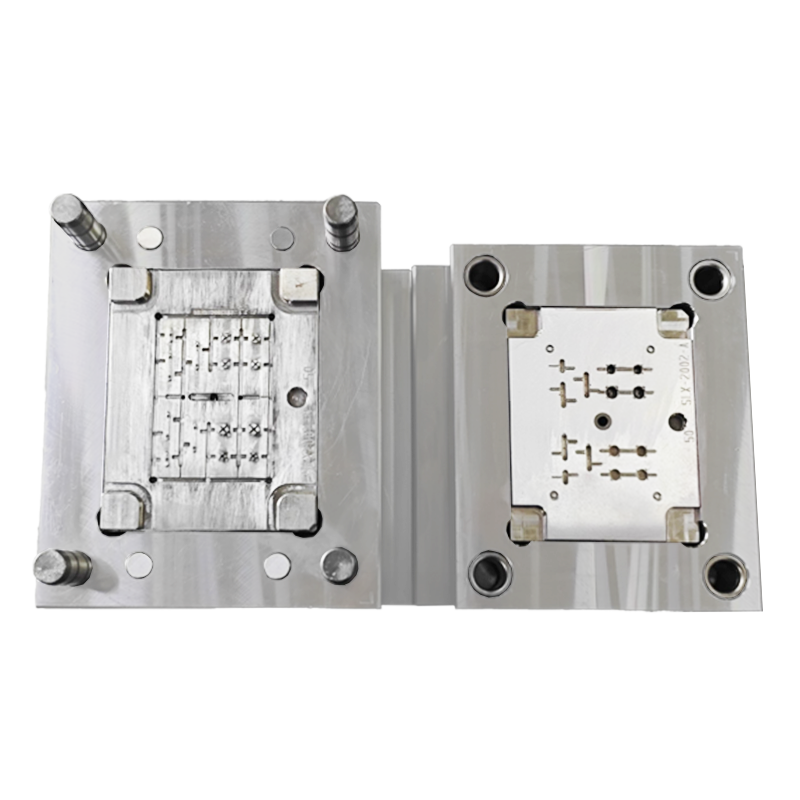
Injection molding is the most common method for producing POM parts. It allows for high precision and repeatability, making it ideal for complex geometries and high-volume production.
2. Extrusion
Extrusion is used to produce POM sheets, rods, and tubes. These forms can be further machined or fabricated into final components.
3. Machining
POM can be easily machined using standard tools, making it suitable for prototyping and custom parts. Its low friction and wear resistance ensure smooth machining operations.
Environmental Impact and Recycling
While POM is a highly useful material, its environmental impact is a concern. POM is not biodegradable, and its production involves the use of petrochemicals. However, recycling efforts are helping to mitigate these issues. Recycled POM can be used to produce new products, reducing the need for virgin materials and minimizing waste. Additionally, advancements in bio-based POM are being explored to offer more sustainable alternatives.
Conclusion
Polyoxymethylene (POM) is a high-performance engineering thermoplastic known for its strength, low friction, and dimensional stability. Its unique properties make it a preferred material for precision parts in industries such as automotive, consumer electronics, and industrial manufacturing. Understanding the different types of POM and their properties can help in selecting the right material for specific needs, while also considering environmental impacts and recycling options.
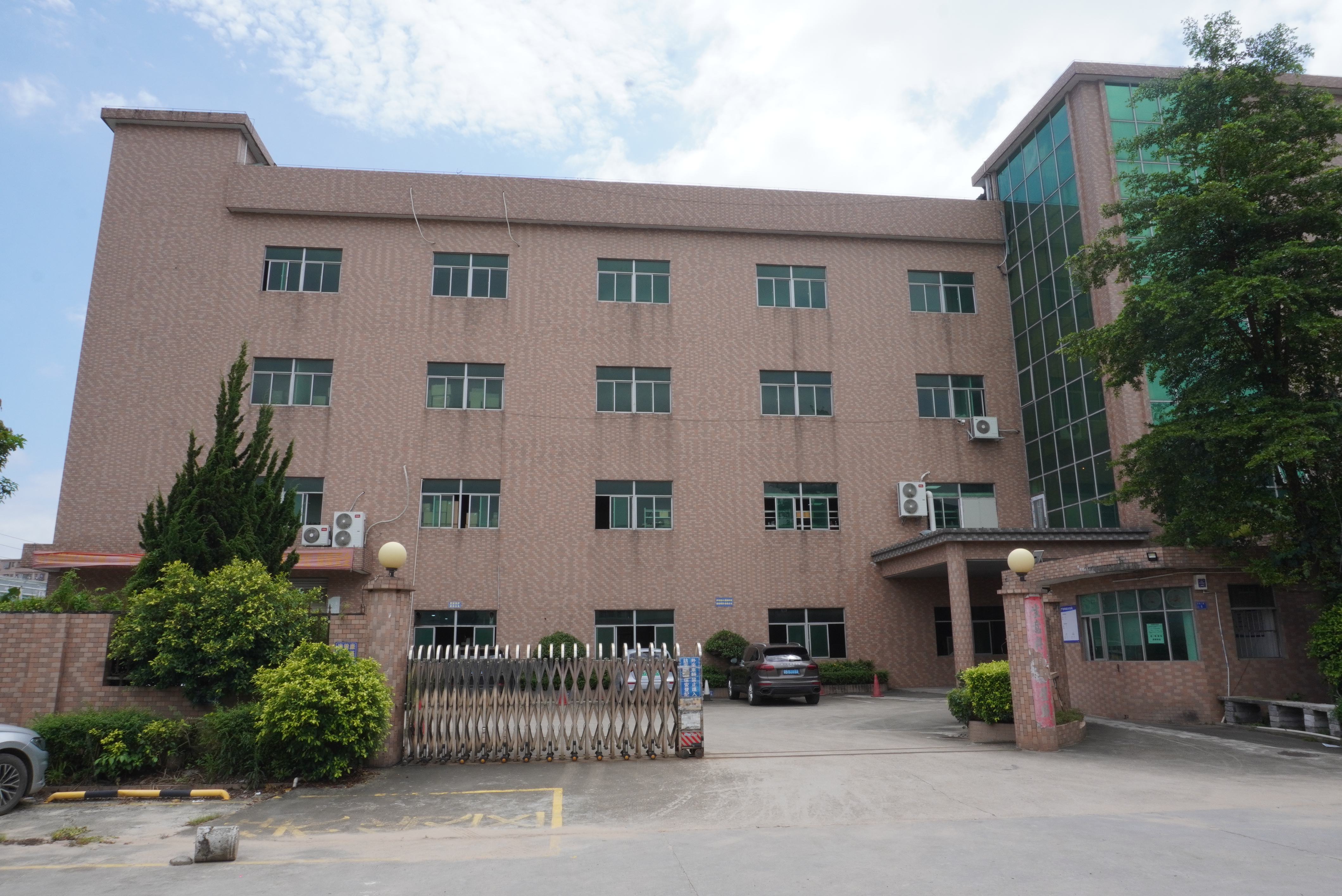
Dongguan Sanlixin Plastic Technology Co.,Ltd
Shenzhen Sanlixin Technology Co., Ltd. and Dongguan Sanlixin Plastic Technology Co., Ltd. is a manufacturer integrating precision plastic mold design, mold opening, single (double) color injection molding, IML injection molding processing, producing various single (double) color, IML process high-end appearance decorative structural parts, two-color buttons, USB dust plugs, panels and other plastic products, providing customers with fast, excellent, Midea all-round service, the company has 15 years of experience in precision plastic mold design, processing and production, with a variety of advanced machine injection molding equipment with excellent quality and fast service to win the trust and strong support of our customers.
Polypropylene (PP) Explained: A Comprehensive Guide
Nylon Polyamide (PA) Explained: A Comprehensive Guide