Injection Mould Steel Characteristics
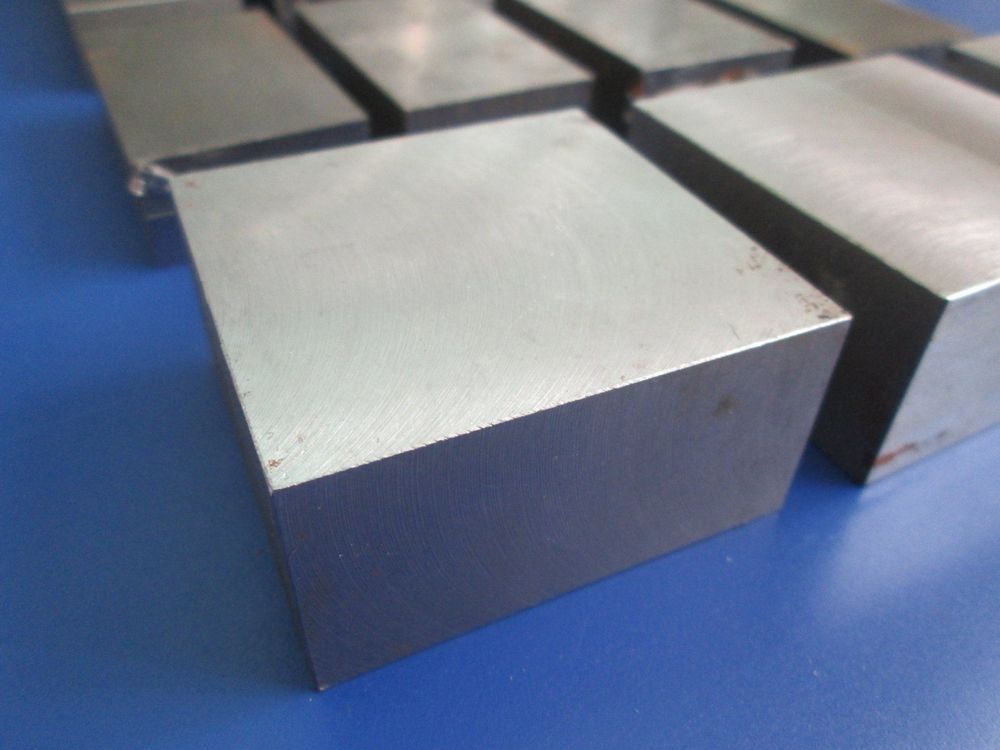
Injection Mould Steel Characteristics
Introduction to Injection Mould Steel
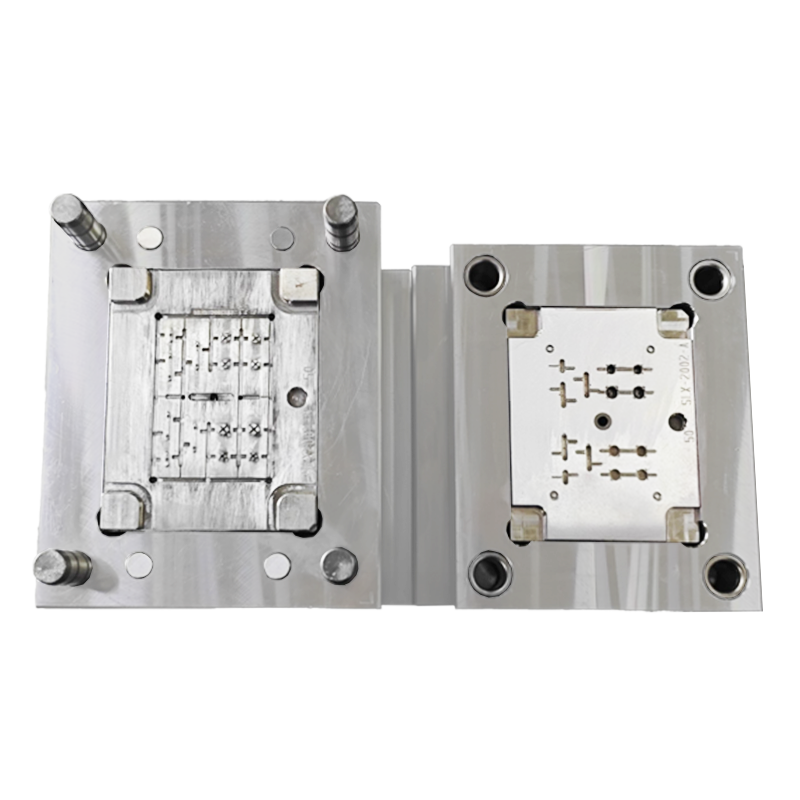
Injection molding is a widely used manufacturing process for producing plastic parts with high precision and consistency. The quality and performance of the molds used in this process are critical to achieving the desired results. Injection mould steel, the material from which these molds are made, plays a pivotal role in determining the durability, efficiency, and overall success of the molding process. Understanding the characteristics of injection mould steel is essential for selecting the right material for specific applications.
Key Characteristics of Injection Mould Steel
Injection mould steel must possess a combination of properties to withstand the demanding conditions of the injection molding process. Below are the key characteristics that define high-quality injection mould steel:
Hardness
Hardness is a crucial property of injection mould steel, as it determines the material's resistance to wear and deformation. High hardness ensures that the mold can maintain its shape and surface finish over extended periods of use, even under high pressure and temperature conditions.
Toughness
Toughness refers to the ability of the steel to absorb energy and resist fracture. Injection mould steel must be tough enough to withstand the mechanical stresses encountered during the molding process, including the clamping force and the ejection of parts.
Wear Resistance
Wear resistance is essential for maintaining the longevity of the mold. High wear resistance ensures that the mold can endure the abrasive effects of the molten plastic and the repeated cycles of injection molding without significant degradation.
Thermal Conductivity
Thermal conductivity is the ability of the steel to transfer heat efficiently. Good thermal conductivity helps in the uniform cooling of the molded parts, reducing cycle times and minimizing the risk of defects such as warping or sink marks.
Corrosion Resistance
Corrosion resistance is particularly important when molding certain types of plastics that can release corrosive by-products during the process. High corrosion resistance ensures that the mold remains unaffected by these chemicals, prolonging its lifespan.
Machinability
Machinability refers to the ease with which the steel can be machined into the desired mold shape. Good machinability reduces manufacturing time and costs, allowing for the production of complex and precise mold geometries.
Polishability
Polishability is the ability of the steel to achieve a high-quality surface finish. A smooth, polished mold surface is essential for producing parts with excellent aesthetic qualities and fine details.
Common Types of Injection Mould Steel
Several types of steel are commonly used for injection molds, each with its unique set of properties. Some of the most widely used types include:
P20 Steel
P20 steel is a pre-hardened mold steel known for its good machinability, polishability, and toughness. It is commonly used for general-purpose molds and offers a balance of hardness and durability.
H13 Steel
H13 steel is a hot-work tool steel with excellent thermal conductivity, toughness, and wear resistance. It is ideal for molds that operate at high temperatures and require long service life.
420 Stainless Steel
420 stainless steel is known for its high corrosion resistance and polishability. It is often used for molds that produce medical devices and other parts requiring a high-quality surface finish.
S7 Steel
S7 steel is a shock-resistant tool steel with high toughness and good wear resistance. It is suitable for molds that undergo high impact and stress during the injection molding process.
Factors to Consider When Selecting Injection Mould Steel
Choosing the right injection mould steel involves considering several factors to ensure optimal performance and cost-effectiveness. These factors include:
Application Requirements
The specific requirements of the application, such as the type of plastic being molded, the complexity of the part, and the expected production volume, should guide the selection of mold steel.
Operating Conditions
The operating conditions, including temperature, pressure, and the presence of corrosive substances, must be taken into account to select a steel that can withstand these conditions.
Cost Considerations
While high-performance steels may offer superior properties, they can also be more expensive. Balancing performance requirements with budget constraints is essential for making an informed decision.
Conclusion
Injection mould steel is a critical component in the injection molding process, directly impacting the quality, efficiency, and longevity of the molds. By understanding the key characteristics and types of injection mould steel, manufacturers can make informed decisions that enhance their production capabilities and achieve superior results. As technology advances, new materials and treatments are likely to further improve the performance of injection mould steel, driving innovation in the manufacturing industry.
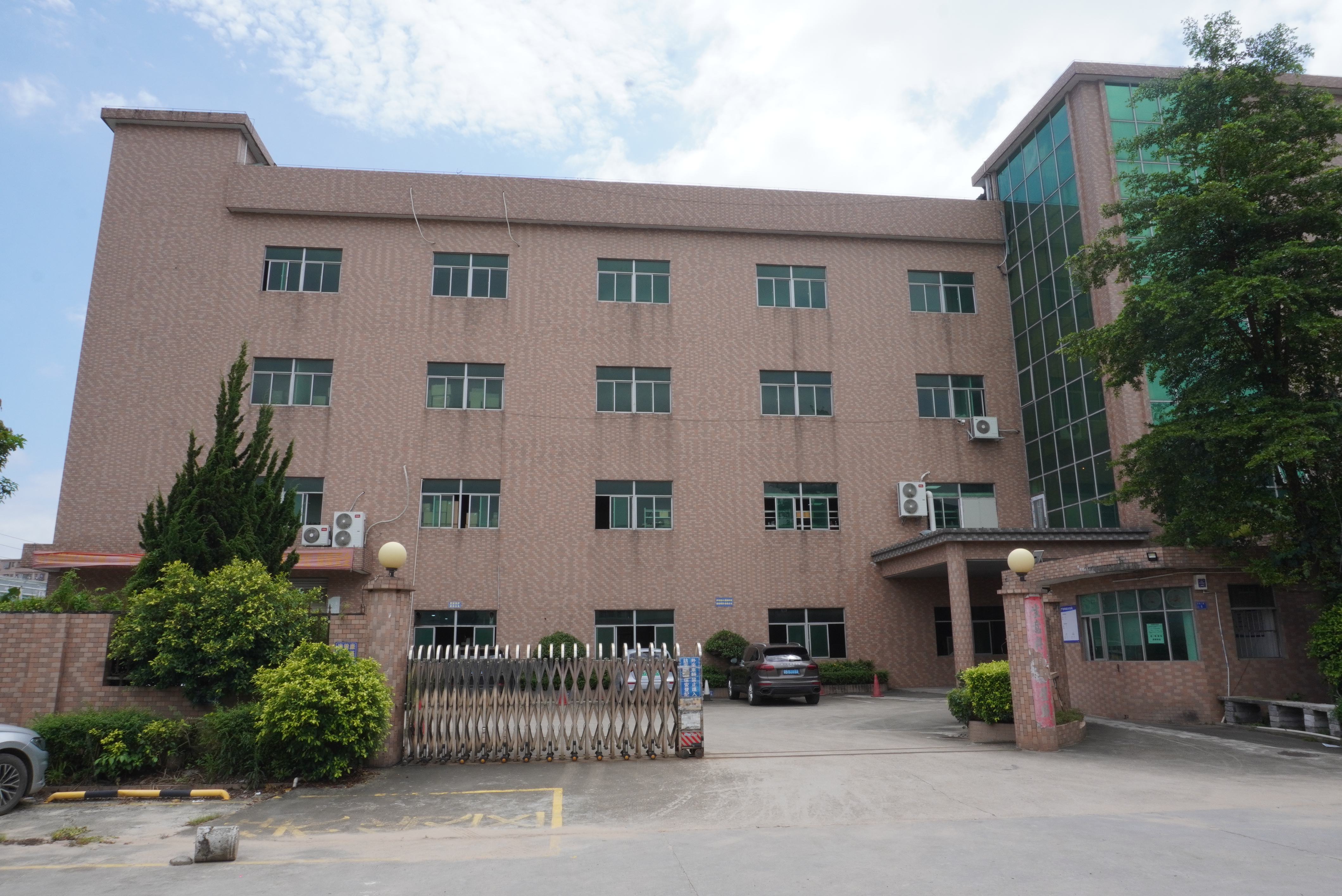
Dongguan Sanlixin Plastic Technology Co.,Ltd
Shenzhen Sanlixin Technology Co., Ltd. and Dongguan Sanlixin Plastic Technology Co., Ltd. is a manufacturer integrating precision plastic mold design, mold opening, single (double) color injection molding, IML injection molding processing, producing various single (double) color, IML process high-end appearance decorative structural parts, two-color buttons, USB dust plugs, panels and other plastic products, providing customers with fast, excellent, Midea all-round service, the company has 15 years of experience in precision plastic mold design, processing and production, with a variety of advanced machine injection molding equipment with excellent quality and fast service to win the trust and strong support of our customers.
What Is Face Milling?
Collapsible Core Design in Injection Molding