What Equipment is Needed for Injection Mold Manufacturing?
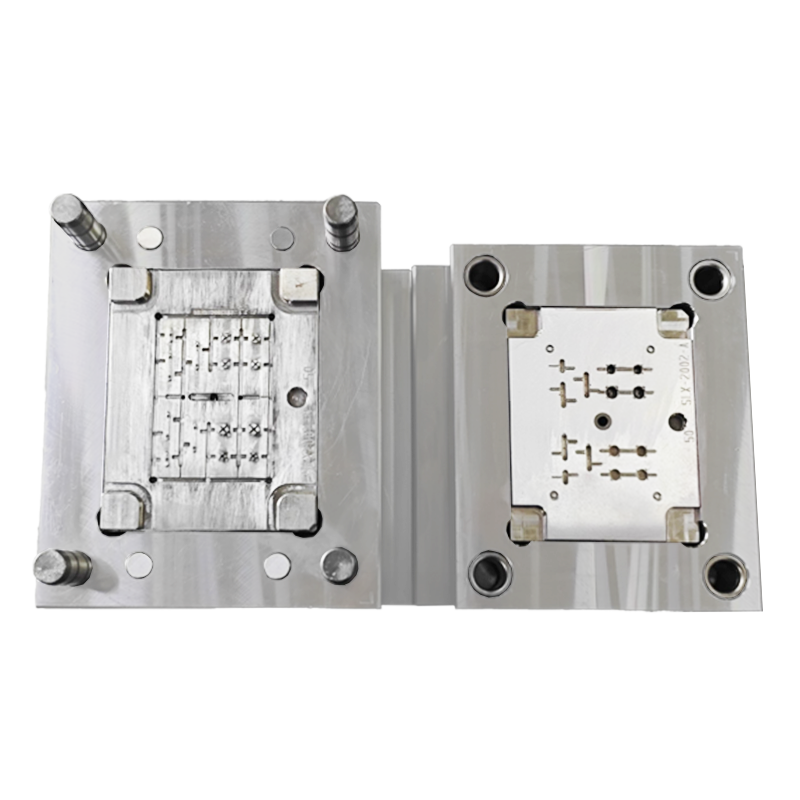
Injection mold manufacturing is a complex process that requires a variety of specialized equipment to produce high-quality molds and plastic parts. From design and prototyping to production and quality control, each stage of the process demands specific tools and machinery. This article provides an overview of the essential equipment needed for injection mold manufacturing.
1. Design and Prototyping Equipment
Computer-Aided Design (CAD) Software
CAD software is essential for designing molds with precision. It allows engineers to create detailed 3D models and blueprints, ensuring that the mold meets all specifications and requirements.
3D Printers
3D printers are used for rapid prototyping, enabling manufacturers to produce physical models of the mold design quickly. This helps in identifying potential issues and making necessary adjustments before moving to full-scale production.
2. Mold Manufacturing Equipment
CNC Machines
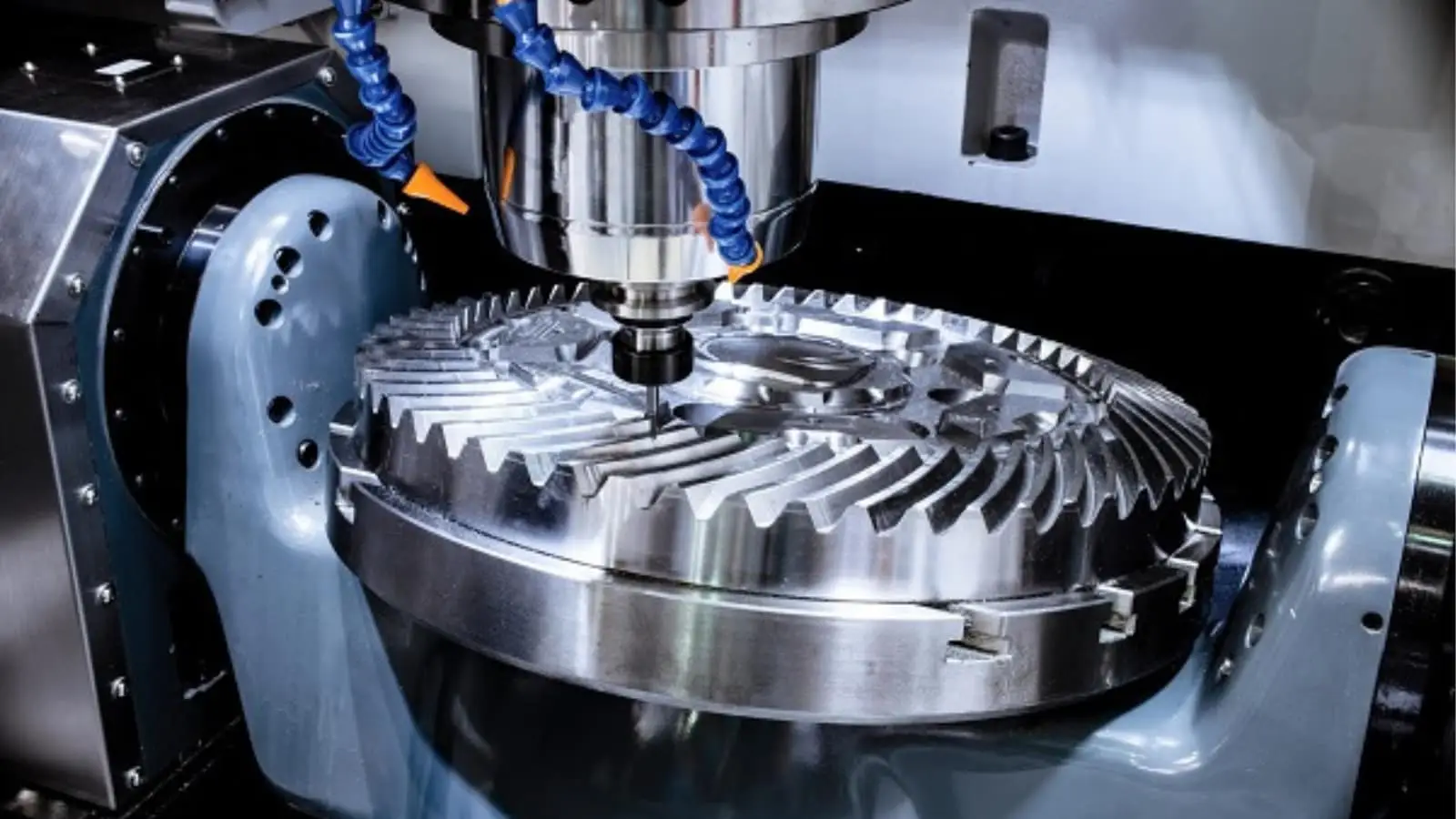
CNC (Computer Numerical Control) machines are crucial for machining mold components with high precision. These machines use computer-controlled tools to cut, drill, and shape metal blocks into the desired mold cavities and cores.
Electrical Discharge Machining (EDM)
EDM is used for creating intricate details and complex geometries in the mold. It uses electrical discharges to erode material, allowing for precise and accurate machining of hard metals.
Grinding and Polishing Machines
Grinding and polishing machines are used to achieve the desired surface finish on the mold. A smooth and polished surface is essential for producing high-quality plastic parts with a good aesthetic finish.
3. Injection Molding Machines
Clamping Unit
The clamping unit holds the mold in place during the injection process. It applies the necessary force to keep the mold closed while the molten plastic is injected.
Injection Unit
The injection unit melts the plastic material and injects it into the mold cavity. It consists of a hopper, barrel, screw, and heater bands that work together to ensure consistent and precise material flow.
Control Panel
The control panel allows operators to set and monitor various parameters such as temperature, pressure, and injection speed. Modern control panels often feature touchscreen interfaces and programmable logic controllers (PLCs) for enhanced control and automation.
4. Cooling and Heating Systems
Cooling Channels
Cooling channels are integrated into the mold to regulate temperature and ensure uniform cooling of the plastic part. Efficient cooling systems reduce cycle times and improve part quality.
Temperature Controllers
Temperature controllers are used to maintain the optimal temperature for the mold and the plastic material. Precise temperature control is crucial for achieving consistent part quality and preventing defects.
5. Material Handling Equipment
Material Dryers
Material dryers remove moisture from plastic pellets before they are fed into the injection molding machine. Dry materials are essential for preventing defects like bubbles and voids in the final product.
Hopper Loaders
Hopper loaders automate the feeding of plastic pellets into the injection molding machine. They ensure a consistent supply of material, reducing downtime and improving efficiency.
6. Quality Control Equipment
Coordinate Measuring Machines (CMM)
CMMs are used for precise measurement and inspection of mold components and finished parts. They ensure that the mold and parts meet all dimensional and geometric specifications.
Optical Comparators
Optical comparators are used for inspecting the surface finish and dimensions of parts. They provide magnified images that help in identifying defects and ensuring quality.
7. Automation and Robotics
Robotic Arms
Robotic arms are used for tasks such as part removal, sorting, and packaging. They enhance efficiency, reduce labor costs, and minimize the risk of human error.
Automated Guided Vehicles (AGVs)
AGVs are used for transporting materials and finished parts within the manufacturing facility. They improve workflow efficiency and reduce manual handling.
Conclusion
Injection mold manufacturing requires a wide range of specialized equipment to ensure precision, efficiency, and quality. From design and prototyping to production and quality control, each stage of the process relies on specific tools and machinery. By investing in the right equipment, manufacturers can optimize their operations, reduce costs, and produce high-quality molds and plastic parts that meet the demands of various industries.
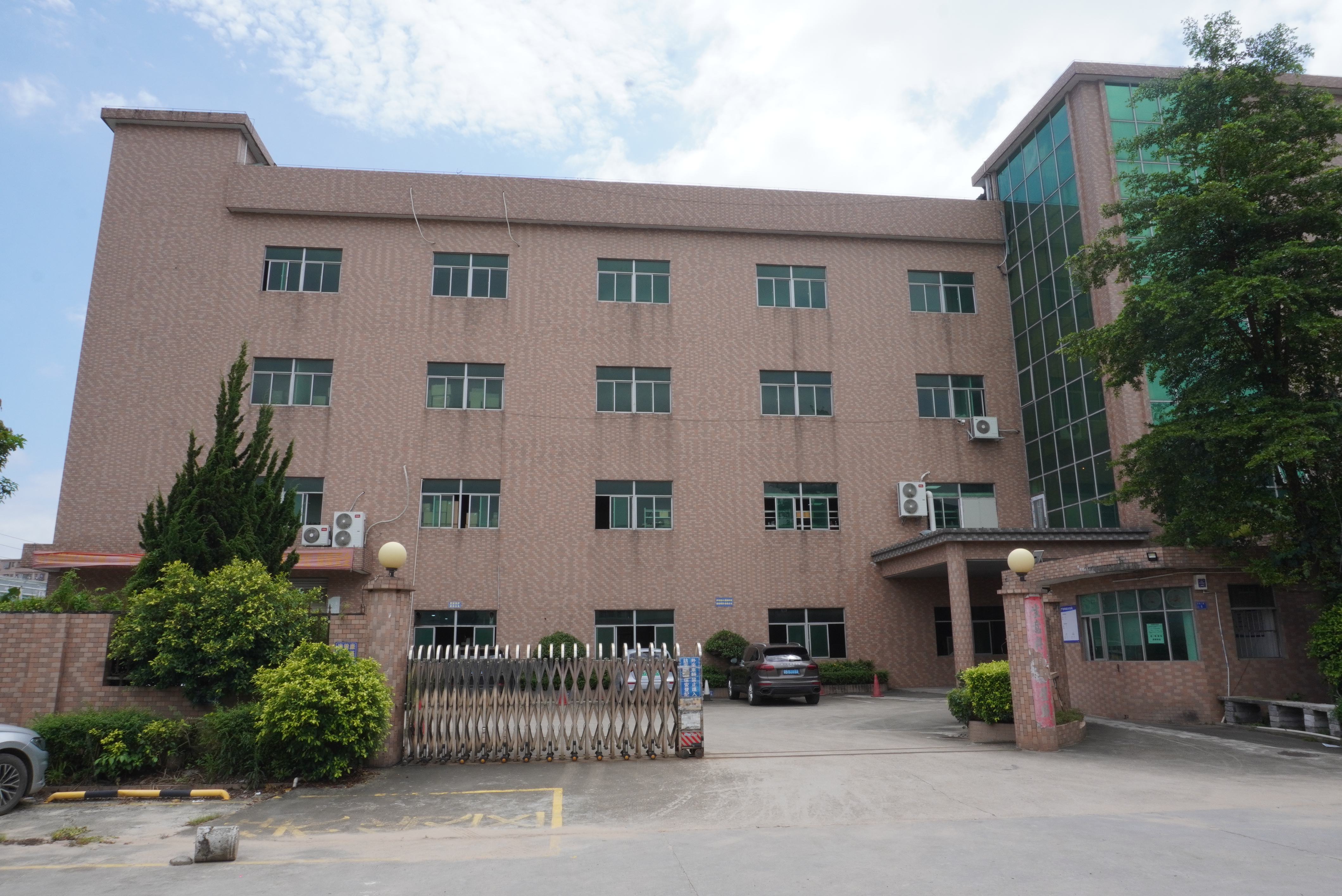
Dongguan Sanlixin Plastic Technology Co.,Ltd
Shenzhen Sanlixin Technology Co., Ltd. and Dongguan Sanlixin Plastic Technology Co., Ltd. is a manufacturer integrating precision plastic mold design, mold opening, single (double) color injection molding, IML injection molding processing, producing various single (double) color, IML process high-end appearance decorative structural parts, two-color buttons, USB dust plugs, panels and other plastic products, providing customers with fast, excellent, Midea all-round service, the company has 15 years of experience in precision plastic mold design, processing and production, with a variety of advanced machine injection molding equipment with excellent quality and fast service to win the trust and strong support of our customers.
What is PA6 Material?
How to Improve the Speed of Injection Molding Production and Processing