Insert Molding Design Guide: A Detailed Guideline
Insert Molding Design Guide: A Detailed Guideline
Introduction to Insert Molding
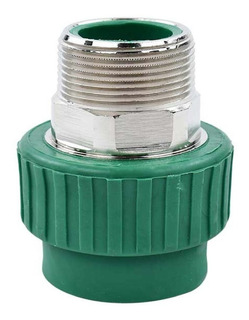
Insert molding is a specialized injection molding process that involves embedding a pre-formed component, known as an insert, into a plastic part during the molding cycle. This technique combines the strength and functionality of metal or other materials with the versatility and design flexibility of plastic. Insert molding is widely used in industries such as automotive, electronics, medical devices, and consumer goods to create complex, multi-material components.
Key Considerations for Insert Molding Design
Designing for insert molding requires careful consideration of various factors to ensure the success of the process and the quality of the final product. Below are the key aspects to consider:
Material Compatibility
The materials used for the insert and the plastic must be compatible in terms of thermal expansion, adhesion, and mechanical properties. Incompatible materials can lead to issues such as poor bonding, warping, or cracking.
Insert Design
The design of the insert should facilitate easy handling, placement, and secure bonding with the plastic. Features such as holes, grooves, or knurled surfaces can enhance the mechanical interlock between the insert and the plastic.
Mold Design
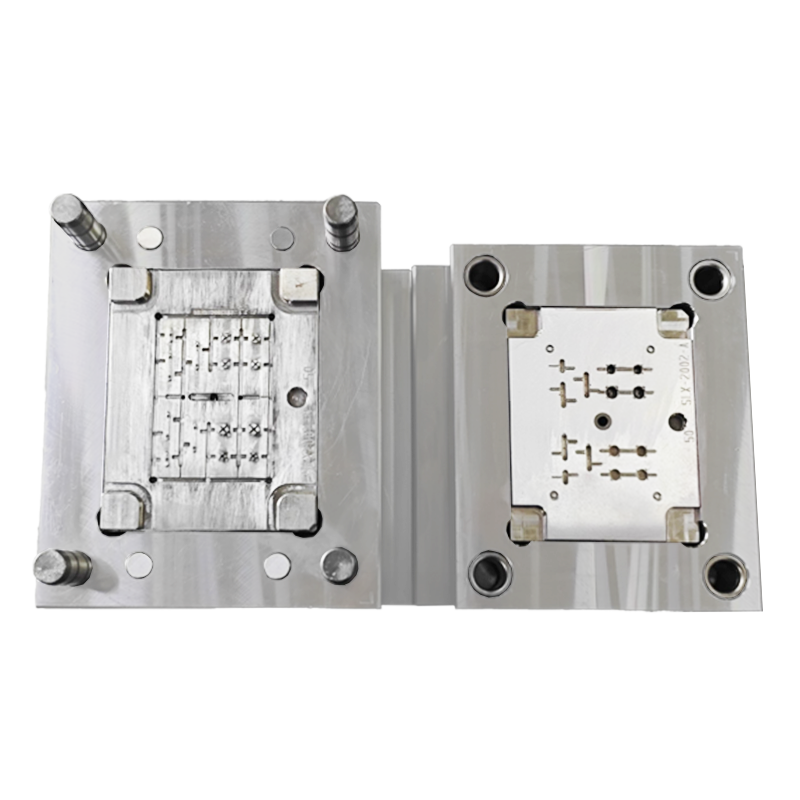
The mold must be designed to accommodate the insert and ensure precise placement during the molding process. Considerations include insert positioning, mold cavity design, and ejection mechanisms.
Process Parameters
Optimizing process parameters such as injection pressure, temperature, and cooling time is crucial for achieving a strong bond between the insert and the plastic. Proper parameter settings also help prevent defects such as voids, sink marks, or flash.
Step-by-Step Insert Molding Design Guide
Follow this detailed guideline to design parts for insert molding effectively:
1: Define the Application Requirements
Understand the functional and aesthetic requirements of the final product. Consider factors such as load-bearing capacity, environmental conditions, and regulatory standards.
2: Select the Insert Material
Choose an insert material that meets the mechanical, thermal, and chemical requirements of the application. Common insert materials include metals (e.g., brass, stainless steel), ceramics, and other plastics.
3: Design the Insert
Design the insert with features that enhance bonding and mechanical interlock with the plastic. Consider adding surface treatments or coatings to improve adhesion.
4: Choose the Plastic Material
Select a plastic material that is compatible with the insert and meets the application requirements. Consider factors such as strength, flexibility, thermal stability, and chemical resistance.
5: Design the Mold
Design the mold to accommodate the insert and ensure precise placement. Include features such as insert locators, alignment pins, and ejection mechanisms. Ensure adequate venting to avoid air traps.
6: Optimize Process Parameters
Determine the optimal injection molding parameters, including injection pressure, temperature, and cooling time. Conduct trials to fine-tune these parameters for the best results.
7: Prototype and Test
Create prototypes to validate the design and process. Conduct tests to evaluate the bond strength, dimensional accuracy, and overall performance of the molded part.
8: Finalize the Design
Based on the prototype testing, make any necessary adjustments to the insert, mold, or process parameters. Finalize the design for production.
Advantages of Insert Molding
Insert molding offers several advantages that make it a preferred manufacturing process for many applications:
Enhanced Strength and Durability
By combining different materials, insert molding can produce parts with superior strength, durability, and performance characteristics.
Reduced Assembly Time
Insert molding eliminates the need for secondary assembly operations, reducing production time and costs.
Design Flexibility
The ability to integrate multiple materials and components into a single part allows for greater design flexibility and innovation.
Improved Aesthetics
Insert molding can produce parts with a seamless and aesthetically pleasing finish, enhancing the overall appearance of the product.
Applications of Insert Molding
Insert molding is used in a wide range of industries and applications, including:
Automotive Industry
In the automotive sector, insert molding is used to produce components such as sensors, connectors, and interior trim parts.
Electronics
The electronics industry relies on insert molding for creating components such as connectors, switches, and housings with integrated circuits.
Medical Devices
Insert molding is used in the production of medical devices such as surgical instruments, catheters, and implantable devices.
Consumer Goods
Consumer products such as appliances, tools, and sporting goods often incorporate insert-molded parts for enhanced functionality and durability.
Conclusion
Insert molding is a versatile and efficient manufacturing process that enables the creation of complex, multi-material components with superior strength and functionality. By following a detailed design guide and considering key factors such as material compatibility, insert design, and process optimization, manufacturers can achieve high-quality results and unlock new possibilities in product design and innovation.

Dongguan Sanlixin Plastic Technology Co.,Ltd
Shenzhen Sanlixin Technology Co., Ltd. and Dongguan Sanlixin Plastic Technology Co., Ltd. is a manufacturer integrating precision plastic mold design, mold opening, single (double) color injection molding, IML injection molding processing, producing various single (double) color, IML process high-end appearance decorative structural parts, two-color buttons, USB dust plugs, panels and other plastic products, providing customers with fast, excellent, Midea all-round service, the company has 15 years of experience in precision plastic mold design, processing and production, with a variety of advanced machine injection molding equipment with excellent quality and fast service to win the trust and strong support of our customers.
Types of Plastics Used in the Automotive Industry
What is Profile Milling?