Why is Plastic So Widely Used?
Why is Plastic So Widely Used?
Introduction to the Ubiquity of Plastic
Plastic has become an integral part of modern life, found in everything from packaging and household items to advanced medical devices and automotive components. Its widespread use can be attributed to a combination of unique properties, cost-effectiveness, and versatility. This article explores the reasons behind the extensive use of plastic across various industries.
Key Reasons for the Widespread Use of Plastic
Several factors contribute to the ubiquitous presence of plastic in our daily lives and industrial applications:
1. Versatility
Plastic can be molded into a wide range of shapes and sizes, making it suitable for diverse applications. From flexible films to rigid containers, plastic's adaptability is unmatched.
2. Lightweight
Plastics are much lighter than metals, glass, and other materials. This makes them ideal for applications where weight reduction is crucial, such as in the automotive and aerospace industries.
3. Durability
Plastics are resistant to corrosion, chemicals, and environmental factors, making them durable and long-lasting. This durability extends the lifespan of products and reduces the need for frequent replacements.
4. Cost-Effectiveness
Plastics are generally cheaper to produce and process compared to other materials. The low cost of raw materials and efficient manufacturing processes make plastic an economical choice for large-scale production.
5. Insulation Properties
Plastics have excellent electrical and thermal insulation properties, making them ideal for use in electrical and electronic applications. They help prevent electrical shocks and manage heat effectively.
6. Ease of Manufacturing
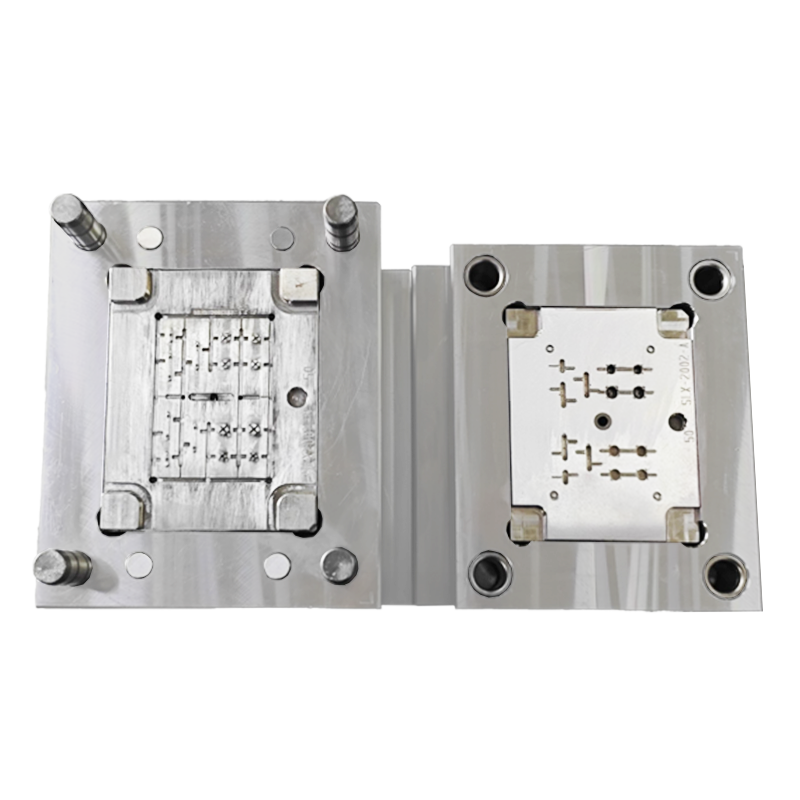
Plastics can be easily manufactured using various processes such as injection molding, extrusion, and blow molding. These processes allow for high-volume production with consistent quality and precision.
7. Transparency and Aesthetic Appeal
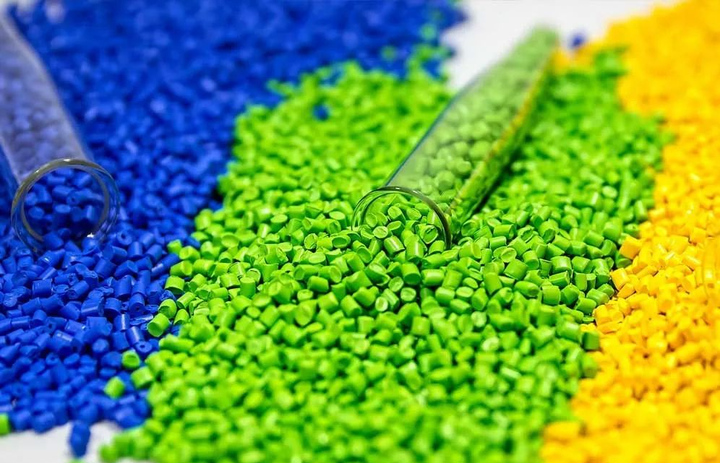
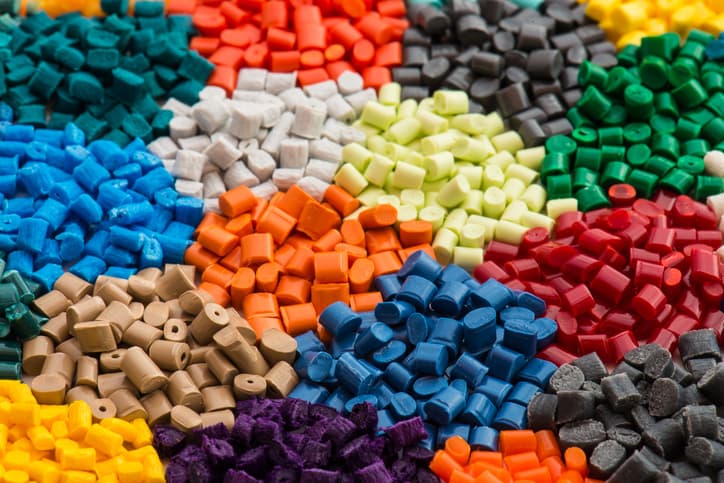
Certain plastics, like acrylic and polycarbonate, offer excellent transparency and can be easily colored or textured. This makes them ideal for applications requiring aesthetic appeal, such as packaging and consumer goods.
8. Recyclability
Many types of plastics can be recycled, reducing waste and promoting sustainability. Advances in recycling technologies are continually improving the efficiency and scope of plastic recycling.
9. Safety and Hygiene
Plastics are widely used in the medical and food industries due to their ability to be sterilized and their resistance to contamination. They help maintain hygiene and safety standards.
10. Innovation and Customization
The ability to engineer plastics with specific properties, such as enhanced strength, flexibility, or heat resistance, allows for innovation and customization in product design. This has led to the development of advanced materials like composites and bioplastics.
Applications of Plastic Across Industries
The unique properties of plastic make it suitable for a wide range of applications across various industries:
1. Packaging
Plastic is widely used in packaging due to its lightweight, durability, and ability to create airtight seals. It helps protect products from contamination and extends shelf life.
2. Automotive
In the automotive industry, plastic is used for components such as dashboards, bumpers, and interior trims. Its lightweight nature contributes to fuel efficiency and reduced emissions.
3. Electronics
Plastics are essential in the electronics industry for casings, connectors, and insulation. Their electrical insulation properties and ability to be molded into complex shapes make them ideal for electronic devices.
4. Healthcare
In healthcare, plastics are used for medical devices, surgical instruments, and packaging. Their ability to be sterilized and their biocompatibility make them crucial for maintaining hygiene and safety.
5. Construction
Plastics are used in construction for pipes, insulation, and flooring. Their durability and resistance to environmental factors make them suitable for long-term use in building materials.
6. Consumer Goods
From household items to toys, plastics are widely used in consumer goods due to their versatility, aesthetic appeal, and cost-effectiveness.
Conclusion
Plastic's widespread use can be attributed to its unique combination of properties, including versatility, lightweight, durability, cost-effectiveness, and ease of manufacturing. These advantages make plastic an indispensable material across various industries, from packaging and automotive to healthcare and electronics. While the environmental impact of plastic is a growing concern, ongoing innovations in recycling and sustainable materials are helping to address these challenges. Understanding the reasons behind plastic's ubiquity can help us make more informed choices and promote sustainable practices in its use and disposal.

Dongguan Sanlixin Plastic Technology Co.,Ltd
Shenzhen Sanlixin Technology Co., Ltd. and Dongguan Sanlixin Plastic Technology Co., Ltd. is a manufacturer integrating precision plastic mold design, mold opening, single (double) color injection molding, IML injection molding processing, producing various single (double) color, IML process high-end appearance decorative structural parts, two-color buttons, USB dust plugs, panels and other plastic products, providing customers with fast, excellent, Midea all-round service, the company has 15 years of experience in precision plastic mold design, processing and production, with a variety of advanced machine injection molding equipment with excellent quality and fast service to win the trust and strong support of our customers.
plastic injection
Advantages and Disadvantages of Plastics