Fundamentals of Injection Molded Parts Surface Finish
Fundamentals of Injection Molded Parts Surface Finish
Introduction to Surface Finish in Injection Molding
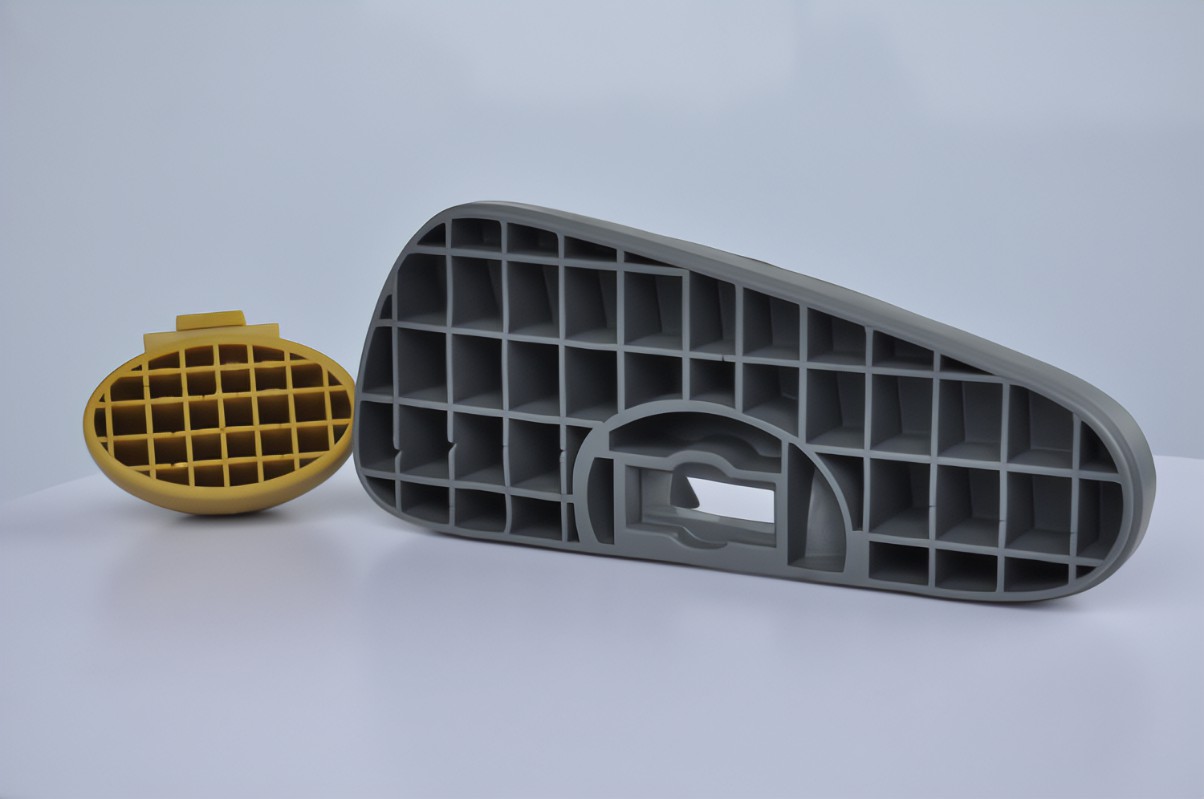
Injection molding is a widely used manufacturing process for producing plastic parts with high precision and repeatability. One of the critical aspects of this process is the surface finish of the molded parts. The surface finish not only affects the aesthetic appeal but also influences the functional performance of the parts. Understanding the fundamentals of surface finish in injection molding is essential for manufacturers to meet the desired quality standards.
Factors Influencing Surface Finish
Several factors contribute to the surface finish of injection molded parts. These include:
Material Selection
The type of plastic material used plays a significant role in determining the surface finish. Different materials have varying flow properties, shrinkage rates, and surface tensions, all of which can affect the final appearance of the part.
Mold Design and Texture
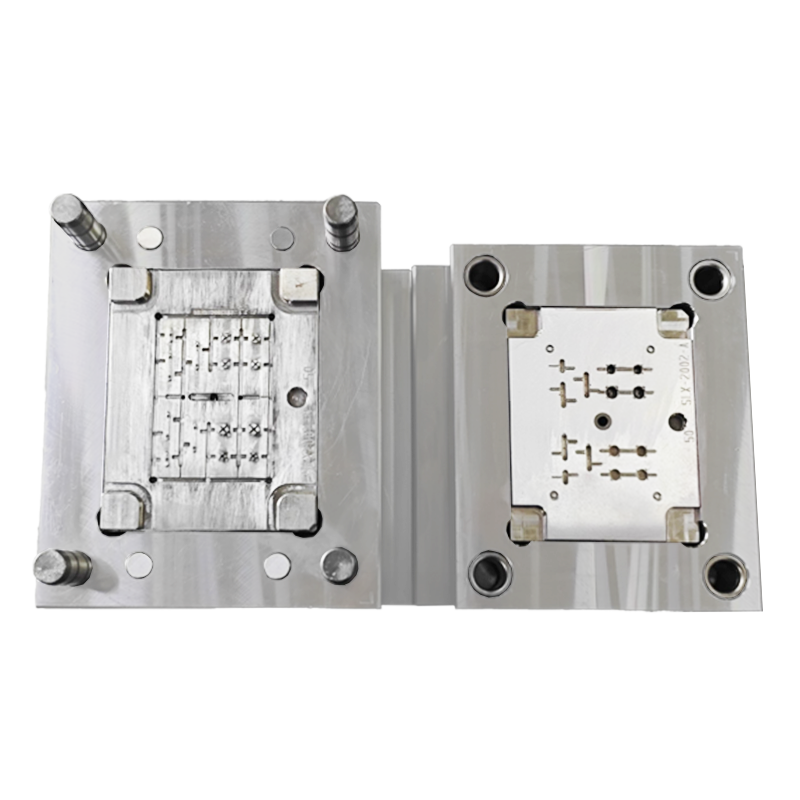
The design of the mold, including the surface texture, is crucial in achieving the desired finish. Mold surfaces can be polished, textured, or engraved to create specific finishes, ranging from glossy to matte or even custom patterns.
Processing Parameters
Injection molding parameters such as temperature, pressure, and injection speed must be carefully controlled. Variations in these parameters can lead to defects like flow lines, sink marks, or uneven surfaces, adversely affecting the finish.
Common Surface Finish Standards
To ensure consistency and quality, several standards have been established for surface finishes in injection molding. The most commonly used standards include:
SPI (Society of the Plastics Industry) Standards
The SPI standards classify surface finishes into different categories, such as SPI-A1 (high gloss) to SPI-D3 (textured). These standards provide guidelines for achieving specific finishes based on the application requirements.
VDI (Verein Deutscher Ingenieure) Standards
The VDI standards, widely used in Europe, offer a numerical classification system for surface finishes. VDI 3400, for example, provides a range of textures from fine to coarse, allowing manufacturers to select the appropriate finish for their parts.
Applications and Importance of Surface Finish
The surface finish of injection molded parts is critical in various industries, including automotive, consumer electronics, medical devices, and more. A high-quality finish can enhance the part's appearance, improve its durability, and ensure proper functionality. For instance, in medical devices, a smooth finish is essential to prevent bacterial growth and ensure easy cleaning.
Conclusion
Understanding the fundamentals of injection molded parts surface finish is vital for achieving high-quality products. By considering factors such as material selection, mold design, and processing parameters, manufacturers can control the surface finish to meet specific requirements. Adhering to established standards further ensures consistency and reliability, making surface finish a key aspect of the injection molding process.

Dongguan Sanlixin Plastic Technology Co.,Ltd
Shenzhen Sanlixin Technology Co., Ltd. and Dongguan Sanlixin Plastic Technology Co., Ltd. is a manufacturer integrating precision plastic mold design, mold opening, single (double) color injection molding, IML injection molding processing, producing various single (double) color, IML process high-end appearance decorative structural parts, two-color buttons, USB dust plugs, panels and other plastic products, providing customers with fast, excellent, Midea all-round service, the company has 15 years of experience in precision plastic mold design, processing and production, with a variety of advanced machine injection molding equipment with excellent quality and fast service to win the trust and strong support of our customers.
New Risk Assessment Template for Injection Molding Enhances Safety and Efficiency
CNC Machining: Precision Manufacturing for Modern Industry