Injection Molding Ejector Pins: Types and Considerations
Injection Molding Ejector Pins: Types and Considerations
Introduction to Ejector Pins
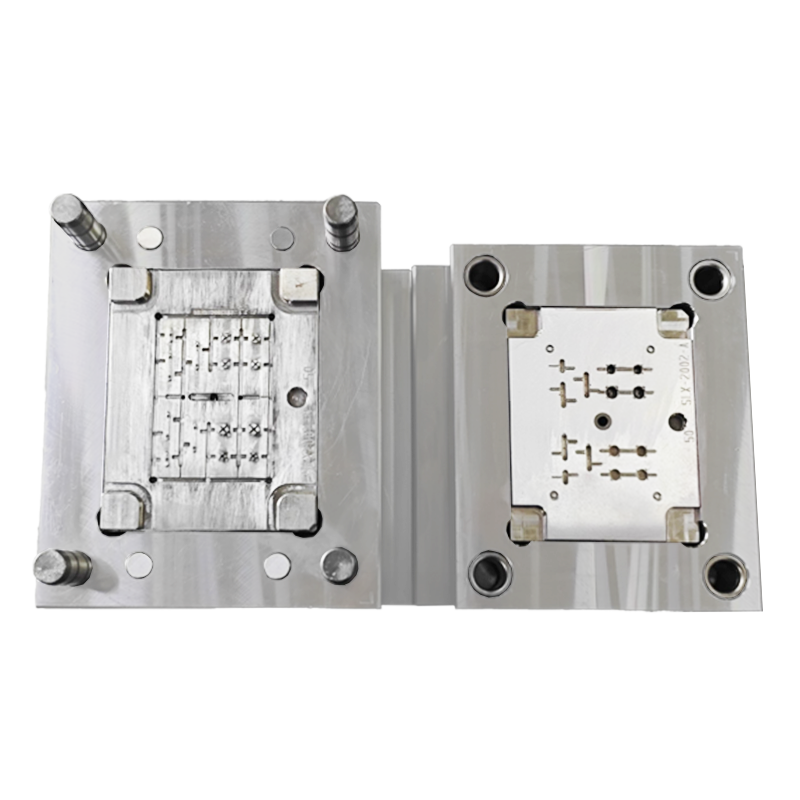
Ejector pins are essential components in the injection molding process, used to remove the molded part from the mold cavity once it has solidified. These pins play a critical role in ensuring the efficient and consistent production of high-quality parts. Understanding the types of ejector pins and the considerations for their use is vital for optimizing the injection molding process.
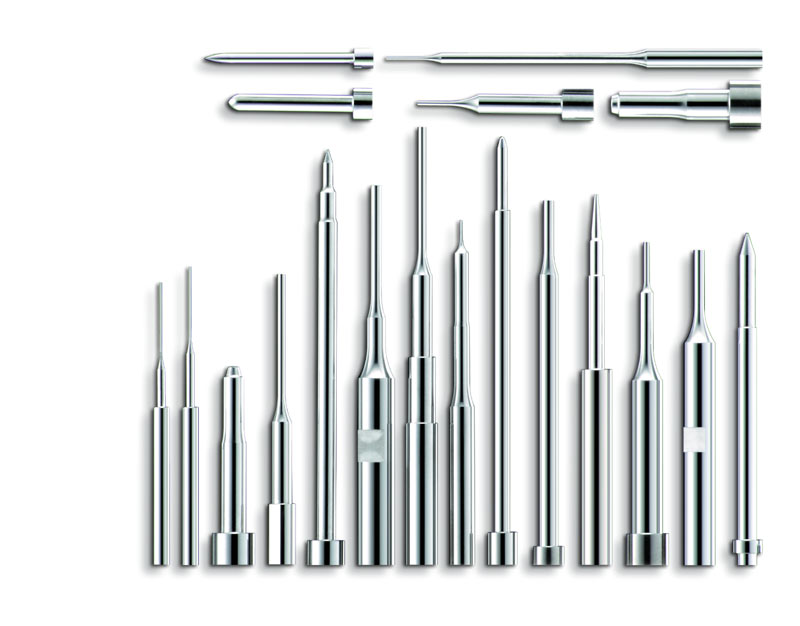
Types of Ejector Pins
There are several types of ejector pins, each designed for specific applications and requirements. Below are the most common types:
Standard Ejector Pins
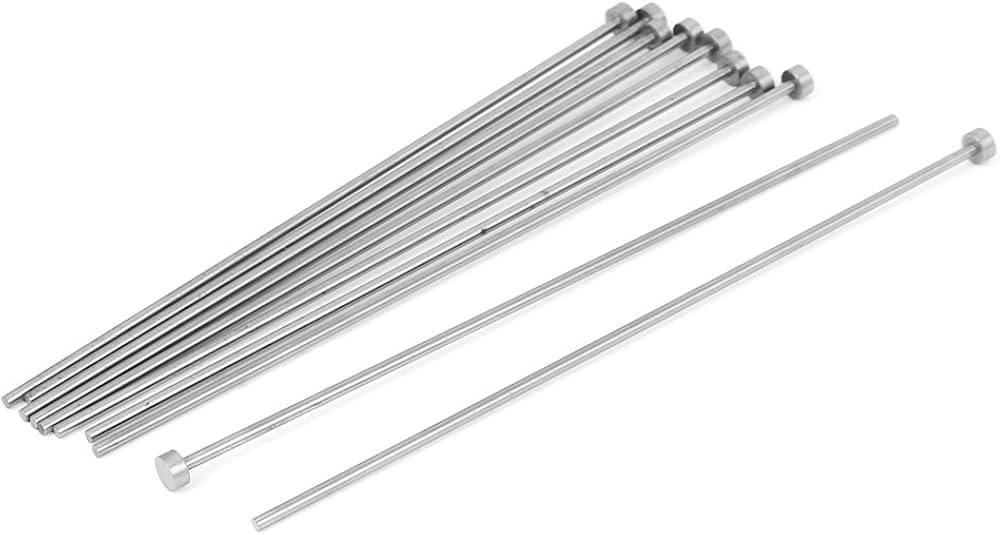
Standard ejector pins are the most commonly used type, featuring a cylindrical shape with a flat end. They are suitable for general-purpose applications and are available in various diameters and lengths.
Shoulder Ejector Pins
Shoulder ejector pins have a stepped design, with a larger diameter at the base to provide additional strength and stability. These pins are used in applications where higher ejection forces are required.
Blade Ejector Pins
Blade ejector pins have a flat, blade-like shape and are used for ejecting thin, flat parts or parts with narrow ribs. They provide a larger contact area with the part, reducing the risk of damage during ejection.
Sleeve Ejector Pins
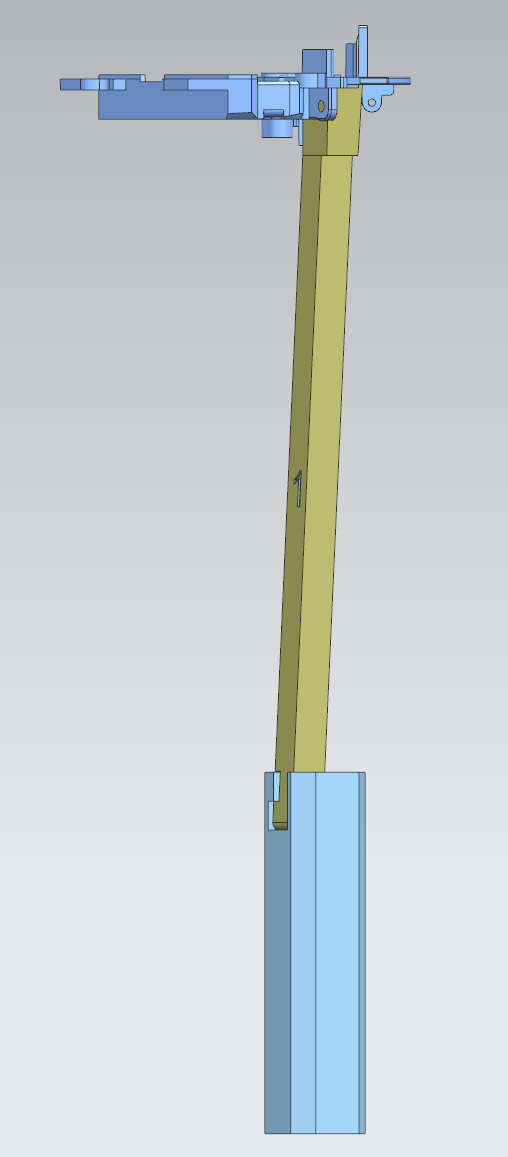
Sleeve ejector pins consist of an outer sleeve and an inner pin. They are used for ejecting parts with deep cores or undercuts, providing precise and controlled ejection.
Core Ejector Pins
Core ejector pins are used to eject parts with internal cores or complex geometries. They are designed to fit within the core of the mold and provide uniform ejection force.
Stepped Ejector Pins
Stepped ejector pins have multiple diameters along their length, providing additional strength and stability in high-stress areas. They are used in applications where standard pins may bend or break.
Considerations for Using Ejector Pins
Selecting and using ejector pins effectively requires careful consideration of several factors to ensure optimal performance and part quality. Below are the key considerations:
Material Selection
Ejector pins are typically made from high-strength materials such as tool steel, stainless steel, or carbide. The choice of material depends on the application requirements, including wear resistance, thermal stability, and corrosion resistance.
Pin Diameter and Length
The diameter and length of the ejector pins must be carefully selected to match the size and geometry of the molded part. Proper sizing ensures adequate ejection force and minimizes the risk of pin bending or breakage.
Placement and Layout
The placement and layout of ejector pins within the mold are critical for uniform ejection and part quality. Pins should be positioned to provide balanced ejection force and avoid stress concentrations that could damage the part.
Surface Finish
The surface finish of ejector pins affects their performance and longevity. A smooth, polished surface reduces friction and wear, while a textured surface can improve grip and ejection efficiency.
Maintenance and Inspection
Regular maintenance and inspection of ejector pins are essential to ensure their continued performance. Pins should be checked for wear, damage, and alignment, and replaced as needed to prevent defects and downtime.
Advantages of Using Ejector Pins
Ejector pins offer several advantages that make them indispensable in the injection molding process:
Efficient Part Ejection
Ejector pins provide a reliable and efficient method for removing molded parts from the mold cavity, ensuring consistent production cycles.
Improved Part Quality
Properly designed and placed ejector pins minimize the risk of part damage during ejection, resulting in higher-quality finished products.
Versatility
With various types and sizes available, ejector pins can be tailored to suit a wide range of applications and part geometries.
Cost-Effectiveness
Ejector pins are relatively inexpensive and easy to replace, making them a cost-effective solution for maintaining mold performance and part quality.
Applications of Ejector Pins
Ejector pins are used in a wide range of industries and applications, including:
Automotive Industry
In the automotive sector, ejector pins are used to produce components such as interior trim, dashboards, and engine parts.
Consumer Goods
Ejector pins are used in the production of consumer goods such as appliances, electronics, and packaging.
Medical Devices
In the medical industry, ejector pins are used to manufacture precision components such as surgical instruments and implantable devices.
Industrial Equipment
Ejector pins are used in the production of industrial equipment components, including gears, housings, and connectors.
Conclusion
Ejector pins are a critical component in the injection molding process, enabling the efficient and consistent production of high-quality parts. By understanding the different types of ejector pins and the considerations for their use, manufacturers can optimize their molding processes and achieve superior results. Regular maintenance and proper selection of ejector pins are essential for ensuring long-term performance and cost-effectiveness in injection molding operations.

Dongguan Sanlixin Plastic Technology Co.,Ltd
Shenzhen Sanlixin Technology Co., Ltd. and Dongguan Sanlixin Plastic Technology Co., Ltd. is a manufacturer integrating precision plastic mold design, mold opening, single (double) color injection molding, IML injection molding processing, producing various single (double) color, IML process high-end appearance decorative structural parts, two-color buttons, USB dust plugs, panels and other plastic products, providing customers with fast, excellent, Midea all-round service, the company has 15 years of experience in precision plastic mold design, processing and production, with a variety of advanced machine injection molding equipment with excellent quality and fast service to win the trust and strong support of our customers.
How to Choose Colors for Plastic Injection Molding
Types of Plastics Used in the Automotive Industry