Types of Springs and Their Applications: An Overview
Types of Springs and Their Applications: An Overview
Introduction
Springs are fundamental mechanical components used in a wide range of applications, from everyday household items to complex industrial machinery. They store and release energy, absorb shock, and maintain force between contacting surfaces. This article provides an overview of the different types of springs, their unique characteristics, and their applications across various industries.
Common Types of Springs
Springs come in various shapes and designs, each suited for specific functions and applications. Below are the most common types of springs:
1. Compression Springs
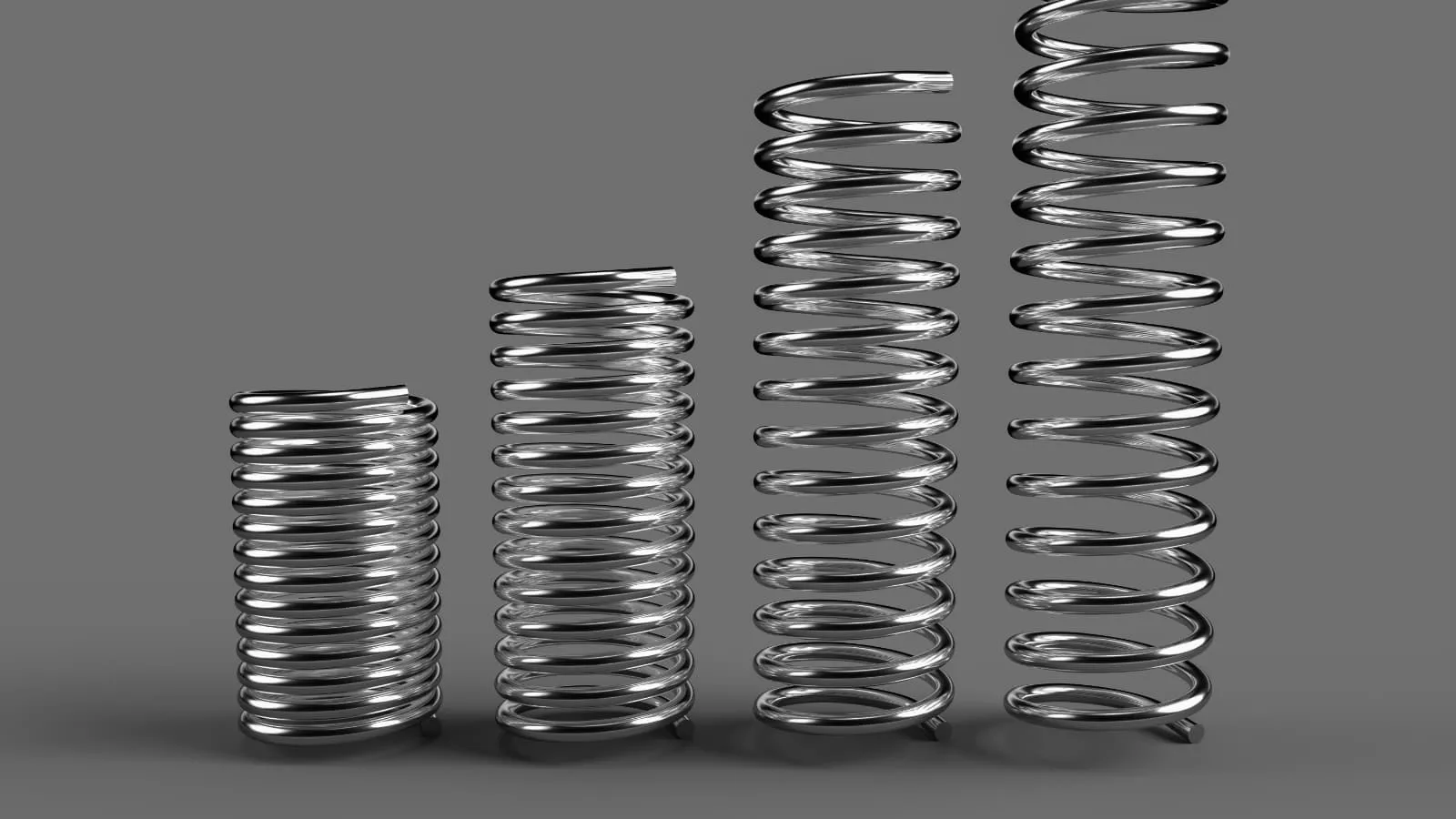
Compression springs are designed to resist compressive forces and return to their original length when the force is removed. They are typically coiled in a helical shape.
- Characteristics: High energy storage capacity, durable, and versatile.
- Applications: Automotive suspensions, industrial machinery, and consumer electronics.
2. Tension Springs
Tension springs, also known as extension springs, are designed to absorb and store energy by resisting stretching forces. They have hooks or loops at each end for attachment.
- Characteristics: High tensile strength, compact design, and reliable performance.
- Applications: Garage doors, trampolines, and balance scales.
3. Torsion Springs
Torsion springs are designed to resist twisting forces and return to their original position when the torque is released. They are often used in rotational applications.
- Characteristics: High torque capacity, durable, and precise.
- Applications: Clothespins, hinges, and vehicle suspension systems.
4. Constant Force Springs
Constant force springs provide a consistent force over a range of motion. They are typically made from a flat strip of material wound into a spiral.
- Characteristics: Smooth and consistent force, long service life, and compact design.
- Applications: Retractable cords, window counterbalances, and tape measures.
5. Belleville Springs
Belleville springs, also known as disc springs or conical washers, are designed to handle high loads with minimal deflection. They are shaped like a disc with a slight cone.
- Characteristics: High load capacity, compact design, and excellent fatigue resistance.
- Applications: Bolted joints, valves, and heavy-duty machinery.
6. Wave Springs
Wave springs are flat, coiled springs with multiple waves per turn, providing a compact solution for applications with limited space.
- Characteristics: Space-saving design, high load capacity, and consistent performance.
- Applications: Medical devices, aerospace components, and precision instruments.
Specialized Springs
In addition to the common types, there are specialized springs designed for specific applications:
1. Gas Springs
Gas springs use compressed gas to provide a smooth and controlled force. They are often used in applications requiring adjustable force and damping.
- Characteristics: Adjustable force, smooth operation, and long service life.
- Applications: Office chairs, automotive hoods, and industrial machinery.
2. Leaf Springs
Leaf springs consist of multiple layers of metal strips (leaves) bound together to provide support and absorb shock.
- Characteristics: High load capacity, durability, and shock absorption.
- Applications: Vehicle suspensions, heavy-duty trucks, and railway carriages.
3. Die Springs
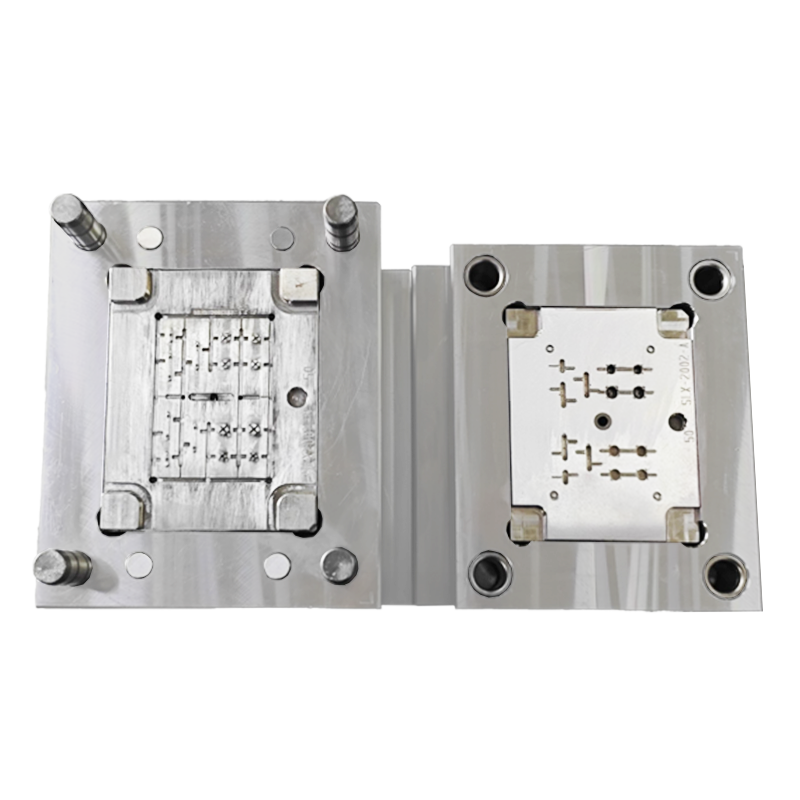
Die springs are heavy-duty compression springs designed for high-stress applications, often used in die sets and molds.
- Characteristics: High load capacity, durability, and resistance to fatigue.
- Applications: Stamping dies, injection molds, and heavy machinery.
Choosing the Right Spring for Your Application
Selecting the appropriate spring depends on several factors, including the type of force, load requirements, space constraints, and environmental conditions. Here are some tips to guide your decision:
1. Determine the Type of Force
Identify whether your application requires compression, tension, torsion, or a combination of forces to select the appropriate spring type.
2. Consider Load Requirements
Evaluate the load capacity and deflection requirements to ensure the spring can handle the expected forces without failure.
3. Assess Space Constraints
Consider the available space for the spring and choose a design that fits within the constraints while providing the necessary performance.
4. Evaluate Environmental Conditions
Take into account factors such as temperature, corrosion, and exposure to chemicals when selecting materials and coatings for the spring.
Conclusion
Springs are essential components in a wide range of applications, offering unique solutions for energy storage, shock absorption, and force maintenance. By understanding the different types of springs and their characteristics, you can select the right spring for your specific needs. Whether you're designing automotive systems, industrial machinery, or consumer products, choosing the appropriate spring is key to achieving optimal performance and reliability.

Dongguan Sanlixin Plastic Technology Co.,Ltd
Shenzhen Sanlixin Technology Co., Ltd. and Dongguan Sanlixin Plastic Technology Co., Ltd. is a manufacturer integrating precision plastic mold design, mold opening, single (double) color injection molding, IML injection molding processing, producing various single (double) color, IML process high-end appearance decorative structural parts, two-color buttons, USB dust plugs, panels and other plastic products, providing customers with fast, excellent, Midea all-round service, the company has 15 years of experience in precision plastic mold design, processing and production, with a variety of advanced machine injection molding equipment with excellent quality and fast service to win the trust and strong support of our customers.
Types of Thread Taps: A Comprehensive Guide
Working with Copper: Design, Machining, and Finish Requirements