What is Heat Welding?

What is Heat Welding?
An Overview of Heat Welding Technology
Heat welding, also known as hot gas welding or thermal welding, is a process used to join thermoplastic materials by applying heat to melt the surfaces, which then fuse together as they cool. This method is widely used in industries such as construction, automotive, and manufacturing, where strong, durable, and leak-proof joints are required. Heat welding is particularly effective for joining large or complex parts made from materials like polyethylene (PE), polypropylene (PP), and polyvinyl chloride (PVC).
How Heat Welding Works
Heat welding involves the following steps:
- Preparation: The surfaces to be joined are cleaned and prepared to ensure proper adhesion.
- Heating: A heat source, such as a hot air gun or heating element, is used to melt the surfaces of the thermoplastic materials. The heat softens the material without burning it.
- Joining: The softened surfaces are pressed together, allowing the molten material to mix and form a strong bond.
- Cooling: The joined materials are allowed to cool and solidify, creating a durable and seamless weld.
The process can be performed manually or with automated equipment, depending on the application and scale of production.
Types of Heat Welding
There are several types of heat welding techniques, each suited for specific applications and materials:
- Hot Gas Welding: Uses a stream of hot air to melt the materials. A welding rod of the same material is often used to fill the joint.
- Extrusion Welding: Involves extruding molten thermoplastic material into the joint, creating a strong and continuous weld. This method is commonly used for large structures like tanks and pipes.
- Butt Welding: Joins two pieces of material end-to-end by heating the surfaces and pressing them together. This technique is often used for pipes and sheets.
- Socket Welding: Used for joining pipes and fittings by heating the outer surface of the pipe and the inner surface of the fitting, then inserting the pipe into the fitting.
Advantages of Heat Welding
Heat welding offers several benefits, making it a preferred choice for many applications:
- Strong and Durable Joints: Heat welding creates strong, durable, and leak-proof joints that are often as strong as the base material.
- Versatility: It can be used to join a wide range of thermoplastic materials, including PE, PP, PVC, and more.
- No Adhesives: The process does not require adhesives or solvents, resulting in clean and environmentally friendly joints.
- Cost-Effective: Heat welding is relatively inexpensive compared to other joining methods, especially for large or complex parts.
- Flexibility: It can be performed on-site or in the field, making it suitable for construction and repair applications.
Applications of Heat Welding
Heat welding is used in various industries for different applications, including:
- Construction: Joining geomembranes, roofing membranes, and plastic sheets for waterproofing and containment.
- Automotive: Assembling plastic components such as fuel tanks, bumpers, and interior parts.
- Manufacturing: Creating large structures like tanks, pipes, and ducts from thermoplastic materials.
- Plumbing: Joining pipes and fittings for water and chemical transport systems.
- Repair and Maintenance: Fixing cracks, holes, and other damages in thermoplastic materials.
Limitations of Heat Welding
While heat welding offers many advantages, it also has some limitations:
- Material Restrictions: Heat welding is primarily suitable for thermoplastic materials. It is not effective for thermosetting plastics or metals.
- Skill Requirement: Manual heat welding requires skill and experience to achieve consistent and high-quality welds.
- Equipment Cost: While the process itself is cost-effective, the initial investment in equipment can be high, especially for automated systems.
- Environmental Factors: The quality of the weld can be affected by environmental conditions such as temperature and humidity.
Conclusion
Heat welding is a versatile and effective method for joining thermoplastic materials, offering strong, durable, and leak-proof joints. Its applications span across various industries, making it a valuable tool for construction, automotive, manufacturing, and more. By understanding the principles, advantages, and limitations of heat welding, manufacturers and contractors can determine whether it is the right solution for their specific needs and leverage its capabilities to enhance product quality and performance.
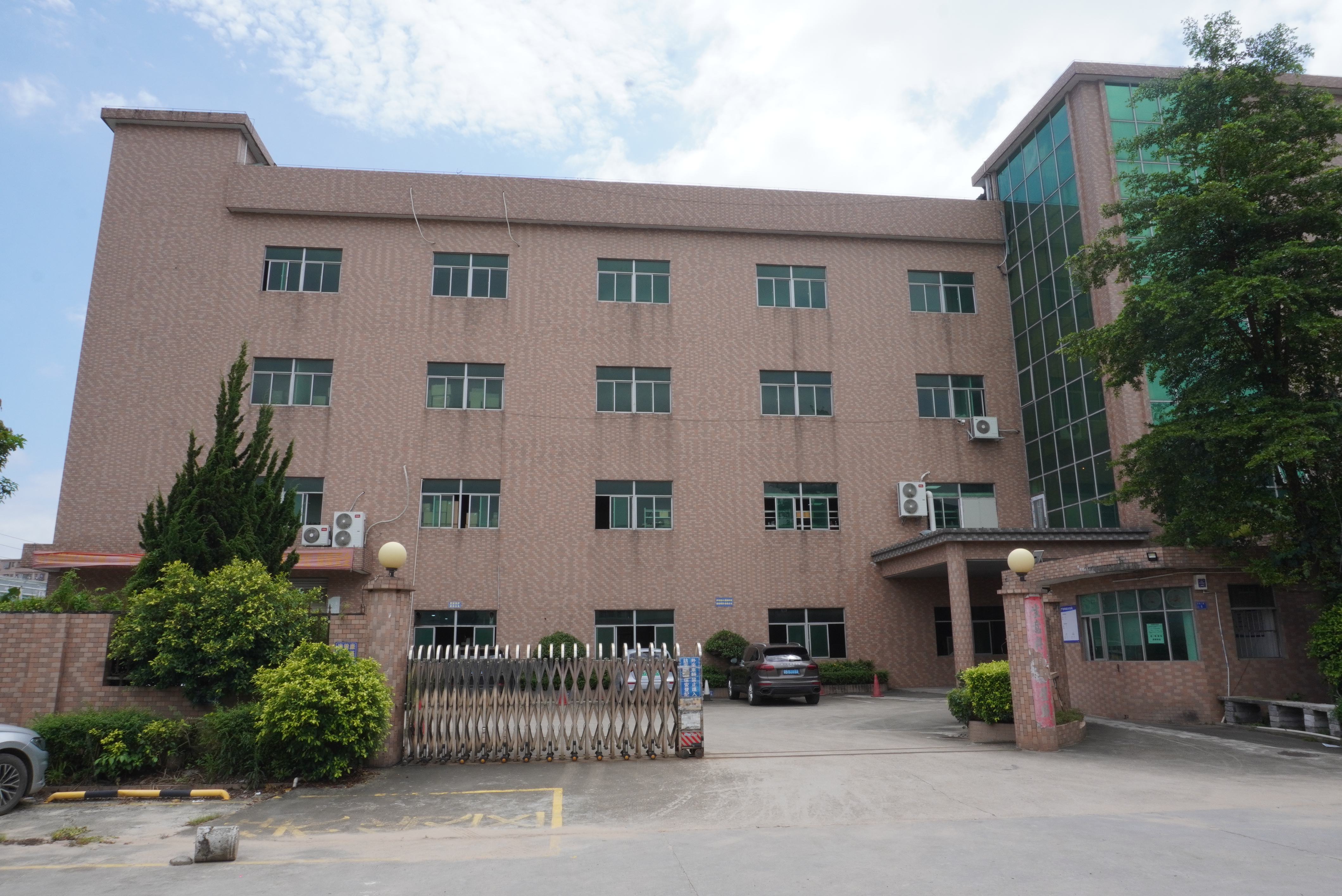
Dongguan Sanlixin Plastic Technology Co.,Ltd
Shenzhen Sanlixin Technology Co., Ltd. and Dongguan Sanlixin Plastic Technology Co., Ltd. is a manufacturer integrating precision plastic mold design, mold opening, single (double) color injection molding, IML injection molding processing, producing various single (double) color, IML process high-end appearance decorative structural parts, two-color buttons, USB dust plugs, panels and other plastic products, providing customers with fast, excellent, Midea all-round service, the company has 15 years of experience in precision plastic mold design, processing and production, with a variety of advanced machine injection molding equipment with excellent quality and fast service to win the trust and strong support of our customers.
Lightweighting Brings New Opportunities for Metal-to-Plastic Conversion
What is Ultrasonic Welding?