Nylon Polyamide (PA) Explained: A Comprehensive Guide

Nylon Polyamide (PA) Explained: A Comprehensive Guide
Introduction to Nylon Polyamide (PA)
Nylon Polyamide (PA) is a family of synthetic polymers known for their strength, durability, and versatility. First introduced in the 1930s, nylon has become a cornerstone material in various industries, including textiles, automotive, electronics, and consumer goods. Its unique properties make it suitable for a wide range of applications, from clothing and ropes to engineering components.
Types of Nylon Polyamide
Nylon Polyamide comes in several types, each with distinct characteristics and uses. The most common types include:
1. Nylon 6
Nylon 6 is produced by polymerizing caprolactam. It is known for its excellent balance of mechanical properties, chemical resistance, and ease of processing. Nylon 6 is widely used in textiles, automotive parts, and industrial applications.
2. Nylon 6,6
Nylon 6,6 is made from hexamethylenediamine and adipic acid. It offers higher tensile strength, thermal stability, and abrasion resistance compared to Nylon 6. This type is commonly used in engineering applications, such as gears, bearings, and electrical connectors.
3. Nylon 11 and Nylon 12
Nylon 11 and Nylon 12 are derived from renewable resources like castor oil. They exhibit lower moisture absorption and better dimensional stability, making them suitable for applications requiring high performance in humid environments, such as fuel lines and pneumatic tubing.
4. Nylon 4,6
Nylon 4,6 is known for its high thermal resistance and mechanical strength. It is used in demanding applications, such as under-the-hood automotive components and high-temperature electrical connectors.
Properties of Nylon Polyamide
Nylon Polyamide exhibits a range of properties that make it a preferred material for various applications. Key properties include:
1. High Strength and Durability
Nylon is renowned for its high tensile strength and durability, making it ideal for applications that require robust and long-lasting materials.
2. Excellent Wear and Abrasion Resistance
Nylon's resistance to wear and abrasion makes it suitable for use in gears, bearings, and other mechanical components that experience friction and wear.
3. Good Chemical Resistance
Nylon resists many chemicals, including oils, fuels, and solvents, which makes it useful in automotive and industrial applications.
4. Low Friction Coefficient
Nylon has a low coefficient of friction, which is beneficial for applications requiring smooth movement and reduced wear, such as sliding components and bearings.
5. Moisture Absorption
One of the drawbacks of nylon is its tendency to absorb moisture, which can affect its mechanical properties and dimensional stability. However, this can be managed through proper material selection and design considerations.
Applications of Nylon Polyamide
Nylon Polyamide's versatility lends itself to a wide range of applications across various industries. Some notable uses include:
1. Textiles
Nylon is widely used in the textile industry for making fabrics, carpets, and ropes. Its strength, elasticity, and resistance to abrasion make it ideal for these applications.
2. Automotive Industry
In the automotive sector, nylon is used for manufacturing components such as gears, bushings, fuel lines, and radiator fans. Its durability and resistance to heat and chemicals make it suitable for under-the-hood applications.
3. Electronics
Nylon is used in the electronics industry for producing connectors, cable ties, and insulating materials. Its electrical insulation properties and mechanical strength are highly valued in this field.
4. Consumer Goods
Nylon is found in a variety of consumer products, including kitchen utensils, sports equipment, and luggage. Its combination of strength, flexibility, and ease of molding makes it a popular choice for these items.
5. Industrial Applications
Nylon is used in industrial settings for making bearings, rollers, and conveyor belts. Its wear resistance and low friction properties are beneficial in these high-stress environments.
Environmental Impact and Recycling
While nylon is a highly useful material, its environmental impact is a concern. Nylon is not biodegradable, and its production involves the use of petrochemicals. However, recycling efforts are helping to mitigate these issues. Recycled nylon can be used to produce new products, reducing the need for virgin materials and minimizing waste. Additionally, bio-based nylons, such as Nylon 11 and Nylon 12, offer more sustainable alternatives.
Conclusion
Nylon Polyamide (PA) is a versatile and durable synthetic polymer with a wide range of applications across various industries. Its high strength, wear resistance, and chemical resistance make it a preferred material for many demanding applications. Understanding the different types of nylon and their properties can help in selecting the right material for specific needs, while also considering environmental impacts and recycling options.
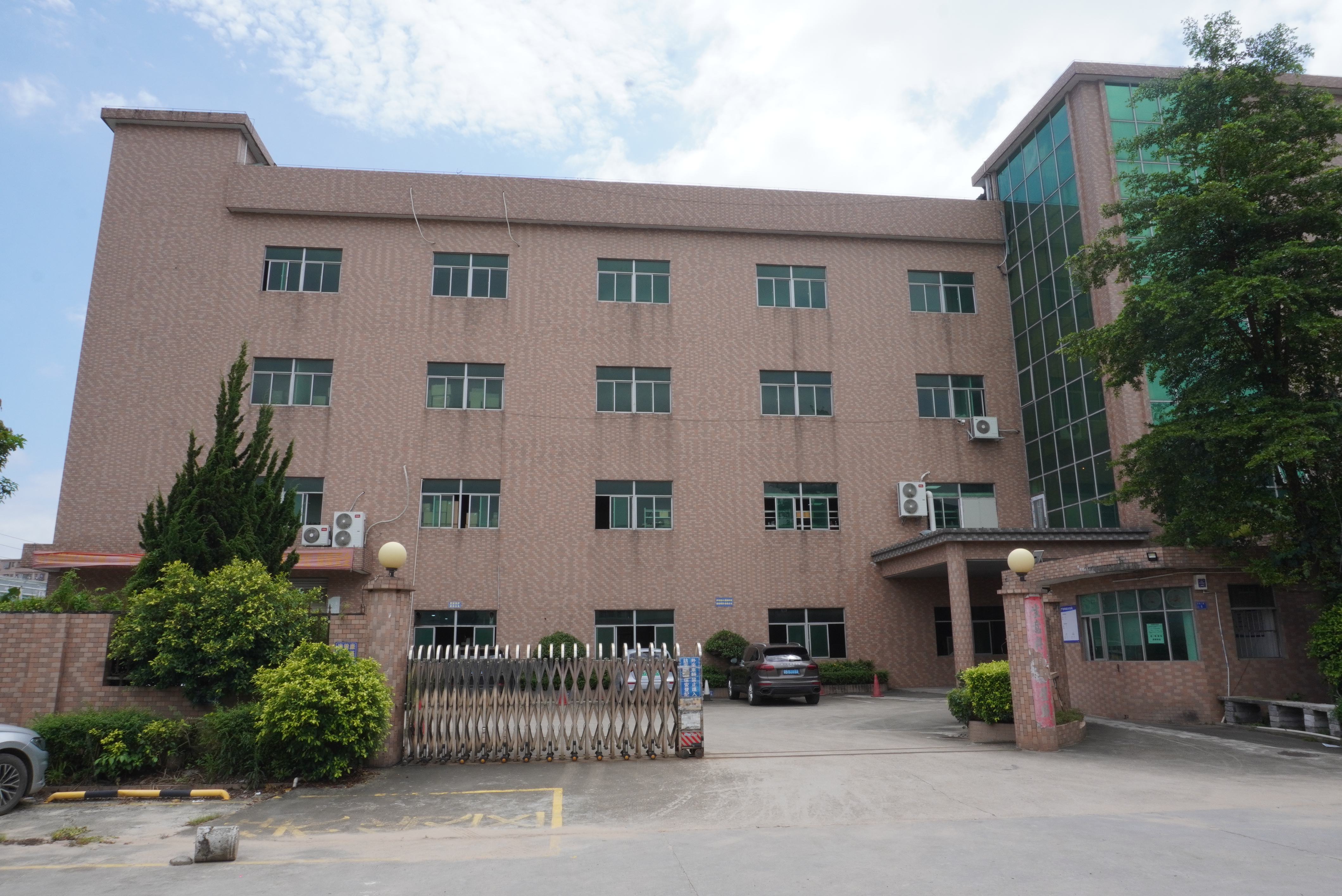
Dongguan Sanlixin Plastic Technology Co.,Ltd
Shenzhen Sanlixin Technology Co., Ltd. and Dongguan Sanlixin Plastic Technology Co., Ltd. is a manufacturer integrating precision plastic mold design, mold opening, single (double) color injection molding, IML injection molding processing, producing various single (double) color, IML process high-end appearance decorative structural parts, two-color buttons, USB dust plugs, panels and other plastic products, providing customers with fast, excellent, Midea all-round service, the company has 15 years of experience in precision plastic mold design, processing and production, with a variety of advanced machine injection molding equipment with excellent quality and fast service to win the trust and strong support of our customers.
Polyoxymethylene (POM) Explained: A Comprehensive Guide
Polyethylene (PE) Explained: A Comprehensive Guide