Polyethylene (PE) Explained: A Comprehensive Guide

Polyethylene (PE) Explained: A Comprehensive Guide
Introduction to Polyethylene (PE)
Polyethylene (PE) is one of the most widely used plastics in the world, known for its versatility, durability, and cost-effectiveness. It is a thermoplastic polymer made from the polymerization of ethylene monomers and is used in a vast array of applications, from packaging to construction.
Types of Polyethylene
Polyethylene comes in several different forms, each with unique properties and applications. The main types of PE include:
1. Low-Density Polyethylene (LDPE)
LDPE is characterized by its high degree of branching, resulting in a less compact molecular structure. This type of PE is flexible, transparent, and resistant to impact and moisture. Common applications include plastic bags, containers, and tubing.
2. High-Density Polyethylene (HDPE)
HDPE has a more linear structure with minimal branching, making it denser and stronger than LDPE. It is known for its high tensile strength, chemical resistance, and rigidity. HDPE is commonly used in products such as milk jugs, detergent bottles, and piping systems.
3. Linear Low-Density Polyethylene (LLDPE)
LLDPE combines the flexibility of LDPE with the strength of HDPE. It has a linear structure with short branches, providing a good balance of toughness and flexibility. LLDPE is often used in films, stretch wrap, and flexible tubing.
4. Ultra-High-Molecular-Weight Polyethylene (UHMWPE)
UHMWPE is an extremely dense and durable form of polyethylene with a very high molecular weight. It offers exceptional wear resistance, low friction, and high impact strength. UHMWPE is used in applications such as medical devices, bulletproof vests, and industrial machinery components.
Properties of Polyethylene
Polyethylene exhibits a range of properties that make it suitable for diverse applications. Key properties include:
1. Chemical Resistance
PE is resistant to many chemicals, including acids, bases, and solvents, making it ideal for use in containers and piping systems that handle corrosive substances.
2. Moisture Resistance
Polyethylene is highly resistant to moisture, which makes it an excellent material for packaging and storage solutions that need to protect contents from water damage.
3. Flexibility and Durability
Depending on the type, PE can be highly flexible and durable, allowing it to withstand impact and stress without breaking. This makes it suitable for products that require longevity and resilience.
4. Electrical Insulation
PE is a good electrical insulator, making it useful in the manufacture of cables, wires, and other electrical components.
Applications of Polyethylene
Polyethylene's versatility lends itself to a wide range of applications across various industries. Some notable uses include:
1. Packaging
PE is extensively used in packaging materials, including plastic bags, films, and containers. Its moisture resistance and flexibility make it ideal for protecting and preserving a wide range of products.
2. Construction
In the construction industry, PE is used for piping systems, insulation, and geomembranes. Its durability and resistance to environmental factors make it a reliable choice for long-term applications.
3. Consumer Goods
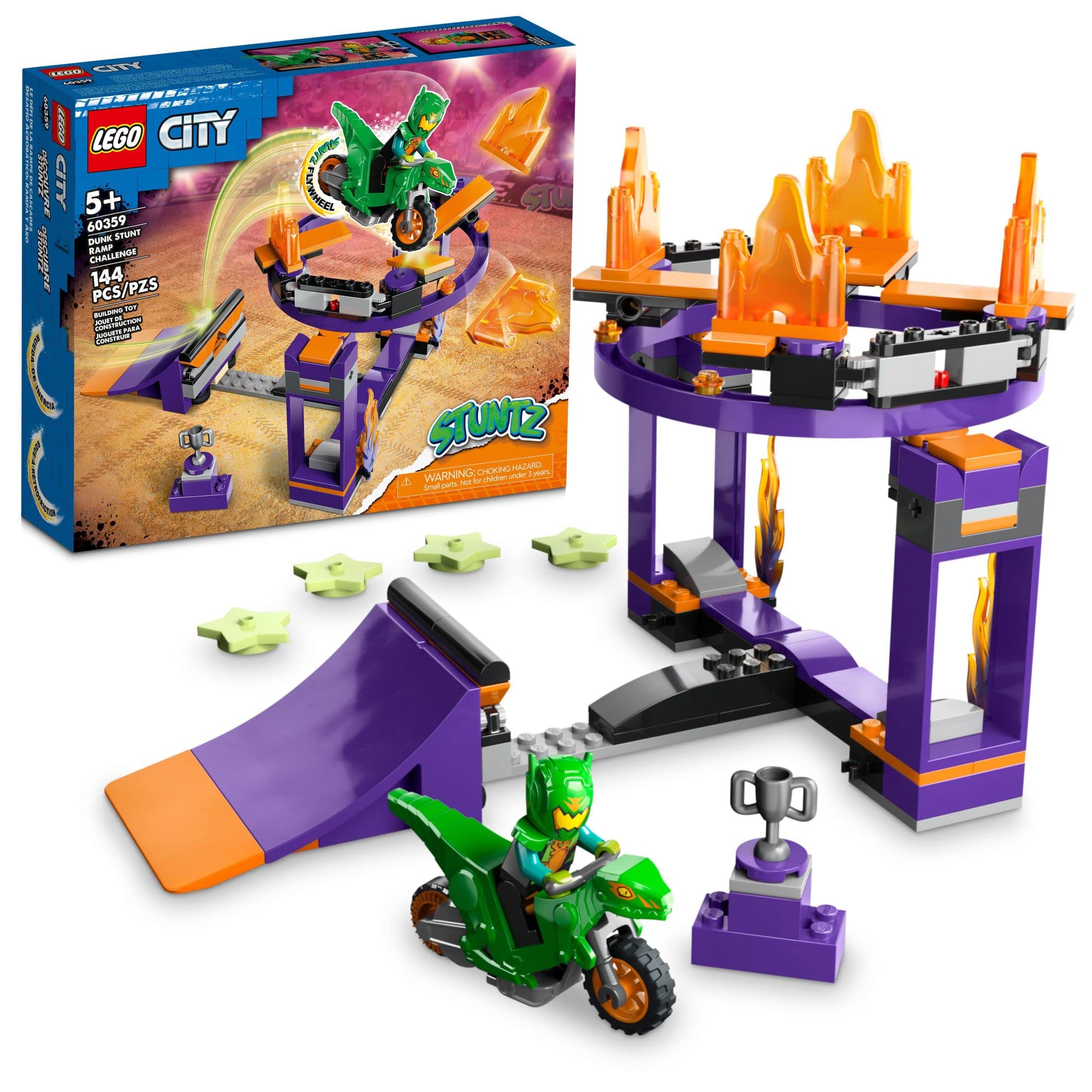
Many everyday items, such as bottles, toys, and household containers, are made from polyethylene. Its ease of molding and cost-effectiveness make it a popular material for consumer products.
4. Medical Devices
UHMWPE is used in the production of medical devices and implants due to its biocompatibility, wear resistance, and low friction properties. It is commonly found in joint replacements and surgical instruments.
Environmental Impact and Recycling
While polyethylene is highly beneficial, its environmental impact is a growing concern. PE is not biodegradable, and improper disposal can lead to pollution. However, recycling efforts are helping to mitigate these issues. Recycled PE can be used to produce new products, reducing the need for virgin materials and minimizing waste.
Conclusion
Polyethylene (PE) is a versatile and widely used plastic with a range of types and properties that make it suitable for numerous applications. From packaging and construction to medical devices and consumer goods, PE plays a crucial role in modern industry. Understanding its properties and applications can help in making informed decisions about its use and recycling, contributing to more sustainable practices.
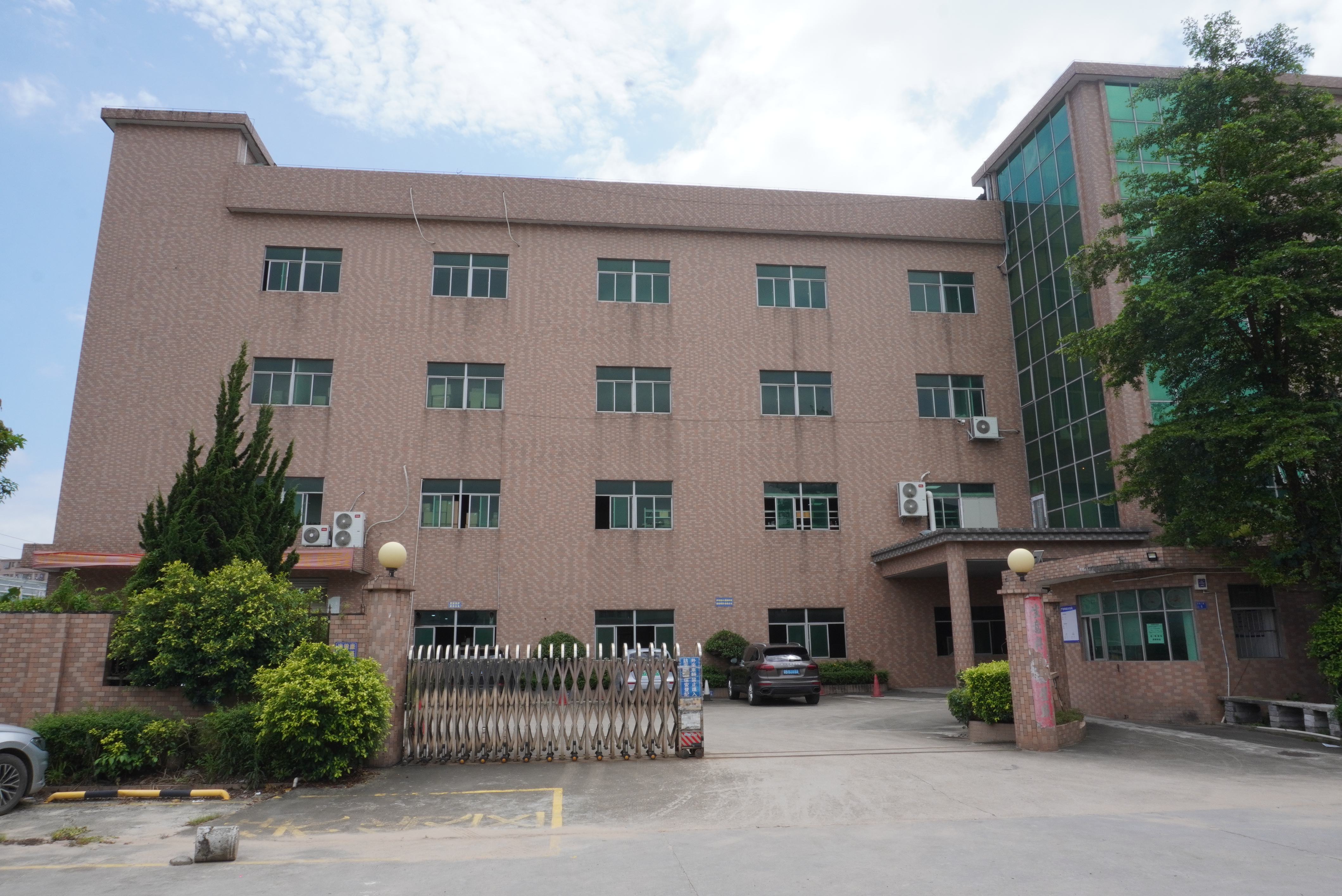
Dongguan Sanlixin Plastic Technology Co.,Ltd
Shenzhen Sanlixin Technology Co., Ltd. and Dongguan Sanlixin Plastic Technology Co., Ltd. is a manufacturer integrating precision plastic mold design, mold opening, single (double) color injection molding, IML injection molding processing, producing various single (double) color, IML process high-end appearance decorative structural parts, two-color buttons, USB dust plugs, panels and other plastic products, providing customers with fast, excellent, Midea all-round service, the company has 15 years of experience in precision plastic mold design, processing and production, with a variety of advanced machine injection molding equipment with excellent quality and fast service to win the trust and strong support of our customers.
Nylon Polyamide (PA) Explained: A Comprehensive Guide
PPS Injection Molding Guide: A Comprehensive Overview